

What Does Toe Cramping Feel Like?
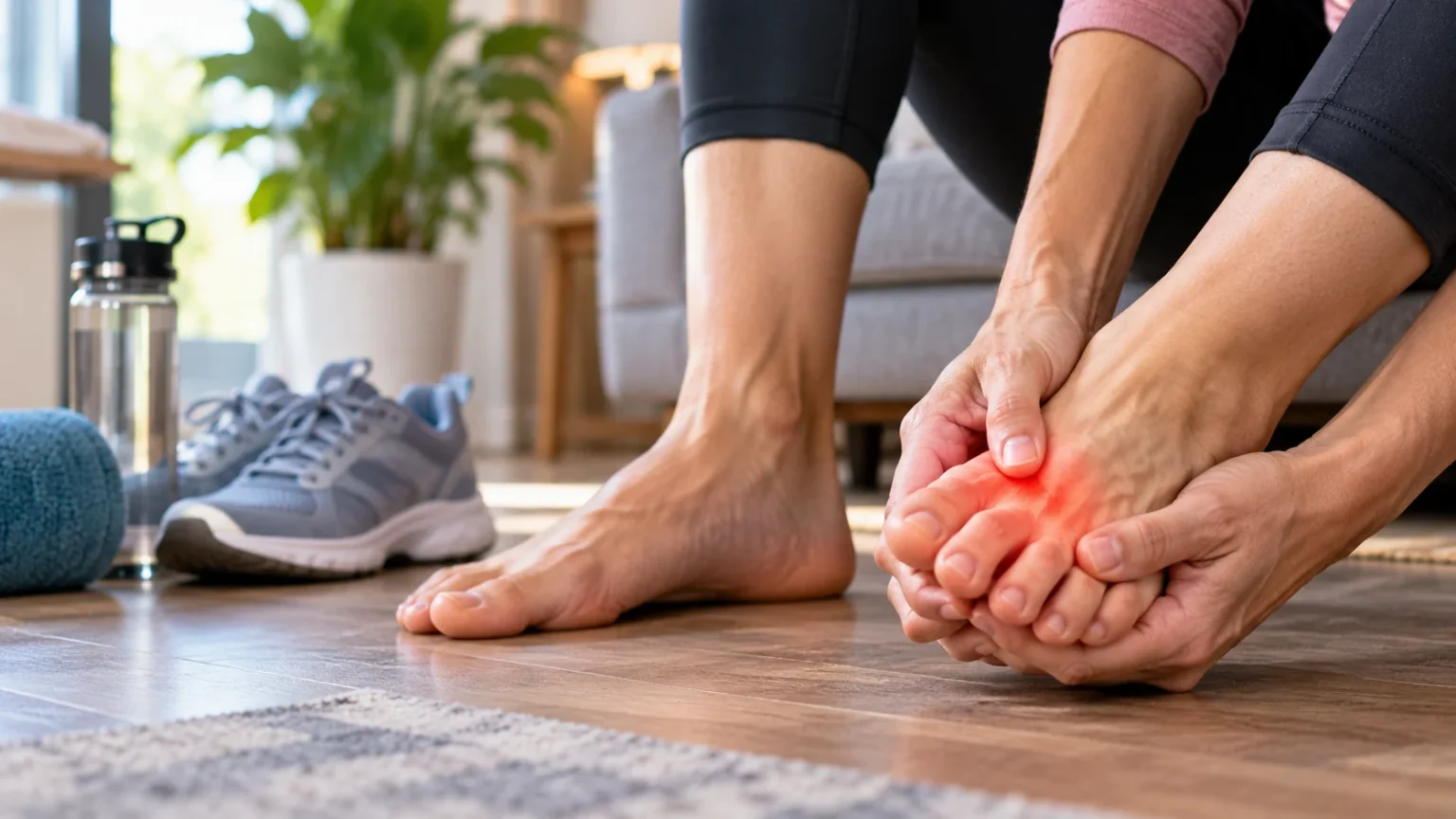
Toe cramping happens when one or more muscles in the toes contract suddenly and do not relax right away. Your toes may curl downward, pull apart, or become temporarily difficult to move. The sensation can range from mild tightness to sharp discomfort that lasts for several seconds or a few minutes before gradually easing.
Some people experience toe cramps only occasionally, while others notice them during exercise, at night, or after spending long periods on their feet. The affected toes may also feel tender after the cramp stops. Although occasional cramping is common, repeated episodes can sometimes point to footwear, hydration, muscle fatigue, or another underlying issue.
Toe cramps can affect anyone, but they may become more noticeable with age or increased physical activity. Understanding when they happen is useful because timing often provides clues about the possible cause. Paying attention to exercise habits, shoes, hydration, and accompanying symptoms can make it easier to identify patterns and find practical relief.
Common Causes of Toes Cramping
Muscle fatigue is one of the most common reasons toes cramp. Walking long distances, running, dancing, standing for hours, or suddenly increasing exercise can overwork the small muscles of the feet. When those muscles become tired, they may contract involuntarily and temporarily remain in a shortened position.
Dehydration may also contribute to muscle cramping in some situations, especially during prolonged exercise or hot weather. Your muscles depend on adequate fluid and electrolyte balance to function normally. Losing significant amounts of fluid through sweating without replacing them may make cramps more likely, although dehydration is not responsible for every case.
Other possible causes include tight footwear, reduced circulation, nerve irritation, medication effects, and certain medical conditions. Sometimes no obvious cause can be identified. Occasional cramps that resolve quickly are usually different from persistent cramping accompanied by numbness, weakness, swelling, or significant changes in the appearance of the foot.
Can Tight Shoes Make Your Toes Cramp?
Shoes that squeeze the toes can limit natural foot movement and place extra pressure on the muscles and joints. Narrow toe boxes may force the toes together or keep them bent for long periods. After several hours, those small muscles can become tired and may be more likely to tighten or cramp unexpectedly.
High heels can create similar problems because they shift body weight toward the front of the foot. This increased pressure may cause the toes to grip inside the shoe for stability. Repeated gripping can fatigue the muscles underneath the foot and around the toes, particularly when the shoes are worn for extended periods.
Choose shoes with enough room for your toes to spread naturally without sliding around excessively. Your footwear should support your activities while allowing comfortable movement. If toe cramps frequently occur after wearing a particular pair of shoes, switching to a wider or better-fitting option may be a simple first step.
Toe Cramps During and After Exercise
Exercise-related toe cramps often develop when foot muscles become fatigued from repetitive movement. Running, hiking, cycling, swimming, and certain gym exercises can place repeated demands on the toes and arches. People beginning a new activity or suddenly increasing workout intensity may notice cramping because their muscles are not yet accustomed to the workload.
Foot position can also matter during exercise. For example, runners may unconsciously curl their toes inside their shoes, while swimmers sometimes point their feet for long periods. Maintaining these positions repeatedly can keep certain muscles shortened, increasing the chance that they tighten or cramp during or shortly after activity.
Gradual training progression can reduce unnecessary stress on the feet. Increase distance, speed, or workout duration slowly rather than making several large changes at once. Appropriate footwear, regular recovery, gentle mobility work, and attention to technique may also help reduce exercise-related foot and toe cramping over time.
Why Toes Cramp at Night
Nighttime toe cramps can be frustrating because they may interrupt sleep and appear without warning. The toes may suddenly curl or tighten while you are lying in bed, creating a sharp pulling sensation. These cramps can sometimes happen after a physically demanding day, prolonged standing, or increased use of the feet.
Sleeping position may influence some nighttime cramps as well. Keeping the feet pointed downward for long periods can leave muscles in a shortened position. When a muscle is already tired or sensitive, a small movement may be enough to trigger an involuntary contraction that temporarily locks the toes into an uncomfortable position.
Gentle foot and calf movements before bed may help some people who frequently experience nighttime cramping. Avoid forcing stretches aggressively, especially when the feet are already painful. If cramps regularly disturb sleep or occur alongside weakness, numbness, swelling, or other neurological symptoms, professional evaluation may be worthwhile.
How to Stop a Toe Cramp When It Happens
When your toes begin cramping, stop what you are doing and give the muscles a moment to relax. If possible, gently straighten the affected toes with your hand instead of allowing them to remain tightly curled. Move slowly because pulling too aggressively can create additional discomfort in already contracted muscles.
Walking carefully for a short distance may also help the muscles relax by encouraging normal movement through the foot. Some people find gentle massage across the arch and toes comfortable during or after a cramp. Use light to moderate pressure rather than trying to forcefully press the muscle until the pain disappears.
Slow ankle movements can sometimes reduce tension throughout the foot as well. Pointing and flexing the ankle gently changes the position of several muscles that connect through the lower leg and foot. Most simple cramps settle within a short period, but repeated severe episodes deserve closer attention rather than constant self-treatment.
Stretches That May Help Tight Toes
A simple toe stretch can be performed while sitting comfortably. Cross one leg over the other, hold the toes gently, and pull them back toward the top of the foot until you feel mild tension underneath the foot. Hold the position briefly without bouncing, then release slowly and repeat if it remains comfortable.
Calf stretching may also be useful because several structures in the lower leg influence foot and ankle movement. Stand facing a wall with one leg behind you and keep the back heel comfortably on the floor. Lean forward slightly until you feel gentle tension through the calf rather than pain in the ankle or toes.
Hip and lower-body mobility can also affect how you walk and distribute pressure through your feet. For example, stretches such as the figure 4 stretch can target muscles around the hips and glutes. Improving mobility throughout the lower body may support more comfortable movement, although it will not directly treat every cause of toe cramping.
Foot Strengthening for Frequent Toe Cramps
Weak or easily fatigued foot muscles may benefit from gradual strengthening, particularly if cramps appear during walking or exercise. One simple exercise involves placing your bare foot flat on the floor and gently lifting and lowering the toes. Try to maintain a relaxed arch rather than gripping the floor aggressively during each repetition.
You can also practice spreading your toes apart while keeping the foot resting comfortably on the ground. This movement may initially feel difficult because many people rarely use the smaller foot muscles independently. A few controlled repetitions can be enough at first, especially if the muscles fatigue quickly or begin to feel tense.
Calf raises are another useful lower-leg strengthening exercise. Stand near a stable surface for balance, slowly lift your heels, and then lower them with control. Stronger calves, feet, and ankles can support walking and balance, but increasing exercise too quickly may temporarily increase cramping instead of reducing it.
Hydration, Electrolytes, and Toe Cramps
Water helps muscles and nerves function normally, making hydration an important part of general physical health. People who exercise heavily, work in hot environments, or sweat for long periods may lose substantial amounts of fluid. Replacing those losses can be particularly important when cramping happens alongside thirst, fatigue, or other signs of dehydration.
Electrolytes such as sodium, potassium, calcium, and magnesium also play roles in muscle and nerve function. However, experiencing a toe cramp does not automatically mean you are deficient in a specific mineral. Taking unnecessary supplements without knowing the cause is unlikely to be the best response to occasional foot cramping.
A balanced diet and regular hydration are appropriate for most people unless a healthcare professional recommends something different. People with kidney, heart, or other conditions may have specific requirements regarding fluids or electrolytes. Persistent cramping should therefore be assessed based on the entire health picture rather than assuming a single nutrient will solve the problem.
Other Reasons Your Toes May Keep Cramping
Nerve irritation can sometimes create sensations that feel similar to cramping. Problems affecting nerves in the lower back, leg, ankle, or foot may cause pain, tingling, burning, numbness, or muscle spasms. Symptoms that repeatedly travel through the leg or occur with weakness deserve more attention than an isolated occasional cramp.
Circulation problems may also cause discomfort in the feet, although reduced circulation usually produces additional symptoms rather than simple toe cramping alone. Changes in skin color, persistent coldness, sores that heal slowly, or pain during walking should be discussed with a healthcare professional. These signs should not be managed solely with stretching or massage.
Certain medicines and health conditions may also increase the likelihood of muscle cramps in some people. Because there are many possible explanations, frequent cramping should be considered alongside your medications, medical history, activity level, and other symptoms. Avoid stopping prescribed medication because of cramps without first discussing the issue with the prescribing professional.
How to Prevent Toes From Cramping
Start by looking for patterns around your cramps. Notice whether they occur after particular workouts, shoes, long periods of standing, dehydration, or certain sleeping positions. Identifying a repeated trigger can make prevention easier because you can address the most likely contributor rather than trying multiple unrelated remedies.
Keep your activity progression gradual, especially when beginning a new sport or increasing walking and running distances. Give the muscles in your feet enough time to adapt to greater workloads. Wearing appropriate footwear and including occasional mobility and strengthening exercises can also help create a more balanced routine for your feet and lower legs.
Recovery matters just as much as exercise. Take breaks when your feet become excessively fatigued, particularly during demanding activities or long workdays. Gentle movement, comfortable stretching, adequate hydration, and sufficient sleep may help reduce unnecessary muscle stress and support more consistent foot function over time.
When Should Toe Cramping Be Checked by a Doctor?
Occasional toe cramping that lasts briefly and improves with gentle movement is often manageable at home. However, frequent cramps that become more painful or begin interfering with walking, exercise, or sleep deserve professional attention. A healthcare professional can review your symptoms, medications, circulation, nerve function, and other possible contributing factors.
Seek medical advice sooner if cramping occurs with significant swelling, redness, warmth, weakness, numbness, or major changes in foot color. Symptoms following a serious injury should also be evaluated. Sudden swelling or severe pain should not automatically be treated as a simple muscle cramp without considering other possible causes.
You should also get advice if cramps continue despite reasonable changes to footwear, activity, stretching, and hydration. Repeated symptoms may require assessment rather than increasingly aggressive home remedies. Identifying whether the problem involves muscles, nerves, joints, circulation, or another condition can help guide a more appropriate treatment approach.
Conclusion
Toes cramping can happen for many reasons, including muscle fatigue, tight footwear, prolonged activity, certain foot positions, or changes in hydration. Most occasional cramps are brief and improve when the affected muscles relax. Paying attention to when cramps occur can help reveal patterns that make prevention easier.
When a cramp happens, gentle toe stretching, walking, massage, and ankle movement may help the muscles return to a more comfortable position. Regular foot strengthening, calf flexibility, suitable footwear, gradual exercise progression, and adequate hydration can also support healthy movement and reduce avoidable muscle fatigue.
Frequent or severe toe cramps should not simply be ignored, particularly when they occur with numbness, weakness, swelling, color changes, or ongoing pain. These symptoms may require professional assessment to identify the underlying cause. Treating repeated cramps effectively starts with understanding why they are happening rather than relying on a single quick remedy.
FAQs
Why do my toes suddenly curl and cramp?
Sudden toe curling usually happens when small foot muscles contract involuntarily. Fatigue, tight shoes, prolonged activity, certain foot positions, and other factors can contribute to temporary cramping.
How do I stop toe cramps quickly?
Stop the activity and gently straighten the affected toes without forcing them. Light massage, careful walking, and slow ankle movements may help the contracted muscles relax and reduce discomfort.
Why do my toes cramp at night?
Nighttime toe cramps may be associated with muscle fatigue, prolonged foot positioning, or activity earlier in the day. Frequent cramps that repeatedly disturb sleep may be worth discussing with a healthcare professional.
Does dehydration cause toe cramps?
Dehydration can contribute to muscle cramping, particularly after heavy sweating or prolonged physical activity. However, not every toe cramp is caused by dehydration, so persistent symptoms should be evaluated more broadly.
When should I worry about frequent toe cramps?
Seek medical advice if cramps happen frequently, become severe, or occur with numbness, weakness, swelling, skin color changes, or persistent pain. These symptoms may indicate something beyond temporary muscle fatigue.



