
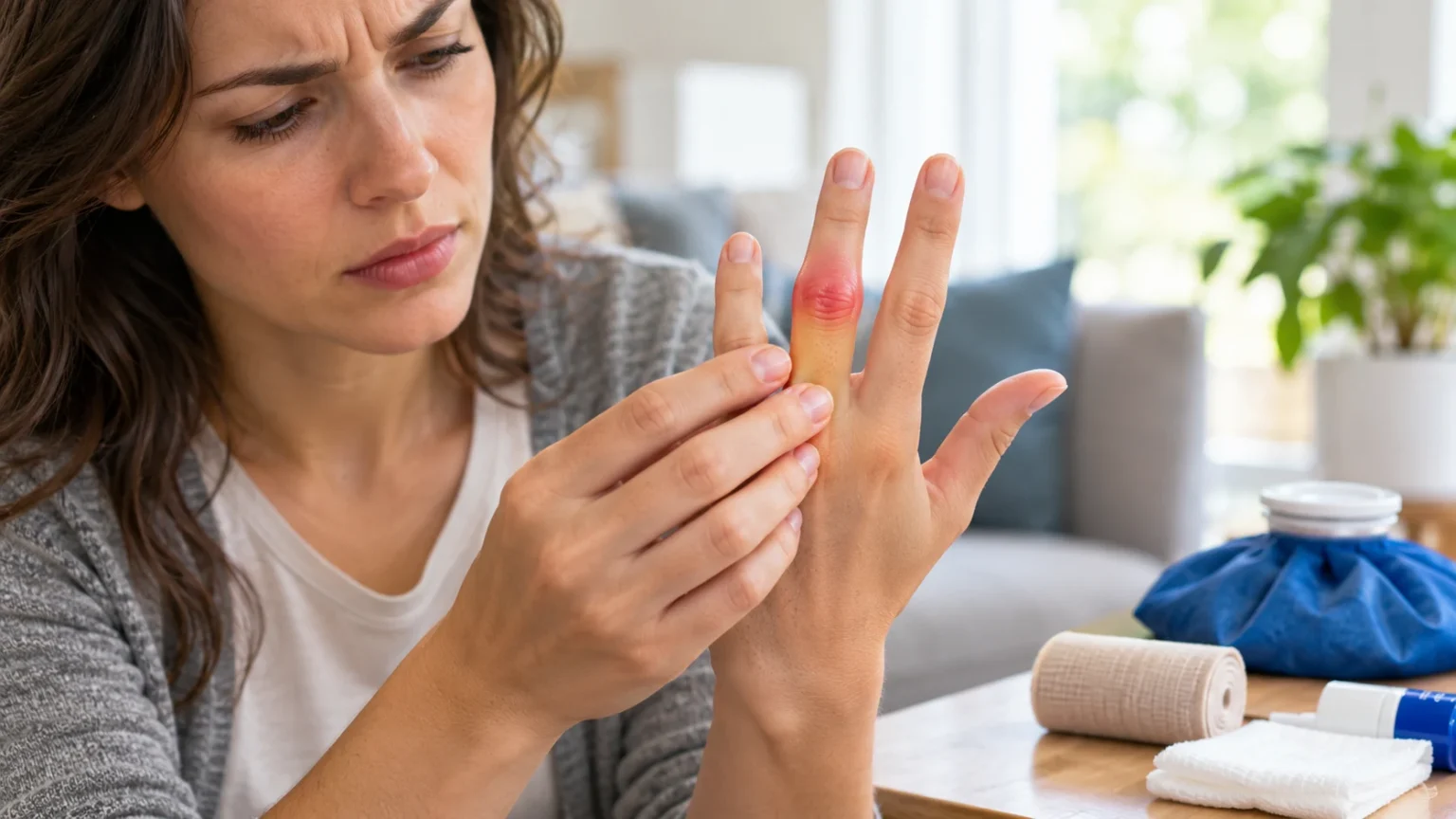

What Does a Swollen Finger Mean?
A swollen finger occurs when excess fluid, inflammation, or changes in the surrounding tissues cause a finger to become larger than usual. The swelling may affect one finger, several fingers, or the entire hand. Depending on the underlying cause, the affected area may also feel tight, tender, warm, or uncomfortable during movement.
Finger swelling can develop suddenly after an injury or gradually because of an underlying medical condition. Temporary swelling may occur after prolonged activity or exposure to warm temperatures. However, persistent swelling can sometimes indicate joint inflammation, infection, circulation problems, or other conditions that require medical attention.
Understanding why your finger is swollen is important because treatment depends on the underlying cause. Some cases improve with simple measures such as rest, elevation, and avoiding activities that aggravate symptoms. Other situations require professional assessment, particularly when swelling is accompanied by severe pain, unusual discoloration, fever, or difficulty moving the finger.
Common Causes of Finger Swelling
Finger swelling can result from several factors affecting the joints, skin, muscles, tendons, and surrounding soft tissues. Minor injuries, insect bites, repetitive movements, and temporary fluid retention are among the possible explanations. The location of swelling and the presence of additional symptoms can provide useful clues about the underlying problem.
Inflammatory conditions such as arthritis may cause swelling around finger joints. Infections can also produce redness, warmth, tenderness, and increasing discomfort. Some people develop swelling because of allergic reactions, while others experience changes related to circulation, medications, or existing medical conditions.
Not every swollen finger indicates a serious health problem, but the cause should not be assumed without considering the symptoms. Swelling that appears after a clear minor injury may behave differently from unexplained swelling that continues for several days. A healthcare professional can help identify the cause when symptoms persist or become progressively worse.
Finger Injuries and Trauma
Physical injuries are a common reason for sudden finger swelling. A finger may become swollen after being struck, twisted, bent unexpectedly, or caught against a hard surface. These events can damage small blood vessels, ligaments, tendons, or other tissues, triggering inflammation and fluid accumulation around the injured area.
A sprained finger occurs when a ligament is stretched or torn beyond its normal capacity. Symptoms may include swelling, tenderness, bruising, and discomfort when bending or straightening the joint. More significant injuries can involve fractures or dislocations, which may produce severe pain, deformity, or difficulty moving the affected finger.
If swelling follows an injury, avoid forcing the finger to move through painful positions. Significant bruising, visible deformity, loss of sensation, or difficulty using the finger warrants prompt medical assessment. An X-ray may be needed when a fracture or joint injury is suspected, even if the finger still moves.
Finger Swelling Due to Arthritis
Arthritis is another possible cause of swollen fingers, particularly when inflammation or joint changes affect the hands. Different forms of arthritis can produce pain, stiffness, swelling, and reduced joint mobility. Symptoms may develop gradually or occur during episodes of increased inflammation, depending on the specific condition.
Osteoarthritis involves changes affecting joint cartilage and surrounding structures. It commonly affects joints near the fingertips and the middle joints of the fingers, sometimes causing firm enlargements. Rheumatoid arthritis is an inflammatory autoimmune condition that often affects multiple joints and may produce prolonged morning stiffness and swelling.
Arthritis-related swelling may interfere with gripping objects, writing, or performing other hand movements. Treatment varies according to the type and severity of arthritis and may include medications, appropriate exercises, and joint protection strategies. Persistent swelling across several joints should be evaluated rather than treated as ordinary muscle soreness.
Finger Infections and Swelling
Infections can cause noticeable finger swelling when bacteria or other microorganisms enter damaged skin or affect nearby tissues. Small cuts, punctures, and injuries around the fingernails may create opportunities for infection. Common symptoms include redness, warmth, tenderness, increasing swelling, and sometimes drainage from the affected area.
Paronychia is an infection or inflammation involving the skin around a fingernail. It may develop after nail biting, picking at the surrounding skin, or other minor injuries. Some infections involve deeper structures, including the fingertip tissues or tendon sheaths, and can become serious without timely medical treatment.
A finger that becomes increasingly swollen, painful, red, or hot should receive prompt medical attention. Fever, spreading redness, severe tenderness, or difficulty straightening the finger can indicate a more significant infection. Avoid squeezing swollen areas or attempting to drain them at home because this may worsen tissue damage.
Swollen Finger From an Insect Bite or Sting
Insect bites and stings can cause temporary finger swelling because the body releases inflammatory chemicals in response to the bite. The affected area may become red, itchy, tender, or slightly warm. The amount of swelling depends on individual sensitivity, the type of insect, and the location of the bite.
Mild reactions often remain localized and improve gradually with appropriate care. A cool compress may help reduce discomfort, while avoiding scratching can prevent additional irritation. However, scratching the skin repeatedly may create small openings that increase the risk of a secondary bacterial infection.
Some allergic reactions cause more extensive swelling or affect areas beyond the original bite. Difficulty breathing, throat tightness, faintness, or swelling of the tongue or lips requires emergency medical care. Increasing redness, warmth, or pain over time may also suggest infection rather than a simple local reaction.
Finger Swelling Due to Fluid Retention
Fluid retention, sometimes called edema, can cause the fingers or hands to appear puffy. This happens when fluid accumulates within surrounding tissues. Mild swelling may become noticeable after prolonged inactivity, exposure to heat, or changes in the body’s normal fluid balance.
Some individuals notice that their rings feel tighter during warm weather or after certain activities. Fluid shifts associated with hormonal changes may also contribute to temporary puffiness in the hands. These changes are not always concerning, particularly when swelling is mild, affects both hands, and improves without additional symptoms.
Persistent or significant swelling may sometimes be associated with medical conditions affecting fluid regulation. Kidney, heart, and other systemic conditions can contribute to swelling, although they often affect additional areas of the body. Unexplained swelling should be evaluated, especially when accompanied by breathlessness or other unusual symptoms.
Swollen Fingers After Exercise
Some people notice finger swelling during or after walking, running, or other physical activities. Exercise-related changes in circulation and fluid distribution may contribute to temporary puffiness in the hands. The swelling often affects several fingers and may become more noticeable during prolonged activity in warm conditions.
During exercise, blood flow changes as the body works to regulate temperature and supply active muscles. These adjustments can influence the distribution of fluids in different tissues. Hand position and repeated movement may also contribute, although the precise reasons for exercise-related finger swelling can vary between individuals.
Mild swelling that disappears after activity is often temporary and does not require specific treatment. Comfortable hand movements and avoiding overly tight jewelry may help manage the sensation. However, swelling accompanied by significant pain, numbness, unusual discoloration, or persistent symptoms should receive medical evaluation.
Swollen Finger Caused by Tendon Problems
Tendons connect muscles to bones and help control finger movement. When tendons or their surrounding structures become irritated, inflammation and swelling may develop. Repetitive gripping, certain injuries, and inflammatory medical conditions can contribute to tendon-related symptoms in the fingers and hands.
Trigger finger is a condition in which a finger may catch, click, or lock during movement. It occurs when the flexor tendon has difficulty gliding smoothly through its surrounding pulley system. Some individuals also experience tenderness or swelling near the base of the affected finger, particularly during gripping activities.
Other tendon problems can produce discomfort when bending or straightening the finger. Treatment may involve activity modification, splinting, medication, or additional medical interventions depending on the diagnosis. Sudden loss of movement or marked swelling following an injury should be assessed promptly to rule out significant tendon damage.
Why Is Only One Finger Swollen?
Swelling limited to a single finger often suggests a localized problem rather than a condition affecting the entire body. Possible causes include minor trauma, joint inflammation, infection, insect bites, or tendon irritation. The exact location of swelling can help distinguish whether the problem involves the fingertip, joint, or surrounding soft tissues.
A swollen finger joint may indicate arthritis, an injury, or inflammation affecting nearby structures. Swelling around the nail may suggest a skin or nail-fold problem, while tenderness near the base of the finger can sometimes involve tendons. However, these patterns are not sufficient to confirm a diagnosis without examining the affected area.
Unexplained swelling in one finger should not be ignored when it persists or worsens. Symptoms such as severe pain, spreading redness, numbness, or reduced movement may indicate a condition requiring prompt treatment. Medical assessment is particularly important when there is no clear injury or obvious explanation for the swelling.
Why Are My Fingers Swollen in the Morning?
Morning finger swelling can occur because fluid distribution changes while the body remains relatively inactive during sleep. Some people notice temporary puffiness immediately after waking, particularly around the hands and fingers. This swelling may improve as normal movement and circulation resume throughout the morning.
Inflammatory joint conditions can also cause morning swelling, especially when accompanied by stiffness and tenderness. Rheumatoid arthritis commonly produces prolonged morning stiffness involving multiple joints. Osteoarthritis may also cause stiffness after periods of inactivity, although the symptoms and underlying mechanisms differ from inflammatory arthritis.
The duration and pattern of morning symptoms can provide important information. Brief puffiness that improves quickly may have a different explanation from persistent swelling and prolonged joint stiffness. If symptoms repeatedly interfere with hand movement or affect several joints, a healthcare professional can assess possible inflammatory or systemic causes.
Swollen Finger Without Pain: Possible Reasons
A finger can sometimes become swollen without causing noticeable pain. Mild fluid retention, temporary circulation changes, and certain chronic conditions may produce painless puffiness. Some individuals notice swelling only when a ring becomes tight or when the finger looks different from its usual appearance.
Painless swelling can also occur around joints or beneath the skin because of cysts or other localized tissue changes. For example, ganglion cysts may develop near certain joints or tendons and create a visible lump. These growths are often benign, but an examination may be needed to identify them accurately.
The absence of pain does not automatically mean that swelling is harmless. A finger that remains enlarged, changes shape, or develops a new unexplained lump should be professionally assessed. Sudden swelling, especially when accompanied by color changes or reduced sensation, requires additional attention even if discomfort is minimal.
Why Is My Finger Swollen and Red?
Redness and swelling often occur together when the body responds to irritation, injury, or inflammation. Increased blood flow to the affected area can make the skin appear warmer and more noticeable. Minor trauma, insect bites, allergic reactions, and infections are among the possible causes of these changes.
Joint inflammation can also produce redness, particularly during acute episodes of certain inflammatory conditions. Gout, for example, may cause sudden swelling, warmth, and significant pain in an affected joint. Although gout commonly involves the feet, it can sometimes affect finger joints and other areas of the body.
Increasing redness accompanied by warmth, tenderness, or fever raises concern for infection. Red streaking, rapidly spreading swelling, or severe pain requires prompt medical evaluation. Because infections and inflammatory conditions can sometimes appear similar, treatment should be based on an appropriate diagnosis rather than appearance alone.
How Is Finger Swelling Diagnosed?
Diagnosing finger swelling usually begins with questions about when the symptoms started and how they have changed. A healthcare professional may ask about recent injuries, repetitive activities, medications, and existing medical conditions. Additional symptoms such as pain, stiffness, fever, or numbness can help narrow down potential causes.
During a physical examination, the clinician may inspect the finger for redness, tenderness, deformity, and changes in skin temperature. Joint movement, circulation, and sensation may also be assessed. Comparing the affected finger with neighboring fingers can provide useful information about swelling patterns and possible structural problems.
Additional tests may be recommended depending on the suspected condition. X-rays can help identify fractures or certain joint changes, while ultrasound may be useful for examining soft tissues. Blood tests or other investigations may be appropriate when infection, inflammatory arthritis, or a systemic medical condition is suspected.
How to Reduce Mild Finger Swelling at Home
Mild finger swelling may improve with simple measures when there are no warning signs of infection or serious injury. Temporarily reducing activities that aggravate symptoms can help prevent additional irritation. Rest should be balanced with comfortable movement when appropriate, rather than keeping the finger completely inactive for unnecessarily long periods.
A cool compress may help manage swelling and discomfort following a minor injury. Wrap the cold pack in a cloth rather than placing it directly against the skin. Elevating the hand above heart level for short periods may also help reduce swelling, particularly when fluid accumulation is contributing to the problem.
Remove rings promptly when swelling begins, before they become trapped around the finger. Avoid forcefully pulling tight jewelry if it causes pain or affects circulation. If a ring cannot be removed and the finger becomes increasingly swollen, numb, blue, or pale, seek urgent medical assistance.
Medical Treatment Options for Swollen Fingers
Treatment for a swollen finger depends on the cause, severity, and associated symptoms. Minor sprains may require temporary support and gradual rehabilitation, while fractures can need splinting or other orthopedic treatment. A healthcare professional can determine which approach is appropriate after examining the affected finger.
Infections may require prescription medication, and certain cases need additional medical procedures. Inflammatory arthritis may be managed with medications and other treatments selected according to the specific diagnosis. Because different conditions can produce similar swelling, using the wrong treatment may delay improvement or create unnecessary complications.
Persistent tendon problems or joint conditions may benefit from hand therapy, activity adjustments, or specialist care. Some patients require additional procedures when conservative treatment does not provide adequate improvement. Following a personalized treatment plan helps address the underlying problem rather than focusing only on temporarily reducing visible swelling.
Gentle Finger Movements for Mobility
Gentle finger movements may help maintain flexibility when swelling results from a mild condition and movement is medically appropriate. However, exercises should not begin automatically after a suspected fracture, dislocation, or significant tendon injury. A healthcare professional can confirm whether the finger needs temporary protection before starting mobility exercises.
One simple movement involves slowly opening and closing the hand within a comfortable range. Begin with relaxed fingers and gradually bend them without forcing a tight fist. Stop if the movement produces sharp pain, increasing swelling, or a noticeable reduction in function, particularly during the early stages of recovery.
Another option involves gently straightening individual fingers and returning them to a relaxed position. Controlled movements can support joint mobility when the underlying condition allows exercise. Rehabilitation should progress gradually, and persistent stiffness or difficulty moving the finger may require guidance from a qualified hand therapist.
How to Prevent Finger Swelling
Preventing every cause of finger swelling is impossible, but certain habits can reduce the likelihood of avoidable injuries. Using appropriate protective equipment during sports or physical work may help protect the hands. Learning safe movement techniques and avoiding unnecessary repetitive strain can also support joint and tendon health.
Regular movement and appropriate strengthening can help maintain hand function and coordination. Taking breaks during prolonged gripping or repetitive tasks may reduce discomfort caused by overuse. Adjusting tools and work positions can also make everyday activities more comfortable, particularly for individuals who frequently use their hands.
Skin care is another important part of preventing certain finger problems. Cleaning minor cuts and avoiding unnecessary damage around the nails may reduce infection risk. People with existing joint conditions should follow their treatment plans and seek medical guidance when new swelling or persistent symptoms develop.
When Should You See a Doctor for a Swollen Finger?
Medical assessment is recommended when finger swelling persists, repeatedly returns, or interferes with daily activities. A finger that remains enlarged without a clear explanation may require examination to identify the underlying cause. Swelling associated with ongoing stiffness, joint tenderness, or reduced movement should also be evaluated.
Some symptoms require urgent medical attention. These include severe pain, visible deformity, rapidly spreading redness, fever with significant swelling, or loss of normal finger sensation. A finger that becomes pale, blue, unusually cold, or severely swollen beneath a trapped ring may have compromised circulation and needs immediate assessment.
Sudden swelling after a significant injury should also be evaluated, particularly when movement becomes difficult. Infections involving deeper hand structures can progress quickly and may threaten normal finger function. Seeking timely care helps identify serious conditions and reduces the risk of complications from delayed treatment.
Conclusion
Finger swelling can occur for many reasons, including minor injuries, fluid retention, arthritis, infections, and tendon problems. The affected finger may feel tight, tender, warm, or stiff depending on the underlying condition. Understanding the possible causes can help you recognize common symptoms and decide when professional evaluation is necessary.
Mild swelling sometimes improves with appropriate rest, elevation, cool compresses, and temporary adjustments to physical activity. However, treatment should address the actual cause rather than focusing only on reducing visible puffiness. Persistent symptoms, unexplained changes, or signs of infection may require medical examination and targeted care.
Maintaining healthy hand habits, protecting fingers during physical activities, and responding promptly to injuries can support long-term hand function. Avoid ignoring severe pain, unusual discoloration, or worsening swelling. With appropriate care and timely medical guidance, many causes of finger swelling can be managed effectively while maintaining comfortable everyday movement.
Frequently Asked Questions
1. Why Is My Finger Swollen for No Reason?
Unexplained finger swelling may result from fluid retention, arthritis, tendon irritation, or an unnoticed minor injury. If swelling persists, worsens, or affects movement, a healthcare professional can help identify the cause.
2. How Can I Reduce Finger Swelling Quickly?
For mild swelling without warning signs, rest, hand elevation, and a cool compress may help. Remove rings early and avoid activities that increase discomfort. Seek medical care if symptoms are severe.
3. Can Arthritis Cause Only One Finger to Swell?
Yes, certain forms of arthritis can affect a single finger joint. However, infections, injuries, and tendon conditions can produce similar symptoms, so persistent or unexplained swelling requires appropriate evaluation.
4. Why Is My Finger Swollen but Not Painful?
Painless swelling may occur because of fluid retention, temporary circulation changes, or localized tissue conditions. Although some causes are minor, persistent enlargement or an unexplained lump should be assessed by a healthcare professional.
5. When Is a Swollen Finger an Emergency?
Seek immediate care if swelling occurs with severe pain, loss of sensation, unusual discoloration, a trapped ring affecting circulation, or rapidly worsening infection symptoms. These changes may indicate serious tissue damage.



