
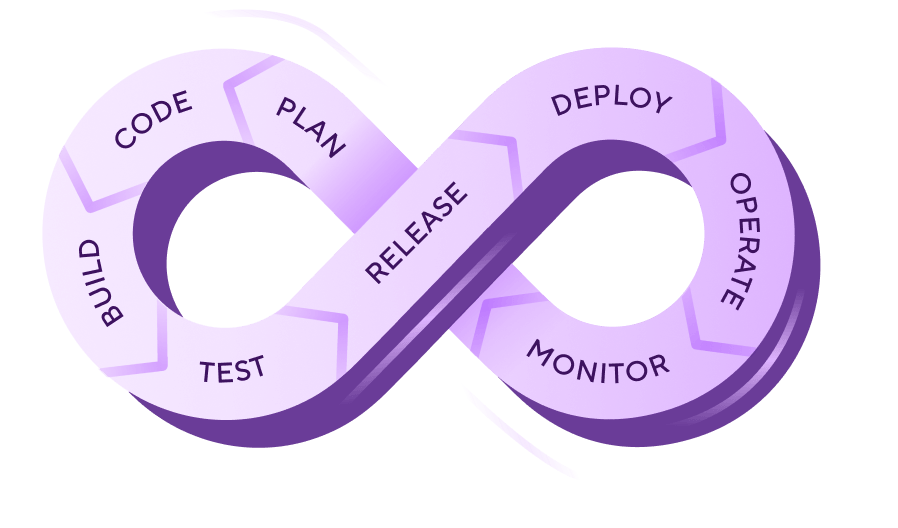

Introduction to DevOps and Software Development
In the rapidly evolving technology landscape, the concept of DevOps has emerged as a crucial methodology that aims to enhance the efficiency of software development processes. DevOps is a combination of practices and cultural philosophies that aims to bridge the gap between software development (Dev) and information technology operations (Ops). By fostering a culture of collaboration between these traditionally siloed teams, DevOps seeks to streamline processes while accelerating the delivery of high-quality software.
One of the primary goals of DevOps is to enhance collaboration and communication among development, operations, and other stakeholders involved in the software lifecycle. This collaboration eliminates misunderstandings and inefficiencies, allowing teams to work together more effectively on projects. Furthermore, the DevOps paradigm promotes the use of automation tools and continuous integration/continuous delivery (CI/CD) practices, which significantly improve deployment frequency and lead to faster release cycles.
In today’s high-paced tech environment, there is an increasing demand for quicker software production to keep up with market expectations and user demands. Businesses are recognizing that slower release cycles can hinder their competitiveness. The implementation of DevOps practices enables organizations to respond faster to changing market conditions and customer feedback, thus providing a distinct advantage over traditional software development methods.
Overall, DevOps represents a shift towards a more integrated and agile approach in software development, ensuring that the generated solutions are not only functional but also can be delivered rapidly and reliably. By embracing DevOps, organizations can facilitate faster time-to-market, enhance operational efficiencies, and ultimately achieve better business outcomes.
The Principles of DevOps
DevOps is grounded in a set of principles that significantly enhance the efficiency and speed of the software development lifecycle. At the core of DevOps are four key principles: continuous integration, continuous delivery, automation, and monitoring. Each of these principles plays a vital role in achieving the goals of DevOps.
Continuous integration (CI) refers to the practice of regularly merging code changes into a shared repository, which helps identify integration issues early in the development process. This approach encourages developers to incorporate their changes frequently, ensuring that the code remains in a deployable state. By doing so, the team can prevent the integration challenges that often plague traditional development methodologies.
Building on the concept of continuous integration, continuous delivery (CD) focuses on automating the entire release process. By ensuring that code is always ready for deployment, teams can deploy software faster and more reliably. Continuous delivery allows organizations to respond promptly to customer feedback, enabling a more agile approach to software development.
Automation is another critical element of the DevOps framework. Automating repetitive tasks such as testing, deployment, and infrastructure provisioning can significantly reduce the manual workload for development and operations teams. This not only speeds up the development process but also minimizes the risk of human errors.
Lastly, monitoring is essential in a DevOps environment. By continuously monitoring applications in real-time, teams can gather valuable insights into system performance and user experience. This data-driven approach enables teams to make informed decisions, optimizing the software post-deployment and ensuring a seamless user experience.
Moreover, successful implementation of DevOps principles necessitates cultivating a collaborative culture within teams. Fostering communication and collaboration between developers and operations teams cultivates a shared goal for software delivery, thereby aligning objectives and improving overall productivity.
Collaboration between Development and Operations Teams
The emergence of DevOps has fundamentally transformed the relationship between development and operations teams within software development cycles. Traditionally, these two groups operated within distinct silos, each with different priorities, tools, and timelines. This segregation often led to miscommunication, delays, and inefficiencies, ultimately stalling project lifecycles. With the implementation of DevOps practices, this paradigm is shifting towards fostering collaboration and enhancing productivity.
At the core of DevOps is the philosophy of shared responsibility. By integrating development and operations teams, organizations encourage a more holistic approach to software delivery. Cross-functional teams, comprising software developers, system operators, and other stakeholders, work collectively towards common goals. This unified structure not only promotes better communication but also enhances the ownership of the project outcomes. When individuals across disciplines collaborate, they are often more motivated to deliver high-quality software that aligns with stakeholder expectations.
One of the significant advantages of this collaborative environment is the acceleration of feedback loops. Continuous integration and continuous deployment (CI/CD) practices allow for instant feedback during development. When developers can communicate effectively with operations personnel, they gain insights into deployment challenges and operational performance, enabling quicker problem resolution. This feedback mechanism encourages innovation and adaptation, allowing teams to pivot rapidly in response to user needs or market demands.
The ability to work together seamlessly cultivates a culture of trust and mutual respect. Developers appreciate operational insights that inform coding practices, while operations staff gain a greater understanding of the development process. This shared knowledge base ultimately leads to a more efficient software development cycle, ensuring that teams can deliver products more quickly and reliably. By breaking down barriers between development and operations, organizations are better positioned to leverage their collective skills, drive efficiency, and accelerate time-to-market.
Automation: A Key Factor in Speeding Up Development
In the realm of DevOps, automation serves as a cornerstone that significantly accelerates the software development lifecycle. By automating repetitive tasks, organizations can streamline processes and allocate human resources to more value-adding activities. One of the primary areas where automation proves beneficial is in testing and deployment phases. Continuous Integration/Continuous Deployment (CI/CD) pipelines utilize automation tools to ensure that code changes are automatically tested and deployed, drastically reducing the time required to deliver software updates.
Moreover, the implementation of automated testing can improve the accuracy of results and minimize the chances of human error. With tools such as Selenium, JUnit, and TestNG, teams can create automated test cases that run every time new code is integrated. This frequent testing not only increases the reliability of the software but also facilitates faster identification and fixing of bugs, which are crucial for maintaining high-quality standards.
Deployment automation tools, such as Jenkins and Ansible, further extend the efficiency of the DevOps process. These tools not only automate the deployment sequences but also enable rollbacks in case of failures, thereby ensuring that the production environment remains stable and reliable. Additionally, configuration management tools like Chef and Puppet can automate the setup and maintenance of development environments, ensuring consistency across various stages.
In essence, the integration of automation in the DevOps practice is a vital strategy aimed at accelerating software delivery and enhancing collaboration among teams. By focusing on automation, organizations can minimize manual intervention, reduce the time spent on monotonous tasks, and ultimately improve both speed and quality of software development.
Continuous Integration and Continuous Deployment (CI/CD)
Continuous Integration (CI) and Continuous Deployment (CD) are vital components of modern software development practices, significantly enhancing speed and efficiency. CI refers to the practice of frequently merging code changes into a central repository, where automated builds and tests are performed. This process ensures that new code integrates smoothly with existing code, reducing integration issues and improving the overall quality of the software.
On the other hand, Continuous Deployment extends this concept to automatically deploy code changes to a production environment after successful testing. This automated deployment eliminates manual intervention, allowing for more frequent releases and faster iterations. Implementing CI/CD pipelines facilitates quicker feedback loops, enabling developers to address issues rapidly and improve software quality effectively.
Popular tools that support CI/CD pipelines include Jenkins, GitLab CI, Travis CI, and CircleCI. These tools automate the process of testing and deployment, ensuring that developers can focus on writing code rather than managing the deployment process. By leveraging these tools, teams can ensure that every code change is validated through rigorous testing, thus maintaining a high level of quality even as they speed up their release cycles.
Moreover, the integration of CI/CD promotes a culture of collaboration and accountability among development teams. As developers receive immediate feedback on their contributions, they are motivated to address issues promptly, ensuring a seamless workflow. This leads to an increase in deployment frequency, as teams can release updates and new features at a rapid pace without sacrificing quality.
In summary, CI/CD plays an essential role in expediting software development. By automating the integration and deployment processes, teams can achieve higher quality releases at an accelerated pace, enhancing overall productivity and enabling faster responses to changing market demands.
Monitoring and Feedback Loops in DevOps
In the realm of DevOps, the integration of monitoring and feedback loops plays a crucial role in enhancing software development efficiency. Continuous monitoring allows development teams to maintain a real-time overview of software performance and system health. By employing sophisticated monitoring tools, teams can identify irregularities or performance bottlenecks at an early stage, which enables prompt corrective actions. This proactive approach not only minimizes potential downtimes but also accelerates the overall development cycle.
Moreover, the effectiveness of monitoring in a DevOps environment extends beyond technical aspects. User feedback acts as a vital component of the iterative development process. As users interact with the software, their insights can illuminate critical areas that require improvements or adjustments. Integrating user feedback into the development loop facilitates a responsive development strategy. This approach ensures that the final product aligns with user expectations and requirements, fostering greater user satisfaction.
The synergy of continuous monitoring and user feedback creates an environment of agility and responsiveness within DevOps teams. As issues are detected and addressed in real-time, the development process becomes more fluid, accommodating changes without derailing progress. This iterative improvement framework empowers teams to refine their products continuously, ultimately leading to a more robust and user-centric software solution. Emphasizing the significance of these feedback loops can significantly influence both the velocity and quality of software delivery in a DevOps practice.
Measuring Success: Metrics of DevOps Efficiency
Measuring the success of DevOps implementations necessitates a focus on specific metrics that provide insights into efficiency and productivity within the software development lifecycle. Key metrics such as lead time, deployment frequency, mean time to recovery (MTTR), and change failure rates are significant indicators of the effectiveness of DevOps practices.
Lead time refers to the duration it takes for code changes to be developed and deployed into production. Reducing lead time is crucial as it indicates the team’s ability to deliver features rapidly, optimizing overall workflow. A decrease in this metric demonstrates enhanced collaboration and integration among teams, directly correlating with increased productivity.
Deployment frequency measures how often an organization releases new software versions or updates into production. High deployment frequency reflects a solid practice in continuous integration and continuous delivery (CI/CD), which are foundational elements of DevOps. Organizations can identify their release rhythm, which can often lead to faster user feedback and more frequent iterations based on real-world usage.
Mean time to recovery assesses the speed at which teams can restore service after a failure. A lower MTTR indicates an optimized incident response and effective troubleshooting processes. This metric illustrates the team’s resilience and ability to minimize downtime, further enhancing user satisfaction and operational reliability.
Lastly, change failure rates indicate the percentage of changes that fail post-deployment. A low change failure rate reflects thorough testing and validation in the development stages, showcasing a higher level of quality assurance within the release process. By continuously monitoring and analyzing these metrics, organizations can derive valuable insights into their DevOps practices, leading to targeted improvements and ensuring a robust software development lifecycle.
Challenges in Adopting DevOps Practices
Adopting DevOps practices presents organizations with a series of challenges that can hinder the successful implementation of this methodology. One of the most significant obstacles is the resistance to change from both management and staff. Employees may feel apprehensive about altering established workflows, leading to pushback when new practices are introduced. Such resistance can stem from a lack of understanding regarding the benefits of DevOps or fear of job insecurity as automation and continuous integration become prevalent.
Another challenge is the necessity for a cultural shift within organizations. DevOps emphasizes collaboration and communication between development and operations teams, which traditionally have operated in silos. To foster this new culture, organizations need to promote transparency and trust, encouraging cross-functional teams to take a shared responsibility for the software lifecycle. This cultural transformation requires persistent training and support to ensure that all employees are aligned with the core values of DevOps.
Choosing the right tools is also a critical hurdle in the journey to adopt DevOps practices. With the myriad of tools available—from continuous integration platforms to automated testing software—organizations may struggle to identify the solutions that best fit their specific needs. An incorrect tool selection can lead to inefficiencies, additional costs, and frustration within teams. To facilitate this process, organizations should conduct thorough assessments of their existing workflows and engage stakeholders in the decision-making process. By collaboratively selecting tools that integrate seamlessly into their development processes, organizations can streamline their path to effective DevOps implementation.
To address these challenges, organizations can implement strategic initiatives such as leadership endorsement for change, comprehensive training programs, and iterative tool evaluations. Such strategies can help transform resistance into acceptance, ensuring a smoother transition to DevOps practices.
Conclusion: The Future of Software Development with DevOps
In recent years, the software development landscape has undergone a significant transformation, largely driven by the adoption of DevOps practices. This shift has not only streamlined processes but also fostered a culture of collaboration between development and operations teams. The essence of DevOps lies in bridging the traditional gaps that often hinder the agile development of software, enabling organizations to deliver high-quality products at an unprecedented speed. As we move forward, the future of software development appears increasingly intertwined with the principles of DevOps.
Organizations that embrace DevOps are now better positioned to respond to market demands and changing user expectations. The continuous integration and delivery practices inherent in the DevOps methodology ensure that software updates and new features can be rolled out more quickly and reliably. This agility is critical in an era where businesses must adapt rapidly to remain competitive. The ongoing evolution of technology, particularly with the rise of artificial intelligence and machine learning, presents new opportunities to enhance DevOps practices, driving even further innovation in software development.
It is essential for organizations to recognize that adopting DevOps is not merely a trend, but a strategic necessity. As technology continues to evolve, the ability to adapt will directly correlate with an organization’s success. By fully integrating DevOps into their business models, companies can not only increase their operational efficiency but also significantly improve their responsiveness to customer needs, ultimately leading to enhanced user satisfaction. Looking ahead, the full potential of DevOps will likely become more apparent, as teams leverage automated tools and practices to streamline their workflows even further.
In conclusion, embracing DevOps will be crucial as businesses strive to enhance their software development processes. The commitment to continuous improvement, collaboration, and innovation will not only streamline development cycles but also ensure sustained competitiveness in a rapidly evolving digital landscape.