

Is Peanut Butter Good for You? Nutrition and Benefits
Peanut butter can be a healthy addition to your diet when you choose a minimally processed variety and keep portions realistic. It provides plant-based protein, unsaturated fats, fiber, and several essential vitamins and minerals. Its rich texture and satisfying flavor also make it an easy way to add energy to meals and snacks. However, not every jar is nutritionally equal because some products contain added sugar, salt, and hydrogenated oils. The healthiest choice is usually peanut butter made primarily from peanuts, with little or nothing else added.
Many people worry about peanut butter because it is calorie-dense. That concern is understandable, since a small serving can contain a meaningful amount of calories and fat. Yet calories alone do not determine whether a food is nutritious or helpful for your goals. Peanut butter can be filling and may help prevent the urge to keep snacking when paired with high-fiber foods. The key is treating it as a nutrient-rich food rather than eating several large spoonfuls without noticing the portion.
Peanut butter contains mostly unsaturated fat, the type of dietary fat generally considered more heart-friendly when used in place of saturated fat. It also contains some saturated fat, so balance still matters. The combination of fat, protein, and fiber slows digestion compared with highly refined snacks. This can help you stay full longer and support steadier energy levels. Pairing peanut butter with fruit, whole-grain toast, oats, or yogurt can create a more balanced snack.
It is important to remember that peanut butter is not suitable for everyone. People with peanut allergies should avoid it completely because even a small exposure can trigger a serious reaction. Those with certain digestive concerns may also find that rich, high-fat foods worsen symptoms. If you are following a calorie-controlled eating plan, measuring your serving can help prevent accidental overeating. Personal health needs always matter more than broad nutrition trends.
This guide explains peanut butter nutrition, potential benefits, possible disadvantages, and the best ways to include it in a balanced diet. It also covers the difference between natural peanut butter and highly processed versions. Whether your goal is heart health, weight management, muscle support, or simply a more satisfying snack, peanut butter can fit into many eating patterns. The best approach is to choose a quality product and enjoy it in sensible amounts. That makes peanut butter more than a convenient pantry staple—it can be a useful part of everyday nutrition.
Peanut Butter Nutrition Facts
A typical two-tablespoon serving of peanut butter contains roughly 180 to 200 calories. It usually provides around seven to eight grams of protein, along with healthy fats and a small amount of fiber. Exact nutrition varies by brand, especially when sugar, salt, oils, or flavorings are added. Natural peanut butter may separate in the jar because the peanut oil rises to the top. This separation is normal and does not mean the product has gone bad.
Peanut butter is a source of monounsaturated and polyunsaturated fats. These fats can support heart health when they replace foods high in saturated or trans fats. It is still an energy-dense food, so portion size matters even when the fats are beneficial. A two-tablespoon serving is enough for most snacks, smoothies, or sandwiches. Using a measuring spoon can make it easier to stay aware of your intake.
Protein is another reason peanut butter is popular with active people and busy families. While it is not as protein-rich as foods such as chicken, fish, eggs, Greek yogurt, or legumes, it contributes useful plant-based protein. Protein helps support muscle repair, fullness, and stable energy after eating. Combining peanut butter with other protein foods can make a meal more nutritionally complete. For example, peanut butter with Greek yogurt, milk, or chia seeds can boost the protein content of a snack.
Peanut butter also contains several micronutrients that support normal body functions. These include vitamin E, magnesium, phosphorus, niacin, and small amounts of zinc and potassium. Vitamin E acts as an antioxidant, while magnesium supports muscle, nerve, and bone health. Niacin helps the body convert food into energy and supports nervous system function. Peanut butter should not be your only source of these nutrients, but it can contribute to a varied diet.
The nutrition label is especially important when comparing products. Some peanut butter spreads include added sugar, palm oil, hydrogenated oil, extra sodium, or artificial flavors. These ingredients are not automatically harmful in small amounts, but they may make it easier to eat more calories without gaining additional nutritional value. Look for a short ingredient list that begins with peanuts. If you prefer added salt, choose a product with a moderate sodium level and use it as part of an overall balanced diet.
Health Benefits of Peanut Butter
One potential benefit of peanut butter is improved satiety, which means feeling satisfied after eating. Its mix of protein, fat, and fiber can make a snack more filling than foods made mainly from refined carbohydrates. This may help reduce mindless snacking between meals for some people. For example, an apple with peanut butter is often more satisfying than an apple alone. The combination provides crunch, sweetness, fiber, fat, and protein in one simple snack.
Peanut butter may also support heart-healthy eating patterns. Peanuts contain unsaturated fats that can be a better choice than foods rich in trans fats or large amounts of saturated fat. Replacing less nutritious snacks with nuts or nut butter may improve the overall quality of your diet. However, peanut butter does not cancel out the effects of an otherwise poor diet. It works best alongside vegetables, fruits, whole grains, lean proteins, and other nutrient-dense foods.
People who exercise may find peanut butter useful for adding calories and energy to meals. It can be blended into smoothies, spread on toast, mixed into oatmeal, or paired with a banana before or after activity. The carbohydrates from fruit or grains can provide quick energy, while peanut butter adds longer-lasting fuel. Because it is filling, some people prefer smaller amounts before intense exercise. Your best pre-workout snack depends on your digestion, timing, and type of activity.
Peanut butter can support a plant-forward diet because it provides protein and nutrients without animal products. It is naturally vegetarian and can fit into many vegan eating plans. It can also be a practical option for people who need affordable pantry foods with a long shelf life. Pairing it with whole grains or legumes across the day helps create a more varied amino acid intake. Variety remains important because no single plant food provides everything your body needs.
Another benefit is convenience. A jar of peanut butter requires no cooking, travels easily, and can turn a basic snack into something more satisfying. It works in sweet meals, savory sauces, smoothies, sandwiches, and baking. This versatility can make healthy eating easier when time is limited. The most nutritious routine is usually one you can actually maintain. Peanut butter can be helpful because it is familiar, accessible, and easy to use.
Is Peanut Butter Good for Weight Loss?
Peanut butter can fit into a weight-loss plan, but it is not a magic weight-loss food. Because it is high in calories, large servings can quickly add more energy than your body needs. At the same time, its protein, fat, and fiber may help you feel full and reduce cravings. This makes it more satisfying than many sugary snacks. The goal is not to avoid peanut butter automatically but to use portions intentionally.
A practical serving is usually one to two tablespoons, depending on your calorie needs and the rest of your meal. One tablespoon can be enough when you are adding it to oatmeal, a smoothie, or fruit. Two tablespoons may fit well in a balanced breakfast or post-workout snack. Eating directly from the jar can make portion control harder. Spoon your serving into a bowl or onto your food instead.
For weight management, what you pair with peanut butter matters. Combining it with fruit, oats, whole-grain bread, or plain yogurt can increase fiber and protein without relying on highly processed ingredients. Peanut butter paired with cookies, candy, sugary cereal, or sweetened spreads may be less filling and higher in added sugar. There is nothing wrong with enjoying treats occasionally. Still, most meals should support your broader nutrition goals.
Peanut butter may help some people avoid feeling deprived while dieting. Restrictive plans often fail because they remove foods people enjoy and leave them hungry. Including satisfying foods in reasonable portions can make an eating pattern easier to follow. Peanut butter has a rich flavor, so a small amount can feel indulgent. That can make healthier snacks more enjoyable and sustainable.
Weight loss depends on your overall calorie intake, activity level, sleep, stress, health conditions, and eating habits. Peanut butter is only one part of that larger picture. If you struggle with emotional eating, binge eating, or confusing nutrition rules, personalized guidance can be valuable. A registered dietitian can help you create a plan that includes foods you like. Sustainable results usually come from consistency, not from labeling foods as completely good or bad.
Possible Drawbacks of Peanut Butter
The main drawback of peanut butter is that it is easy to overeat. Its creamy texture and concentrated flavor can make several spoonfuls feel harmless, even though the calories add up quickly. This does not mean peanut butter is unhealthy. It simply means portions deserve attention, especially if you are trying to lose weight or manage blood sugar. Serving it with a meal or snack can be more satisfying than eating it alone.
Added sugar is another concern in some commercial peanut butter products. Sweetened spreads may taste appealing, but they can turn a nutrient-dense food into a more dessert-like option. Added sugar can be especially important to monitor if you have diabetes, insulin resistance, or a goal of reducing sugary foods. Check the nutrition label rather than assuming every product is the same. Natural or no-added-sugar peanut butter is often the simpler choice.
Sodium can also vary widely between brands. Salted peanut butter may still fit into a healthy diet, but frequent high-sodium food intake can be a concern for people with high blood pressure or certain kidney conditions. Unsalted peanut butter is an option if you are limiting sodium. You can also balance your day by choosing lower-sodium foods elsewhere. Nutrition is about patterns, not perfection in one ingredient.
Peanut allergies are a serious concern and require complete avoidance of peanuts and peanut-containing foods. Symptoms can range from hives and swelling to breathing difficulty and anaphylaxis. Anyone with a known peanut allergy should follow their allergy action plan and read food labels carefully. New symptoms after eating peanuts should be discussed with a healthcare professional. Do not test a suspected allergy at home.
Some people worry about aflatoxins, naturally occurring toxins that can develop on certain crops, including peanuts. Food safety systems monitor and regulate these risks, and commercially sold peanut butter is generally considered safe to eat. Buying from reputable brands and storing peanut butter properly is sensible. Do not eat products that smell rancid, show unusual mold, or are long past their safe storage period. For most people, the nutritional benefits of moderate peanut butter intake outweigh this concern.
How to Choose the Healthiest Peanut Butter
The healthiest peanut butter often has a very short ingredient list. Ideally, it contains peanuts, or peanuts and a small amount of salt. You may see natural peanut oil separation at the top of the jar, which is normal. Stirring it before use helps distribute the oil throughout the product. Refrigerating natural peanut butter after opening can help slow separation and preserve freshness.
Choose unsweetened peanut butter if you want to limit added sugars. Peanut butter naturally has a mild roasted flavor and does not need sugar to be enjoyable. If you prefer a sweeter taste, try pairing it with banana slices, berries, apple, or cinnamon. This adds flavor and nutrients without relying on a heavily sweetened spread. Small changes like this can improve the quality of everyday snacks.
Avoid products with partially hydrogenated oils whenever possible. These oils were historically used to keep peanut butter smooth and prevent separation. However, they can add unhealthy trans fats or signal a more processed product. Palm oil is not the same as partially hydrogenated oil, but some people choose to limit it for dietary or environmental reasons. Reading the label lets you make a choice that matches your priorities.
Texture is mostly a personal preference. Creamy peanut butter is easy to spread and blend into smoothies, while crunchy peanut butter provides extra texture. Both can be nutritious if the ingredient list is simple. Powdered peanut butter is lower in fat and calories, but it also may be less filling than traditional peanut butter. It can be useful in certain recipes, but it does not need to replace regular peanut butter unless it suits your goals.
Store peanut butter in a cool, dry place and check the jar for freshness before using it. Natural peanut butter may last longer in the refrigerator after opening, especially in warm kitchens. Always use a clean utensil to avoid introducing moisture or crumbs into the jar. If the peanut butter develops a sharp, bitter, or rancid smell, discard it. Proper storage helps protect both flavor and food quality.
Easy Ways to Add Peanut Butter to a Healthy Diet
Peanut butter and fruit are a simple, balanced pairing. Apples, bananas, pears, and celery all work well because they add fiber, water, and natural sweetness. This combination can be useful as an afternoon snack when you need something more filling than fruit alone. Keep the peanut butter serving modest and spread it rather than using a thick layer. That helps you enjoy the flavor without losing track of portions.
Adding peanut butter to oatmeal can create a more satisfying breakfast. Stir it into warm oats with berries, cinnamon, and chia seeds for a meal that contains fiber, healthy fat, and protein. You can also add a small spoonful to overnight oats. This may help you stay full longer than a bowl of sweetened cereal. Choose unsweetened oats when possible to keep added sugar lower.
A peanut butter smoothie can be helpful when you need a quick breakfast or post-workout option. Blend peanut butter with milk or a fortified plant-based alternative, banana, oats, and plain yogurt if desired. The result can provide carbohydrates, protein, and fat in one convenient drink. Adjust the portion based on your hunger and activity level. Smoothies can become calorie-dense quickly, so keep ingredients purposeful.
Peanut butter can also be used in savory meals. It adds richness to sauces, noodle dishes, stir-fries, and vegetable dips. Mixing peanut butter with lime juice, garlic, ginger, and a little soy sauce can create a flavorful sauce for vegetables or whole-grain noodles. This is an easy way to use peanut butter beyond sandwiches. Choose lower-sodium ingredients when possible if you are watching salt intake.
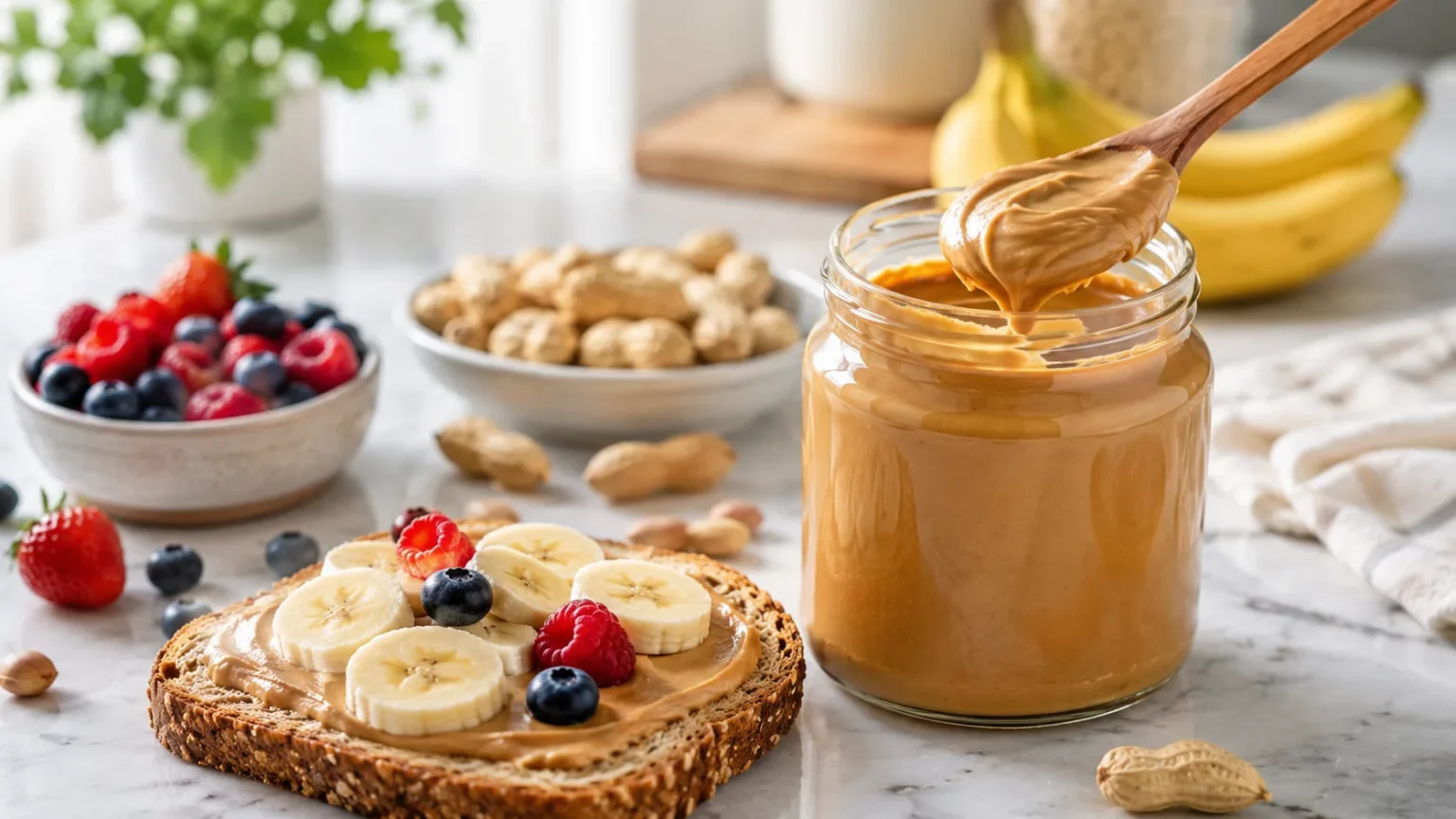
A classic peanut butter sandwich can still be part of a nutritious lunch. Use whole-grain bread and add sliced banana, berries, or a small amount of fruit spread without excess sugar. Pair it with yogurt, vegetables, or a piece of fruit for a more complete meal. This is especially practical for busy days when you need something fast and affordable. Simple foods can support good nutrition when they are put together thoughtfully.
Frequently Asked Questions
Is peanut butter good for you every day?
Yes, peanut butter can be eaten daily in a sensible portion, usually around one to two tablespoons. Choose an option with minimal added sugar and oils.
Is peanut butter healthy for weight loss?
It can be, because it is filling and provides protein and healthy fats. However, measuring portions is important because it is calorie-dense.
Is natural peanut butter healthier?
Natural peanut butter is often a better option because it usually contains only peanuts and sometimes salt. It generally has fewer added sugars and processed oils.
Is peanut butter good for muscle building?
Peanut butter can support muscle-building meals by adding calories, healthy fats, and some protein. Pair it with higher-protein foods for the best results.
Is peanut butter good for heart health?
When eaten in moderation, peanut butter’s unsaturated fats can support a heart-healthy diet. It is most beneficial when used instead of highly processed, high-saturated-fat snacks.