
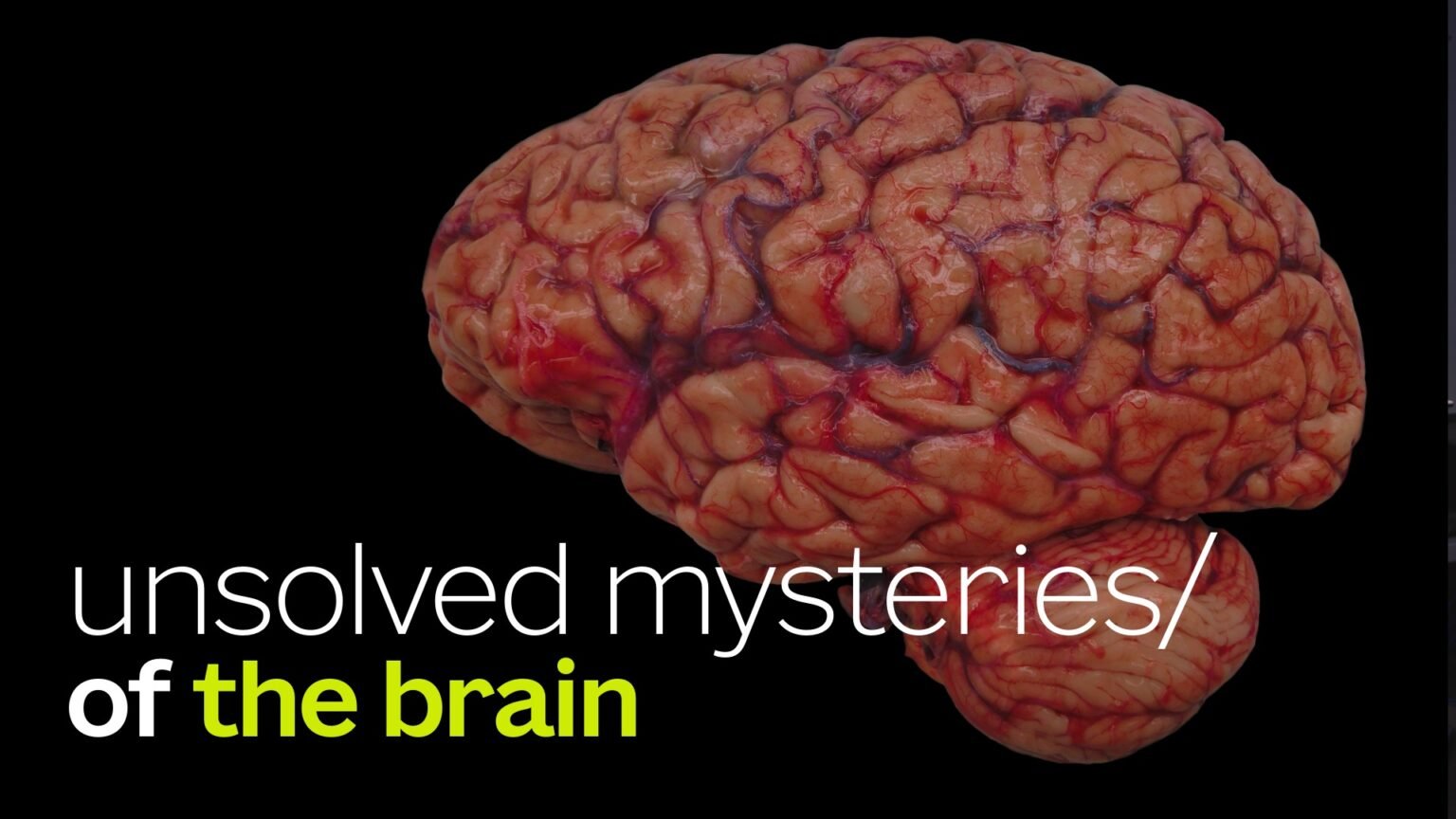

Introduction to the Human Brain
The human brain is one of the most complex and vital organs in the body, functioning as the central control unit for various physiological and cognitive processes. Comprised of approximately 86 billion neurons, the brain orchestrates everything from basic survival functions to intricate reasoning and emotional responses. Each neuron communicates through specialized junctions known as synapses, allowing for the rapid transmission of information throughout the nervous system. This intricate network is the basis for our thoughts, memories, and behaviors, underscoring the significance of the brain in defining human experience.
Structurally, the human brain can be divided into several key regions, each responsible for specific functions. The cerebrum, the largest part of the brain, is split into two hemispheres and is involved in high-level functions such as reasoning, problem-solving, and sensory processing. Directly beneath the cerebrum lies the cerebellum, which plays a crucial role in motor control and coordination. Additionally, the brainstem, which connects the brain to the spinal cord, regulates essential functions like heart rate and breathing.
Notably, the cerebral cortex, the brain’s outer layer, is divided into four lobes—frontal, parietal, temporal, and occipital—each contributing to distinct cognitive capabilities. The frontal lobe governs executive functions and decision-making, while the temporal lobe is integral for auditory processing and memory. As we delve deeper into understanding the human brain, we gain insights not only into its structure but also into the remarkable abilities and complexities of human behavior. Understanding these components is essential in exploring the mysteries of this life-sustaining organ, which not only enables us to interact with the world around us but also shapes our identity.
The Structure of the Brain
The human brain is an immensely complex organ, comprising multiple parts, each serving distinct yet interrelated functions. At a broad level, the brain can be divided into three primary components: the cerebrum, the cerebellum, and the brainstem. Understanding the structural organization of the brain is crucial for comprehending how it governs behavior, thought, and vital physiological processes.
The cerebrum, the largest part of the brain, is responsible for higher cognitive functions. It is comprised of two hemispheres, which are further divided into lobes: frontal, parietal, temporal, and occipital. Each lobe is associated with different functions; for instance, the frontal lobe facilitates decision-making and problem-solving, while the occipital lobe is primarily involved in visual processing. The cerebral cortex, a thin layer of neural cells that covers the cerebrum, plays a pivotal role in complex cognitive tasks such as perception, language, and reasoning.
Below the cerebrum lies the cerebellum, an important structure that coordinates voluntary movements and maintains balance and posture. The cerebellum is intricately involved in the timing and precision of movements, ensuring that our motions are smooth and coordinated. Despite its smaller size in comparison to the cerebrum, its role in motor control is indispensable.
Lastly, the brainstem, which connects the brain to the spinal cord, controls many of the body’s automatic functions, such as breathing, heartbeat, and blood pressure. It acts as a relay center for signals traveling between the brain and the rest of the body. The brainstem also plays a role in regulating sleep and consciousness, serving as a critical junction between higher brain functions and basic life-sustaining processes.
Neurons and Synapses: The Brain’s Communication Network
The human brain operates through an intricate network of neurons, which are specialized cells that transmit information throughout the body. Neurons communicate with one another through structures known as synapses, which serve as the junctions between the terminal end of one neuron and the receiving end of another. At these synaptic junctions, the transmission of signals is facilitated by various chemicals known as neurotransmitters.
When a neuron is activated, it generates an electrical impulse known as an action potential. This action potential travels down the axon of the neuron and reaches the synapse, where it triggers the release of neurotransmitters from vesicles located in the axon terminal. These neurotransmitters diffuse across the synaptic cleft and bind to specific receptors on the postsynaptic neuron. This binding can result in the generation of a new action potential in the receiving neuron, continuing the communication process.
The role of neurotransmitters is paramount in shaping the effects of synaptic transmission. Different types of neurotransmitters, such as dopamine, serotonin, and glutamate, each have distinct roles and effects on mood, cognition, and behavior. For instance, glutamate is primarily involved in excitatory transmission and is crucial for synaptic plasticity, a foundational mechanism underlying learning and memory.
The communication facilitated by neurons and synapses demonstrates profound implications for learning and memory. The ability of synapses to strengthen or weaken in response to activity, often termed synaptic plasticity, allows for the adaptation of neural circuits based on experiences. This adaptive capacity is critical, as it underpins the processes that contribute to the formation and retention of memories.
The Brain’s Plasticity: Adaptation and Learning
Neuroplasticity refers to the brain’s remarkable ability to adapt physically and functionally in response to experiences. This dynamic property enables the brain to reorganize itself by forming new neural connections throughout life. Neuroplasticity plays a crucial role in learning, as it involves the brain’s capacity to change based on environmental stimuli and acquired knowledge.
For example, when a person learns a new language or instrument, the brain undergoes structural changes. Studies have shown that musicians, for instance, demonstrate increased gray matter volume in areas associated with auditory processing and motor control. This illustrates the principle that the more we engage in particular activities, the more robust the corresponding neural networks become.
Neuroplasticity is also significant in recovery from brain injuries. After an incident such as a stroke, areas of the brain that have been damaged can often be rehabilitated through therapy and practice. The process might involve the recruitment of adjacent healthy brain regions to take over functions lost due to damage. This rehabilitative potential underscores the importance of tailored physical and cognitive therapies for individuals recovering from neural injuries.
Moreover, understanding brain plasticity has profound implications for education. Educators can leverage knowledge of neuroplasticity to develop teaching strategies that foster an adaptive learning environment. By encouraging active participation, problem-solving, and collaborative projects, educators can help stimulate neural pathways, promoting deeper learning and retention.
In therapy, practitioners utilize principles of neuroplasticity to design interventions that reshape maladaptive behaviors and cognitive patterns. Techniques such as cognitive-behavioral therapy (CBT) and mindfulness practices can create positive changes in brain function, enhancing emotional resilience.
Mysteries of Consciousness and Emotion
The human brain, a complex and intricate organ, governs consciousness and emotions, both essential facets of our existence. Understanding consciousness has remained one of the most profound mysteries in neuroscience and philosophy alike. Various theories have emerged to explain this phenomenon, such as the Global Workspace Theory, which posits that consciousness arises from the ability to access and share information across different regions of the brain, or the Integrated Information Theory, which suggests that consciousness is a fundamental aspect of information processing in the brain.
Emotions, closely linked to consciousness, are processed in several key areas of the brain, including the amygdala, prefrontal cortex, and insula. The amygdala plays a crucial role in the processing of emotional stimuli, particularly in recognizing and responding to fear. Conversely, the prefrontal cortex is essential for the regulation and control of emotions, enabling individuals to make reasoned decisions despite strong feelings. This interplay highlights the intricate relationship between our cognitive functions and emotional responses.
Additionally, emotions significantly influence cognitive processes such as memory, attention, and decision-making. For instance, emotional arousal can enhance memory retention, making salient events easier to recall, while anxiety may narrow attention and cloud judgment. The interactions between consciousness and emotions are pivotal, crafting our perception of reality and guiding our behavior.
In essence, the exploration of consciousness and emotion unveils not only the functional aspects of the brain but also the nuances of the human experience. As researchers continue to unravel these mysteries, a deeper understanding of how our emotions are interwoven with our conscious experience could lead to advancements in both psychological therapies and the enhancement of overall mental well-being.
Brain Disorders and Their Impact
The human brain is an intricate organ responsible for myriad functions, from cognition to emotion. However, various brain disorders can disrupt its functions, significantly impacting individuals and society. Among these conditions, Alzheimer’s disease, depression, and schizophrenia are notable for their prevalence and severity.
Alzheimer’s disease is a progressive neurodegenerative disorder predominantly affecting elderly individuals. It is characterized by memory loss, cognitive decline, and changes in behavior. As nerve cells in the brain gradually die, individuals often face challenges in recognizing loved ones, recalling recent events, and performing daily tasks. The societal impact of Alzheimer’s is profound, straining healthcare systems and caregivers, and increasing the emotional burden on families.
Depression is another prevalent brain disorder, affecting millions worldwide. It can manifest as persistent sadness, loss of interest in activities, changes in appetite, and difficulty concentrating. Various factors, including genetics, environmental conditions, and neurochemical imbalances, can contribute to its onset. The ramifications of depression extend beyond the individual, affecting productivity, relationships, and the economy due to increased absenteeism and healthcare costs.
Schizophrenia is a severe mental disorder that can alter an individual’s perception of reality, leading to distortions in thinking, emotions, and behavior. Common symptoms include hallucinations, delusions, and disorganized speech. The etiology of schizophrenia is complex, involving genetic predispositions and environmental triggers. As with other brain disorders, the societal impact is significant, with affected individuals often facing stigma, unemployment, and isolation.
Understanding these brain disorders is crucial for fostering empathy and promoting effective interventions. As research progresses, raising awareness about the symptoms, causes, and the overarching impact on daily life remains critical for supporting individuals affected by these complex conditions.
The Role of Technology in Brain Research
The field of brain research has witnessed significant advancements due to recent technological innovations, which have revolutionized our understanding of the brain’s complex functionalities and its intricate disorders. Among the most impactful tools are Magnetic Resonance Imaging (MRI), Electroencephalography (EEG), and various neurostimulation techniques, each contributing invaluable insights into the workings of the human brain.
MRI technology has transformed how researchers visualize and analyze brain structures in vivo. By using strong magnetic fields and radio waves, MRI scans provide high-resolution images of brain anatomy, allowing scientists to identify abnormalities associated with various neurological conditions. This non-invasive imaging technique has significantly enhanced our ability to detect structural changes in the brain, thereby facilitating early diagnosis and intervention strategies for conditions such as Alzheimer’s disease and multiple sclerosis.
EEG, on the other hand, captures the electrical activity of the brain through electrodes placed on the scalp. This method enables real-time monitoring of brain function, which is crucial in understanding brain activity during various tasks and states such as sleep or seizure activities. EEG offers critical insights not only in clinical settings but also in cognitive research, aiding in the assessment of brain responses to stimuli and in the study of neurological disorders such as epilepsy.
Furthermore, neurostimulation techniques, including transcranial magnetic stimulation (TMS) and deep brain stimulation (DBS), have opened new avenues for treatment and research. These methods allow scientists to modulate neuronal activity, which helps in both therapeutic and experimental contexts. For instance, TMS is being explored as a treatment for depression, while DBS has shown promise for managing movement disorders like Parkinson’s disease.
Overall, the integration of these advanced technologies in brain research ensures a comprehensive approach toward unraveling the complexities of brain functions and their associated disorders. As researchers continue to innovate, our understanding of the human brain will undoubtedly expand, offering the potential for breakthroughs in treatment and cognitive enhancement.
Future Directions in Brain Science
The field of brain science is on the cusp of numerous advancements, with emerging technologies and interdisciplinary approaches paving the way for unprecedented discoveries. Artificial intelligence (AI) is rapidly transforming how researchers understand the complexities of the human brain. By leveraging machine learning algorithms, scientists can analyze vast amounts of neuroimaging data more efficiently, potentially unveiling patterns that were previously undetectable. This synergy between AI and neuroscience is expected to accelerate our knowledge of neurological disorders and cognitive functions, ultimately leading to innovative therapeutic strategies.
Moreover, advancements in brain-computer interfaces (BCIs) are poised to revolutionize both communication and rehabilitation for individuals with severe neurological impairments. Technologies that allow direct communication between the brain and external devices could significantly enhance the quality of life for these individuals, providing new avenues for interaction and independence. The potential for BCIs extends beyond medical applications, prompting speculation about enhancements to cognitive capabilities in healthy individuals, blurring the lines between therapy and enhancement.
As brain research ventures further into these new frontiers, ethical considerations become paramount. The implications of manipulating brain function and cognition raise significant questions about identity, consent, and societal equity. For instance, disparities in access to cognitive enhancement technologies could exacerbate existing inequalities. Furthermore, the ethical considerations of using AI in neurological research—particularly regarding data privacy and algorithmic bias—necessitate a cautious approach. As we stand at the threshold of these advancements, a robust ethical framework will be essential to guide responsible research and application in brain science.
Conclusion: The Unsolved Mysteries of the Brain
The human brain, often referred to as the most complex organ in the body, continues to remain shrouded in enigmas, despite significant advancements in neuroscience. This blog post has explored several key aspects of brain function and structure, illuminating not only what is known but also the vast territories that require deeper exploration. From the intricacies of neural networks to the enigmatic nature of consciousness, each facet presents a pathway into a labyrinth of scientific inquiry.
One of the most compelling takeaways from our exploration is the pressing importance of continued research. Each discovery in neuroscience feeds into a larger tapestry of understanding that can profoundly influence various fields, such as medicine, psychology, and artificial intelligence. As researchers hone in on the brain’s operational mechanisms, they unravel clues that might eventually lead to groundbreaking treatments for neurological disorders, enhanced cognitive capacities, and even improved mental health strategies.
Moreover, the potential implications of deconstructing the brain’s mysteries extend far beyond academic interest. The answers we seek could revolutionize our approach to education, redefine societal norms, and lead to enhanced human performance and interaction. The ethical considerations that come with such advancements also warrant serious contemplation, as we must consider how to navigate the complex moral landscape that accompanies powerful new knowledge.
In summary, our journey into the mysteries of the human brain highlights both the significant strides made and the substantial unknowns that persist. As we move forward, it is essential to support and invest in neuroscience research, encouraging a new generation of scientists dedicated to unlocking the remaining secrets that govern human thought, emotion, and behavior. The quest to fully understand the brain is not just a scientific endeavor; it is a mission that holds the promise of redefining what it means to be human.