
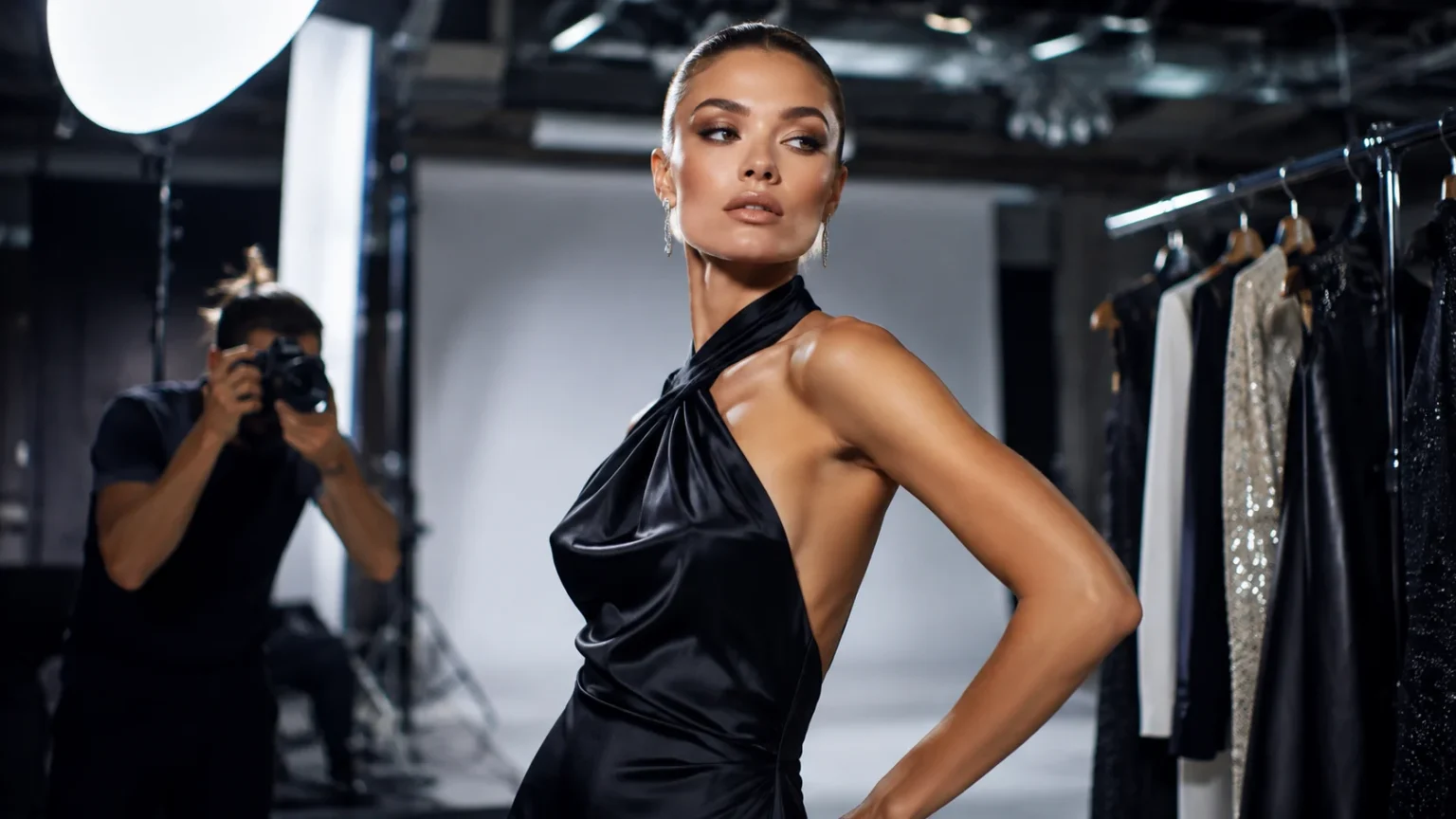

Fashion Modeling Explained: What Models Do and How the Industry Really Works
Fashion modeling is the professional presentation of clothing, accessories, beauty products, and fashion concepts through photography, video, runway shows, advertising, e-commerce, and other visual media. A fashion model helps designers, retailers, photographers, and brands communicate how a product looks, fits, moves, or feels. Although modeling is often associated with glamorous runway shows and magazine covers, the modern industry includes many different types of work, from online clothing catalogs and social campaigns to showroom presentations, fit modeling, beauty shoots, and commercial advertisements.
A model’s job involves much more than simply looking attractive in front of a camera. Professional models need to understand posing, body movement, facial expression, direction, lighting, clothing, and the creative concept behind a project. On a runway, a model may need to communicate the character of a collection through posture and movement. During an editorial shoot, the photographer may expect more experimental poses and expressions. For an online retailer, the focus might instead be showing a garment clearly and consistently so shoppers understand how it fits.
The fashion modeling industry also includes many professionals working behind the scenes. Modeling agencies represent talent and connect models with clients, while casting directors choose people who fit specific projects. Photographers, stylists, makeup artists, hair professionals, designers, creative directors, producers, and assistants all contribute to the final result. Successful models therefore need to work effectively within a team and understand that professionalism can be just as important as appearance when clients decide whom they want to book again.
Fashion modeling has also become broader than the traditional image many people associate with the profession. Runway fashion can still have restrictive sample-size expectations, but the wider modeling market includes commercial models, curve and plus-size models, mature models, petite models, fitness models, parts models, lifestyle talent, and creators who combine modeling with social-media work. E-commerce growth has also created steady demand for models who can present products naturally rather than fitting one narrow editorial aesthetic.
Understanding what fashion modeling is therefore means recognizing it as both a creative profession and a commercial service. Models help fashion companies turn clothing into visual stories and make products easier for customers to understand. Some models become internationally famous, but many successful professionals build careers through consistent catalog, campaign, showroom, commercial, and e-commerce work. The industry offers several career paths, and the best fit depends on a person’s look, skills, market, goals, professionalism, and the type of modeling they genuinely enjoy.
What Does a Fashion Model Actually Do?
A fashion model primarily helps present a designer’s or brand’s creative vision. The exact responsibility changes according to the job. During a photo shoot, the model may pose in several outfits while responding to instructions from the photographer and creative director. They may need to change expressions, body positions, or energy within seconds. One image might require confidence and intensity, while another needs softness, movement, or a relaxed everyday mood. Being able to change quickly makes a model more versatile and useful to clients.
On a runway, the model’s role is different. Their main responsibility is to present the clothes clearly while maintaining the attitude intended for the collection. The model must walk at the correct pace, follow choreography, stop or turn at designated points, and avoid distracting from the garment. Runway work can appear effortless from the audience, but models often spend hours attending fittings, rehearsals, hair and makeup preparation, and backstage organization before walking for only a few minutes.
E-commerce modeling focuses more heavily on the product itself. Online retailers need clear images that allow customers to understand a garment’s shape, length, fit, movement, and styling. Models may repeat similar poses across dozens of items during a single day. The work can be less theatrical than high-fashion editorial shoots, but consistency and efficiency are extremely important. An experienced e-commerce fashion model knows how to create small variations while ensuring that every product receives clear visual presentation.
Models may also work directly with designers before clothing reaches the public. Fit models try on sample garments so design teams can evaluate measurements, proportions, comfort, movement, and construction. Showroom models may present collections to buyers or private clients. These jobs receive less public attention than magazine covers but can provide reliable professional work. They also show that fashion modeling serves practical design and sales purposes in addition to creating glamorous imagery.
Professional behavior is part of the job in every category. Models are expected to arrive on time, follow instructions, take care of clothing, communicate respectfully, and maintain enough energy to complete demanding shoots or fittings. A beautiful portfolio may help someone get their first opportunity, but reliability often determines whether clients book them again. Professional modeling is ultimately a service industry where talent, adaptability, attitude, and dependability work together.
What Are the Main Types of Fashion Modeling?
Runway modeling is the category most commonly associated with high fashion. Runway models present collections during fashion shows for designers, luxury houses, fashion schools, retailers, and other brands. Traditional runway modeling has historically involved strict height and sample-size expectations because designers often create clothing samples in predetermined measurements. Requirements differ across markets and brands, however, and some designers deliberately cast models outside traditional standards to create a more diverse presentation.
Editorial modeling appears in fashion magazines, creative publications, lookbooks, and concept-driven photography. Editorial fashion models are often expected to communicate mood and storytelling rather than simply demonstrate a product. The poses may be unusual, the makeup experimental, and the clothing highly stylized. Editorial work can build a model’s image and reputation even when it does not pay as much as certain commercial jobs. Strong editorial images are frequently used to demonstrate versatility within professional portfolios.
Commercial modeling serves advertisements and consumer-facing campaigns. Commercial clients often seek people who appear relatable and naturally suited to their target audience. A clothing brand might want a friendly lifestyle image rather than the dramatic expression associated with high-fashion editorials. Commercial modeling can include apparel, beauty, travel, fitness, household products, technology, and many other industries. Because the market serves such broad audiences, commercial modeling generally includes a wider range of ages, body types, and appearances.
E-commerce and catalog modeling focus directly on selling products. Models pose in clothing for retailer websites, digital catalogs, marketplace listings, and product videos. The job requires consistent movement, predictable poses, and the ability to work quickly through many garments. Catalog modeling was historically associated with printed books and mail-order retailers, but e-commerce has transformed the category into a large digital field with continuous demand for fresh product imagery.
Other categories include fit modeling, showroom modeling, lingerie and swimwear modeling, fitness modeling, beauty modeling, curve modeling, petite modeling, mature modeling, and parts modeling. Some professionals work almost entirely within one specialization, while others combine several. There is no single path called “being a model.” Understanding the different categories helps aspiring models focus on the areas where their characteristics, interests, and strengths provide the best opportunities.
What Is Runway Modeling?
Runway modeling involves presenting clothing in live fashion shows. Models walk along a runway or through another designed presentation space while audiences, buyers, journalists, influencers, photographers, and customers view the collection. The model’s job is to make the clothing visible in motion while supporting the designer’s intended mood. Runway shows can range from intimate presentations in small studios to major international productions involving elaborate sets, lighting, music, and hundreds of guests.
Walking technique matters greatly. A professional runway model usually develops controlled posture, consistent rhythm, confident turns, and awareness of garment movement. Different designers may request different walking styles. One collection might require strong, serious movement, while another could use relaxed, theatrical, or unusual choreography. Models must adapt rather than relying on one signature walk for every show. They also need to manage difficult shoes, long dresses, unusual accessories, or complicated garments without allowing the audience to see their discomfort.
Before a show, models normally attend fittings so the design team can determine which outfit works best for their measurements and appearance. Clothing may be pinned, altered, or adjusted during this process. On show day, models can spend significant time in hair and makeup before rehearsals and final lineup checks. Backstage environments are often crowded and fast-moving, particularly when models have only moments to change between multiple looks.
Runway modeling is highly competitive because major fashion weeks attract models from many agencies and countries. Castings may involve walking briefly in front of casting directors, having photographs taken, and trying on sample clothing. Rejection is routine and does not necessarily mean a model lacks talent. A designer may simply be looking for a particular appearance, height, movement, or overall combination of personalities that fits the collection.
Although runway shows receive enormous media attention, they represent only one part of professional modeling. Some successful models rarely walk major runways but earn consistent income through advertisements, catalogs, commercial campaigns, or e-commerce. Runway modeling can build prestige and visibility, especially when working for influential fashion houses, but a sustainable modeling career does not require becoming a fashion-week star.
What Is Editorial Fashion Modeling?
Editorial modeling is focused on storytelling, creativity, and fashion imagery rather than straightforward product presentation. Editorial photographs commonly appear in fashion magazines, artistic publications, designer lookbooks, and online features. The styling can be experimental, and the model may need to communicate a specific character or emotion. Instead of simply showing that a jacket fits well, an editorial photograph might use the jacket as one part of a larger story about movement, architecture, identity, color, or culture.
Models working in editorial fashion need strong awareness of their bodies. Small changes in the angle of a shoulder, position of a hand, direction of the eyes, or shape of the neck can completely change an image. Experienced models learn how different poses appear through a camera rather than relying on how the position feels physically. This understanding is one reason professional modeling requires practice instead of simply being naturally photogenic.
Facial expression is equally important. A fashion editorial model may need to appear distant, confident, vulnerable, mysterious, playful, rebellious, or neutral depending on the creative concept. Photographers often ask for subtle emotional changes rather than dramatic acting. The model must respond while remaining aware of clothing, lighting, body position, and the photographer’s framing. This combination of physical and emotional control develops through repeated experience.
Editorial shoots are usually collaborative. The photographer, stylist, makeup artist, hairstylist, art director, and model all contribute to the final image. Models who understand how to communicate with creative teams often perform more effectively. They may receive unusual instructions such as creating more tension in their hands or giving a pose more movement. The ability to interpret abstract direction is valuable because fashion photography does not always involve simple commands.
Editorial work can be particularly valuable for building a strong portfolio. Even when compensation is lower than some commercial assignments, distinctive photographs can attract agency attention and show clients what a model can do creatively. For this reason, established models sometimes continue accepting editorial opportunities alongside more profitable campaigns. Editorial modeling helps build fashion credibility, while commercial work may provide more consistent financial returns.
What Is Commercial and E-Commerce Modeling?
Commercial modeling focuses on helping companies connect products with everyday consumers. The photographs usually need to feel approachable, believable, and relevant to the target audience. A commercial fashion campaign might show people walking through a city, enjoying a holiday, working in an office, exercising, or spending time with friends while wearing the advertised clothing. Models are therefore often selected because consumers can imagine themselves within the lifestyle being presented.
Commercial work generally allows more variety in appearance than traditional high-fashion runway modeling. Brands sell clothing to customers of different ages, sizes, backgrounds, and lifestyles, so their campaigns may need talent reflecting those groups. A commercial model could be a teenager, working-age adult, parent, older person, athlete, or someone with a distinctive personal look. The most important requirement is often whether the model convincingly communicates the intended customer identity.
E-commerce modeling is more controlled and repetitive. A retailer may need front, side, back, close-up, and moving views of every garment. Models might shoot dozens of products in a day, making efficiency essential. Clothing changes happen quickly, lighting stays relatively consistent, and poses need enough variation to remain natural without distracting from the product. This type of work can provide regular bookings because online retailers constantly introduce new inventory.
Video has become increasingly important as online customers want to see clothing in motion. Models may walk, turn, adjust sleeves, sit, or interact naturally while short product videos are recorded. This means modern e-commerce talent benefits from feeling comfortable both in still photography and moving images. The boundary between fashion model and content model has become less rigid as brands create more material for websites, social media, digital advertisements, and mobile shopping.
Commercial and e-commerce modeling may lack some of the prestige associated with luxury runway work, but these categories can offer valuable professional opportunities. Reliable models who work efficiently and suit a retailer’s customer base may be booked repeatedly. For many professionals, these regular assignments provide a stronger career foundation than occasional highly visible fashion shows.
What Skills Does a Fashion Model Need?
Posing is one of the most fundamental modeling skills. A model needs to understand how to create different shapes with their body while keeping clothing visible. The same pose will not work for every garment. A structured suit may require strong posture, while a flowing dress looks better when movement reveals the fabric. Models gradually build a mental collection of poses but must avoid repeating the same positions so often that every photograph looks identical.
Movement is another essential skill. Fashion photography increasingly includes walking, turning, jumping, dancing, or creating controlled motion because movement helps clothing feel alive. Models need to understand how fabric responds to different actions and how their body will appear during the fraction of a second when the photographer captures the image. Model movement techniques improve through practice, mirror work, test shoots, and careful review of final photographs.
Runway models need walking skills, but even models who never appear in fashion shows benefit from strong posture and body awareness. Good posture can make garments fall correctly, while confidence changes how a person appears on camera. Models also need balance and coordination because shoots may involve unusual shoes, complicated sets, outdoor locations, or poses that are physically uncomfortable despite appearing effortless.
Communication and listening are equally valuable. Modeling involves taking direction from several people who may describe the same concept differently. A photographer might want more energy while a stylist needs the model to protect the shape of a garment. The model needs to absorb these instructions without becoming overwhelmed. Being easy to direct can make a significant difference when clients choose whom to hire again.
Professionalism brings all these skills together. Arriving punctually, being prepared, behaving respectfully, protecting client products, maintaining appropriate boundaries, and responding professionally to feedback contribute to a successful reputation. Fashion is a relationship-driven industry, and people remember whether working with someone was efficient and positive. Successful fashion models therefore need dependable work habits alongside their visual and performance abilities.
Do Fashion Models Need Specific Height, Weight or Measurements?
There is no universal measurement requirement covering every form of modeling. Traditional high-fashion runway and editorial markets often work with sample clothing created around particular body measurements, which can make height and sizing more restrictive. Agencies representing runway talent may therefore look for certain proportions because models need to fit garments produced before casting begins. These expectations differ between womenswear, menswear, individual agencies, designers, and geographic markets.
Commercial modeling is generally more flexible. Advertising clients want to represent customers who actually purchase their products, creating opportunities for people across broader ranges of height, age, body shape, and appearance. Lifestyle campaigns may prioritize personality and relatability over traditional runway measurements. As fashion companies expand size ranges, some commercial and e-commerce campaigns also require models who represent those customers accurately.
Plus-size and curve modeling has created additional professional categories, although size representation in major runway fashion remains limited compared with the diversity of real consumers. Curve models can work in e-commerce, advertising, editorials, lingerie, swimwear, and runway projects. The important point is that someone who does not match traditional high-fashion sample measurements should not automatically assume modeling is unavailable to them.
Petite modeling also exists, especially in commercial, beauty, lifestyle, and e-commerce markets. A person may not meet conventional runway height expectations but can still photograph extremely well. Parts modeling goes even further because clients may hire models specifically for hands, feet, legs, hair, eyes, or other features used in advertisements. Different markets value completely different physical characteristics.
Aspiring models should therefore avoid changing their bodies aggressively simply to match one category. A better approach is identifying where their natural characteristics fit commercially and discussing realistic opportunities with reputable agencies. Healthy, sustainable self-care matters more than chasing measurements for a market that may not suit them. The modern modeling industry contains several paths, and one person’s limitation in runway work can be irrelevant in another category.
How Do Fashion Models Build a Portfolio?
A modeling portfolio is a carefully selected collection of photographs showing a model’s appearance, range, movement, expressions, and ability to work with different fashion styles. It should help agencies and clients understand what the model looks like and how effectively they photograph. A strong portfolio does not need dozens of images. Several excellent photographs showing genuine variety are usually more useful than a large collection of repetitive or heavily edited pictures.
Beginners often start with simple model digitals, sometimes called polaroids. These are straightforward photographs taken in natural or clean lighting with minimal styling and little or no heavy editing. Agencies use digitals because they want to see the person’s current appearance without elaborate makeup, retouching, fashion styling, or unusual camera effects. Clear front, side, full-length, and close-up images can be more useful for initial agency submissions than an expensive artistic shoot.
Professional test shoots can then build the creative side of a portfolio. Models may collaborate with photographers, stylists, and makeup artists to create images that demonstrate different moods. One shoot might be clean and commercial, while another shows editorial movement or beauty close-ups. Every new image should add something rather than simply showing another version of the same pose and outfit.
Quality matters more than expensive locations or designer clothing. Good lighting, clear photography, strong posing, appropriate styling, and professional retouching can create valuable portfolio images without enormous budgets. Beginners should also be cautious about people demanding large upfront payments for mandatory portfolio packages while guaranteeing agency representation. Reputable opportunities should be evaluated carefully before spending significant money.
A portfolio should evolve as a model’s career develops. Early photographs may no longer represent current hair, body, style, or professional ability. Models gradually replace weaker images with stronger campaigns, editorials, or test photographs. A good fashion modeling portfolio is therefore not a one-time project; it is an ongoing visual résumé demonstrating the strongest and most relevant work available.
What Is a Modeling Agency and What Does It Do?
A modeling agency represents models and helps connect them with clients who need talent. Agencies develop relationships with designers, photographers, casting directors, advertising companies, retailers, magazines, and production teams. When a client requests a particular type of model, the agency can recommend suitable people from its roster. This makes agencies important intermediaries between models and the companies hiring them.
A reputable agency may help a new model develop their portfolio, understand the market, prepare for castings, and determine which types of jobs suit them. The agency can also negotiate rates, usage rights, schedules, travel terms, and other contractual details. Established agencies understand what different clients normally pay and can protect models from accepting unreasonable conditions simply because they are inexperienced.
Models generally compensate agencies through commissions on paid work rather than treating an agency as an ordinary modeling school. Exact arrangements vary by country and contract, so every model should read agreements carefully. Questions about commission, expenses, exclusivity, contract length, termination, image usage, and travel should be understood before signing. Modeling agency contracts are professional agreements and should not be treated casually.
Agencies do not guarantee constant employment. A model can be signed and still experience quiet periods because bookings depend on client demand. Representation provides access and professional management, but models must still attend castings, maintain their portfolios, perform well, and build relationships. Some markets are extremely competitive, and even agency-represented models regularly hear no.
Not every working model needs traditional agency representation, particularly in commercial, local, freelance, or creator-based markets. Some professionals find work through direct relationships with photographers and brands. However, major fashion markets often rely heavily on established agencies because clients want experienced talent management. Whether representation is necessary depends on the modeling category, location, goals, and level of work being pursued.
How Do Fashion Model Castings Work?
A casting is essentially an audition where clients or casting directors evaluate whether a model fits a specific job. Agencies may send models to in-person castings, request digital submissions, or arrange video auditions. The model may provide photographs, measurements, availability, and previous work before being invited. Large fashion shows can see many candidates competing for relatively few positions.
For an in-person casting, models are generally expected to arrive looking relatively natural unless specific instructions say otherwise. The purpose is often to allow the team to evaluate the person’s face, body, movement, and fit with the collection. Runway castings may involve walking in front of a casting team, while commercial auditions could include smiling, speaking, acting naturally, or performing a small scenario.
Models may also try on clothing during fittings or callbacks. A designer needs to see whether the garment works with a particular person’s proportions and movement. Someone may have an excellent walk but not fit the available sample clothing, while another model may be selected because their overall energy complements the rest of the cast. These decisions involve many variables outside the model’s control.
Rejection is therefore normal. Professional models can attend several castings without receiving a booking. A rejection does not necessarily mean someone performed badly or lacks potential. The client may have already booked someone similar, changed the creative direction, required different measurements, or simply felt another person completed the desired group more effectively. Developing emotional resilience is essential in an industry built around frequent subjective decisions.
Models should remain professional regardless of the outcome. Being punctual, following casting instructions, treating staff respectfully, and leaving without arguments builds a better reputation than trying to challenge every decision. Casting teams may remember models for future projects even when they are not right for the current one. A successful modeling career depends partly on understanding that one rejection rarely defines long-term potential.
How Can Someone Become a Fashion Model?
The first step is identifying the modeling market that genuinely suits you. Someone interested in runway work should research agencies and designers operating within that field, while a person suited to commercial or lifestyle modeling may need a different type of representation. Look at models already working for agencies in your region and compare the types of clients, campaigns, ages, and appearances being represented. Research provides much more useful guidance than assuming all modeling works the same way.
Take simple, accurate digitals before spending heavily on a professional portfolio. Wear clothing that allows agencies to see your proportions clearly, use natural lighting where possible, and avoid excessive makeup, filters, or dramatic editing. Agencies need to see what you actually look like. Include photographs from appropriate angles and follow each agency’s submission instructions rather than sending a generic package to everyone.
Submit directly to reputable modeling agencies through official websites or verified channels. Many agencies have online forms where aspiring models can upload images and measurements. Others hold scheduled open calls. Be cautious with unsolicited social-media messages from people claiming they can guarantee international careers, particularly when they immediately request money, private photographs, travel, or sensitive personal details.
If an agency expresses interest, ask questions before signing. Understand the contract, commissions, expenses, market expectations, and whether the representation is exclusive. Young models should involve a parent or legal guardian and follow applicable laws. Adults can also benefit from independent advice when reviewing complicated agreements. Professional ambition should never require ignoring personal safety or signing documents you do not understand.
Once represented or working independently, focus on developing actual modeling ability. Practice posing, walking, expressions, movement, and communication. Attend legitimate test shoots, build a stronger portfolio, learn from feedback, and treat every booking professionally. Becoming a fashion model usually happens through gradual development rather than being instantly discovered and transformed into a celebrity.
What Is a Typical Day Like for a Fashion Model?
There is no truly typical day because modeling schedules depend on the job and stage of someone’s career. One day may involve a five-minute casting, while another requires twelve hours on set. A runway model during fashion week might attend multiple castings, fittings, rehearsals, and shows in one day. An e-commerce model may spend an entire shift changing through dozens of garments in the same studio.
A photo-shoot day usually starts with call time, followed by hair, makeup, wardrobe preparation, and creative discussion. The model may then work through several outfits or concepts while photographers and stylists continually adjust details. Even when individual photographs look relaxed, producing them can require many repeated movements and long periods of standing. Fashion shoots can be physically demanding, particularly when working outdoors, in uncomfortable clothing, or under strong studio lighting.
Waiting is also part of the profession. Models may spend significant time waiting for makeup, lighting changes, set construction, garment alterations, or creative decisions. Professionalism means remaining prepared even when the schedule changes. Bringing appropriate essentials, protecting energy, and staying organized can make long production days much easier.
Freelance responsibilities continue beyond the shoot itself. Models may update portfolios, communicate with agents, submit castings, track payments, organize travel, maintain social profiles, attend appointments, and manage tax or business records. International models can also spend significant time traveling between markets. The visible portion of modeling represents only part of the work involved.
The lifestyle can therefore be less glamorous than photographs suggest. Early mornings, uncertain schedules, repeated rejection, travel, waiting, and physically demanding work all exist alongside exciting campaigns and creative opportunities. People who enjoy collaboration, fashion, performance, and constantly changing environments may find the profession rewarding, but understanding the everyday realities helps create more realistic expectations.
How Important Are Social Media and Digital Portfolios for Models?
Social media has significantly changed how models are discovered and marketed. Agencies and casting professionals can now see a person’s appearance, interests, personality, and audience without meeting them first. Instagram and similar platforms can function as informal extensions of a modeling portfolio, particularly for commercial, lifestyle, beauty, and creator-led campaigns. However, a large follower count is not required for every professional modeling job.
Models should distinguish between their professional modeling portfolio and personal social-media presence. A portfolio is carefully selected to demonstrate professional ability, while social media can reveal more personality and everyday style. Some clients value models who already have engaged audiences because those individuals can contribute additional marketing reach. Other clients care only about whether the model fits the visual requirements of the campaign.
Digital casting has also become more common. Models may submit current photographs, introduction videos, walking clips, or self-taped auditions without traveling to an initial casting. This can make opportunities more accessible across different locations, but it also means models need basic skills in creating clean, accurate digital material. Good lighting, clear framing, and following instructions matter more than expensive production.
Social media creates risks as well. Fake agents and photographers can easily create convincing profiles or impersonate legitimate professionals. Models should verify identities before meetings, review agency websites independently, and be cautious about requests for private images or payments. Meeting arrangements should prioritize safety, particularly when the person offering work has no verifiable professional history.
The future of modeling will likely involve even more overlap between models, creators, influencers, and digital personalities. However, traditional modeling skills remain valuable. A strong online presence cannot replace the ability to pose, move, follow direction, and work professionally on set. The most versatile modern talent understands both fashion modeling and digital communication without assuming the two are exactly the same profession.
Is Fashion Modeling Becoming More Diverse and Inclusive?
The wider modeling industry has become more open to different ages, body types, identities, disabilities, and appearances than the narrow stereotype traditionally associated with fashion modeling. Commercial advertising and e-commerce have played particularly important roles because brands want customers to recognize themselves in campaigns. Retailers serving broad populations increasingly need models who represent the people actually purchasing their products.
Curve and plus-size modeling have also become established professional categories. Brands selling extended sizing need models who can present those garments accurately. Mature modeling offers opportunities for adults and older models in fashion, beauty, healthcare, lifestyle, travel, and luxury advertising. Inclusive modeling also includes people with visible differences and disabilities, although access and representation remain inconsistent across the industry.
High-fashion runways have progressed much more unevenly. Sample sizing still encourages brands to cast predominantly straight-size bodies because clothing is produced before the final model selection. Creating multiple sample sizes requires additional planning and investment. As a result, the body diversity seen in mainstream consumer advertising is not always reflected proportionally within major runway seasons.
Diversity is also about more than body size. Fashion has increasingly recognized the importance of representing different ethnic backgrounds, skin tones, gender expressions, ages, cultures, and identities. Authentic inclusion requires more than casting one diverse model for a campaign. It involves consistent representation across runway shows, advertising, e-commerce, creative teams, products, and the sizes actually offered to customers.
Aspiring models should therefore understand both the progress and the limitations. Opportunities are broader than they were under older industry standards, particularly outside traditional high fashion, but some markets remain extremely narrow. The most useful approach is finding agencies and clients whose actual work demonstrates space for your characteristics rather than changing yourself to meet an outdated stereotype.
How Much Do Fashion Models Earn?
Fashion-model earnings vary enormously. Some models receive relatively modest rates for local e-commerce work, while internationally recognized models can earn substantial amounts through major advertising campaigns, brand contracts, beauty deals, and licensing arrangements. There is no reliable universal salary because models are often paid per booking rather than receiving traditional fixed wages. Market size, experience, client, usage rights, and exclusivity all influence rates.
Commercial advertising can sometimes pay more than editorial fashion work because brands are purchasing the right to use a model’s image to sell products. An advertisement used internationally across websites, billboards, stores, and social media has greater commercial value than an image appearing once in a small publication. Contracts therefore often distinguish between the fee for attending the shoot and additional payments related to image usage rights.
Editorial and runway work can provide prestige without always producing the highest immediate income. A major magazine feature or runway appearance may strengthen a model’s profile and lead to more valuable campaigns later. This creates an unusual career structure where a highly prestigious job can occasionally pay less than a relatively anonymous commercial assignment. Models and agencies often consider both financial value and career value when accepting opportunities.
Agency commissions, taxes, transportation, accommodation, portfolio development, and other professional expenses can reduce gross earnings. Models traveling internationally may also have advances or expenses that need to be repaid through future bookings depending on their agreements. Understanding statements and contracts is therefore essential. A large booking fee does not always equal the amount eventually reaching the model.
Income can also be unpredictable. Busy months may be followed by periods with few bookings. Models therefore benefit from learning basic financial management rather than assuming current earnings will continue permanently. A sustainable fashion modeling career requires understanding both creative opportunities and the business side of working as independent professional talent.
What Are the Advantages and Challenges of Fashion Modeling?
One major advantage of modeling is access to creative environments. Models may work with talented designers, photographers, stylists, makeup artists, and other professionals while experiencing different forms of visual storytelling. Every project can introduce new clothing, locations, concepts, and teams. People who dislike repetitive office routines may enjoy the variety offered by fashion production.
Travel can also be an opportunity. Models working internationally may spend time in major fashion centers or travel to campaign locations. Exposure to different cities and cultures can be personally and professionally valuable. However, travel also has a less glamorous side involving airports, unfamiliar accommodation, missed home events, schedule changes, and the need to adapt quickly to new working environments.
Rejection is one of the profession’s biggest emotional challenges. Casting decisions often depend on characteristics models cannot control, including height, measurements, facial features, age, or resemblance to other people already selected. Someone can perform perfectly and still lose the job. Models need enough confidence to separate professional casting decisions from their overall self-worth.
Unpredictable employment creates another challenge. Freelance modeling work can fluctuate according to seasons, economic conditions, fashion trends, personal demand, and location. Building reliable relationships and diversifying into commercial, e-commerce, beauty, or creator work can provide greater stability, but there are rarely guarantees. Successful models learn to think about careers strategically rather than relying entirely on one type of booking.
The industry can also create pressure around appearance. Models should work with reputable professionals who respect health and boundaries rather than encouraging unsafe behavior. A career that requires damaging physical or mental well-being is not sustainable. Understanding contracts, maintaining support systems, recognizing exploitative situations, and setting personal boundaries are important parts of navigating the industry responsibly.
How Can Aspiring Models Avoid Scams and Unsafe Situations?
One major warning sign is guaranteed success. No legitimate professional can honestly guarantee that someone will become famous, earn a particular income, or immediately book major fashion campaigns. Modeling depends on client decisions, market demand, skill, appearance, and timing. Anyone promising guaranteed celebrity in exchange for a large payment should be treated cautiously.
Fake agencies may demand substantial upfront fees before explaining what representation actually involves. Some legitimate expenses can exist in professional modeling, but aspiring talent should investigate every charge carefully. Search for the agency independently, check whether it represents working models, review its clients, and contact it through verified channels. Never rely only on a social-media account created by the person contacting you.
Be especially cautious with requests for revealing photographs. Legitimate agencies can evaluate basic potential from appropriate digitals and do not need compromising images from an unknown applicant. Young aspiring models should always involve parents or guardians, and adults should also tell trusted people where they are going when meeting photographers or industry contacts for the first time.
Contracts deserve careful review. Do not sign immediately because someone creates artificial urgency. Understand the commission, exclusivity, expenses, duration, termination terms, and image rights. If something is unclear, ask questions or seek appropriate professional advice. Model safety includes financial and legal protection as well as physical safety.
Finally, trust reasonable instincts. Professional fashion sets should have identifiable clients, production teams, schedules, and clear expectations. If a situation suddenly changes into something very different from what was agreed, you are allowed to question it or leave. Ambition does not remove the right to boundaries. A legitimate modeling career should be built through professional relationships rather than pressure, secrecy, or fear.
What Is the Future of Fashion Modeling?
Fashion modeling is becoming increasingly digital. E-commerce continues creating demand for still images, video, product demonstrations, live shopping, social campaigns, and other forms of online content. Models who can work comfortably across photography and video are therefore becoming especially useful. The ability to shift between a clean product pose and natural social-media movement can expand professional opportunities.
Artificial intelligence and virtual imagery are also entering fashion production. Some brands experiment with digital models, AI-generated images, virtual try-on tools, and computer-generated environments. These technologies may change certain types of repetitive product imagery, but they also create questions about consent, likeness rights, authenticity, jobs, and how audiences respond to artificial representations of clothing.
Real human models are likely to remain valuable because fashion is ultimately about how products relate to people. Customers want to understand fit, movement, emotion, identity, and lifestyle. Human faces and bodies communicate these qualities in ways that purely technical product images often cannot. The role of the model may evolve toward more video, personality, storytelling, and creator-style work rather than disappearing.
The definition of a successful model may also become broader. Traditional supermodels built careers through magazine covers, catwalks, and major advertisements. Today’s professionals can combine agency modeling, e-commerce, social audiences, entrepreneurship, acting, content creation, and brand partnerships. Modern fashion modeling increasingly rewards people who understand how their image functions across several types of media.
At the same time, core professional skills will remain important. Technology cannot remove the need for reliability, communication, movement, posing, confidence, and understanding the product being presented. The tools surrounding modeling will change, but brands will continue needing people who can translate clothing into engaging visual communication. Aspiring models who combine traditional skills with digital adaptability will be well positioned for that evolving industry.
Conclusion: Fashion Modeling Is More Than Looking Good in Clothes
So, what is fashion modeling? Fashion modeling is the professional presentation of clothing, accessories, beauty products, and fashion concepts through runway shows, photography, e-commerce, advertisements, video, and other visual media. Models help designers and brands communicate how products look, move, fit, and connect with a particular lifestyle or creative idea.
The profession includes far more than traditional catwalk modeling. Runway, editorial, commercial, e-commerce, fit, showroom, beauty, curve, mature, fitness, and parts modeling all create different career opportunities. Each category values different characteristics, which means someone who does not fit conventional high-fashion requirements may still have significant potential in another area.
Successful modeling also requires skills. Posing, movement, facial expression, walking, communication, body awareness, adaptability, and professionalism can all be learned and improved. Attractive photographs may open a door, but consistent work usually depends on whether a model can follow direction, collaborate with creative teams, remain reliable, and deliver what clients need.
Aspiring models should approach the industry professionally from the beginning. Take clear digitals, research legitimate agencies, understand your market, build a strong portfolio gradually, learn modeling techniques, and read contracts carefully. Be cautious about anyone guaranteeing fame or requesting large payments and inappropriate photographs before demonstrating legitimate industry credentials.
Ultimately, fashion modeling is both a creative art and a professional business. Models turn static garments into visual stories, help customers understand products, and contribute to the identity of fashion brands. Celebrity may be the most visible part of the industry, but a successful modeling career is usually built through skill, professionalism, patience, resilience, safe working practices, and the ability to adapt as fashion and media continue changing.
Frequently Asked Questions About Fashion Modeling
What is fashion modeling in simple words?
Fashion modeling is the professional presentation of clothing, accessories, and beauty products for fashion shows, photographs, advertisements, websites, and videos. Models help brands show customers how fashion products look and move.
What are the main types of fashion models?
The main categories include runway, editorial, commercial, e-commerce, catalog, fit, showroom, beauty, curve, petite, mature, fitness, and parts modeling. Requirements and opportunities differ considerably between categories.
Do you have to be tall to become a fashion model?
Traditional runway modeling often favors specific height ranges because of fashion sample sizing, but many other modeling categories are more flexible. Commercial, e-commerce, beauty, lifestyle, and parts modeling can offer opportunities across wider height ranges.
How do beginners start fashion modeling?
Beginners can take simple natural digitals, research reputable agencies, submit through official agency websites, practice posing and movement, and gradually build a portfolio. Avoid companies promising guaranteed modeling careers for large upfront payments.
Is fashion modeling a good career?
Fashion modeling can offer creative work, travel, valuable connections, and strong earnings for some professionals, but it is highly competitive and income can be unpredictable. Success usually requires resilience, professionalism, business awareness, and realistic expectations.