

Introduction to Wearable Technology
Wearable technology refers to a category of electronic devices that are designed to be worn on the body, either as an accessory or as part of clothing. These technologies typically incorporate sensors and computing capabilities, enabling them to collect data, monitor user activity, and facilitate communication. Common examples of wearable technology include smartwatches, fitness trackers, and smart clothing. Smartwatches, such as those produced by companies like Apple and Samsung, enable users to receive notifications, track health metrics, and interact with other applications directly from their wrist.
Fitness trackers, on the other hand, are specialized devices aimed primarily at monitoring physical activity, sleep patterns, and overall health. Brands like Fitbit and Garmin have popularized this type of wearable technology, providing consumers with insights into their fitness journeys. Moreover, advancements in smart clothing have emerged, integrating technology directly into fabrics to monitor physiological data such as heart rate, muscle activity, and even stress levels. This evolution demonstrates the innovative potential of wearable technology.
The trajectory of wearable technology can be traced back to the early 2000s, when devices like PDAs began to integrate basic fitness tracking features. In recent years, however, the pace of development has accelerated dramatically, driven by advancements in microelectronics, battery technology, and connectivity. As a result, wearable devices are now equipped with more advanced sensors and longer-lasting batteries, enhancing their functionality and usability.
As wearable technology continues to evolve, its significance in modern society becomes increasingly apparent. Not only does it encourage healthier lifestyles through data-driven decisions, but it also enhances connectivity and communication in ways that were previously unimaginable. From health monitoring to personalized data analytics, the impact of wearable technology is reshaping how individuals interact with their health and the world around them.
Health and Fitness Benefits
Wearable technology has transformed the landscape of personal health and fitness management. Devices such as smartwatches and fitness trackers are equipped with an array of features, offering real-time insights into an individual’s health metrics. One of the most significant benefits of these wearable devices is their ability to monitor heart rates during various physical activities. This functionality not only helps in tracking workout intensity but also provides crucial data for improving cardiovascular health.
Additionally, sleep tracking is another prominent feature of wearable devices, which measures sleep patterns, duration, and quality. Understanding sleep behavior can lead to better sleep hygiene practices and overall well-being. Studies indicate that those who actively monitor their sleep patterns are more inclined to make the necessary adjustments to improve their nightly rest, consequently enhancing their daytime energy and productivity.
Moreover, activity tracking is an integral component of wearable technology. By recording steps taken, calories burned, and distance traveled, these devices motivate users to set and achieve fitness goals. This gamification encourages individuals to stay active and incorporate more movement into their daily routines. Many wearables also offer reminders to stand up or move after prolonged periods of inactivity, further promoting a more active lifestyle.
Ultimately, wearable technology empowers users to take charge of their health and fitness journey. By offering personalized recommendations based on the collected data, these devices facilitate informed decisions, enhance accountability, and motivate users to adopt healthier habits. As individuals increasingly utilize wearable technology to track their fitness and health metrics, the potential for improved well-being and lifestyle changes becomes significant.
Wearable Tech in Healthcare
Wearable technology has emerged as a transformative force within the healthcare industry, offering new solutions for both patients and healthcare providers. The integration of devices such as smartwatches and fitness trackers has allowed for advanced remote patient monitoring, enabling healthcare professionals to gather vital health data continuously. This real-time data collection plays a critical role in managing patients’ health, particularly for those with chronic diseases.
Chronic disease management has benefited immensely from wearable technology. For instance, devices that monitor heart rate, blood pressure, or glucose levels provide patients with the ability to track their conditions in real time, making it easier for them to manage their health. These wearables can alert patients and their healthcare providers if abnormal readings occur, facilitating timely intervention and potentially preventing serious complications.
The data derived from wearable technologies allows for comprehensive analysis, leading to enhanced patient outcomes. Providers can make more informed decisions by accessing accurate and timely information about a patient’s health status. Furthermore, wearables encourage patient engagement and self-management, as patients can take control of their health by understanding their conditions through the data collected.
Incorporating wearable technology in healthcare also promotes preventative measures. Healthcare professionals can utilize data analytics to identify trends and patterns among populations, assisting in early detection of potential health issues before they escalate into more serious conditions. This proactive approach has the potential to significantly reduce healthcare costs while improving overall patient care.
Impact on Daily Life and Productivity
Wearable technology has made significant strides in enhancing daily life and productivity. With devices like smartwatches, fitness trackers, and even smart glasses, individuals are finding new ways to integrate technology seamlessly into their everyday routines. These devices are not merely tools for fitness enthusiasts; they are becoming essential for managing schedules, health, and communication.
One of the defining features of wearable technology is the ability to receive notifications directly on the wrist. This convenience allows users to stay informed without the need to check their smartphones constantly. Important alerts regarding emails, messages, or calendar events are delivered in real-time, ensuring that individuals remain connected while minimizing distractions. This streamlined communication promotes focus and efficiency, as users can prioritize their responses and engagements based on urgency.
In addition to notifications, wearable technology often includes reminder and scheduling functionalities. Most devices can be customized to alert wearers about critical tasks, upcoming meetings, or even medication reminders. By helping users manage their time effectively, wearables contribute significantly to organizational skills. For instance, setting up calendar management tools can enhance an individual’s planning capabilities, while health-related reminders can motivate users to stay on track with fitness goals or daily routines.
The cumulative effect of these features creates an environment where productivity flourishes. Individuals find themselves better equipped to handle the demands of modern life, as wearable technology reinforces proactive behavior. By making information easily accessible and providing timely prompts, wearables facilitate a more structured approach to daily activities.
As technology continues to evolve, the integration of wearables into our lives will likely deepen, paving the way for more sophisticated methods of enhancing productivity and fostering a well-organized daily routine.
Wearable Technology and Data Privacy
Wearable technology has gained significant attention in recent years, primarily due to its capacity to collect vast amounts of personal information. Devices such as smartwatches, fitness trackers, and health monitors gather data that range from heart rates and activity levels to sleep patterns and geographical locations. While this information can be beneficial for enhancing personal health and fitness, it also raises serious concerns regarding data privacy and security.
The ease with which these devices collect sensitive information makes them appealing targets for cybercriminals. Data breaches can lead to unauthorized access, putting users at risk of identity theft and other forms of exploitation. Additionally, the connectivity features of wearable devices often result in the data being transmitted to cloud servers, heightening the chances of interception during transmission. Therefore, the implications of not addressing data privacy issues within the wearable technology landscape can become severe.
To mitigate the risks involved, users should consider several practical tips. First and foremost, it is critical to review the privacy policies of wearable technology manufacturers and understand how personal data is collected, stored, and shared. Ensuring that devices have robust security features, such as data encryption and two-factor authentication, can offer added layers of protection. Furthermore, users are encouraged to limit permissions and access rights for the applications associated with their devices, allowing only necessary data collection.
Regularly updating both the device software and associated apps is another crucial step to patch known vulnerabilities. Finally, users should remain vigilant by monitoring their accounts for any suspicious activity which can serve as an early warning for potential data breaches. By taking these precautions, individuals can harness the benefits of wearable technology while safeguarding their personal information, thereby contributing to a more secure digital environment.
Emerging Trends in Wearable Technology
The realm of wearable technology is experiencing rapid advancement, driven by several notable trends that are shaping its future. One of the most significant trends is the integration of artificial intelligence (AI) within wearable devices. By incorporating AI algorithms, wearables can analyze user data more effectively, providing personalized insights and recommendations. For instance, smartwatches equipped with AI can monitor health metrics in real-time, alerting users to abnormal patterns or potential health risks, thereby enhancing preventive healthcare.
Another trend gaining momentum is the incorporation of augmented reality (AR) into wearable devices. AR technology allows users to interact with digital elements overlaid on the physical environment, creating immersive experiences. This trend is particularly visible in smart glasses and heads-up displays, which can assist in navigation, training, and even maintenance tasks in various industries. By merging digital information with real-world environments, AR-equipped wearables are poised to revolutionize how users perceive and engage with their surroundings.
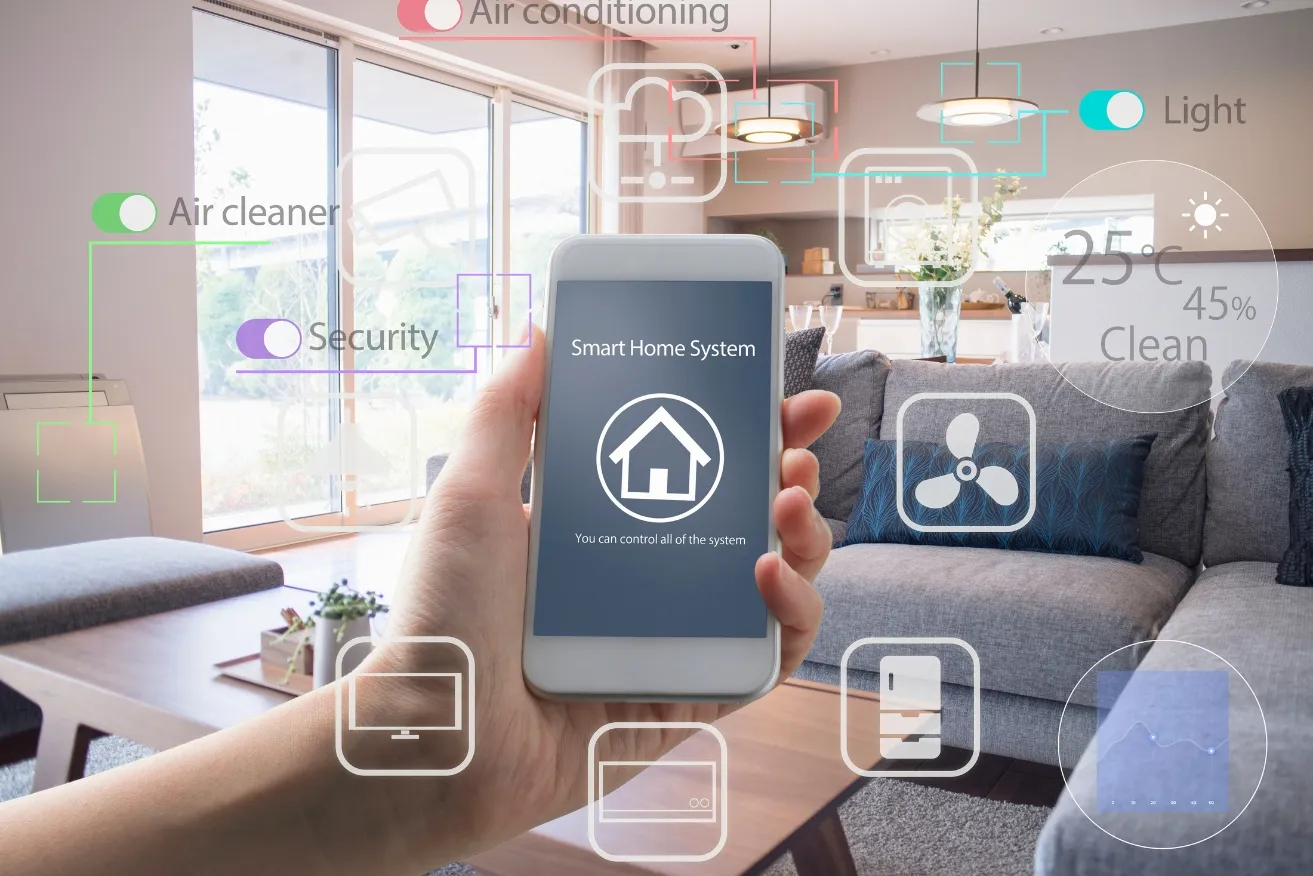
Furthermore, the growing integration of wearable technology with the Internet of Things (IoT) is a pivotal trend. Wearables are increasingly becoming integral components of smart ecosystems, capable of communicating and sharing data with other IoT devices. This connectivity enables seamless monitoring and control of personal and home environments. For example, fitness trackers can sync with smart home devices, allowing users to adjust lighting, climate, and security settings based on their activity levels and preferences. As more devices become interconnected, the scope and functionality of wearables will continue to expand.
In summary, the emerging trends in wearable technology, including advancements in artificial intelligence, augmented reality, and IoT integration, are significantly shaping its evolution. These innovations not only enhance user experience but also promise transformed interactions with technology in everyday life.
Challenges Facing Wearable Technology
Wearable technology has rapidly evolved, but it is not without its challenges and limitations. One of the most significant hurdles is battery life. Many wearable devices, such as smartwatches and fitness trackers, require frequent charging due to their small form factors. This limitation can discourage continuous use, as users may find it inconvenient to recharge their devices regularly. Solutions like more efficient battery technologies and power management systems are being explored to mitigate this issue.
Another critical challenge is the accuracy of data collected by wearable devices. While many have remarkable capabilities for tracking metrics such as heart rate, sleep patterns, and physical activity levels, discrepancies can arise due to environmental factors or user errors. For instance, a fitness tracker may not capture a runner’s movements accurately if it is not fitted properly. To improve data accuracy, manufacturers are investing in advanced sensors and algorithms to enhance the reliability of collected metrics.
User adoption barriers also pose a challenge for wearable technology. Many potential users might feel intimidated by new technology, or they might not see the immediate value of incorporating wearables into their daily lives. In addition, some users may have privacy concerns over the data collected by these devices, which can inhibit adoption. To address these barriers, manufacturers can enhance user education, ensuring consumers understand the benefits and security measures associated with wearable devices.
Finally, comfort and design play significant roles in the acceptance of wearable technology. Wearable devices must be aesthetically appealing and comfortable for users to wear for extended periods. Clunky designs that do not fit well or stylishly can deter users from integrating them into their routines. By focusing on ergonomics and incorporating fashion-forward designs, developers can alleviate these concerns and make wearables more appealing to new customers.
Wearable Technology in the Workplace
Wearable technology has become increasingly prevalent in various workplaces, fundamentally transforming how companies approach employee productivity and safety. These devices, such as smartwatches, fitness trackers, and specialized safety gear, offer a range of functionalities that benefit both employees and employers. By integrating wearable technology, organizations can monitor health metrics, foster compliance with safety regulations, and enhance overall work efficiency.
One of the primary advantages of deploying wearable technology in the workplace is its ability to track employee health and wellness. Devices can monitor vital signs such as heart rate, activity levels, and even sleep patterns. This data can prove invaluable for employers aiming to promote a healthier workforce. Implementing a proactive approach to employee health not only leads to improved productivity but also reduces healthcare costs associated with chronic conditions. Employees are increasingly appreciating organizations that invest in their well-being, fostering a positive work culture.
Wearable technology also enhances safety in high-risk environments. For instance, many industries, including construction, manufacturing, and healthcare, utilize smart helmets, safety vests, or other gear equipped with sensors that can alert workers and managers about potential hazards. These devices can automatically notify emergency services in case of accidents and monitor compliance with workplace safety regulations. As a result, companies not only ensure the safety of their workforce but also protect themselves from legal liabilities associated with workplace accidents.
Furthermore, the data collected from wearable technology can provide invaluable insights for optimizing work processes and improving productivity. Employers can analyze patterns and trends to fine-tune schedules or workflows, thereby maximizing operational efficiency. The integration of wearable technology represents a significant advancement in workplace practices, addressing both health and safety while simultaneously driving productivity.
Conclusion: The Future of Wearable Technology
As we look towards the future, it is evident that wearable technology is poised to play an increasingly significant role in both individual lives and the broader society. The integration of devices such as smartwatches, fitness trackers, and health monitoring gadgets has already started to transform our daily routines, enhancing health management and personal productivity. Wearable technology facilitates real-time data collection on various health parameters like heart rate, physical activity levels, and sleep quality, equipping users with valuable insights into their well-being.
This ongoing evolution of wearables is set to revolutionize healthcare systems as well. Emerging innovations, such as biosensors and medical-grade wearables, promise to enable continuous monitoring of chronic conditions. Such advancements could lead to timely medical interventions, reducing the burden on healthcare services and ultimately improving patient outcomes. Furthermore, the seamless integration of artificial intelligence within these devices is expected to personalize user experiences, making health management more efficient and tailored to individual needs.
Beyond health and wellness, wearable technology also influences productivity in various sectors. In professional environments, smart devices can streamline workflows, monitor productivity metrics, and enhance communication. Moreover, industries such as manufacturing and logistics benefit from wearables that provide real-time information, improving safety and operational efficiency.
In conclusion, the trajectory of wearable technology indicates a future where its impact extends far beyond mere convenience. As these devices become more sophisticated and integrated into everyday life, they will markedly enhance the quality of life by promoting health awareness, improving workplace productivity, and fostering social connectivity through shared experiences and data insights. The potential of wearable technology to redefine our interaction with health, work, and each other is vast, suggesting an exciting horizon ahead.



