
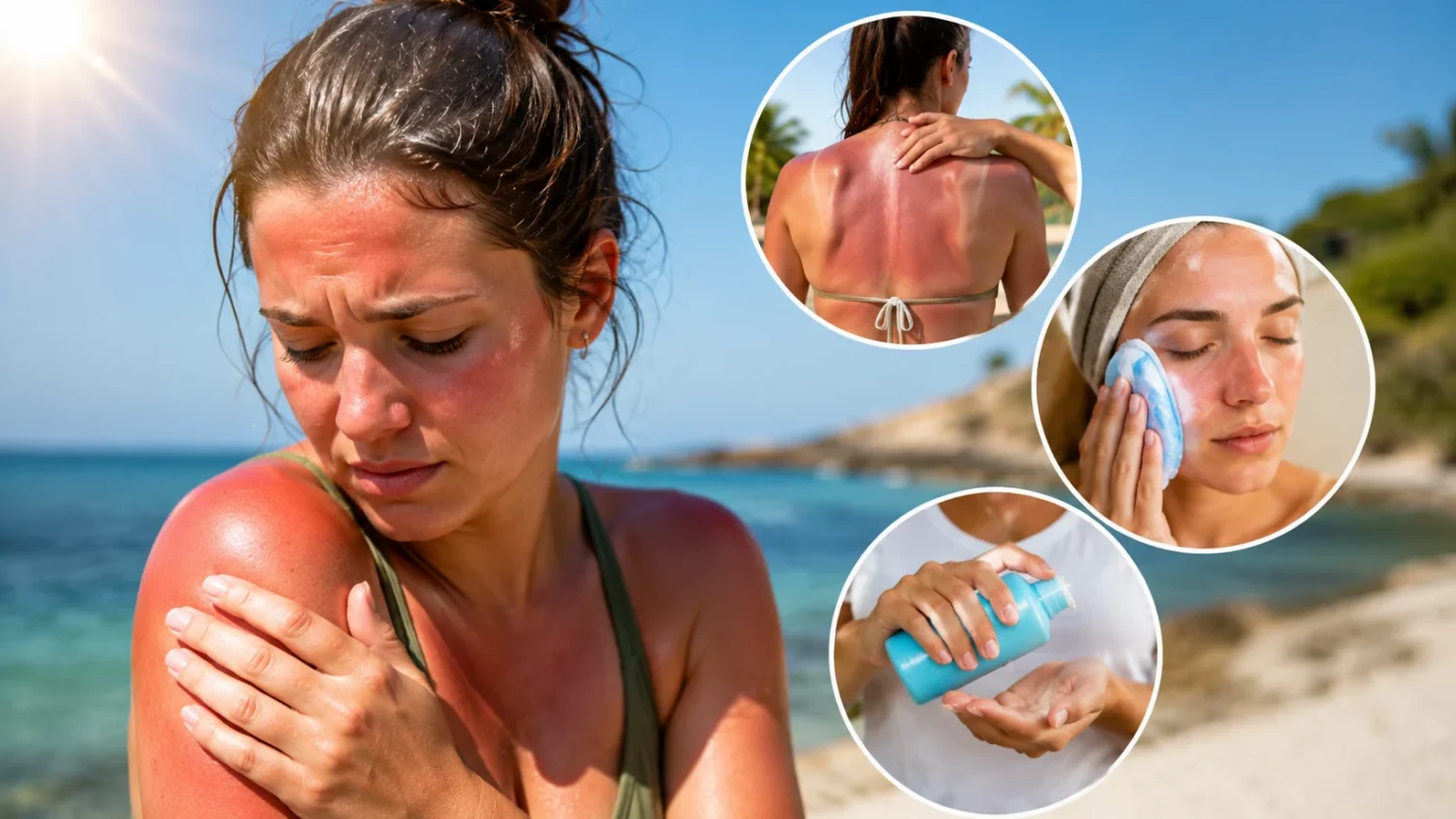

Sun Poisoning: Symptoms, Treatment and Prevention
Spending time outdoors can be enjoyable, but too much ultraviolet exposure can cause far more than temporary redness. The term sun poisoning is commonly used to describe a particularly severe sunburn, sometimes accompanied by symptoms such as blistering, swelling, headache, nausea, dizziness, weakness, feverish feelings, or dehydration. Despite its alarming name, sun poisoning does not mean that the sun has literally poisoned the body.
Sun poisoning is not a formal medical diagnosis. Healthcare professionals are more likely to describe the problem as severe sunburn and separately assess whether heat exhaustion, dehydration, sun sensitivity, or another heat-related illness is occurring at the same time. Making this distinction matters because some whole-body symptoms attributed to “sun poisoning” can signal potentially serious heat illness rather than skin damage alone.
Anyone can develop a significant sunburn after receiving enough ultraviolet radiation, although risk varies with skin type, location, altitude, medication use, time outdoors, and the strength of UV radiation. Clouds and cooler temperatures do not completely eliminate UV exposure, which is why people can sometimes develop a painful burn on days that do not feel particularly hot.
Most mild sunburns gradually improve with home care, but severe symptoms deserve more attention. Understanding sun poisoning symptoms, severe sunburn treatment, dehydration warning signs, heat exhaustion, sun protection, and when to seek medical care can help you respond appropriately. This guide explains what sun poisoning means, how it differs from an ordinary sunburn, what treatments can ease symptoms, and how to prevent future UV damage.
What Is Sun Poisoning?
Sun poisoning is an informal expression generally used to describe a severe reaction to excessive sun exposure, especially when a significant sunburn causes blistering, swelling, intense pain, or symptoms affecting the whole body. The term can sound like a specific disease, but there is no toxin from sunlight circulating through the body in the way the word “poisoning” might suggest.
Sunburn occurs when ultraviolet radiation damages skin cells. The body responds with inflammation, creating warmth, tenderness, redness or other visible color changes, and sometimes swelling. More severe damage can produce fluid-filled blisters and significant discomfort, particularly when large areas of skin have been exposed without adequate protection.
People sometimes use the term sun poisoning when they experience headache, dizziness, nausea, chills, fatigue, or dehydration along with a severe burn. These symptoms require careful interpretation because prolonged exposure to hot environments can also cause heat exhaustion or, in dangerous circumstances, heat stroke. The skin injury and heat-related illness can occur during the same outdoor exposure but are not exactly the same condition.
Another source of confusion is sun allergy or photosensitivity, which can produce an itchy or bumpy rash after sunlight exposure without resembling a typical severe sunburn. Because several different reactions can occur following time in the sun, persistent, unusual, widespread, or severe symptoms may need professional assessment rather than being automatically labeled sun poisoning.
Sun Poisoning vs Sunburn: What Is the Difference?
An ordinary sunburn usually affects the skin and may cause tenderness, warmth, redness or darkening, mild swelling, and later peeling. Symptoms often become noticeable within hours after excessive UV exposure and can worsen before gradually improving. Mild sunburn generally does not produce severe illness throughout the body and can often be managed at home.
What people call sun poisoning generally refers to the more severe end of sunburn. The affected skin may become extremely painful or swollen, and blisters can develop across larger areas. A person may also feel generally unwell, although systemic symptoms should raise the possibility that dehydration or heat illness is contributing to the situation.
The distinction is important because the amount of visible redness does not always reveal the seriousness of the situation. Skin tones vary substantially, and sunburn on darker skin may not appear bright red even when the skin is tender, hot, swollen, or damaged. Paying attention to pain, blistering, temperature, swelling, and overall wellbeing provides a more complete picture.
Regardless of terminology, severe sunburn deserves respect because ultraviolet damage is real. Repeated sunburn contributes to cumulative skin damage and increases the risk of premature skin aging and skin cancer. Preventing burns is therefore valuable not only for avoiding a painful few days but also for protecting long-term skin health.
What Are the Symptoms of Sun Poisoning?
The most obvious sun poisoning symptoms involve significantly burned skin. Affected areas may feel intensely painful, hot, sensitive, tight, or swollen. Severe sunburn can also create blisters, and clothing or even light pressure against the damaged skin may become uncomfortable. Symptoms may involve one area or large portions of the body depending on the exposure.
Whole-body symptoms may include headache, nausea, dizziness, weakness, unusual tiredness, chills, thirst, or a generally sick feeling. Some of these symptoms may be related to heat exposure and dehydration rather than the sunburn itself. Someone who spent several hours outdoors in high temperatures may therefore have more than one heat-related problem occurring simultaneously.
Dehydration can become a particular concern after prolonged outdoor activity. Heavy sweating, intense thirst, dry mouth, dizziness, weakness, reduced urination, and feeling faint can indicate that the body has lost substantial fluid. Severe burns can add additional stress because damaged skin affects the body’s ability to regulate itself normally.
Confusion, fainting, seizures, severe weakness, rapidly worsening illness, or significant changes in mental status should never be dismissed as ordinary sunburn. These can indicate a serious heat-related emergency. The practical goal is not to determine whether symptoms fit the popular label “sun poisoning,” but to recognize whether the person needs urgent medical assessment.
Early Signs of Severe Sunburn
One difficulty with sunburn is that the full extent of damage may not be obvious while someone is still outdoors. Skin can begin sustaining UV damage before intense pain develops. A person may notice warmth, sensitivity, mild redness, or tightness initially, only for discomfort and inflammation to become considerably stronger several hours later.
The first useful response is to get out of direct sunlight as soon as excessive exposure or burning becomes apparent. Moving indoors or into reliable shade prevents additional ultraviolet radiation from worsening already damaged skin. Continuing to sunbathe because the burn “doesn’t look bad yet” can significantly increase overall exposure.
Tenderness may gradually develop alongside visible color changes. Depending on natural skin tone, affected skin may look pink, red, darker, or otherwise different from surrounding areas. Swelling can also appear, particularly after more substantial exposure. These signs indicate inflammation resulting from ultraviolet damage rather than a temporary cosmetic change.
Blistering signals a deeper and more serious burn than simple redness or tenderness. Small blisters should generally be protected rather than deliberately popped, because the intact skin helps protect the vulnerable tissue underneath. Extensive blistering, especially across a large portion of the body, is a reason to consider professional medical advice.
Why Does Sun Poisoning Happen?
Sun poisoning begins with excessive exposure to ultraviolet radiation, primarily UVA and UVB rays reaching the skin. UV radiation can damage cellular DNA and trigger an inflammatory response. The severity of a burn depends on how much radiation reaches the skin and how effectively a person’s natural pigmentation and external sun protection reduce that exposure.
The UV index has a major influence on how quickly damage can occur. Stronger ultraviolet radiation means unprotected skin can burn faster. Time of day, season, latitude, altitude, cloud cover, and reflective surfaces such as water, sand, snow, and concrete can all influence how much UV radiation reaches someone spending time outside.
Personal factors also matter. People with skin that burns easily may develop visible sunburn rapidly, but darker skin tones are not immune to UV damage. Anyone can experience sunburn and cumulative ultraviolet injury when exposure is sufficient. This makes sun protection relevant across different skin colors rather than something required only for people with pale skin.
Certain medications and medical conditions can also increase sensitivity to sunlight. This phenomenon, called photosensitivity, may cause the skin to react more strongly than expected after UV exposure. Anyone who develops unusually severe reactions despite relatively modest sun exposure should discuss medications and other potential causes with a healthcare professional.
How Long Does Sun Poisoning Last?
There is no exact recovery timeline for what people call sun poisoning because severity varies significantly. A mild sunburn may improve within several days, while more substantial burns can remain painful longer and may involve blistering and peeling. The duration also depends on the amount of skin affected and whether dehydration or heat-related illness occurred alongside the burn.
Pain and inflammation can intensify after leaving the sun rather than disappearing immediately. This delayed progression surprises people who initially think they avoided a serious burn. During the following days, damaged skin may become dry, itchy, or begin peeling as the body sheds injured surface cells and replaces them.
Blistered areas may require more time to heal and should be treated gently. Picking peeling skin or breaking blisters can damage healing tissue and potentially increase infection risk. Moisturizing, protecting the skin from further sunlight, and avoiding irritating products can make recovery more comfortable even though they cannot reverse the UV injury that has already occurred.
Persistent fever, worsening swelling, increasing pain, pus, spreading redness, or other signs of infection are not part of uncomplicated healing and should be evaluated. Likewise, ongoing dizziness, vomiting, weakness, confusion, or dehydration requires attention because these symptoms may represent something more significant than the skin burn itself.
Sun Poisoning Treatment at Home
For a sunburn that does not involve emergency symptoms, the first treatment step is stopping additional sun exposure. Move into a cool indoor environment or reliable shade and keep the affected skin protected while it heals. Returning directly to the sun can worsen inflammation and increase the total ultraviolet damage.
Cool baths, showers, or damp compresses can help relieve heat and discomfort. The water should be comfortably cool rather than painfully cold. After bathing, gently pat the skin rather than rubbing it aggressively, since burned skin can be extremely sensitive and friction may increase irritation.
Applying a gentle moisturizer while the skin remains slightly damp may help reduce dryness and tightness. Products containing aloe vera or soy are commonly used to soothe sunburned skin. Avoid applying products that sting or contain ingredients your skin finds irritating, particularly when significant inflammation or blistering is present.
Rest is also important when prolonged sun exposure has left you tired or unwell. Severe sunburn places stress on the body, and accompanying heat exposure may increase fatigue. Home treatment should gradually make uncomplicated symptoms more manageable; if symptoms continue worsening rather than improving, professional medical evaluation becomes more appropriate.
Hydration and Sun Poisoning Recovery
Fluid intake is particularly important when a severe sunburn occurred after spending a long period outdoors in hot weather. Sweating causes the body to lose water and electrolytes, and people may not realize how much fluid they have lost until dizziness, headache, thirst, weakness, or reduced urination develops.
Drink water regularly during recovery rather than waiting until thirst becomes extreme. People who have been sweating heavily for prolonged periods may also benefit from replacing electrolytes appropriately. The specific amount needed varies according to activity, weather, body size, diet, and existing medical conditions, so there is no universal fluid requirement that applies to everyone.
Alcohol can contribute to dehydration and may be unhelpful while recovering from significant heat exposure. Spending additional time in hot environments can also make recovery harder. A cool environment, rest, appropriate fluids, and avoidance of further intense sun exposure give the body a better opportunity to recover.
Someone who cannot keep fluids down because of repeated vomiting, becomes increasingly dizzy or confused, faints, or produces very little urine may require medical attention. These signs can suggest more significant dehydration or heat-related illness and should not simply be treated with another application of sunburn lotion.
How to Treat Sun Poisoning Blisters
Blisters indicate that the sunburn is more serious than simple surface redness. They form because damage causes fluid to collect between layers of skin. Although a blister can feel uncomfortable and inconvenient, the overlying skin provides natural protection for the tender tissue underneath while healing takes place.
Avoid deliberately popping intact blisters whenever possible. Breaking them can expose raw skin and increase the opportunity for infection. Loosely protecting blistered areas from rubbing against clothing can make them more comfortable while still allowing the damaged tissue to heal.
If a blister breaks on its own, treat the area gently. Keep it clean and avoid tearing away the protective skin unnecessarily. Monitor the site for increasing redness, swelling, worsening pain, warmth, pus, or other signs that infection may be developing.
Large areas of blistering deserve medical attention, particularly when the blisters affect the face, hands, genitals, or a substantial percentage of the body. Severe blistering can indicate considerable skin injury and may occur alongside dehydration or other systemic symptoms requiring further assessment.
What Not to Do With a Severe Sunburn
One common mistake is putting ice directly onto badly sunburned skin. Extremely cold temperatures can further irritate or injure already damaged tissue. Cool water or a cool damp cloth is usually a gentler way to relieve burning and discomfort than direct contact with ice.
Do not deliberately peel loose skin or burst blisters simply to improve appearance. Healing skin needs time, and removing protective layers too aggressively can expose tender tissue underneath. Continue using gentle moisturization and allow damaged surface skin to shed naturally as recovery progresses.
Avoid additional tanning while the burn heals. Cover affected skin with comfortable clothing and stay in the shade whenever possible. Sunscreen remains important on exposed skin, but severely irritated areas may feel more comfortable when physically covered and protected from sunlight rather than repeatedly exposed.
It is also unwise to dismiss serious whole-body symptoms as something that can be treated entirely with aloe vera or moisturizer. Topical products can soothe the skin, but they cannot treat severe dehydration, heat stroke, or another medical emergency. Pay attention to how the whole person feels rather than focusing exclusively on how the skin looks.
Sun Poisoning vs Heat Exhaustion
Heat exhaustion occurs when the body loses excessive water and salt, commonly through heavy sweating in hot conditions. Symptoms can include headache, nausea, dizziness, weakness, thirst, heavy sweating, irritability, elevated body temperature, and reduced urine output. Several of these symptoms overlap with what people commonly describe as sun poisoning.
Someone can experience severe sunburn without heat exhaustion, heat exhaustion without sunburn, or both at the same time. For example, a person working outdoors in protective clothing might become overheated despite minimal sunburn, while someone lying beside a pool could sustain a severe UV burn without developing significant heat illness.
Recognizing the difference matters because treatment priorities can change. A person with heat exhaustion needs to leave the hot environment, cool down, rest, and replace fluids appropriately. Symptoms that worsen despite these measures require medical attention because heat exhaustion can progress to a more dangerous heat-related condition.
When headache, nausea, weakness, dizziness, and intense thirst occur after hours outdoors, do not assume they are simply symptoms of burned skin. Consider the overall temperature exposure, physical activity, sweating, hydration, medications, and mental status. A broader view helps identify situations requiring more urgent care.
Sun Poisoning vs Heat Stroke
Heat stroke is substantially more dangerous than sunburn and represents a medical emergency. It occurs when the body’s temperature regulation fails and dangerous overheating affects the brain and other organs. Altered mental status is a particularly important warning sign, including confusion, unusual behavior, loss of coordination, seizures, or loss of consciousness.
Someone who appears confused, collapses, develops seizures, or becomes severely ill after prolonged heat exposure should receive emergency medical care. Do not delay action because you are unsure whether the situation should technically be called sun poisoning, heat exhaustion, or heat stroke. Severe neurological symptoms after heat exposure require urgent attention.
Heat stroke can occur alongside a severe sunburn, but the burn is not what makes heat stroke life-threatening. The danger comes from uncontrolled elevation of body temperature and resulting organ dysfunction. This distinction demonstrates why the informal phrase “sun poisoning” can sometimes create confusion when very different conditions are grouped together.
Preventing heat stroke involves paying attention to temperature, hydration, physical exertion, access to shade or air conditioning, clothing, and individual health risks—not only sunscreen. Sunscreen protects against UV radiation but does not prevent the body from overheating, making heat safety and sun protection related but separate concerns.
Can You Get Sun Poisoning Without a Sunburn?
Someone may feel sick after spending excessive time outdoors even when a dramatic visible burn is absent. Heat exhaustion and dehydration can cause headache, weakness, dizziness, nausea, thirst, and heavy sweating independently of sunburn. These symptoms are sometimes casually labeled sun poisoning despite having a different underlying mechanism.
Visible sunburn can also be easier to recognize on some skin tones than others. A darker complexion may not show the bright redness commonly associated with sunburn, but the skin can still become hot, tender, painful, swollen, or otherwise damaged. Evaluating symptoms should therefore go beyond looking for redness alone.
Photosensitive skin reactions create another possibility. Certain people develop itchy bumps, patches, or other rashes after sunlight exposure because of sun sensitivity rather than a conventional sunburn. Some medications can also make skin unusually sensitive to UV radiation and produce stronger reactions than someone normally experiences.
If significant illness or an unusual rash repeatedly follows sunlight exposure, consider medical evaluation rather than assuming every episode is severe sunburn. Identifying whether the problem involves UV damage, heat illness, medication-related photosensitivity, or another skin condition can lead to more appropriate prevention and treatment.
Who Is Most at Risk of Severe Sunburn?
Anyone can experience severe UV damage, but some circumstances make sunburn more likely. Spending long periods outdoors around midday, when ultraviolet radiation can be strong, increases exposure. Beaches, pools, mountains, snow-covered landscapes, outdoor sporting venues, construction sites, and other open environments can create extended periods with limited shade.
People whose skin naturally burns easily may develop sunburn more quickly, but all skin tones can experience UV damage. Darker pigmentation provides some natural protection but does not make a person immune to sunburn, premature skin aging, or skin cancer. Sun protection should therefore be individualized without excluding people based on complexion.
Children deserve particular attention because outdoor play can create long periods of unnoticed exposure. Travelers may also burn unexpectedly when visiting locations with stronger UV radiation than they encounter at home. Higher altitudes and destinations closer to the equator can significantly change exposure conditions.
People taking photosensitizing medications may burn more easily or develop unusual reactions. If a prescription or over-the-counter medication includes a warning about sunlight, follow the recommended precautions carefully. A pharmacist or healthcare professional can explain whether a particular medication increases photosensitivity and what additional protection may be appropriate.
How to Prevent Sun Poisoning
Prevention starts by reducing unnecessary exposure to strong ultraviolet radiation. Seek shade when practical, especially during periods when the sun is intense. Planning outdoor activities for earlier or later parts of the day can also reduce exposure, although UV protection may still be necessary outside peak hours.
Clothing provides a useful physical barrier. Long-sleeved shirts, trousers, wide-brimmed hats, and fabrics designed with an ultraviolet protection factor can reduce the amount of UV radiation reaching the skin. Sunglasses that provide UV protection also help protect the eyes and delicate surrounding skin.
Use broad-spectrum sunscreen with SPF 30 or higher on exposed skin. Broad-spectrum protection helps defend against both UVA and UVB radiation. Apply enough sunscreen to exposed areas and remember frequently missed locations such as the ears, neck, tops of the feet, hairline, and backs of the hands.
Sun protection works best as a combination of strategies rather than relying on sunscreen alone. Shade, protective clothing, sunscreen, hats, sunglasses, and sensible timing each contribute something different. Combining them makes it easier to reduce the cumulative UV exposure that leads to sunburn and longer-term skin damage.
How Often Should You Reapply Sunscreen?
Applying sunscreen once in the morning is usually not enough protection for an entire day outdoors. Sunscreen gradually wears away through sweating, swimming, towel drying, rubbing, and ordinary movement. Regular reapplication is therefore essential during prolonged outdoor exposure.
A common recommendation is to reapply sunscreen approximately every two hours while outdoors and more frequently after swimming or sweating according to the product directions. Water-resistant sunscreen is useful for swimming and exercise, but “water resistant” does not mean that protection lasts indefinitely in water.
Adequate application matters as much as SPF. Applying only a very thin layer may provide less protection than expected. Cover all exposed areas evenly before outdoor activity and allow the product to settle according to its instructions before significant sun exposure or entering water.
Remember that sunscreen is only one component of protection. A person can still accumulate substantial heat exposure while wearing sunscreen, and no sunscreen should be used as permission to remain indefinitely in intense sunlight. Shade and clothing can substantially reduce direct UV exposure while also giving skin additional protection.
Can You Get Sun Poisoning on a Cloudy Day?
Yes, sunburn can occur when the sky is cloudy because ultraviolet radiation can still reach the Earth’s surface through cloud cover. Temperature and visible brightness are not reliable measures of UV exposure, which is why people sometimes become burned on cool, windy, or overcast days without realizing how much radiation their skin has received.
The UV index is a more useful guide than temperature when thinking about sunburn risk. A relatively cool day can still have a high UV index, while heat and UV intensity are different environmental factors. Checking local UV conditions before spending several hours outdoors can help you choose appropriate protection.
Clouds can also create a false sense of security. Someone who would normally seek shade or apply sunscreen at a sunny beach may skip those precautions when the sky looks gray. Several hours of cumulative exposure can still lead to significant skin damage even without intense sunshine or obvious heat.
Maintain routine UV protection during outdoor activities whenever ultraviolet levels warrant it, regardless of whether the day feels hot. This habit is particularly useful during hiking, sports, sightseeing, gardening, swimming, and other activities where people can remain outdoors longer than originally planned.
Does Sun Poisoning Increase Skin Cancer Risk?
A severe sunburn is not simply a temporary inconvenience. Ultraviolet radiation damages DNA within skin cells, and cumulative UV exposure contributes to the development of several types of skin cancer. Repeated burns therefore matter even after the redness, soreness, and peeling have disappeared.
Sun exposure also contributes to premature skin aging, including changes in pigmentation, texture, elasticity, fine lines, and wrinkles. These effects develop over time, so people may not connect visible changes later in life with years of intermittent burns and unprotected exposure during earlier decades.
Preventing sunburn is therefore valuable at every age. Someone who has already experienced several severe burns cannot undo the original cellular damage, but adopting stronger sun-protection habits can reduce additional exposure. It is never pointless to begin using sunscreen, shade, protective clothing, and other preventive strategies.
People should also become familiar with their skin and discuss suspicious changes with a healthcare professional. A new or changing mole, a sore that does not heal, or another persistent unusual skin lesion deserves evaluation. Sun protection and appropriate skin awareness complement each other in reducing the health impact of cumulative UV exposure.
When Should You Seek Medical Care for Sun Poisoning?
Seek medical advice when a sunburn is severe, covers a large part of the body, or produces extensive blistering. Large blisters or blisters involving sensitive locations such as the face, hands, or genitals may require professional assessment. Worsening pain despite appropriate home care is another reason to seek help.
Fever, chills, persistent vomiting, severe headache, significant dizziness, worsening weakness, eye pain, or vision changes should also be taken seriously. These symptoms can indicate a more substantial response to sun or heat exposure and may require evaluation beyond ordinary home treatment for sunburn.
Watch burned skin for signs of infection during healing. Increasing swelling, worsening redness, pus, red streaking, or pain that becomes stronger instead of gradually improving can indicate infection. Damaged and blistered skin has a weaker protective barrier, which makes careful wound care particularly important.
Confusion, seizures, fainting, inability to stay awake, or other significant changes in mental status following heat exposure require emergency medical attention. These symptoms may indicate heat stroke or another serious problem. Do not delay emergency care while attempting additional sunburn remedies at home.
The Bottom Line on Sun Poisoning
Sun poisoning is an informal term rather than a formal medical diagnosis. It generally describes a severe sunburn, particularly when extensive skin inflammation, blistering, swelling, or feeling generally unwell occurs. Some symptoms commonly attributed to sun poisoning may actually come from dehydration or heat exhaustion occurring during the same period outdoors.
Mild to moderate burns can often be managed by getting out of the sun, cooling the skin, moisturizing gently, drinking appropriate fluids, resting, and protecting damaged skin while it heals. Blisters should generally be handled gently rather than intentionally broken, and additional UV exposure should be avoided during recovery.
More serious symptoms require greater caution. Persistent vomiting, major blistering, severe dehydration, worsening illness, confusion, fainting, seizures, or other neurological symptoms should not be treated as an ordinary sunburn. Heat-related emergencies can develop rapidly and require prompt medical attention.
The most effective approach to sun poisoning is prevention. Broad-spectrum SPF 30 or higher sunscreen, shade, protective clothing, regular sunscreen reapplication, adequate hydration, and awareness of the UV index can substantially reduce preventable exposure. Consistent protection helps avoid immediate pain while also reducing cumulative skin damage over the years.
Frequently Asked Questions
What does sun poisoning look like?
Sun poisoning typically refers to a severe sunburn with very tender or swollen skin and sometimes extensive blistering. Headache, nausea, dizziness, or weakness may also occur, especially when heat illness or dehydration is present.
How long does sun poisoning last?
Recovery depends on burn severity. Mild burns may improve within several days, while severe blistering and peeling can take longer to heal and may require medical assessment.
What is the fastest way to treat sun poisoning?
Get out of the sun, cool the skin with cool showers or compresses, moisturize gently, rest, and maintain hydration. Severe symptoms or extensive blistering should be evaluated by a healthcare professional.
Can sun poisoning make you sick?
A severe sunburn may occur alongside nausea, headache, weakness, or other symptoms. However, feeling very ill after heat exposure may indicate dehydration or heat-related illness and should not automatically be blamed on the burn.
When should I go to the hospital for sun poisoning?
Seek urgent help for confusion, seizures, fainting, severe dehydration, persistent vomiting, or rapidly worsening illness. Extensive blistering or severe systemic symptoms also warrant professional medical evaluation.