
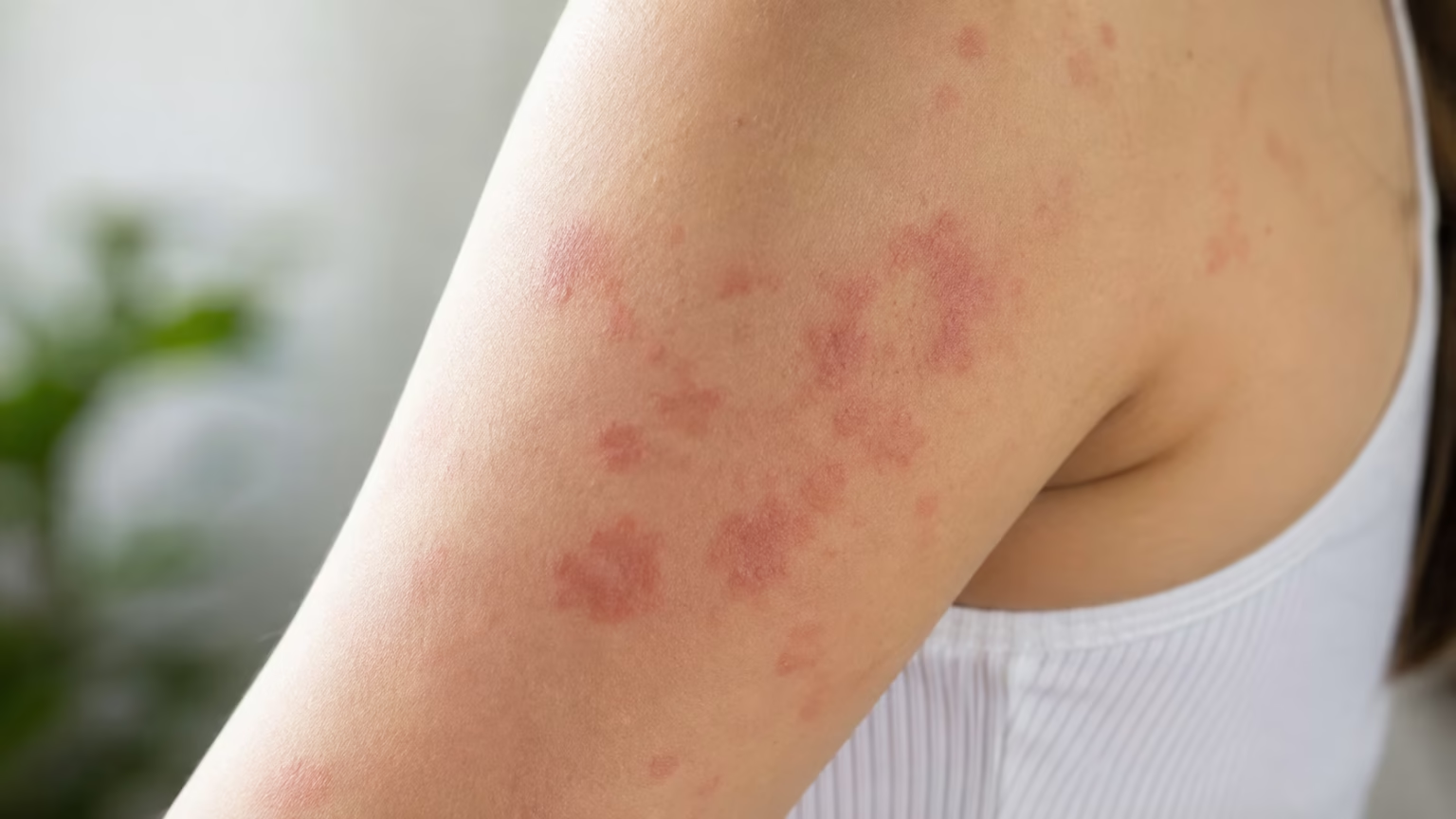

Red Blotches on Skin Not Itchy: Causes and When to Worry
Finding an unfamiliar red patch on your skin can be unsettling, especially when there is no itching to suggest an obvious allergy or irritation. Red blotches on skin not itchy can develop for many reasons, ranging from temporary pressure and temperature changes to inflammation, infection or bleeding beneath the skin.
The absence of itching does not reliably show whether a rash is harmless or serious. Some minor skin changes can itch intensely, while certain conditions requiring medical attention may cause little or no itching. The appearance, location, speed of development and accompanying symptoms provide more useful clues than itching alone.
Skin redness may also look different across skin tones. Affected areas can appear pink or bright red on lighter skin but may look purple, reddish-brown, grey or darker than the surrounding area on brown or black skin. Warmth, swelling, scaling and changes in texture may therefore be easier to notice than colour alone.
This guide explains possible causes of a non-itchy rash, how to examine the affected area and which warning signs require prompt medical care. It can help you make an informed next decision, but photographs and online descriptions cannot replace an examination by a qualified healthcare professional.
What Do Non-Itchy Red Blotches Mean?
A red blotch develops when blood flow near the skin’s surface increases, inflammation changes the skin or a small amount of blood escapes from damaged vessels. These processes can produce similar-looking marks even though their underlying causes are different. That is why colour alone is rarely enough to identify a skin condition accurately.
Some red patches are temporary reactions to exercise, heat, cold, pressure or emotional stress. These marks commonly fade as circulation returns to normal and may not require treatment. A persistent red patch, however, deserves closer attention, particularly when it grows, changes texture or repeatedly returns in the same place.
A non-itchy rash can also be associated with psoriasis, rosacea, pityriasis rosea, medication reactions and certain viral illnesses. Small red or purple dots may represent petechiae, which are caused by bleeding beneath the skin. These spots can sometimes be related to pressure or straining, but they can also accompany platelet or blood-vessel problems.
The best way to understand red blotches is to consider the complete pattern. Note when they appeared, whether they are flat or raised, whether they fade under pressure and whether you feel unwell. Recent medicines, infections, travel, sun exposure and new personal-care products may provide additional clues.
Examine the Appearance Before Assuming the Cause
Begin by looking at the size and shape of the affected areas in bright, natural light. A single round patch suggests a different group of possibilities from hundreds of pinpoint dots. Clearly defined borders, irregular edges, ring-like shapes and a symmetrical pattern can also help a clinician narrow down the likely cause.
Next, gently feel the area with clean hands. Determine whether the skin is smooth, rough, scaly, raised, warm, swollen or painful. A hot and tender patch may suggest infection or inflammation, whereas a dry, sharply or inflammation, whereas a dry, sharply outlined plaque could be associated with a chronic inflammatory skin condition such as psoriasis.
You can gently press a clear drinking glass against a red area to see whether the colour temporarily fades. A mark that becomes pale under pressure is described as blanching, while a mark that remains visible is non-blanching. Non-blanching spots may represent blood that has leaked beneath the skin rather than increased surface circulation.
The glass test is only an observation and cannot diagnose or rule out a dangerous illness. Do not repeatedly press a painful area, and never delay urgent care while trying to interpret a rash at home. A rapidly spreading rash or one accompanied by fever, confusion or breathing problems requires immediate medical assessment.
Temporary Causes of Red Patches Without Itching
Heat can widen surface blood vessels and produce temporary red patches on the face, neck, chest or arms. Exercise, a hot shower, spicy food and sudden temperature changes may have a similar effect. These blotches generally settle after the body cools and should not cause persistent swelling, severe pain or other signs of illness.
Pressure and friction can also create redness without itching. Tight clothing, backpack straps, footwear, bedding or leaning against a hard surface may leave temporary marks. These areas should gradually fade once the pressure is removed, although stronger pressure can cause bruising or broken capillaries that take longer to disappear.
Sun exposure may produce broad areas of red, warm or tender skin. Mild sunburn may not initially itch, but discomfort, peeling or swelling can develop later. Severe blistering, dizziness, nausea, fever or signs of dehydration require medical advice, especially when a large area of the body has been burned.
Emotional stress, embarrassment, alcohol and certain foods can trigger flushing in some people. Recurrent facial redness may be harmless, but persistent flushing could be related to rosacea, medication effects or another health issue. Keeping a record of possible triggers can help a healthcare professional recognize a consistent pattern.
Skin Conditions That May Cause Non-Itchy Red Blotches
Psoriasis can cause raised, dry patches that may appear red, pink, purple or dark brown depending on skin tone. The surface often develops silvery or grey scale, although early patches may look smooth. Psoriasis can itch, but some people mainly notice visible plaques, cracking, tenderness or changes involving their scalp and nails.
Pityriasis rosea often begins with one larger oval patch, sometimes called a herald patch. Smaller patches may later spread across the chest, back or abdomen in a branching pattern. The rash may itch mildly or not at all, and it commonly resolves over time, although a clinician should confirm the diagnosis because other rashes can look similar.
Rosacea mainly affects the centre of the face and may cause persistent redness, visible blood vessels or acne-like bumps. Burning and sensitivity can occur, but itching is not always present. Sunlight, heat, alcohol, spicy food and irritating skincare products are common triggers, although each person’s pattern can be different.
Diabetic dermopathy can produce round or oval reddish-brown patches, usually on the shins of people with diabetes. The spots are often painless and may gradually become flatter or darker. Similar leg marks can have other causes, so unexplained changes should not be used to diagnose diabetes without appropriate medical testing.
Could the Spots Be Petechiae or Purpura?
Petechiae are tiny, flat spots caused by bleeding from small blood vessels beneath the skin. They may appear red, purple or brown and usually do not fade when pressed. Larger areas of bleeding are called purpura, while broader bruise-like patches may be described as ecchymoses.
A small cluster can occasionally develop after forceful coughing, vomiting, crying, heavy lifting or another activity that temporarily increases pressure. These spots are often concentrated around the face, neck or upper chest. Even so, new petechiae should be assessed when their cause is unclear or they continue to spread.
Petechiae and purpura can also occur when platelet levels are low, blood clotting is impaired or blood vessels become inflamed. Certain infections, autoimmune diseases and medicines can contribute. Unexplained bruising, nosebleeds, bleeding gums, blood in urine or stool, and unusually heavy menstrual bleeding make medical evaluation particularly important.
Seek urgent care for sudden, widespread or rapidly increasing non-blanching spots, especially when they occur with fever or significant illness. Do not stop prescribed blood thinners or other medicines without professional guidance. A healthcare provider may need blood tests to determine whether the marks are related to platelet or clotting problems.
Infections That Can Cause Red Skin Changes
Viral illnesses can sometimes cause widespread flat red spots, even when the rash does not itch. The skin changes may appear with fever, tiredness, sore throat, swollen glands, cough or digestive symptoms. Because many viral rashes resemble one another, the overall illness and medical history are often more informative than the rash alone.
Bacterial skin infections usually cause an area that becomes increasingly warm, swollen, painful or tender. Cellulitis often expands over time and may be accompanied by fever, chills or swollen lymph nodes. Prompt treatment is important because an untreated infection can spread into deeper tissues or the bloodstream.
Tick-related infections may cause expanding patches or a rash accompanied by headache, fever, muscle aches or joint symptoms. A classic target-shaped mark does not appear in every case. Contact a healthcare professional when a new rash follows a tick bite or time spent in a tick-prone area, particularly when you also feel unwell.
A fever with a rapidly developing red, purple or non-blanching rash can indicate a serious bloodstream infection. Confusion, neck stiffness, severe headache, unusual drowsiness, rapid breathing, cold hands and feet, or intense muscle pain increase the urgency. Emergency help should be obtained immediately rather than waiting for every expected symptom to appear.
Can Medicines Cause a Rash Without Itching?
A new medicine can cause a widespread red rash several days or weeks after treatment begins. Antibiotics, anti-seizure medicines, pain relievers and many other products can potentially trigger skin reactions. The rash may be itchy, but some medication-related eruptions are mainly visible and cause little immediate discomfort.
Never assume that a medicine is responsible solely because the rash appeared after taking it. An infection being treated by the medicine may be the actual cause, or the timing may be coincidental. Contact the prescribing clinician or a pharmacist for advice rather than stopping an essential medicine without guidance.
Emergency warning signs include skin pain, blistering, peeling or sores involving the mouth, eyes, lips or genital area. Fever, facial swelling, breathing difficulty and a rapidly spreading red or purple rash also require immediate care. These symptoms can occur in severe reactions that need urgent treatment in a hospital.
Remember to mention prescription medicines, over-the-counter painkillers, vitamins, herbal products and recently discontinued treatments during an assessment. Take note of when each product was started and when the rash appeared. This timeline can help a clinician determine whether a drug reaction is plausible.
What the Location of Red Blotches May Reveal
Red blotches on the face may be related to flushing, sun exposure, rosacea or sensitivity to skincare products. A rash across the cheeks and bridge of the nose can have several explanations and should not automatically be labelled as lupus. Persistent facial redness, eye irritation or unexplained systemic symptoms should be professionally assessed.
Marks on the arms and legs can result from pressure, insect exposure, inflammatory conditions or small-vessel bleeding. Pinpoint non-blanching dots around the lower legs may require evaluation for platelet or circulation problems. A single hot, swollen and expanding patch is more concerning for infection than several stable, painless marks.
Patches across the chest, abdomen or back are common with viral rashes, pityriasis rosea and medication reactions. Pay attention to whether the rash began with one larger patch or appeared soon after an illness or new medicine. A rash that spreads quickly or is accompanied by fever requires timely medical advice.
Spots on the palms, soles, inside the mouth or around the eyes can be diagnostically important. These areas may be involved in infections, inflammatory diseases or serious medication reactions. Because these patterns are difficult to assess from text alone, contacting a clinician is safer than experimenting with several home treatments.
When Should You Worry About Red Blotches?
Call emergency services for breathing difficulty, trouble swallowing, faintness or swelling of the lips, tongue, face or throat. These symptoms can indicate a severe allergic reaction even when the skin does not itch. Use a prescribed adrenaline auto-injector immediately when instructed by your allergy action plan.
A non-blanching red or purple rash needs urgent attention when it appears suddenly, spreads or occurs with fever and illness. Confusion, stiff neck, severe headache, rapid breathing, extreme sleepiness and cold or mottled skin are especially concerning. Do not wait for the rash to become darker before seeking emergency help.
Rapidly spreading redness, severe pain, warmth, swelling, pus or red streaks may indicate infection. Blisters, peeling skin or painful sores in the eyes, mouth or genital area can signal a serious skin reaction. These symptoms should be assessed urgently rather than treated with cosmetic products or leftover medication.
Arrange a routine medical appointment when unexplained blotches remain for more than a few days, repeatedly return or gradually change. You should also seek advice for easy bruising, unusual bleeding, weight loss, joint pain, persistent fatigue or fever. Infants, pregnant people and anyone with a weakened immune system may need earlier assessment.
How Doctors Diagnose a Non-Itchy Rash
A clinician will first ask when the marks appeared and whether they have changed in size, colour or number. Questions may cover recent illnesses, medicines, vaccinations, travel, insect bites, sun exposure and contact with new products. Your personal and family history may also reveal relevant skin, immune or bleeding disorders.
The examination usually considers whether the areas are flat, raised, scaly, warm, tender or non-blanching. The clinician may check other parts of the skin, scalp, nails and mouth because related signs can appear away from the most noticeable patch. Photographs showing how the rash developed can be helpful when its appearance changes.
Testing is not required for every red patch. When bleeding under the skin is suspected, a complete blood count can measure platelets and other blood cells. Additional tests may examine blood clotting, liver function, inflammation or infection according to the symptoms and examination findings.
A skin scraping, swab or biopsy may be recommended when the diagnosis remains uncertain. These tests can help distinguish infection, psoriasis, blood-vessel inflammation and other conditions with similar appearances. The correct treatment depends on identifying the cause rather than treating redness as a single disease.
Safe Steps to Take at Home
Take clear photographs in natural light when the blotches first appear. Include one close image and another showing their location on the body, preferably with an object for size comparison. Repeat the photograph if the rash changes, but avoid sharing identifiable medical images publicly when privacy is a concern.
Keep a simple symptom record containing the date, recent foods, medicines, illnesses and activities. Note whether the spots spread, fade under pressure or become warm, painful or scaly. Also record fever, fatigue, joint symptoms and unusual bleeding because these details can help guide an appropriate medical assessment.
Use gentle, fragrance-free skincare while the cause remains uncertain. Wash with lukewarm water, avoid scrubbing and wear loose, breathable clothing over the affected area. Protect sensitive skin from excessive sun and heat, but do not cover an infected-looking patch with heavy or irritating products.
Avoid applying steroid, antibiotic or antifungal creams simply to test whether one works. An inappropriate treatment can irritate the skin, disguise important features or delay the correct diagnosis. Do not squeeze spots, puncture blisters or stop prescribed medicine unless a healthcare professional tells you to do so.
How to Reduce Future Skin Flare-Ups
Protecting the skin barrier can reduce redness caused by dryness and irritation. Choose mild cleansers, apply an unperfumed moisturizer and introduce new skincare products one at a time. Patch testing a product on a small area may help identify irritation before it affects a larger part of the body.
Sun protection is important for people whose red patches worsen after ultraviolet exposure. Use shade, protective clothing and a broad-spectrum sunscreen suitable for your skin. Reapply it as directed, particularly after sweating or swimming, and remember that some medications can make the skin more sensitive to sunlight.
Track recurring patterns rather than relying on memory. Facial flushing after certain foods, exercise or heat may become easier to recognize when recorded consistently. However, do not remove broad food groups or make major medication changes based only on an assumed connection to your skin.
Attend recommended health reviews when you have diabetes, a blood disorder, an autoimmune condition or take blood-thinning medicine. Managing the underlying condition can be more effective than repeatedly treating visible marks. Report any new rash that develops after a dose change or new treatment.
Final Thoughts on Red Blotches That Do Not Itch
Red blotches on skin not itchy can have many explanations, including harmless flushing, pressure marks, psoriasis, pityriasis rosea, infection and bleeding beneath the skin. The lack of itching does not confirm that a rash is minor, so consider its appearance and the way it changes over time.
Flat spots that do not fade under pressure deserve particular attention when they develop suddenly or spread. Fever, confusion, breathing difficulty, severe pain, blistering, unusual bleeding and facial swelling are warning signs that should never be monitored at home without medical advice.
For a stable rash with no concerning symptoms, photographs and a short symptom diary can make a medical appointment more useful. Gentle skincare is reasonable while waiting, but applying several medicated creams can alter the rash and make diagnosis more difficult.
Most skin changes are manageable once their cause is understood. Seeking timely care does not mean assuming the worst; it means recognizing when a visual symptom needs professional interpretation. When the marks are unexplained, persistent or changing, a clinician or dermatologist can provide the safest next step.
Frequently Asked Questions
Why do I have red blotches on my skin that do not itch?
Possible causes include heat, pressure, flushing, psoriasis, pityriasis rosea, medication reactions or bleeding beneath the skin. Their shape, location and accompanying symptoms are needed to identify the cause.
Are non-itchy red spots a sign of cancer?
Most red spots are not caused by cancer. However, any mark that grows, bleeds, does not heal or looks noticeably different from your other spots should be examined by a dermatologist.
What do red spots that do not blanch mean?
Non-blanching spots remain visible when pressed because blood may have leaked beneath the skin. Sudden or widespread spots, especially with fever or illness, require urgent medical assessment.
Can stress cause red blotches without itching?
Stress can trigger temporary flushing by affecting blood vessels and body temperature. Recurrent or persistent redness should still be assessed because rosacea, medicines and other conditions can produce similar changes.
How long should I wait before seeing a doctor?
Seek immediate help for serious accompanying symptoms or a rapidly spreading rash. For stable unexplained blotches, arrange an appointment if they persist, return frequently or begin changing in colour, size or texture.