
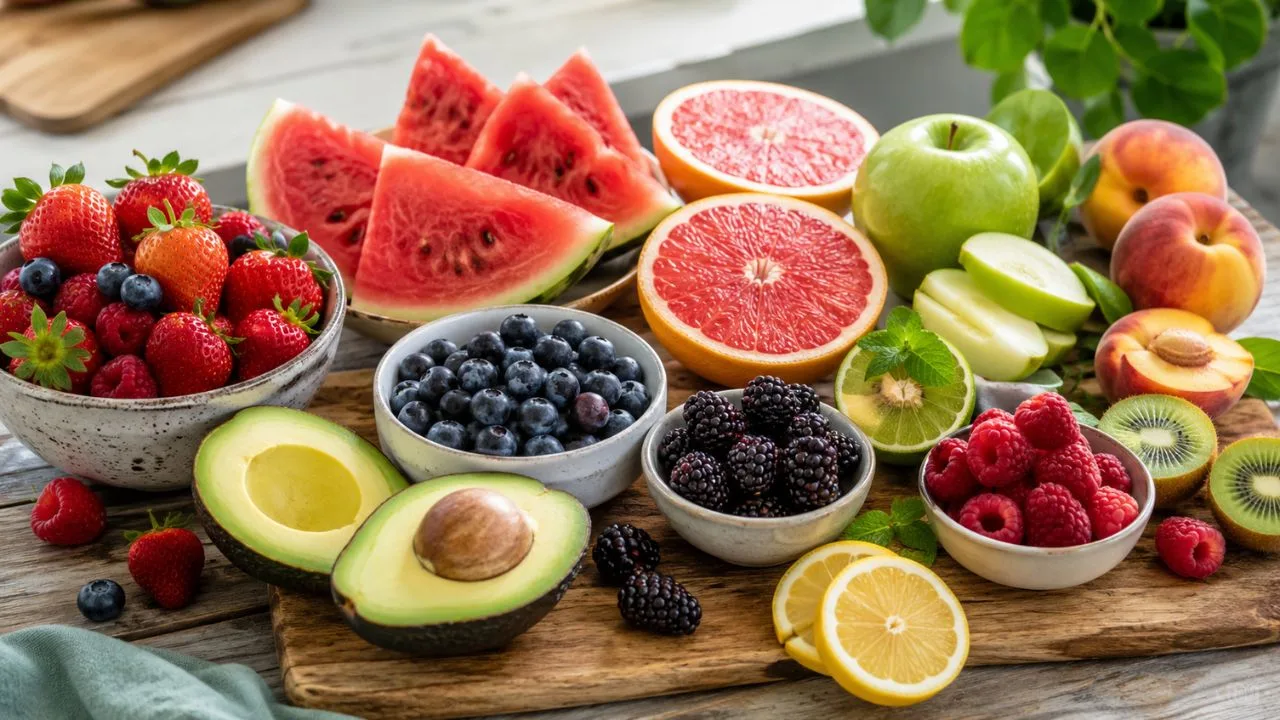

Low Sugar Fruits: 12 Best Picks for Healthy Eating
Fruit is naturally sweet, nutritious, and easy to enjoy, but its sugar content varies considerably between varieties. Some fruits contain only a small amount of sugar per serving, while others provide more carbohydrates because they are denser, larger, dried, or served in concentrated forms.
Choosing low sugar fruits can be helpful when you are managing diabetes, reducing added sugar, following a lower-carbohydrate diet, or simply building more balanced meals. These fruits still provide vitamins, minerals, antioxidants, water, and fiber that heavily processed sweet foods often lack.
Low sugar does not mean sugar-free, and natural fruit sugar is not automatically harmful. The amount you eat, the form of the fruit, its fiber content, and the other foods in your meal all influence how it may affect fullness, energy, and blood glucose.
This guide explores 12 of the best fruits low in sugar, along with practical portion guidance and simple serving ideas. It also explains how whole fruit differs from juice, which choices work well for diabetes, and what common mistakes can undermine an otherwise healthy snack.
What Counts as a Low Sugar Fruit?
There is no single official definition that determines whether a fruit is low in sugar. The term generally refers to fruits that contain less naturally occurring sugar per serving or per 100 grams than sweeter options such as grapes, mangoes, ripe bananas, and cherries.
Water content makes an important difference. Watermelon tastes sweet, but much of its weight comes from water, so a moderate serving contains less sugar than an equal weight of dried fruit. Avocado contains even less sugar because most of its calories come from healthy fat.
Serving size must also be considered. A small plum may provide a manageable amount of sugar, while several large plums eaten together supply considerably more carbohydrates. A low sugar fruit can therefore become a high-carbohydrate snack when the portion is very large.
Fruit ripeness, variety, growing conditions, and preparation can slightly change its nutritional profile. Instead of becoming focused on exact decimal points, use sugar estimates as a comparison tool and pay attention to the total portion you normally eat.
Natural Fruit Sugar vs. Added Sugar
Fruit contains naturally occurring sugars, including fructose, glucose, and sucrose. These sugars are packaged within a food that also supplies water, fiber, vitamins, minerals, and protective plant compounds.
Added sugars are placed into foods during manufacturing, cooking, or preparation. They are commonly found in soft drinks, sweets, flavored yogurt, desserts, pastries, sauces, and sweetened breakfast products.
Whole fruit generally requires chewing and takes longer to eat than sugary drinks. Its water and fiber can support fullness, making it harder to consume the same amount of sugar as quickly as you could through soda, juice, or candy.
This does not mean that fruit portions never matter. People who count carbohydrates, use insulin, or follow a medically prescribed eating plan may need to include fruit in their total carbohydrate calculation despite its nutritional benefits.
Why Choose Fruits Low in Sugar?
Lower-sugar fruit can satisfy a desire for sweetness while providing fewer carbohydrates than many desserts or highly sweet fruits. This makes it easier to create snacks that include fruit without using most of your meal’s carbohydrate allowance at once.
Many of these fruits are also rich in fiber, particularly berries. Fiber supports digestion, contributes to fullness, and slows the movement of food through the digestive system compared with low-fiber sweet drinks.
Low sugar fruits often provide substantial amounts of vitamin C and antioxidant compounds. These nutrients support normal immune function, tissue repair, and protection against cellular damage as part of a varied diet.
However, no fruit can prevent or cure a disease by itself. The greatest benefits come from eating different fruits alongside vegetables, whole grains, lean protein, legumes, nuts, seeds, and other minimally processed foods.
12 Best Low Sugar Fruits to Add to Your Diet
The following choices contain relatively modest amounts of sugar when eaten in reasonable portions. Some are naturally very low in total carbohydrates, while others combine moderate sugar with water, fiber, or a smaller typical serving.
The list includes familiar berries, citrus fruits, melons, and stone fruits, making it easier to find an option that matches your budget and preferences. Fresh and unsweetened frozen fruit are both useful choices.
The fruits are not ranked as medical treatments, and one option is not automatically healthier than every other fruit. A person who enjoys oranges can still have a nutritious diet even if raspberries contain less sugar per comparable serving.
Portion size remains important, especially for diabetes management. Begin with a moderate serving, observe how it fits into your meal, and follow individualized advice from your healthcare professional when you have a medical condition.
1. Avocado
Avocado is technically a fruit, even though it is normally served in savory meals. It contains very little sugar compared with most fruits and provides mainly monounsaturated fat, fiber, potassium, and other nutrients.
Its fat and fiber make avocado filling, but they also make it higher in calories than berries or melon. A moderate portion can provide the nutritional benefits without turning a light meal into an excessively energy-dense one.
Add sliced avocado to whole-grain toast, salads, eggs, bean bowls, or vegetable wraps. It can also be blended into an unsweetened dip with lime juice, herbs, tomato, and a small amount of salt.
Avoid assuming that every avocado dish is automatically healthy. Large portions combined with fried chips, processed meat, full-fat cheese, or heavy sauces can create a meal high in calories, saturated fat, or sodium.
2. Raspberries
Raspberries are among the most useful low sugar berries because they provide significant fiber along with a relatively small amount of natural sugar. Their sweet-tart flavor works well in both snacks and breakfast dishes.
The tiny seeds contribute to their high fiber content. This fiber can support fullness and digestive regularity, although suddenly eating a large amount may cause bloating in people who normally consume little fiber.
Add raspberries to plain yogurt, oatmeal, chia pudding, or whole-grain cereal. Frozen raspberries are also convenient and can be heated into an unsweetened topping for pancakes or overnight oats.
Check packaged raspberry products carefully. Jam, syrup, sweetened dried berries, flavored yogurt, and bakery fillings may contain much more added sugar than a serving of fresh or frozen raspberries.
3. Strawberries
Strawberries provide natural sweetness with a relatively low sugar content and a high water content. They also contain vitamin C, fiber, folate, and a range of colorful antioxidant compounds.
A serving can feel generous because several berries fit into a cup. This makes strawberries useful for people who prefer a snack with more physical volume rather than one small piece of fruit.
Eat them whole, slice them over oatmeal, or combine them with plain yogurt and nuts. Strawberries can also add sweetness to a smoothie without requiring fruit juice, syrup, or several tablespoons of honey.
Chocolate-covered strawberries and strawberries served with sweetened cream are different nutritional choices. The fruit remains present, but the toppings may add substantial sugar, saturated fat, and calories.
4. Blackberries
Blackberries are another fiber-rich berry with a modest amount of sugar. Their deep color comes from natural plant pigments, and their slightly tart flavor makes them suitable for sweet and savory recipes.
Like raspberries, blackberries contain many small seeds. These seeds increase the fiber content but may be uncomfortable for people with certain digestive conditions who have received specific dietary instructions.
Use blackberries in yogurt bowls, oatmeal, salads, or homemade fruit salsa. They can also be blended with unsweetened milk and protein-rich yogurt for a more balanced smoothie.
Frozen blackberries are nutritious when they contain no added sugar. Let them thaw in the refrigerator or heat them gently to produce a simple fruit sauce without using commercial dessert toppings.
5. Lemons and Limes
Lemons and limes contain very little sugar, although most people do not eat them in the same way as apples or oranges. Their sharp flavor is commonly used to improve drinks, sauces, salads, and cooked meals.
A squeeze of citrus can add brightness without relying heavily on salt, sugar, or bottled dressing. Lemon and lime juice also provide small amounts of vitamin C and flavorful aromatic compounds.
Add fresh juice to water, fish, beans, vegetables, guacamole, or grain bowls. The zest can also flavor yogurt, oatmeal, marinades, and baked dishes without contributing meaningful amounts of sugar.
Sweetened lemonade and lime-flavored drinks are not low sugar simply because they contain citrus. Many commercial versions contain several spoonfuls of added sugar, so review labels or prepare an unsweetened drink at home.
6. Watermelon
Watermelon tastes noticeably sweet, but its high water content keeps the amount of sugar in a moderate serving relatively low. It can be refreshing during warm weather and contributes to overall fluid intake.
It has less fiber than berries, so it may be easier to eat a large quantity quickly. People managing blood sugar should pay attention to the portion rather than treating watermelon as an unlimited food.
Serve a measured bowl with plain yogurt, nuts, or a protein-rich meal. It can also be combined with cucumber, mint, and a small amount of cheese to create a refreshing salad.
Watermelon juice removes much of the benefit of chewing and makes a large amount easier to consume. Eating the fruit in pieces generally provides better portion awareness than blending several cups into a drink.
7. Grapefruit
Grapefruit provides a tart, slightly bitter flavor with less sugar than many tropical fruits. It also supplies vitamin C, water, fiber, and plant compounds found in citrus fruits.
Eating grapefruit segments provides more fiber than drinking grapefruit juice. Choose fresh fruit or cups packed without sugary syrup, and avoid covering the surface with several spoonfuls of sugar.
Pair half a grapefruit with eggs, plain yogurt, nuts, or whole-grain toast for a more complete breakfast. The fruit alone may not provide enough protein or energy to remain satisfying for long.
Grapefruit can interact with several prescription medicines by changing how the body processes them. Ask a doctor or pharmacist whether it is safe when you take medication for cholesterol, blood pressure, heart conditions, anxiety, transplantation, or another ongoing condition.
8. Cantaloupe
Cantaloupe is a naturally sweet melon with a high water content and a moderate amount of sugar. It provides vitamin C, vitamin A precursors, potassium, and a refreshing texture.
A measured serving can be included in breakfast, snacks, or salads. Because the fruit is easy to eat quickly, portioning it into a bowl may be more useful than eating directly from a large container.
Pair cantaloupe with plain Greek yogurt, cottage cheese, nuts, or seeds to add protein or healthy fat. This combination is usually more satisfying than eating melon alone during a busy morning.
Wash the outer rind before cutting because a knife can carry surface bacteria into the flesh. Refrigerate cut melon promptly and discard it when it develops an unusual smell, slimy texture, or visible mold.
9. Peaches
Peaches offer sweetness while remaining lower in sugar than many large servings of grapes, mango, or dried fruit. They also provide water, fiber, vitamin C, and carotenoid plant compounds.
A small or medium peach creates a naturally portioned snack. Eating the skin adds fiber, provided the fruit has been washed and you tolerate the texture comfortably.
Slice peaches into oatmeal, plain yogurt, salad, or whole-grain cereal. Grilling or baking them with cinnamon can create a warm dessert without requiring large amounts of butter, brown sugar, or syrup.
Canned peaches can also be practical, but the packing liquid matters. Choose varieties packed in water or their own juice rather than heavy syrup, and drain the liquid before serving.
10. Apricots
Fresh apricots are small stone fruits with a mildly sweet and tart flavor. Their smaller size makes it easy to create a moderate portion, although several fruits may still contribute meaningful carbohydrates.
Apricots provide fiber, vitamin C, potassium, and orange plant pigments. Eating the clean skin preserves more fiber than peeling the fruit before serving.
Combine fresh apricots with plain yogurt, nuts, or a small amount of cheese. Chopped apricots can also add flavor to salads, oatmeal, or savory grain dishes.
Dried apricots are much more concentrated because most of their water has been removed. A small handful may contain the carbohydrates of several fresh fruits, so dried portions should be kept considerably smaller.
11. Plums
Plums provide a satisfying sweet flavor in a naturally compact serving. They contain water, fiber, vitamin C, and colorful plant compounds concentrated in and around the skin.
A single small plum generally contains less sugar than a large piece of tropical fruit. However, eating several plums together can quickly turn a modest snack into a larger carbohydrate serving.
Enjoy plums whole or slice them into yogurt, salads, or oatmeal. Their tart skin can create enough flavor that additional sweeteners are unnecessary.
Prunes are dried plums and contain concentrated natural sugar. They can support digestive regularity for some people, but their serving should be smaller than the serving used for fresh plums.
12. Kiwi
Kiwi has a sweet-tart flavor and provides vitamin C, fiber, potassium, and other plant nutrients. Its sugar content is moderate, and the small fruit offers convenient portion control.
The flesh contains tiny edible seeds, while the washed skin is also edible for people who enjoy its texture. Keeping the skin adds fiber, but peeling the fruit is completely reasonable when the fuzz feels unpleasant.
Add sliced kiwi to plain yogurt, chia pudding, cereal, or fruit salad. Its strong flavor can make a bowl taste sweeter without requiring honey, syrup, or sweetened granola.
Kiwi can cause oral itching or an allergic reaction in some people, particularly those with certain pollen, latex, or food allergies. Stop eating it and obtain medical advice if swelling, hives, wheezing, or breathing difficulty develops.
Are Low Sugar Fruits Good for Diabetes?
People with diabetes can generally include fruit in a balanced meal plan. Whole fruit provides carbohydrates, but it also supplies fiber, water, vitamins, and minerals that are absent from many heavily processed sweet foods.
Low sugar fruits may make portion planning easier, but they still affect total carbohydrate intake. The ideal serving depends on the fruit, your medication, activity, blood glucose goals, and the other carbohydrates in your meal.
Pairing fruit with plain yogurt, nuts, seeds, eggs, or another protein source may make the snack more satisfying. The combination does not remove the fruit’s carbohydrate, but it can reduce the likelihood of becoming hungry again soon.
Individual responses differ, so people who monitor blood glucose can compare readings after typical meals. A registered dietitian or diabetes care professional can provide personalized guidance when fruit repeatedly produces unexpected results.
Glycemic Index vs. Sugar Content
Sugar content describes the amount of sugar physically present in a food. The glycemic index estimates how quickly a carbohydrate food raises blood glucose compared with a reference food.
These measurements are related but not identical. A fruit may taste sweet yet have a moderate glycemic index because its fiber, structure, acidity, and water content influence digestion.
Glycemic load also considers the amount of available carbohydrate in a typical serving. This can provide more practical context than glycemic index alone because people usually eat servings rather than exactly 50 grams of available carbohydrate.
Do not choose fruit based only on one numerical ranking. Portion size, ripeness, preparation, individual response, and the complete meal are often more useful for everyday decision-making.
Whole Fruit vs. Fruit Juice
Whole fruit retains its natural structure and usually provides more fiber than juice. Chewing also slows consumption, allowing your body more time to register the amount you have eaten.
Juice can contain the sugar from several fruits in one glass. Because it is easy to drink quickly and may contain little fiber, it usually raises blood glucose faster than eating a comparable serving of whole fruit.
Even juice labeled 100% fruit juice contains naturally occurring sugar. The absence of added sugar does not make it carbohydrate-free or equivalent to water.
Choose whole or cut fruit most of the time and treat juice as a concentrated beverage. People using juice to correct low blood sugar should follow the treatment instructions provided by their healthcare team.
Fresh, Frozen, Canned and Dried Fruit
Fresh fruit is convenient, but it is not the only nutritious option. Unsweetened frozen fruit is harvested and preserved for storage, making it practical when fresh berries or stone fruits are unavailable or expensive.
Canned fruit can also fit into a healthy diet when it is packed in water or its own juice. Fruit packed in heavy syrup contains additional sugar that may significantly change the carbohydrate content.
Dried fruit retains nutrients but loses most of its water. This concentrates the fruit’s sugar and calories into a much smaller volume, making portions easy to underestimate.
Check ingredient lists for added sugar, syrup, juice concentrate, or sweetened coatings. Dried cranberries, banana chips, and packaged mango are frequently sweetened even though the front label emphasizes fruit.
How Much Low Sugar Fruit Should You Eat?
The right amount depends on age, energy needs, health goals, activity, and the rest of your diet. A typical serving may be one small whole fruit or a measured portion of berries or melon.
People counting carbohydrates may use a serving that provides roughly one carbohydrate choice, but the exact amount varies between fruits. Nutrition labels and individualized meal plans provide more accurate guidance than visual guessing.
Eating several servings at once is different from spreading fruit throughout the day. Dividing portions between breakfast, lunch, and snacks may be easier for blood glucose management and digestive comfort.
Listen to fullness signals and consider what else is on the plate. Fruit can complement a meal, but it does not need to replace protein, vegetables, whole grains, or healthy fats.
How to Make a Balanced Low Sugar Fruit Snack
Begin with a moderate serving of fruit, such as berries, one kiwi, a small peach, or a measured bowl of melon. Using a bowl can make the portion easier to see than eating from a large package.
Add protein with plain Greek yogurt, cottage cheese, eggs, tofu, or another suitable food. Protein can help the snack feel substantial enough to carry you to the next meal.
Nuts, seeds, or natural nut butter can contribute unsaturated fat and additional fiber. Keep the amount moderate because these foods are nutritious but concentrated in calories.
Avoid adding several sweet ingredients to the same snack. Fruit combined with sweetened yogurt, honey, granola, syrup, and juice can contain much more sugar than the original fruit alone.
Fruits That Are Higher in Sugar
Grapes, mangoes, cherries, ripe bananas, figs, and pomegranates generally contain more sugar per comparable serving than berries or melon. This does not make them unhealthy or forbidden foods.
A smaller portion can allow you to enjoy a sweeter fruit while managing total carbohydrates. Combining it with protein or including it as part of a balanced meal may also improve satisfaction.
Ripeness can affect sweetness and texture. A very ripe banana usually tastes sweeter and may be digested differently from a less ripe banana, although individual glucose responses vary.
The goal is not to create fear around naturally sweet fruit. Use portion awareness and dietary variety rather than dividing all fruits into completely good or bad categories.
Common Mistakes When Choosing Low Sugar Fruits
One common mistake is assuming that low sugar means unlimited. Large portions of berries, melon, or several pieces of stone fruit can still provide a considerable amount of carbohydrate.
Another mistake is overlooking added ingredients. Fruit cups, smoothies, yogurt bowls, dried fruit, and canned products may contain syrup, sweetened milk, honey, chocolate, or sugary granola.
People may also avoid fruit completely because they fear natural sugar. This can unnecessarily remove fiber, vitamin C, potassium, and other nutrients from an otherwise balanced diet.
Finally, some people focus on fruit while ignoring larger sources of added sugar. Soft drinks, sweet coffee, candy, pastries, sauces, and highly sweetened cereals may contribute much more sugar than a sensible serving of whole fruit.
Final Thoughts
Low sugar fruits offer a practical way to enjoy sweetness while receiving water, fiber, vitamins, minerals, and antioxidant compounds. Berries, avocado, citrus, melon, peaches, plums, apricots, and kiwi provide varied flavors and textures.
The best choice is usually a whole fruit you enjoy and can eat in a reasonable portion. Fresh, frozen, and carefully selected canned options can all contribute to a nutritious eating pattern.
People with diabetes do not necessarily need to eliminate fruit, but they should consider the total carbohydrates in the serving. Whole fruit is generally a better everyday choice than juice, syrup-packed fruit, or heavily sweetened dried products.
Use sugar content as one part of your decision rather than the only measure of health. Fiber, portion size, preparation, overall diet quality, and your individual response are equally important.
Frequently Asked Questions
What fruit has the least amount of sugar?
Avocado contains very little sugar and is among the lowest-sugar fruits. Lemons, limes, raspberries, strawberries, and blackberries are also relatively low in sugar.
What are the best low sugar fruits for diabetes?
Berries, kiwi, grapefruit, peaches, and small portions of melon can be practical choices. Total carbohydrate and portion size still matter when managing blood glucose.
Are bananas considered low sugar fruits?
Bananas generally contain more sugar and carbohydrates than berries or melon, especially when very ripe. They can still fit into a healthy diet in a suitable portion.
Is fruit sugar healthier than added sugar?
Fruit sugar comes with water, fiber, vitamins, and minerals when eaten in whole fruit. Added sugar often provides sweetness without the same nutritional benefits.
Can I eat low sugar fruits every day?
Yes, low sugar fruits can be eaten regularly as part of a balanced diet. Vary your choices and use portions that match your health needs and total carbohydrate goals.