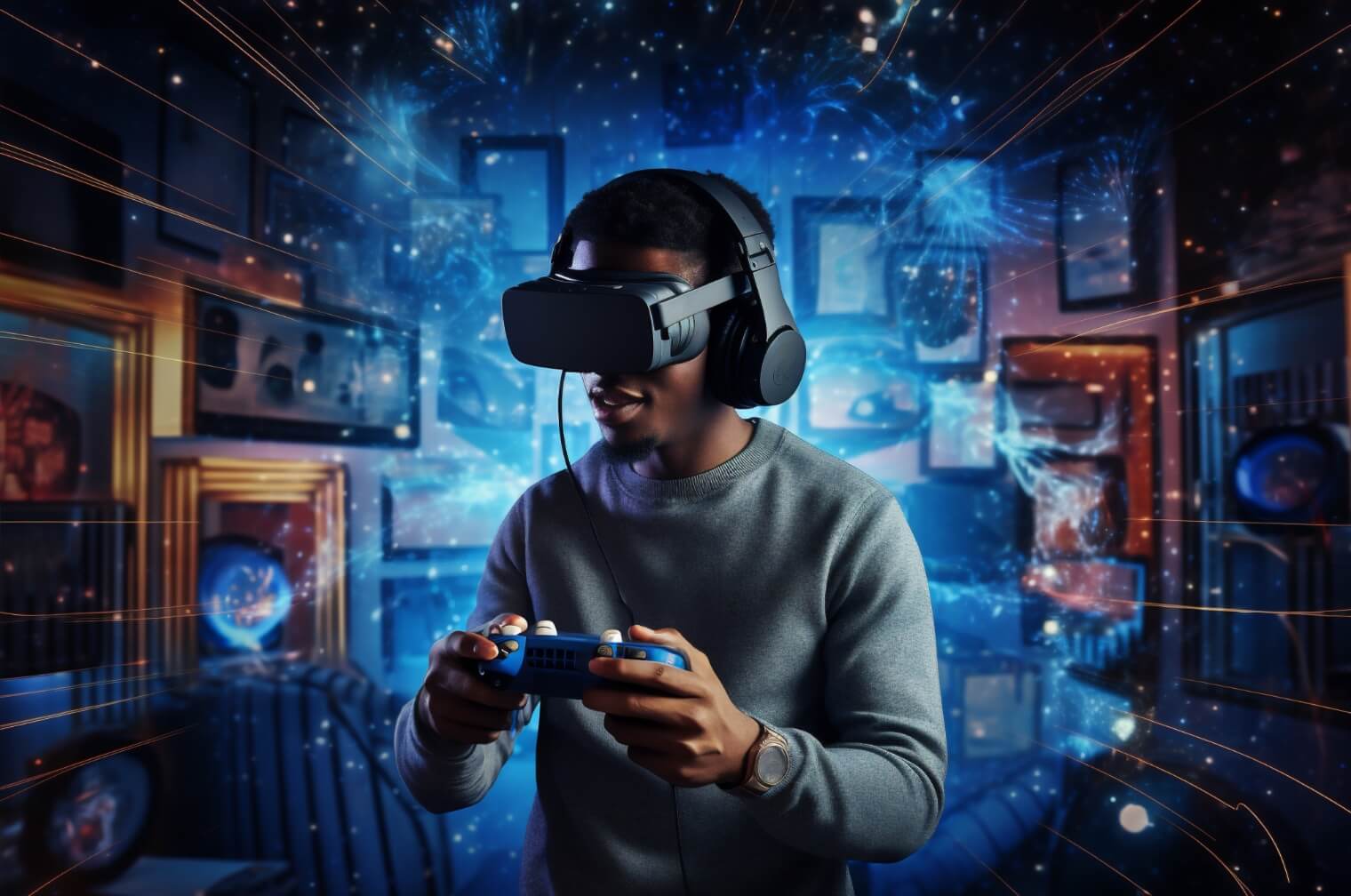

Introduction to AI in Gaming
Artificial intelligence (AI) has become an integral component of modern video games, greatly influencing their development and gameplay experience. Historically, the role of AI in gaming began with rudimentary algorithms that dictated the behavior of non-playable characters (NPCs) and enemy movements. Early games such as Pong and Space Invaders relied on straightforward, rule-based systems to create challenges for players. As technology advanced, so did the sophistication of AI, evolving into complex systems capable of simulating realistic interactions.
By the late 20th century, the gaming industry began to witness rapid innovations in AI. From the introduction of pathfinding algorithms in games like Doom to the adaptive difficulty systems seen in titles such as Resident Evil, AI started enhancing the interactive experience. This shift was pivotal, allowing developers to create immersive environments where player choices could fundamentally alter game outcomes. In this context, AI’s relevance within the gaming industry has transformed and expanded considerably over the decades.
Presently, AI is employed across a myriad of genres and platforms. In role-playing games (RPGs), for example, AI techniques facilitate dynamic storytelling and branching narratives, where NPCs respond to players’ decisions in unique ways. In strategy games, machine learning algorithms enable opponent AI to learn from player strategies, resulting in more unpredictable and challenging gameplay. Furthermore, AI is now being harnessed in game development itself, assisting developers in analyzing player data to create more engaging content and refine user experiences.
As the gaming landscape continues to evolve, the importance of AI will likely grow, with emerging technologies offering even greater possibilities in enhancing game design and interactivity.
Enhanced Game Design and Development
Artificial intelligence (AI) has significantly transformed the landscape of video game design and development. This innovative technology is increasingly being integrated into the creative process, enabling developers to construct more realistic characters and immersive environments. AI-driven tools and algorithms are enhancing the capabilities of game designers, allowing them to focus on higher-level concepts while AI handles complex tasks.
One prominent application of AI technology in game design is in the creation of realistic non-playable characters (NPCs). By employing machine learning algorithms, developers can generate NPC behavior that mimics human interactions, leading to more dynamic and engaging gameplay experiences. This adaptive AI can respond to players’ actions, creating a more challenging and enjoyable environment.
Furthermore, AI is instrumental in generating expansive and diverse game worlds through procedural generation. This technique allows developers to create vast landscapes and intricate designs with minimal manual input. By utilizing algorithms that produce content dynamically, developers can craft unique gaming experiences for every player, reducing redundancy and enhancing replayability. As a result, players encounter varied environments and challenges, which keeps them engaged over longer periods.
Additionally, AI can assist in the optimization of game performance. By analyzing player interactions and gameplay patterns, AI algorithms can help identify and fix bugs or inefficiencies in the game design. This leads to smoother gameplay and improved player satisfaction, essential factors for a successful game.
In conclusion, AI’s impact on game design and development is profound, as it allows for the creation of sophisticated characters and unparalleled game worlds. The integration of these technologies facilitates a more creative process for developers, ultimately enriching the gaming experience for players.
AI-Powered Non-Player Characters (NPCs)
Advancements in artificial intelligence have significantly transformed the landscape of video game design, particularly through the development of more intelligent and realistic non-player characters (NPCs). Traditionally, NPCs operated on pre-defined scripts, leading to predictable and repetitive interactions. However, modern AI algorithms enable these characters to exhibit complex behaviors that enhance the players’ experiences.
One key development is the utilization of machine learning techniques, allowing NPCs to learn from player interactions and adapt their strategies accordingly. For example, through the process of reinforcement learning, NPCs can improve their decision-making processes over time, becoming more adept at countering player strategies or providing realistic responses in dynamic situations. This results in a gameplay experience where NPCs can surprise or challenge players, keeping the engagement levels high.
Additionally, AI-driven NPCs can react dynamically to in-game events, rather than following a set path. For instance, if a player takes a particular action, NPCs can change their behavior in real-time, creating a more immersive environment. Such interactions allow for richer storytelling, as players feel their choices genuinely impact the game world and its inhabitants.
The integration of natural language processing (NLP) technology has further enhanced NPC interaction. NPCs equipped with NLP capabilities can understand and respond to player queries in a more human-like manner. This innovation opens up new avenues for dialogue systems within games, where players can engage in organic conversations with NPCs, leading to deeper narrative experiences.
As developers continue to harness the power of AI, the future of NPCs looks promising, making them not just background characters but integral components of the gaming experience. The evolution of these intelligent beings marks a significant leap in making video games more interactive and lifelike, thus enriching the overall gameplay immersion for players worldwide.
Personalized Gaming Experiences
The integration of artificial intelligence (AI) in the realm of video games has led to an unprecedented shift towards personalized gaming experiences. This technology allows for the creation of tailored content that adapts to the preferences and skills of individual players, enhancing engagement and satisfaction. One of the most significant advancements in this area is the implementation of recommendation systems. These systems analyze player behavior, historical gameplay data, and preferences to suggest suitable games, characters, or in-game items that resonate with their unique tastes. As a result, players are more likely to enjoy their gaming experience, fostering a deeper connection with the game.
Moreover, AI facilitates adaptive difficulty levels, which serve to customize the challenge each player faces based on their skill level. By continuously monitoring player performance, AI algorithms can modify the game’s difficulty in real time. If a player struggles with certain tasks or levels, the AI can adjust the challenge, making it easier to progress; conversely, for skilled players, the AI can intensify the difficulty to keep the gameplay exhilarating. This adaptive difficulty not only prevents frustration but also maintains engagement, accommodating both novice and expert gamers.
Furthermore, AI-driven analysis of player behavior goes beyond just difficulty settings and recommendations. It can influence narrative choices and gameplay dynamics, allowing for a unique story tailored to the player’s decisions and playstyle. As players make choices, AI tracks these decisions and adapts the storyline accordingly, resulting in a highly individualized gaming journey that reflects the player’s actions and preferences.
Incorporating AI in video games provides not only a more immersive experience but also invites players into a realm where their gameplay is genuinely personal. This level of personalization marks a significant evolution in the gaming industry, showcasing the powerful capabilities of AI as a tool for enhancing player satisfaction and engagement.
AI in Game Testing and Quality Assurance
The incorporation of artificial intelligence (AI) in game testing and quality assurance is revolutionizing the way video games are developed. Traditionally, game testing involved extensive manual processes in which testers would play through various scenarios to identify bugs and performance issues. These methods, while thorough, can be time-consuming and prone to error. In contrast, AI-driven tools streamline the testing process, making it more efficient and effective.
One of the key advantages of AI in this context is its ability to automate repetitive testing tasks. Automated testing procedures powered by machine learning algorithms can quickly and accurately simulate countless gameplay scenarios. This high level of automation allows for faster identification of bugs and performance discrepancies that might otherwise be overlooked by human testers. For instance, AI can run regression tests that check for new issues arising from changes in game code, saving developers significant amounts of time in the quality assurance phase.
Furthermore, AI systems are designed to learn from previous testing outcomes. They can analyze data from earlier test cycles to predict where problems are likely to occur in new builds. By identifying high-risk areas, developers can focus their testing efforts where they are needed most, thus improving the overall quality of the game. This predictive capability not only enhances the effectiveness of quality assurance but also contributes to shorter development cycles—allowing studios to release high-quality games in less time.
As the video game industry continues to evolve, the role of AI in game testing and quality assurance will likely expand, leading to innovations that enhance both gameplay experiences and overall product quality. The impact of AI tools is undeniable, facilitating a more agile development process and helping creators meet the ever-growing expectations of players.
Ethical Considerations of AI in Gaming
The integration of artificial intelligence in the gaming industry has brought forth numerous ethical considerations that warrant careful examination. One significant concern is data privacy. With AI systems often relying on extensive data collection to personalize gaming experiences, players’ personal information may be at risk. Developers must establish clear protocols to ensure data protection and transparency, averting potential misuse of sensitive information.
Another ethical aspect involves the potential for addictive game mechanics driven by AI. Algorithms designed to promote player engagement can inadvertently create addictive gameplay patterns. These patterns may exploit players’ psychology, leading to extended play sessions that can adversely affect their well-being. Understanding the fine line between maintaining player interest and fostering addiction is crucial for developers seeking to design ethical gaming experiences.
Moreover, the use of AI in decision-making processes can heavily influence player experiences. AI systems can analyze player behavior, adjusting game environments or challenges to suit individual preferences. While this may enhance entertainment value, it also raises concerns about autonomy and agency. Players may feel pressured to conform to AI-driven narratives, diminishing the organic spontaneity that characterizes traditional gaming.
Consequently, these ethical implications necessitate an ongoing dialogue within the industry regarding responsible AI usage. Stakeholders, including developers and players alike, should actively engage in discussions surrounding fair practices and the potential repercussions of AI technologies. By addressing these critical concerns, the gaming industry can strive for an ethical framework that not only enhances gameplay but also respects the rights and well-being of its community.
The Future of AI in Gaming
The landscape of video gaming is rapidly evolving, with artificial intelligence (AI) playing a transformative role in shaping its future. One of the most significant advancements lies in machine learning and deep learning technologies. These sophisticated AI methodologies have the potential to revolutionize how games are developed and experienced, allowing for increasingly responsive and immersive environments.
Machine learning, in particular, enables AI to learn from player behavior, making real-time adjustments to difficulty levels and gameplay dynamics. This will create a personalized gaming experience, where each player’s journey differs based on their actions and choices. AI-driven systems can analyze vast amounts of data, allowing game engines to optimize themselves, creating a smoother and more engaging gameplay environment.
Moreover, the integration of AI in virtual reality (VR) and augmented reality (AR) is poised to redefine the interaction between players and their surroundings. Enhanced AI capabilities can generate dynamic narratives and environments that react to players’ decisions, pushing the boundaries of storytelling in gaming. For example, characters powered by advanced AI will demonstrate nuanced emotional responses and complex behaviors, making encounters feel genuinely human-like.
As technology progresses, we can expect AI to further enhance the realism of non-playable characters (NPCs) within games. These NPCs will increasingly adapt to their surroundings and player interactions, fostering a more believable and engaging gameplay experience. Furthermore, AI can facilitate procedural content generation, allowing developers to create expansive game worlds that feel fresh and varied with every session.
In essence, the future of AI in gaming heralds a new era characterized by smarter, more personalized, and immersive experiences. As machine learning and deep learning technologies continue to evolve, gamers can anticipate unprecedented levels of interactivity and narrative complexity, solidifying AI’s indispensable role in the evolution of video games.
Case Studies of AI in Popular Video Games
The integration of artificial intelligence in video games has revolutionized how players engage with virtual worlds. One notable example is The Last of Us Part II, a narrative-driven action-adventure title developed by Naughty Dog. This game features sophisticated AI that enhances enemy behavior, making encounters more realistic and challenging. The non-player characters (NPCs) in The Last of Us Part II exhibit advanced behaviors such as flanking, seeking cover, and communicating with one another during combat. This AI implementation not only elevates the gameplay challenge but also contributes to a more immersive experience, as players must adapt their strategies based on unpredictable enemy actions.
Another exemplary case is Red Dead Redemption 2 by Rockstar Games. In this expansive open-world game, AI plays a crucial role in creating a living, breathing environment. The game employs dynamic AI systems that govern the behavior of wildlife and NPCs, leading to varied and unexpected interactions. For instance, players might witness a random encounter where NPCs engage in a robbery or aid those in distress, enhancing the game’s realism. Additionally, the AI-driven ecosystem allows for emergent gameplay, where actions taken by the player influence the world, resulting in a more personalized gaming experience.
Moreover, AI algorithms in both games analyze player behavior, allowing for adaptive difficulty adjustments and personalized challenges. This means that as players progress, the AI responds to their skill levels, providing an engaging and tailored experience. By studying these case studies, it becomes clear that artificial intelligence significantly enriches gameplay and player engagement, leading to memorable experiences in the gaming landscape.
Conclusion: The Impact of AI on the Gaming Landscape
Throughout this blog post, we have explored various ways in which artificial intelligence has significantly altered the gaming landscape. From enhancing the development process through procedural content generation to creating more immersive and responsive gaming experiences, AI plays an essential role in shaping how games are created and played. AI-driven technologies have transformed non-player character (NPC) behaviors, allowing them to mimic human-like reactions that enhance player engagement and overall immersion.
Moreover, the application of machine learning algorithms is paving the way for personalized gaming experiences, adapting to individual player preferences and behaviors. This level of customization is anticipated to further cultivate player loyalty, as games increasingly cater to the unique desires of their audiences. The incorporation of AI in player analytics aids developers in understanding engagement patterns, allowing them to refine gameplay mechanics and narratives effectively.
Looking ahead, the possibilities for AI in gaming are immense. As AI technology continues to evolve, we may witness more sophisticated interactions and narratives that challenge traditional storytelling. The use of virtual and augmented reality could be elevated by artificial intelligence, providing players with unprecedented levels of immersion and realism.
In conclusion, the integration of AI stands as a defining element of the next generation of gaming experiences. It not only enhances the content creation process but also enriches player interactions and engagement. As the gaming industry embraces these advancements, one can anticipate an exciting future where AI not only transforms games but revolutionizes the entire gaming ecosystem.