
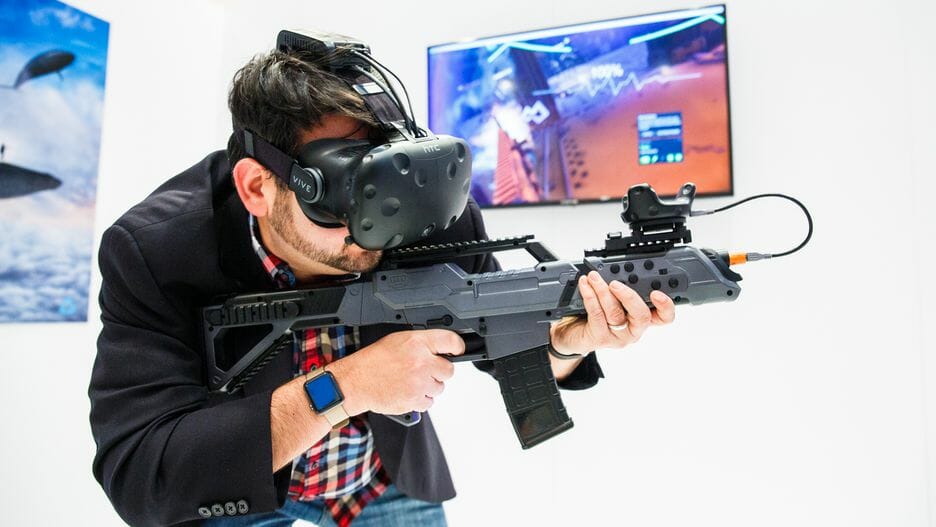

Introduction to Virtual Reality Gaming
Virtual reality (VR) gaming represents a significant evolution in the video game industry, redefining how players engage with digital environments. Unlike traditional gaming, which typically involves interaction through screens and controllers, VR gaming immerses players in a three-dimensional world. This immersive experience is facilitated by sophisticated VR headsets that track the player’s movements and adjust the visuals accordingly, creating a sense of presence within the game.
Over the years, VR technology has undergone remarkable advancements. Early iterations of VR were limited in capability, often characterized by low-resolution graphics and clunky hardware. However, the development of more sophisticated graphics processing units (GPUs) and improved display technology has led to high-definition visuals that enhance the gaming experience. Today’s VR systems, such as those developed by Oculus, HTC, and Sony, offer a seamless combination of realistic environments, spatial audio, and motion tracking, drawing players deeper into game worlds.
The appeal of virtual reality gaming extends beyond visual enhancements. The technology allows for unique gameplay mechanics that traditional gaming cannot offer, such as fully immersive environments where players can physically interact with their surroundings. For example, VR games often utilize hand-tracking technology, enabling users to use their real hands within the gaming realm. This level of interaction has the potential to revolutionize genres such as adventure, simulation, and horror, attracting a wider audience of gamers who seek novel experiences.
.In summary, virtual reality gaming is not merely an extension of gaming technology; it represents a paradigm shift that enhances engagement and immersion. As VR hardware continues to evolve, the future of virtual reality gaming looks promising, poised to captivate gamers in unprecedented ways.
Current Trends in VR Gaming
Virtual reality (VR) gaming has evolved significantly over the past few years, emerging as a leading entertainment medium. Its growth trajectory is marked by several current trends that reflect both consumer preferences and technological advancements.
One prominent trend in VR gaming is the increasing popularity of action and adventure genres. These games utilize immersive environments that harness the capabilities of VR to deliver thrilling experiences. Titles such as Half-Life: Alyx and Boneworks have set benchmarks in action gameplay, incorporating captivating narratives with reactive gameplay mechanics. Additionally, simulation games like Microsoft Flight Simulator are drawing players interested in realistic experiences, leveraging the enhanced graphics and spatial awareness that VR offers.
Multiplayer experiences are also gaining traction within the VR gaming landscape. Gamers are increasingly seeking interactive environments where they can connect with others. Popular platforms like Rec Room and VRChat facilitate social interaction and collaboration, transforming how gamers engage with each other. These platforms encourage user-generated content, allowing players to create and share their own experiences, thus fostering a dynamic community.
Furthermore, advancements in hardware are pivotal to the current trends in VR gaming. Innovations in graphics processing power have made visuals more immersive and lifelike, significantly enhancing user experience. Headsets with improved resolution and field of view, as seen in models like the Meta Quest 2 and Valve Index, are attracting a broader audience by making VR more accessible and enjoyable.
As the VR gaming market continues to expand, demographic shifts indicate an increasingly diverse player base, including not just younger gamers but also older adults seeking novel experiences. This evolution highlights the potential for VR to become a mainstream form of entertainment, influencing future game development and trends.
Technological Innovations Shaping VR Gaming
The landscape of virtual reality gaming is undergoing a remarkable transformation, driven by several technological innovations that promise to redefine user experiences. One of the most significant advancements is the enhancement of haptic feedback systems. These systems allow players to physically feel in-game actions, creating a sense of presence that heightens immersion. Innovations such as ultra-sensitive gloves or suits that simulate touch and texture can make interactions within virtual environments feel incredibly real, thereby enriching the gaming experience.
Another key area of development is eye tracking technology. By monitoring the player’s gaze, VR systems can adjust the graphical experience in real-time, optimizing performance and detail in areas where the player is focusing. This adaptability not only improves performance but also enhances realism, as it mimics how humans naturally interact with their surroundings. Eye tracking can also be instrumental in storytelling, allowing narratives to unfold based on where the player looks.
Motion capture technology continues to evolve, integrating more sophisticated sensors and AI algorithms that translate even the subtlest movements into the virtual realm. This evolution opens up possibilities for more fluid and lifelike character animations, creating a richer and more believable gaming atmosphere. As players engage with characters that move in response to their own gestures, the storytelling aspect of VR games becomes multilayered and interactive.
Artificial intelligence further augments these advancements by enabling dynamic interactions within the game environment. AI can analyze and respond to player decisions and movements, ensuring that each gaming session feels unique and tailored to the individual. As a result, players are likely to encounter challenges that adapt to their skill level, making for a balanced and engaging experience.
These technological innovations collectively work towards creating hyper-realistic simulations and interactive storytelling experiences. The future of VR gaming looks promising, as these enhancements will not only captivate players but also expand the very definition of gaming engagement.
The Role of Social Interaction in VR Gaming
Social interaction is a cornerstone of gaming, and virtual reality (VR) gaming takes this aspect to a new dimension by fostering immersive social experiences. One of the most compelling features of VR is its ability to connect players in a shared environment, creating virtual communities that transcend geographical boundaries. This innovation significantly enhances the gaming experience, as players from different locations can interact in a meaningful way as avatars within the same virtual space.
Multiplayer functionalities in VR are at the forefront of this social interaction evolution. Many VR games now feature collaborative and competitive multiplayer modes where players can engage in real-time. These modes not only allow for engaging gameplay but also facilitate networking and social bonding among players. Enhanced voice chat features and intuitive emotes further enrich communication, allowing players to express emotions and respond to events naturally, mimicking face-to-face interactions.
Moreover, VR gaming has become a platform for hosting virtual events, such as tournaments, conventions, and live concerts. These events enable players to gather in large numbers, offering them the thrill of socializing while participating in their favorite activities. The immersive environments allow for a sense of presence that traditional gaming platforms often lack. Players can meet, interact, and collaborate, forging friendships and alliances that extend beyond the game. This level of immersion is crucial for enhancing the overall gaming experience, as it fosters a sense of belonging and community among players.
As VR technology continues to advance, the role of social interaction in VR gaming is likely to grow even more significant. Players can expect to see richer multiplayer experiences, with diverse opportunities for building connections with others worldwide. The future of VR gaming seems promising, particularly in its capacity to enhance socialization and create vibrant virtual communities.
Accessibility and Mainstream Adoption of VR Gaming
The evolution of virtual reality (VR) gaming has become one of the most intriguing developments in the entertainment sector. However, the accessibility of VR gaming remains a significant hurdle for its widespread adoption. One of the primary challenges is the price of VR equipment, which can be prohibitively expensive for the average consumer. High-quality headsets, along with necessary accessories, can exceed several hundred dollars, creating a financial barrier that limits accessibility for many potential users.
Moreover, the physical space requirements needed to effectively use VR technology pose another challenge. Most VR systems demand a sufficient amount of play space that is safe and free from obstacles. This necessity can complicate the enjoyment of VR gaming, particularly in urban environments where living spaces are often limited. Users may find themselves deterred by the need to allocate dedicated space for the gaming experience.
Additionally, a notable proportion of individuals experience motion sickness when utilizing VR technology. Symptoms can range from mild discomfort to severe nausea, discouraging some gamers from engaging with VR platforms. Understanding and addressing these issues is crucial for the industry to facilitate a comfortable and enjoyable VR experience.
In response to these accessibility challenges, various initiatives are underway to enhance the adoption of VR gaming. Companies are making strides in improving the affordability of VR devices, offering budget-friendly alternatives without significantly compromising quality. Simultaneously, efforts are ongoing to simplify the setup processes and enhance user experiences to make VR gaming more approachable. By prioritizing accessibility, the industry can expand its audience base and encourage more players to embrace the innovative world of virtual reality.
The Future of Storytelling in VR Gaming
The landscape of storytelling in virtual reality (VR) gaming is rapidly evolving, bringing forth new dimensions of narrative immersion and player agency. Unlike traditional gaming platforms, VR provides a unique sensory experience that can envelop the player, allowing them to inhabit their character’s world fully. This immersive environment encourages deeper emotional connections to the story, as players are not merely observers but active participants in the narrative.
One significant advantage of VR technology is its capacity to offer players the ability to influence story outcomes. Game developers are increasingly recognizing the importance of player decisions in shaping narratives. This is achieved through branching storylines where choices made in-game can lead to different endings, thereby enhancing re-playability and engagement. This level of interactivity helps players forge their own unique experiences, fundamentally altering the nature of storytelling in gaming.
Innovative game design is increasingly utilized to leverage VR’s capabilities for storytelling. Games such as “Half-Life: Alyx” and “Lone Echo” exemplify how detailed environments and character interactions can craft compelling narratives that pull players in. These titles utilize the immersive properties of VR to not only enhance gameplay but also to create emotionally charged moments that resonate deeply with players. Upcoming projects are anticipated to push these boundaries even further, exploring themes and narratives previously untouched within the gaming medium.
As developers experiment with various storytelling techniques in VR gaming, the potential for ground-breaking narratives remains vast. Concepts such as environmental storytelling, character-driven plots, and real-time decision-making can redefine how stories are told. This dynamic medium shows promising signs of evolving into a platform where players can lose themselves in rich, interactive narratives that are tailored by their own choices and actions, shaping a thrilling future ahead for storytelling in virtual reality.
The Role of VR in Competitive Gaming and eSports
Virtual Reality (VR) has emerged as a transformative force in the gaming industry, particularly in the realm of competitive gaming and eSports. As technology continues to advance, VR is being seamlessly integrated into the competitive gaming landscape, offering unique experiences for players and spectators alike. This integration is marked by the advent of VR tournaments and dedicated leagues that focus solely on VR gameplay.
In competitive VR gaming, players must master a distinct set of skills that differ from traditional gaming formats. These skills often include spatial awareness, quick reflexes, and the ability to navigate immersive environments effectively. The requirement for physical movement in many VR titles adds a layer of complexity, demanding players not only to strategize but also to maintain physical stamina and agility throughout intense matches. This unique skill set has begun to redefine what it means to be successful in eSports, making VR gamers pioneers in a new competitive paradigm.
Moreover, VR has the potential to revolutionize spectator engagement in the competitive gaming arena. Immersive viewing experiences allow fans to feel as though they are part of the action, creating a more involved and dynamic environment. Spectators can utilize VR headsets to place themselves in the center of the competition, experiencing the game from the players’ perspectives and enhancing their connection to the event. This innovative approach is likely to garner increased interest in eSports, drawing a wider audience and fostering a greater appreciation for the strategic depth of VR games.
As VR technology continues to evolve, its impact on competitive gaming will likely expand, leading to further innovations in gameplay and viewer experiences. With dedicated VR gaming leagues and tournaments on the rise, the future promises exciting developments that could reshape the landscape of eSports entirely.
Predictions for the Next Decade in VR Gaming
The landscape of virtual reality (VR) gaming is expected to undergo significant transformation over the next decade, shaped by rapid technological advancements, evolving market dynamics, and changing societal perceptions. Experts anticipate that hardware improvements will play a crucial role in enhancing user experiences, leading to more immersive environments that blur the lines between reality and virtual worlds. Enhanced graphics, lower latency, and intuitive interface technologies such as eye tracking and haptic feedback are projected to greatly enhance gameplay, creating a more realistic and engaging gaming experience.
Market trends indicate a rising demand for VR gaming, driven by the increasing acceptance of VR technologies among mainstream consumers. As VR headsets become more affordable and user-friendly, a broader demographic is likely to embrace virtual reality gaming. Major gaming companies are expected to invest heavily in developing exclusive titles that take full advantage of VR capabilities, thereby driving market growth and potentially attracting a new generation of gamers.
Furthermore, the influence of VR is anticipated to extend beyond gaming into sectors such as education, training, and healthcare. Innovative applications of VR in these fields could revolutionize how individuals learn and practice new skills, providing practical experience in a safe and controlled environment. As VR technologies continue to mature, it becomes essential to address potential challenges, including privacy concerns, health effects, and ensuring equitable access to VR experiences across different socio-economic groups.
In conclusion, the next decade holds exciting possibilities for the future of virtual reality gaming. Anticipated advancements in technology and innovations in cross-disciplinary applications position VR to not only transform the gaming industry but also to make a significant impact on various aspects of everyday life. As we approach this future, collaboration among industry stakeholders will be vital to navigate these changes responsibly and ensure the sustainable growth of virtual reality solutions.
Conclusion: Embracing the Virtual Future
As we reflect on the evolution and future prospects of virtual reality (VR) gaming, it becomes increasingly evident that this innovative medium is poised to revolutionize the landscape of entertainment. Throughout our exploration, we have observed the remarkable advancements in technology that facilitate immersive experiences, from intricate hardware innovations to sophisticated software developments. These innovations not only enhance user engagement but also create a new paradigm for interaction, allowing players to step into worlds that were once confined to the imagination.
The potential applications of VR gaming extend beyond mere entertainment; they encompass avenues for education, social interaction, and professional training. As the technology matures, VR gaming stands to foster deeper connections among players, transcending geographical boundaries and fostering collaboration in shared virtual spaces. This shift could lead to new forms of community building, where individuals engage with one another in ways that were previously unimaginable.
Moreover, the ongoing integration of advancements such as artificial intelligence (AI) and augmented reality (AR) within VR environments will only serve to enhance the immersive experience, pushing the boundaries of what gaming can offer. By harnessing these synergistic technologies, developers are crafting games that not only entertain but also educate and inspire creativity.
In recognizing the transformative potential of VR gaming, it is essential for stakeholders, including developers, investors, and consumers, to embrace this virtual future. The collective investment in and support for VR technologies will ensure that this medium continues to thrive, shaping the ways in which we play, interact, and experience the digital and physical realms. Thus, as we look ahead, it is clear that virtual reality gaming is not merely a fleeting trend, but rather a profound evolution that invites us to engage in new realities.