
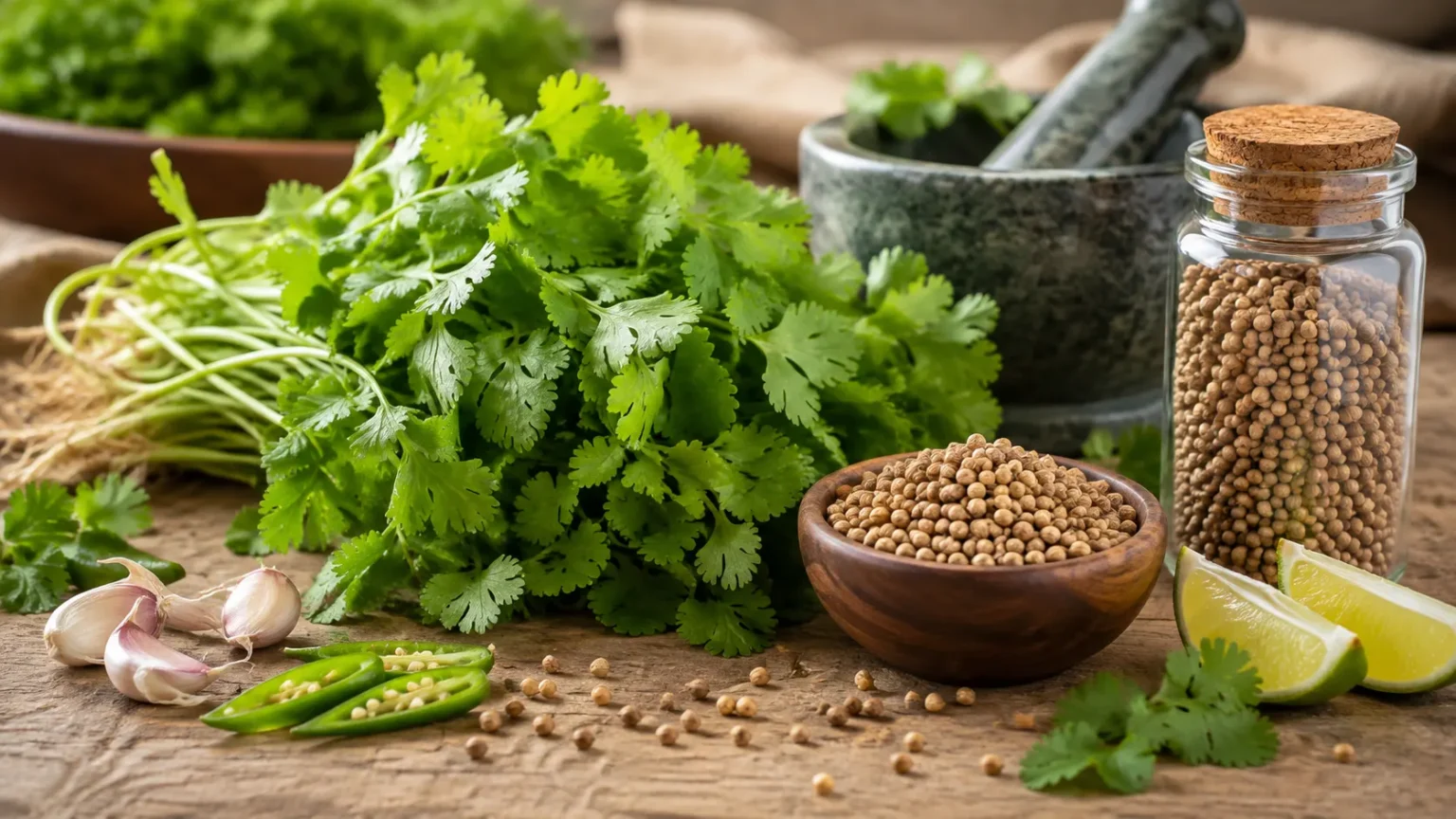

Coriander: Benefits, Uses, Nutrition & Side Effects
Coriander is a versatile herb and spice used in cuisines across Asia, the Middle East, Latin America, Europe, and North Africa. The fresh leaves are commonly called cilantro in the United States, while the dried fruits are usually known as coriander seeds. Both come from Coriandrum sativum, but they have very different flavors, culinary uses, and nutritional profiles. Fresh coriander provides vitamins, carotenoids, and plant compounds, while the seeds contain aromatic oils including linalool. These differences make coriander useful both as a fresh herb and a warming spice.
Interest in coriander benefits extends beyond flavor because researchers have studied its antioxidant, digestive, metabolic, antimicrobial, and anti-inflammatory properties. Recent human research has also explored coriander seed supplementation for blood sugar and cholesterol management, although evidence remains limited compared with established medical treatments. Coriander is generally safe when eaten as food, but concentrated extracts, essential oils, and supplements require more caution. Food allergy is uncommon but possible, and certain people may need to consider medication interactions. This guide explains coriander nutrition, benefits, common uses, side effects, and practical ways to enjoy it safely.
What Is Coriander?
Coriander is an annual herb belonging to the Apiaceae family, which also includes parsley, celery, carrots, fennel, cumin, and dill. Its scientific name is Coriandrum sativum, and nearly every part of the plant can be used. The fresh leaves and tender stems are added to sauces, curries, salads, soups, and garnishes. The dried fruits, commonly called coriander seeds, are used whole or ground as a spice. The roots are also used in some Southeast Asian cuisines because of their strong, earthy flavor.
The word coriander can be confusing because its meaning depends on location. In much of the world, “coriander” refers to both the fresh leaves and the dried seeds. In the United States and parts of Canada, the leaves are usually called cilantro, while coriander normally refers to the dried seed. Nutritionally, they should not be treated as identical ingredients. Fresh leaves contain more water and certain vitamins, whereas the seeds are more concentrated in fiber, minerals, aromatic compounds, and calories.
Coriander seeds have a warm, citrusy, mildly sweet flavor that becomes more noticeable after dry roasting. One of their major aromatic compounds is linalool, which contributes significantly to coriander’s characteristic fragrance. Reviews also identify compounds such as limonene, geranyl acetate, camphor, and other volatile substances in the seeds. Fresh leaves contain a different mixture of aromatic compounds, explaining why cilantro tastes very different from ground coriander spice.
People also differ dramatically in how they perceive fresh coriander. Some describe cilantro as bright, citrusy, and refreshing, while others perceive an unpleasant soap-like flavor. Genetics affecting odor receptors appear to contribute to this difference, although cultural exposure and familiarity also influence taste preference. Disliking cilantro does not mean someone is allergic to coriander. Ground coriander seed usually tastes much milder, so people who dislike fresh cilantro may still enjoy coriander spice.
Coriander has a long history in traditional food and herbal practices. It has been used for flavoring, digestion, food preservation, and various traditional remedies. Modern research has investigated antioxidant, antimicrobial, anti-inflammatory, glucose-lowering, and lipid-related effects, but much of this work involves laboratory experiments or animal studies. A 2024 scientific review described coriander as chemically diverse while emphasizing its wide range of studied biological activities. Human clinical evidence, however, remains much smaller than the traditional history might suggest.
Coriander Nutrition Facts
Fresh coriander leaves are extremely low in calories because they contain mostly water. USDA-derived nutrition data list about 23 calories per 100 grams of raw cilantro, along with roughly 2 grams of protein, 3.7 grams of carbohydrate, and 2.8 grams of dietary fiber. Most people eat far less than 100 grams at one meal, so the actual calorie contribution from a garnish is tiny. Its nutritional value comes more from micronutrients and plant compounds than from energy or macronutrients.
Coriander leaves are particularly notable for vitamin K. USDA-derived data provide approximately 310 micrograms of vitamin K per 100 grams, although an ordinary garnish supplies only a fraction of that amount. Vitamin K contributes to normal blood clotting and bone-related functions. Fresh coriander also contains vitamin C, vitamin E, folate, and provitamin A carotenoids. Adding a generous handful to meals can therefore contribute useful micronutrients without substantially changing calorie intake.
Fresh cilantro also provides carotenoids such as beta-carotene, lutein, and zeaxanthin. These pigments give plants color and can act as antioxidant compounds after consumption. Beta-carotene can be converted into vitamin A as needed, while lutein and zeaxanthin are commonly discussed in relation to eye health. However, coriander is normally consumed in relatively small portions. It should therefore complement other vegetables and leafy greens rather than being treated as the primary source of these nutrients.
Coriander seeds have a different nutritional profile because drying removes most of the water. The seeds are more concentrated in dietary fiber, minerals, natural oils, and aromatic compounds than fresh leaves. When used as a spice, however, serving sizes are usually only a teaspoon or two, meaning the absolute amount of nutrients remains modest. Their main nutritional contribution is often increased flavor, which can make meals more enjoyable without requiring excessive salt, sugar, or rich sauces.
How coriander is prepared can change its nutritional contribution. Fresh leaves used generously in chutneys, salads, and sauces provide more vitamins than a few leaves placed on top of a meal. Dried coriander seed contributes different compounds and usually survives cooking better than delicate fresh leaves. Both can fit into a nutritious diet, but they should be appreciated for different reasons. Using the leaves and seeds together can also create layers of flavor without adding many processed ingredients.
Antioxidant Benefits of Coriander
Coriander contains several groups of compounds capable of participating in antioxidant activity. These include polyphenols, flavonoids, carotenoids, terpenes, and aromatic compounds such as linalool. Antioxidant activity refers broadly to the ability of compounds to interact with reactive molecules and influence pathways associated with oxidative stress. Laboratory studies consistently demonstrate antioxidant properties in coriander extracts. However, the biological effect of eating normal culinary amounts is less dramatic than concentrated laboratory experiments may imply.
Oxidative stress occurs when reactive molecules and antioxidant defenses become imbalanced. It is involved in normal aging and has been studied in relation to cardiovascular, metabolic, and inflammatory diseases. Eating a varied diet rich in vegetables, fruits, herbs, legumes, and whole grains supplies many different antioxidant compounds. Coriander can contribute to this overall pattern. It should not be viewed as a single “detox” ingredient capable of removing toxins or reversing oxidative damage by itself.
Fresh coriander leaves provide vitamin C and carotenoids in addition to polyphenols. These nutrients support normal physiological functions and add to the herb’s antioxidant profile. Because the leaves are so low in calories, using a larger handful in salsa, salads, curries, or chutney can increase flavor and plant diversity at the same time. This is a more realistic benefit than expecting a few decorative leaves to deliver a medicinal dose of antioxidants.
Coriander seeds contain a different mixture of antioxidant compounds. Polyphenols and aromatic oils have been investigated for their ability to reduce markers of oxidation in laboratory and animal research. A recent randomized trial in people with type 2 diabetes reported improvements in selected oxidative-stress markers after six weeks of 1,000 milligrams of coriander seed powder daily. The study was small, involving 40 participants, so larger trials are needed before drawing broad clinical conclusions.
The practical message is that coriander can help increase dietary diversity rather than serving as an antioxidant medicine. Using herbs and spices regularly can make nutritious foods more appealing and may reduce reliance on excessive sugar, salt, or saturated-fat-rich flavorings. The strongest evidence for healthy eating still supports overall dietary patterns rather than individual “superfoods.” Coriander is useful because it makes those patterns easier and more enjoyable to maintain.
Coriander Benefits for Digestion
Coriander has traditionally been used as a digestive spice, particularly the dried seeds. In many cuisines, coriander appears in dishes containing beans, lentils, meats, and rich sauces, and traditional herbal systems have used the seeds for gas and digestive discomfort. The aromatic oils in coriander may influence digestive processes, which helps explain historical interest. Scientific reviews describe coriander as having traditional carminative and digestive-stimulant uses, although high-quality clinical trials remain relatively limited.
Coriander seeds also contain dietary fiber, although the amount obtained from normal spice portions is small. Fiber supports normal bowel function and provides material that can interact with gut microorganisms. Someone seeking meaningful increases in fiber should rely mainly on foods such as vegetables, whole grains, beans, lentils, fruit, nuts, and seeds. Coriander can complement these foods but cannot substitute for them. Its greater value may be making high-fiber meals taste more appealing.
Fresh coriander can make digestive-friendly meals brighter without adding large amounts of fat. It works particularly well in lentil soups, yogurt sauces, rice dishes, salads, and vegetable preparations. People trying to manage heavy meals can use herbs, citrus, and spices for flavor rather than depending entirely on creamy sauces or large quantities of oil. This culinary benefit is practical even when medicinal digestive claims remain uncertain.
Some people drink coriander seed water or coriander tea for bloating or indigestion. Evidence supporting these preparations as specific treatments is limited, and recipes can vary widely in strength. A mild beverage made from culinary quantities is different from taking concentrated extracts or essential oils. Persistent bloating, abdominal pain, vomiting, unexplained weight loss, or changes in bowel habits should be evaluated rather than repeatedly treated with herbal drinks.
Coriander may also be poorly tolerated by a small number of people. Spices can occasionally trigger gastrointestinal discomfort or allergic symptoms, particularly in sensitive individuals. If digestive problems occur consistently after eating coriander, eliminating it temporarily and discussing recurrent symptoms with a healthcare professional may help clarify the cause. Food should improve enjoyment and nutrition rather than become something a person feels forced to consume for supposed health benefits.
Coriander and Blood Sugar
Coriander has attracted attention for possible blood-sugar effects, but this area requires careful interpretation. Laboratory and animal research has suggested that coriander extracts may influence glucose metabolism and insulin-related pathways. Those findings have encouraged human studies, particularly involving coriander seed powder. However, eating coriander in curry or salsa is not equivalent to consuming a standardized supplement. Culinary coriander should not be marketed as a replacement for diabetes treatment.
A recent randomized, double-blind, placebo-controlled trial provides interesting new evidence. Forty adults with type 2 diabetes received either 1,000 milligrams of coriander seed powder or placebo daily for six weeks. Participants receiving coriander experienced improvements in fasting blood glucose, insulin, and an estimate of insulin resistance compared with placebo. These results are promising, but the study was small and short, so confirmation in larger and more diverse populations is necessary.
The trial is especially useful because much older coriander research relied heavily on animals. Even so, one 40-person study cannot establish coriander as a diabetes medication. Researchers themselves noted limitations involving sample size and treatment duration. Long-term effects on A1C, complications, medication requirements, and cardiovascular outcomes remain uncertain. People with diabetes should therefore continue prescribed medications, glucose monitoring, dietary planning, and professional follow-up.
Someone taking glucose-lowering medication should be more cautious with concentrated coriander supplements than with ordinary culinary use. If a supplement genuinely lowers blood glucose, combining it with diabetes medication could theoretically increase the chance of glucose dropping lower than intended. Evidence defining the size of this interaction is limited, but monitoring is reasonable. A doctor or pharmacist can review supplements alongside medicines such as insulin or oral glucose-lowering drugs.
For most people, the best way to use coriander for metabolic health is simply as part of nutritious meals. Fresh cilantro can add flavor to beans, vegetables, whole grains, fish, and lean proteins without adding sugar. Ground coriander can make lentils, roasted vegetables, and soups more satisfying. These dietary substitutions may contribute more to long-term blood-sugar management than treating coriander as a stand-alone glucose-lowering remedy.
Coriander and Cholesterol
Coriander seeds have also been investigated for possible effects on cholesterol and triglycerides. Animal studies have frequently reported improvements in lipid profiles, but translating those findings to people has remained difficult. Human evidence is still relatively limited compared with established cholesterol-lowering therapies. A healthy skepticism is therefore appropriate when supplements promise dramatic cholesterol reductions based mainly on traditional use or laboratory experiments.
The recent 40-person randomized trial in adults with type 2 diabetes also measured blood lipids. After six weeks, the coriander seed group showed reductions in total cholesterol, LDL cholesterol, and triglycerides compared with baseline and placebo-adjusted analyses. LDL fell by roughly 16 mg/dL in the intervention group. These findings are encouraging but should be considered preliminary because of the study’s small sample and short duration.
Researchers do not yet know whether coriander supplementation reduces heart attacks, strokes, or other cardiovascular outcomes. Lowering a laboratory value is not automatically the same as improving long-term cardiovascular health. Statins and other cholesterol medications have been evaluated in much larger outcome trials, while coriander has not. Someone with significantly elevated LDL or established cardiovascular disease should not replace prescribed treatment with coriander seed supplements.
Culinary coriander can still support a heart-conscious diet indirectly. Spices allow cooks to create stronger flavors without excessive salt, butter, processed sauces, or fatty meats. Ground coriander works well with beans, chickpeas, vegetables, fish, and whole grains, all of which can form part of a cardiovascular-friendly eating pattern. In this context, coriander’s value is less about acting like medication and more about helping healthy foods taste appealing.
Anyone considering coriander capsules specifically for cholesterol should discuss the idea with a healthcare professional. Supplement products can differ in concentration and may combine coriander with several other botanicals. That makes it difficult to predict effectiveness or identify the cause of side effects. Lifestyle changes and standardized medications provide more established approaches when cholesterol reduction needs to be substantial and measurable.
Anti-Inflammatory Properties of Coriander
Coriander contains several plant compounds being studied for anti-inflammatory activity. Experimental research suggests that extracts and essential oils may influence inflammatory signaling pathways and oxidative processes. Linalool and various polyphenols are among the compounds receiving attention. These findings help explain coriander’s long history in traditional remedies. Nevertheless, inflammation is a complex biological process, and laboratory anti-inflammatory activity does not automatically make coriander a treatment for inflammatory diseases.
A small clinical study discussed in a review of coriander research evaluated a topical lotion containing coriander essential oil for ultraviolet-induced skin redness. The coriander preparation reduced erythema to some extent, although hydrocortisone used as a comparison produced a stronger effect. This finding suggests biological activity but does not justify replacing topical medicines with homemade coriander preparations. Essential oils can also irritate skin when used incorrectly.
People sometimes claim that coriander can treat arthritis because inflammation contributes to joint symptoms. Current human evidence is not strong enough to support coriander as a stand-alone arthritis treatment. Joint pain can arise from osteoarthritis, inflammatory arthritis, injury, gout, infection, and other causes requiring different management. Adding coriander to meals is reasonable, but concentrated supplements should not delay an accurate diagnosis.
A broader anti-inflammatory diet usually has much stronger evidence than any single herb. Vegetables, fruits, whole grains, legumes, fish, nuts, seeds, and unsaturated fats provide many nutrients and phytochemicals that work together. Coriander can add another plant ingredient to that pattern. Its flavor can also make vegetables and legumes easier to enjoy regularly, which may be one of its most practical benefits.
Claims that coriander “eliminates inflammation from the body” should therefore be treated cautiously. Some inflammation is essential for immune defense and healing, while chronic inflammation can be influenced by numerous lifestyle and medical factors. No culinary herb switches inflammation completely on or off. Coriander is better understood as a nutritious flavoring with interesting biological compounds rather than a substitute for anti-inflammatory medication.
Antimicrobial Properties of Coriander
Coriander essential oil and extracts have demonstrated antibacterial and antifungal activity in laboratory studies. Linalool and other volatile compounds appear to contribute to these effects. Researchers have investigated coriander in relation to food preservation and microorganisms responsible for spoilage or illness. A modern review describes antibacterial and antifungal properties among the plant’s most frequently studied biological activities.
Laboratory antimicrobial activity does not mean sprinkling coriander on contaminated food will make it safe. Foodborne pathogens can survive even when herbs and spices with antimicrobial compounds are present. Safe cooking temperatures, refrigeration, handwashing, and avoiding cross-contamination remain essential. Coriander should be used for flavor, not as a home disinfectant capable of correcting unsafe food handling.
Fresh cilantro itself can become contaminated during growing, harvesting, transportation, or preparation, just like other fresh produce. Washing herbs under clean running water before use can help remove soil and surface contamination, although washing cannot guarantee removal of every microorganism. Refrigerating fresh coriander appropriately and discarding slimy or spoiled leaves can further reduce risk. Good hygiene matters more than the herb’s natural antimicrobial compounds.
Coriander essential oil should not be swallowed casually in concentrated form because essential oils are much stronger than culinary herbs. A few drops can provide exposure far beyond what someone receives from seasoning food. Concentrated products may irritate the digestive tract, interact with medications, or cause other unwanted effects. “Natural antimicrobial” does not mean safe to consume in unlimited quantities.
The food-preservation research around coriander remains scientifically interesting. Plant-derived compounds may eventually help manufacturers develop new preservation technologies or formulations. However, these applications require controlled concentrations and safety testing. Consumers do not need to reproduce laboratory experiments at home. Ordinary coriander is best appreciated for taste and nutrition while food safety continues to depend on established hygiene practices.
Coriander Seeds vs. Cilantro Leaves
Fresh cilantro leaves and coriander seeds come from the same plant but behave almost like two different ingredients in cooking. Cilantro has a bright, grassy, citrus-like flavor that is usually added near the end of cooking or served raw. Coriander seeds are warmer, sweeter, and more aromatic, particularly after roasting. Heat can reduce the freshness of cilantro, while whole or ground seeds tolerate longer cooking well. Understanding this difference makes it easier to use each form effectively.
Nutritionally, fresh leaves provide vitamins such as vitamin K and vitamin C along with carotenoids. Because they contain more than 90% water, the leaves are very low in calories. Coriander seeds are dried and therefore much more concentrated in fiber, minerals, natural fats, and volatile oils. However, serving sizes differ greatly, so comparisons based on 100 grams can be misleading. Few people eat 100 grams of coriander seeds at a time.
The leaves work particularly well in fresh salsas, chutneys, salads, tacos, curries, soups, rice dishes, and yogurt sauces. They can also be blended with lime, garlic, chilies, or ginger to make vibrant sauces without large amounts of sugar. Adding the leaves after cooking preserves their aroma. Stems are edible too and often have plenty of flavor, so they do not need to be discarded.
Coriander seeds are commonly used in curry powders, spice blends, pickling mixtures, sausages, breads, roasted vegetables, and marinades. Lightly roasting whole seeds in a dry pan releases more aroma before grinding. Ground coriander combines particularly well with cumin, turmeric, cardamom, chili, and cinnamon. Because ground spices lose aroma gradually after opening, buying smaller quantities can help maintain flavor.
There is no need to choose one form as “healthier.” Fresh leaves offer more of certain heat-sensitive vitamins, while the seeds provide different aromatic compounds and concentrated plant material. Using both creates dietary variety. Someone who dislikes cilantro’s distinctive fresh flavor may still enjoy coriander seed because its taste is much warmer and lacks much of the soapy note some people perceive in the leaves.
Common Culinary Uses of Coriander
Fresh coriander is especially useful as a finishing herb. Chopping it immediately before serving preserves its aroma and bright green appearance. It can be scattered over curries, lentils, soups, grilled meats, tacos, rice, and roasted vegetables. A generous handful also works in salads and grain bowls. Because fresh cilantro contributes strong flavor without significant calories, it can make simple foods taste more satisfying.
Coriander chutney is another popular use. Fresh leaves can be blended with ingredients such as mint, lemon or lime juice, chilies, ginger, yogurt, or garlic depending on the cuisine. Homemade versions allow better control over salt and added sugar than many bottled sauces. The result can be used with grilled foods, sandwiches, vegetables, rice, or legumes. Fresh chutney should be stored safely in the refrigerator and consumed within an appropriate period.
Ground coriander works particularly well in soups, stews, bean dishes, and curries because its flavor develops during cooking. Adding it near the beginning allows the spice to blend with onions, garlic, tomatoes, and other seasonings. Dry roasting can deepen its aroma, but overheating may make spices bitter. Ground coriander can also be mixed into marinades for chicken, fish, tofu, or vegetables.
Whole coriander seeds are used in pickling, spice blends, and slow-cooked dishes. Crushing them lightly before cooking releases their aroma without producing the completely smooth effect of ground powder. The seeds can also be combined with cumin or mustard seeds and toasted briefly in oil as part of traditional tempering techniques. This method distributes flavor throughout a dish using relatively small amounts of spice.
Coriander can even help reduce reliance on salt. People gradually reducing sodium often find that food tastes bland until they increase herbs, spices, acidity, and aromatics. Coriander works particularly well with lemon, lime, garlic, chilies, ginger, cumin, and black pepper. Flavor-building strategies like these can support healthier cooking without making meals feel restrictive. This everyday culinary role may ultimately be more valuable than many exaggerated medicinal claims.
How to Use Coriander Seeds
Whole coriander seeds can be used directly in cooking, but lightly crushing or roasting them usually produces a stronger aroma. Heat a dry pan over moderate heat and toast the seeds briefly until fragrant, avoiding burning. After cooling, grind them with a spice grinder or mortar and pestle. Freshly ground coriander typically smells brighter and more citrusy than powder that has been stored for a long time.
Start with culinary quantities rather than large medicinal doses. A teaspoon of ground coriander can season an entire pot of soup, beans, curry, or vegetables. More can be added according to taste. Because coriander has a relatively gentle flavor, it combines easily with stronger spices. Cooking with it regularly does not require thinking of every meal as a supplement regimen.
Coriander seed tea is made in some traditions by steeping crushed seeds in hot water. People may drink it for digestive comfort, but evidence defining an ideal amount or proving specific medical effects remains limited. A lightly brewed culinary beverage is different from concentrated extracts. Anyone using coriander specifically to manage diabetes, cholesterol, or another condition should discuss supplementation with a healthcare professional.
Some supplement manufacturers sell coriander seed capsules in standardized amounts. The recent diabetes trial used 1,000 milligrams of coriander seed powder daily for six weeks, but that study should not be treated as a universal dosage recommendation. Participants were carefully selected and monitored, and the sample was small. Supplement doses appropriate for research do not automatically become self-treatment guidelines for the general population.
If you want the potential nutritional advantages without supplement uncertainty, use coriander as a regular culinary spice. Incorporate it into vegetable dishes, lentils, beans, whole grains, soups, and lean protein meals. This approach provides flavor while supporting an overall healthy dietary pattern. It also avoids the larger exposures and less predictable interactions associated with concentrated extracts and essential oils.
How to Store Fresh Coriander and Seeds
Fresh coriander deteriorates relatively quickly because its delicate leaves lose water and become slimy when stored poorly. Remove damaged leaves and keep the bunch refrigerated. Some people place the stems in a small container of water and loosely cover the leaves, while others wrap washed and thoroughly dried coriander in paper towels inside a container. The goal is maintaining moisture without allowing excess condensation.
Avoid washing coriander long before storage unless it can be dried thoroughly. Excess water encourages deterioration and can make leaves turn soft more quickly. If washing immediately before use, rinse the leaves and stems under clean running water and remove damaged material. A salad spinner or clean towel can help remove excess moisture. Fresh cilantro should smell bright and herbal rather than sour or fermented.
Freezing is useful when fresh coriander cannot be used before it wilts. Chopped leaves can be frozen in small portions, although their texture becomes softer after thawing. Frozen cilantro works better in soups, sauces, and cooked dishes than as a fresh garnish. It can also be frozen with a small amount of water in ice-cube trays for convenient portions.
Whole coriander seeds have a much longer shelf life when stored in a tightly sealed container away from heat, moisture, and direct sunlight. Grinding only what you need helps preserve aromatic oils. Pre-ground coriander is convenient but generally loses fragrance faster because more surface area is exposed to oxygen. Replacing old spices when they have almost no smell can noticeably improve cooking.
Avoid storing spices directly above the stove if possible because repeated heat and steam can reduce quality. Use a dry spoon rather than shaking spice containers over steaming pots, where moisture can enter the bottle. Proper storage does not necessarily make spices dangerous after their best-quality period, but aroma and flavor steadily decline. Fresh, fragrant coriander makes healthy meals much easier to enjoy.
Coriander Side Effects
Coriander is generally well tolerated when eaten in normal food quantities. Most people consume fresh cilantro or coriander spice without any noticeable side effects. Problems become more relevant with unusually large amounts, concentrated extracts, supplements, or essential oils. The safety profile of culinary use should not automatically be applied to highly concentrated products. A capsule or essential oil can deliver exposures very different from seasoning a meal.
Allergic reactions to coriander are uncommon but documented. Symptoms can include itching, hives, swelling, breathing difficulty, gastrointestinal symptoms, or potentially severe anaphylaxis. Published case reports describe serious reactions following coriander or cilantro ingestion. People with suspected allergy should avoid deliberately testing themselves at home after a significant reaction. Severe breathing difficulty, throat swelling, faintness, or widespread allergic symptoms require emergency treatment.
Coriander belongs to the Apiaceae family, so cross-reactivity with related plants can occur in some allergic individuals. A 2025 review of herb and spice allergies identifies coriander, celery, fennel, cumin, and related spices among recognized triggers and notes cross-reactivity with birch and mugwort pollens. These allergies remain uncommon overall, but people with known spice reactions should discuss patterns with an allergist rather than assuming all herbs are safe.
Concentrated coriander supplements could potentially lower blood glucose based on emerging research. For someone taking insulin or glucose-lowering medication, this raises a theoretical concern about excessive reductions when supplements are combined with treatment. Human interaction data remain limited, so precise risk cannot yet be quantified. Monitoring and professional guidance are particularly sensible when coriander is being consumed in supplemental rather than culinary quantities.
Essential oil requires even greater caution. Coriander essential oil is much more concentrated than leaves or seeds and should not be swallowed or applied undiluted simply because it comes from a food plant. Concentrated oils can irritate the skin, eyes, or digestive tract and may produce unexpected reactions. Culinary coriander remains the simplest and safest form for most people who simply want flavor and nutritional variety.
Coriander and Medication Interactions
Ordinary culinary coriander is unlikely to create important medication interactions for most healthy adults. Concerns become more relevant when people use concentrated seed powders, extracts, tinctures, or essential oils with the goal of producing therapeutic effects. Because supplement research is still developing, interaction information is less complete than it is for prescription medicines. Telling healthcare providers about botanical supplements helps them assess the entire treatment plan.
Diabetes medication deserves particular attention because emerging human research suggests coriander seed powder may reduce fasting glucose and insulin resistance. Combining a concentrated supplement with insulin or glucose-lowering tablets could potentially increase the glucose-lowering effect. This does not mean everyone taking metformin must avoid cilantro in food. The concern is mainly about intentionally using larger supplemental doses alongside medication.
People taking anticoagulants such as warfarin should also be aware that fresh coriander leaves provide vitamin K. Vitamin K is necessary for normal blood clotting and can influence warfarin management when intake changes substantially. The goal for many warfarin users is consistency rather than completely avoiding vitamin-K-rich foods. A few leaves are unlikely to create the same effect as suddenly consuming very large amounts of coriander every day.
If you take warfarin, do not eliminate healthy herbs and vegetables without medical guidance. Instead, discuss major dietary changes with the clinician managing anticoagulation. Fresh coriander’s vitamin K content is substantial per 100 grams, but normal servings can be much smaller. Keeping intake relatively consistent allows medication dosing to account for your usual diet rather than forcing unnecessary food restrictions.
Medication interactions with concentrated herbal products can be difficult to predict because supplements may contain multiple ingredients. Always read the full label rather than focusing only on coriander. If dizziness, unusual bruising, very low blood sugar, rash, or other new symptoms appear after starting a supplement, stop assuming the reaction is harmless because the product is natural. A pharmacist or physician can help determine whether an interaction is plausible.
Coriander During Pregnancy and Breastfeeding
Coriander used in normal culinary amounts is a common food ingredient in many cultures, including during pregnancy. Adding fresh leaves to meals or using coriander seed as a spice does not create the same exposure as taking concentrated herbal supplements. Pregnancy is not usually a reason to avoid coriander as ordinary food unless an individual allergy or intolerance exists. Balanced meals and food safety remain more important than avoiding common culinary herbs.
The situation becomes less certain with coriander supplements and concentrated extracts. High-quality research establishing therapeutic doses during pregnancy is limited, and supplements may provide quantities far beyond normal food exposure. Botanical products may also contain additional ingredients or contaminants not obvious from front labels. Pregnant individuals should therefore avoid using coriander medicinally without discussing the product with their prenatal healthcare professional.
The same cautious approach applies during breastfeeding. Culinary coriander can be incorporated into meals, but there is less reliable evidence regarding concentrated extracts or essential oils. Taking a product because it is marketed for milk production, digestion, or detoxification does not guarantee effectiveness or safety. The concentration, ingredients, and infant exposure all matter when evaluating herbal products.
Food hygiene deserves particular attention during pregnancy. Fresh herbs should be washed under clean running water and handled with clean utensils because raw produce can carry microorganisms from soil, harvesting, transportation, or preparation. Refrigerate fresh coriander promptly and discard portions that become slimy or spoiled. These straightforward food-safety practices are more relevant to pregnancy than avoiding properly handled coriander itself.
Anyone experiencing pregnancy-related nausea, diabetes, digestive symptoms, or other medical concerns should seek appropriate guidance instead of relying on coriander remedies. A normal spice can be part of food, while a supplement intended to change blood sugar or another physiological process should be treated more cautiously. Pregnancy is a period when the difference between culinary use and medicinal supplementation becomes particularly important.
Is Coriander Good for Weight Loss?
Coriander is sometimes included in “weight-loss water” recipes or detox plans, but it does not directly melt body fat. Fresh cilantro is extremely low in calories, and spices contain relatively little energy at normal serving sizes. That makes coriander easy to add to meals without significantly increasing calorie intake. Its strongest role in weight management is improving flavor rather than creating a unique fat-burning effect.
A flavorful diet can make lower-calorie foods easier to maintain. Coriander works well with vegetables, beans, lentils, lean proteins, whole grains, and yogurt-based sauces. Using herbs and spices can reduce reliance on heavy sauces or excessive salt while keeping meals satisfying. This behavioral advantage is practical and sustainable. It does not require believing that coriander increases metabolism dramatically.
The recent randomized trial of coriander seed supplementation in adults with type 2 diabetes did not find meaningful changes in weight, BMI, waist circumference, or waist-to-hip ratio during the six-week intervention. The study did find changes in glucose and lipid markers, but body measurements remained relatively stable. This provides a useful reminder that metabolic effects do not automatically translate into weight loss.
Coriander water may contribute to hydration if it helps someone drink more unsweetened fluids, but plain water works just as well for hydration. Weight loss occurs when long-term energy balance supports a reduction in stored body energy, not because a particular herb detoxifies the body. Drinks containing coriander should not replace adequate meals or evidence-based medical care for obesity.
A realistic strategy is to use coriander as part of high-quality meals that support satiety. Add fresh leaves to bean bowls, eggs, soups, grilled vegetables, fish, or salads, and use ground coriander to season lentils or roasted foods. Combined with appropriate portions, physical activity, sleep, and sustainable eating habits, flavorful herbs can make weight-management plans more enjoyable without promising shortcuts.
Conclusion
Coriander is a nutrient-rich culinary herb and spice that can bring substantial flavor to meals with very few calories. Fresh coriander leaves provide vitamin K, vitamin C, carotenoids, and other plant compounds, while dried coriander seeds contain concentrated aromatic oils and different nutrients. Both forms come from Coriandrum sativum, but their tastes and uses differ dramatically. Using them regularly can increase variety in a balanced diet without requiring complicated recipes.
Many of coriander’s proposed health benefits are connected to its polyphenols, carotenoids, and aromatic compounds such as linalool. Laboratory research suggests antioxidant, antimicrobial, and anti-inflammatory activity, while traditional use has long emphasized digestion. These findings are interesting but should not be converted into claims that coriander cures infections, arthritis, digestive disorders, or chronic disease. Human evidence remains limited for many therapeutic uses.
Blood sugar and cholesterol research has become more interesting because a recent randomized controlled trial found improvements after six weeks of coriander seed powder supplementation in people with type 2 diabetes. The study provides useful human evidence, but only 40 participants completed it. Larger and longer trials are required before coriander can be recommended as a standard metabolic therapy. Prescription treatment and proven lifestyle strategies should continue as directed.
For most people, coriander is safe when used as food. Side effects become more relevant with supplements and concentrated oils, while rare allergic reactions can be serious. People taking diabetes medication or warfarin should be more mindful of concentrated coriander products or major dietary changes. Pregnancy and breastfeeding are also situations where culinary use and concentrated supplementation should be clearly distinguished.
Ultimately, coriander does not need exaggerated health claims to be worthwhile. Fresh leaves can brighten salads, curries, soups, and sauces, while coriander seeds bring warm citrus flavor to lentils, vegetables, meats, and spice blends. These qualities can make nutritious meals more satisfying and varied. Enjoy coriander primarily as a flavorful plant food, and treat concentrated supplements as something that deserves the same thoughtful consideration given to other biologically active products.
FAQs About Coriander
Is coriander good for you?
Yes. Fresh coriander is low in calories and supplies vitamin K, vitamin C, carotenoids, and other plant compounds. Coriander seeds also contain aromatic compounds and polyphenols, making both forms useful additions to a varied diet.
Are coriander and cilantro the same thing?
They come from the same plant, Coriandrum sativum. In the United States, cilantro usually means the fresh leaves and stems, while coriander typically refers to the dried seeds.
What are the main benefits of coriander?
Coriander provides nutrients and antioxidant plant compounds and may support a flavorful, plant-rich diet. Preliminary research also suggests possible effects on blood glucose, cholesterol, oxidative stress, and inflammation, although more clinical evidence is needed.
Can coriander lower blood sugar?
A recent small randomized trial found improved fasting glucose and insulin-related measurements in people with type 2 diabetes taking coriander seed powder. Coriander should not replace diabetes medication, and larger studies are needed to confirm these findings.
Does coriander lower cholesterol?
A small recent clinical trial reported reductions in total cholesterol, LDL cholesterol, and triglycerides after coriander seed supplementation. The evidence remains preliminary and does not establish coriander as a substitute for proven cholesterol treatments.
Is coriander good for digestion?
Coriander seed has a long history of traditional use for digestion and gas. Scientific research supports interesting biological properties, but strong human evidence for treating specific digestive disorders remains limited.
Can coriander help with weight loss?
Coriander itself is not a proven fat-burning treatment. Its main advantage is providing strong flavor with few calories, which can make nutritious vegetables, legumes, whole grains, and lean proteins easier to enjoy.
Can you eat coriander every day?
Most people can use fresh coriander leaves or coriander spice regularly in normal food quantities. Concentrated supplements and essential oils require more caution because they provide much larger exposures.
Can coriander cause allergies?
Yes, although coriander allergy is uncommon. Reactions ranging from oral symptoms to serious anaphylaxis have been documented, and cross-reactivity may occur with related herbs, spices, or certain pollens.
Does coriander interact with medication?
Normal culinary quantities are unlikely to cause major problems for most people, but concentrated supplements may potentially affect blood glucose. People taking warfarin should also keep vitamin-K-rich food intake relatively consistent rather than making sudden major changes.
Is coriander safe during pregnancy?
Coriander used as an ordinary culinary herb or spice is generally different from taking concentrated supplements. Pregnant people should discuss medicinal doses, extracts, or essential oils with their healthcare professional because safety evidence for high-dose use is limited.
Which is healthier, coriander seeds or leaves?
Neither is universally healthier because they provide different nutrients and compounds. Fresh leaves are particularly useful for vitamin K and carotenoids, while the seeds contain more concentrated fiber, minerals, and aromatic oils.
Can coriander seeds be eaten raw?
Yes, coriander seeds can be used whole, crushed, or ground, although lightly roasting them often improves their aroma. Culinary quantities can be added to salads, breads, soups, curries, pickles, and spice blends.
What is the best way to use fresh coriander?
Add fresh coriander near the end of cooking or use it raw in salads, chutneys, salsa, soups, tacos, and yogurt sauces. Late addition preserves more of its distinctive aroma and bright flavor.
Is coriander water healthy?
Coriander-infused water can be a low-calorie beverage, but claims that it detoxifies the body, rapidly burns fat, or cures diabetes are not established. Plain water remains equally effective for basic hydration.