
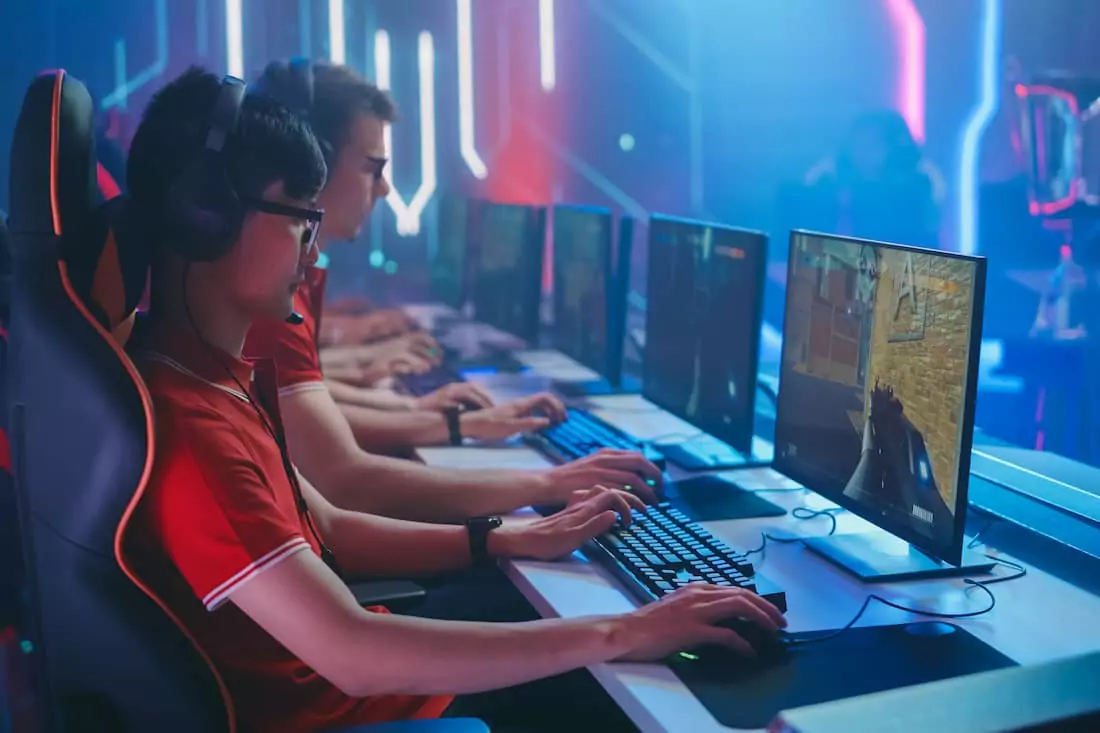

Introduction to Competitive Gaming
Competitive gaming, commonly referred to as e-sports, has evolved significantly over the past few decades, transitioning from a casual pastime to a highly structured and formalized sporting arena. This transformation can be attributed to several key factors, including technological advancements, the rise of online gaming communities, and increased media coverage.
The early days of competitive gaming can be traced back to the late 1970s and early 1980s when arcade games such as “Pong” and “Space Invaders” captivated players. However, the first significant milestone in the world of e-sports emerged in 1980 with the “Space Invaders Championship,” which was one of the first organized tournaments that attracted players from various backgrounds. This event laid the groundwork for the competitive gaming landscape we see today.
As the years progressed, the introduction of home gaming consoles and personal computers facilitated easier access to video games. The 1990s witnessed further milestones with the advent of games like “Doom” and “Quake,” which fostered the growth of online multiplayer gaming and the establishment of competitive leagues. These developments enabled players to compete not only locally but also globally, which marked a significant shift in how gaming communities functioned.
In the 2000s, competitive gaming gained immense popularity with the emergence of professional teams and sponsorship opportunities. Major tournaments, such as the Electronic Sports World Cup (ESWC) and the World Cyber Games (WCG), provided platforms for players to showcase their skills and compete for substantial cash prizes. This era also signified the onset of streaming platforms and esports broadcasting, which allowed fans to connect with their favorite players and teams in real-time.
Today, competitive gaming represents a dynamic and rapidly growing industry that encompasses various genres, including first-person shooters, real-time strategy games, and battle royale formats. The increasing recognition of e-sports as a legitimate form of competition continues to attract diverse audiences and professional athletes, making it a significant aspect of contemporary digital culture.
Key Genres in Competitive Gaming
Competitive gaming has evolved into a multifaceted landscape, characterized by distinct genres that attract millions of players and viewers worldwide. Among the most prominent genres in this industry are first-person shooters (FPS), multiplayer online battle arena (MOBA), and real-time strategy (RTS) games. Each genre offers unique gameplay mechanics, strategies, and competitive environments, which contribute to its popularity in the e-sports scene.
First-person shooters (FPS) involve a player controlling a character from a first-person perspective, emphasizing quick reflexes and accurate aim. Games such as “Counter-Strike: Global Offensive” and “Call of Duty” have established themselves as giants in this genre. Notable tournaments like “ESL One” and the “Call of Duty League” showcase teams competing for significant prizes, testing both individual skill and teamwork. FPS games often require precise map knowledge and strategic use of various weapons, making them a thrilling spectator sport.
On the other hand, multiplayer online battle arenas, or MOBA games, like “League of Legends” and “Dota 2,” emphasize strategic thinking, teamwork, and character management. In these games, each player controls a single character while collaborating with teammates to defeat opponents. Major tournaments, such as “The International” and the “League of Legends World Championship,” draw vast audiences, with prize pools reaching millions of dollars. The focus in MOBA games is often on teamwork and strategy over individual skill, creating an engaging environment for both players and fans.
Lastly, real-time strategy (RTS) games, such as “StarCraft II” and “Age of Empires,” center around resource management and tactical decision-making. Players must build armies and manage resources while engaging in battle against opponents. Noteworthy tournaments like the “StarCraft II World Championship Series” highlight the intense competition and skill required in this genre. RTS games challenge players to think critically and adapt their strategies in real-time, making them tactically rich experiences that contribute to the vibrant competitive gaming community.
Notable Competitive Gaming Titles
Competitive gaming has witnessed the rise of several influential titles that have shaped the e-sports landscape. Each of these games brings unique gameplay mechanics and attracts vast audiences, thereby contributing substantially to the growth of the gaming industry. Among the pinnacle of competitive gaming titles, three stand out: League of Legends, Dota 2, and Counter-Strike, along with the newer and impactful phenomenon, Fortnite.
League of Legends, developed by Riot Games, has firmly established itself as a leader in the realm of e-sports since its launch in 2009. Its multiplayer online battle arena (MOBA) format has fostered a dedicated competitive scene, culminating in annual championship events with prize pools reaching millions. The game’s strategic depth, character customization, and team dynamics have created a rich environment for competitive play, attracting professional teams and a global fanbase.
Dota 2, developed by Valve Corporation, is another significant title in the e-sports community. Known for its complex gameplay and strategic elements, Dota 2 has also set records for prize money, particularly during its annual “The International” tournament. This title encourages deep teamwork and decision-making, and its impact on competitive gaming has been profound, often serving as a benchmark for other e-sports titles.
Counter-Strike, particularly the Global Offensive edition, has been a staple in competitive gaming since its inception as a mod for Half-Life. The tactical shooter format has led to its thriving e-sports scene, characterized by high-stakes tournaments and renowned teams. Its focus on skill, strategy, and teamwork has helped maintain its status as a competitive favorite worldwide.
Fortnite, while newer to the competitive scene, has quickly made its mark since its release in 2017. Combining elements of battle royale and building mechanics, Fortnite has not only attracted a massive audience but also fostered a vibrant competitive environment with substantial prize pools and esports events, appealing to a diverse player base.
The Competitive Gaming Community
The competitive gaming community is a vibrant and multifaceted ecosystem that plays a significant role in shaping the landscape of e-sports. This community encompasses players, fans, sponsors, and various support structures intertwined through a shared passion for competitive gaming. Central to this community is the concept of teamwork, which is essential for success in e-sports. Many games feature team-based formats that require players to collaborate closely, strategizing and executing plans together, thus fostering camaraderie amongst players.
Furthermore, the rise of clans and gaming organizations has provided a structured way for players to connect and compete. These clans often serve as support networks, where members not only improve their gaming skills but also build friendships, enhancing the overall experience of competitive gaming. Online communities, hosted on forums like Reddit, Discord, and other social media networks, further amplify these connections by providing platforms for discussion, strategy sharing, and social interaction among players.
Additionally, the advent of streaming platforms such as Twitch and YouTube has played a pivotal role in the expansion of the competitive gaming community. Through live streaming and video content, players can showcase their skills and engage with fanbases, promoting a culture of interaction and participation. Fans can follow their favorite players, chat during live streams, and even get involved in community-driven events. This relational dynamic between players and fans not only fuels the competitive gaming scene but also encourages the inclusion of diverse audiences.
As competitive gaming continues to evolve, the importance of community engagement cannot be understated. The culture of collaboration, shared experiences, and mutual support within this ecosystem is what drives the thriving world of e-sports today. These elements combine to create an enriching environment that nurtures talent, champions fair play, and promotes the growth of competitive gaming.
E-Sports Tournaments and Events
The competitive gaming landscape is dramatically shaped by various e-sports tournaments and events that attract millions of players and fans worldwide. These competitions serve not only as platforms for showcasing skill but also play a pivotal role in the growth and recognition of e-sports as a legitimate form of entertainment. Major tournaments such as The International, ESL One, and the League of Legends World Championship significantly contribute to the e-sports ecosystem.
The International, hosted by Valve Corporation, stands as one of the most prestigious events, particularly in the realm of Dota 2. It features a unique crowdfunding model where a percentage of in-game purchases contributes to the tournament’s prize pool, which has reached upwards of $40 million. Such substantial prizes not only attract top-tier teams but also elevate the visibility of e-sports to wider audiences. The event utilizes a double-elimination format, ensuring that even the best teams face challenges before possibly being eliminated.
Similarly, ESL One has made a mark in the competitive gaming community by organizing various tournaments across different titles, including Counter-Strike: Global Offensive and Dota 2. Each event spotlights elite teams and provides opportunities for emerging talents to gain recognition. With multiple live events occurring throughout the year, ESL One showcases the diversity and excitement of e-sports to global audiences, enhancing viewer engagement and participation.
Another hallmark of the e-sports calendar is the League of Legends World Championship. With a yearly culmination of regional competitions, this tournament boasts enormous viewer stats, often surpassing millions in simultaneous broadcasts. The format features multiple stages, allowing teams to progress through group stages into knockout rounds, creating a thrilling narrative for fans. The prize pool further incentivizes participation, leading to higher stakes and intensifying rivalries.
These major events not only provide substantial rewards but also foster a community that is passionate about competitive gaming. The effectiveness of these tournaments in drawing in viewers and creating narratives around rivalry, teamwork, and skill solidifies their significance within the broader e-sports industry.
The Financial Landscape of Competitive Gaming
Competitive gaming, commonly known as e-sports, has rapidly evolved into a thriving industry, drawing substantial financial investments and generating significant revenue streams. One of the primary components shaping the finances of this sector is sponsorship. Major corporations recognize the vast audience that e-sports attracts, prompting them to invest in team sponsorships, tournament funding, and various marketing partnerships. These sponsorships provide teams not only with funding to cover expenses but also with essential promotional opportunities, enabling a wider reach for brands.
In addition to sponsorship deals, advertising plays a pivotal role in the economic framework of competitive gaming. The digital nature of e-sports allows for innovative advertising strategies, including targeted ads during live streams and branded content integrated into game narratives. Companies often collaborate with game developers and streaming platforms to create immersive ad experiences, thereby enhancing viewer engagement while providing measurable returns on investment.
Furthermore, the sale of media rights has become a fundamental aspect of the financial growth in e-sports. Tournament organizers often sell the rights to broadcast events to networks and online platforms. This approach expands the audience reach and is instrumental in attracting new viewers. As e-sports events are frequently streamed on platforms such as Twitch and YouTube, the ability to monetize these streams through media rights has introduced new revenue models for tournament organizers.
The overall financial landscape of competitive gaming showcases an industry that not only captivates millions of players and fans but also delivers substantial profits for stakeholders. Major companies are increasingly recognizing the lucrative opportunities that exist within e-sports, leading to continued investment that promises to shape the future of this vibrant gaming sector.
The Role of Streaming and Content Creation
In recent years, streaming platforms such as Twitch and YouTube have surged in popularity, significantly contributing to the growth and visibility of competitive gaming, commonly referred to as e-sports. These platforms provide an unprecedented opportunity for gamers and enthusiasts to share their experiences, gameplay, and insights with a global audience. As a result, the digital space has become a pivotal stage for aspiring professional players and seasoned veterans alike. By offering live broadcasts of gameplay, commentary, and tutorials, streamers create a dynamic environment that not only entertains but also informs.
Content creators play a fundamental role in shaping the e-sports landscape. They influence community engagement by fostering discussions surrounding favorite teams, strategies, and game mechanics. This engagement often attracts new players, acting as a gateway for those who may be unfamiliar with competitive gaming. For instance, a novice gamer may discover a new title and its corresponding competitive scene through a captivating stream or an engaging YouTube video. In this way, streaming acts as a catalyst for growth, drawing in newcomers eager to join established gaming communities.
Moreover, content creators actively promote e-sports events, bringing attention to tournaments and competitions that might otherwise go unnoticed. With their established audiences, these creators can drive viewers to major events, bolstering attendance and viewership numbers significantly. As the competitive gaming scene continues to evolve, the synergy between content creation and e-sports will likely expand, leading to innovative strategies for community building and fan engagement.
Ultimately, streaming and content creation serve as vital components within the e-sports ecosystem, enriching the overall experience for players and fans alike. Their impact is felt not only in the increased popularity of games but also in the broader acceptance of competitive gaming as a legitimate and celebrated form of entertainment.
Future Trends in Competitive Gaming
The competitive gaming landscape is evolving rapidly, with various emerging trends and innovative technologies poised to shape its future. One of the most significant advancements is the integration of virtual reality (VR) into e-sports. VR has the potential to create immersive experiences, allowing players and spectators to engage in a 360-degree gaming environment. This technology can elevate competitive gaming events beyond traditional formats, enabling players to perform in a more dynamic and interactive setting. As VR technologies mature, they may attract a broader audience, thus fostering a more competitive atmosphere.
Another vital trend is the increasing accessibility of competitive gaming. With platforms that enable cross-platform play and advancements in cloud gaming technology, players are no longer confined to specific hardware. This accessibility allows gamers from diverse backgrounds to participate in competitive gaming, thereby expanding the player base and enriching the competitive scene. Moreover, the growth of mobile gaming has further democratized access, as smartphones offer a convenient entry point for millions of potential players. The rise of mobile e-sports tournaments is a testament to the expanding demographics seeking to compete.
However, the competitive gaming industry faces challenges, particularly concerning infrastructure and regulation. As e-sports gains mainstream acceptance, maintaining fair play and addressing issues like cheating will be vital. Additionally, the rapid pace of technological advancements requires continuous adaptation and investment, which can be difficult for smaller organizations. Collaborations between gaming companies, regulatory bodies, and technology providers will be essential to foster a sustainable competitive gaming ecosystem that can navigate these challenges while embracing future trends.
Conclusion and Final Thoughts
In recent years, competitive gaming, commonly referred to as e-sports, has gained remarkable traction, establishing itself as a significant aspect of modern culture. The discussion surrounding the evolution of competitive gaming highlights not only its rapid growth but also its increasing legitimacy as a form of entertainment and professional pursuit. From organized tournaments that fill stadiums to online streaming platforms that attract millions of viewers, e-sports has transformed the landscape of leisure activities.
One of the key takeaways from this exploration is the multifaceted nature of e-sports. It encompasses a wide array of genres, catering to diverse audiences. Additionally, competitive gaming fosters a community that encourages collaboration, learning, and enjoyment among participants. Whether through competitive play, content creation, or supporting teams, each member plays an integral role in sustaining the vibrant e-sports ecosystem.
Moreover, the significance of competitive gaming extends beyond mere entertainment. It engages young individuals across the globe, often providing career opportunities that were previously unavailable, thus driving innovation in gaming technology and related industries. The rise of sponsorships and partnerships further underscores the financial potential and professionalism associated with e-sports.
In conclusion, as competitive gaming continues to evolve, it is vital for enthusiasts to engage more deeply with this dynamic community. Whether one chooses to participate as a player, support as a fan, or simply enjoy as a viewer, there exists a unique opportunity to connect with others who share a passion for competitive gaming. Ultimately, the e-sports arena not only entertains but also unites individuals across boundaries, demonstrating the power and potential of this increasingly influential cultural phenomenon.