

Introduction to Consumer Behavior Psychology
Consumer behavior psychology is a crucial discipline that examines the intricate processes influencing individuals when making purchasing choices. This field incorporates insights from psychology, economics, sociology, and marketing to create a comprehensive understanding of the factors that shape consumer habits. By studying these behaviors, businesses and marketers can better anticipate the needs and motivations of their target audience, ultimately enhancing their product offerings and marketing strategies.
At its core, consumer behavior psychology delves into the cognitive and emotional aspects that guide buying decisions. Various psychological factors, such as perception, motivation, and attitudes, interact to determine how consumers assess products, consider alternatives, and ultimately decide to make a purchase. For instance, a consumer’s perception of brand value can significantly influence their decision, often guided by personal experiences or societal influences. Understanding these dynamics is essential for companies aiming to create targeted marketing campaigns that resonate with consumers.
Moreover, consumer behavior is not just a reflection of individual choices; it is also shaped by social phenomena, including group dynamics, cultural trends, and economic conditions. As such, marketers need to be acutely aware of external influences that could impact consumer psychology. For example, the impact of social media can lead to shifts in consumer perceptions and expectations, prompting businesses to adapt swiftly to changing landscapes. The interplay between psychological factors and consumer choices emphasizes the importance of fostering a comprehensive understanding of consumer behavior psychology.
The significance of this field extends beyond mere sales figures; it also encompasses ethical considerations related to marketing practices and consumer welfare. Understanding the psychological nuances behind consumer behavior ultimately leads to more responsible and effective marketing strategies, enabling businesses to build stronger relationships with their customers.
The Role of Emotions in Decision Making
Understanding consumer behavior entails recognizing the significant influence emotions have on decision-making processes. Emotions drive individuals to act and help shape their preferences, perceptions, and ultimately their purchases. The affective-reflective model, which encompasses both immediate emotional reactions and more deliberate reflective thinking, highlights this interplay between emotion and cognition in consumer behavior.
When consumers encounter marketing stimuli, their initial emotional response can profoundly impact their subsequent choices. For instance, a well-crafted advertisement that evokes feelings of happiness, nostalgia, or excitement is more likely to resonate with potential buyers, making them more inclined to purchase the product. This emotional engagement is critical as it establishes a connection between the consumer and the brand, fostering loyalty and encouraging repurchases.
Brands recognize the importance of leveraging emotional triggers to enhance consumer engagement and drive sales. Companies often use storytelling, impactful visuals, and relatable characters to create compelling narratives that evoke specific emotions. For example, a car commercial might focus on the joy of family road trips to elicit feelings of warmth and togetherness, prompting consumers to associate those positive feelings with their vehicle. Moreover, emotional branding tends to create a lasting impression, as consumers often remember how a brand made them feel over the specifics of the product itself.
The role of emotions is further evident in the phenomenon of impulse buying, where consumers make spontaneous purchases driven by emotional states such as excitement or stress. In summary, understanding the role of emotions in decision making is essential for businesses aiming to connect effectively with their audience. By tapping into emotional responses, brands can not only enhance consumer engagement but also drive sales significantly.
Cognitive Processes Behind Consumer Choices
The decision-making processes of consumers are influenced by several cognitive functions, which are crucial in shaping their evaluations of products and brands. At the core of this understanding is perception, which is how consumers interpret sensory information and form impressions about products. This phenomenon is affected by various factors including marketing cues, advertisement strategies, and previous experiences. When a consumer perceives a product, their prior knowledge and expectations heavily influence their interpretations, demonstrating the need for brands to understand the perception layer through which their potential customers filter information.
Attention also plays a pivotal role in consumer choices. The limited capacity for attention leads consumers to filter information, often selecting only the most relevant or compelling messages. Brands must therefore craft their communications to grab attention effectively, employing visuals and concise wording, which help highlight unique value propositions. Moreover, the salience of a product in a particular context (its visibility and prominence) greatly affects whether or not a customer chooses to engage with it, ultimately influencing their buying decisions.
Memory serves as another critical cognitive component in the consumer decision process. Memories of past shopping experiences, brand interactions, and product quality all come into play when consumers evaluate options. Notably, the ability to recall a brand or a positive experience can enhance a consumer’s willingness to purchase, as familiarity often breeds trust. Furthermore, problem-solving skills are essential in navigating the marketplace, as consumers often face dilemmas such as comparing similar products or evaluating price points against perceived value. Understanding these cognitive aspects is crucial for marketers aiming to tailor their strategies effectively, optimizing consumer engagement and driving purchases.
Social Influences on Consumer Behavior
Understanding the psychology of consumer behavior requires an exploration of the various social influences that shape an individual’s purchasing decisions. Primary factors include the impact of family, friends, cultural norms, and the burgeoning role of social media. Each of these elements interacts to create a complex web of influences that guide consumer behavior.
Family is often the first social group to weigh heavily on one’s purchasing choices. The preferences and buying habits of family members can significantly sway an individual’s decisions. For instance, in households with children, the parents’ choices often dictate the brands and products purchased, showcasing how direct familial influence can dictate shopping behavior.
Friends and peers also play a vital role through mechanisms such as peer pressure and social proof. For example, when friends advocate for certain products through endorsements or by demonstrating genuine satisfaction with their purchases, potential buyers are more likely to consider those items. This phenomenon can be particularly pronounced in social settings where individuals feel compelled to fit in or reflect the values of their social group.
Cultural norms further add a layer of complexity to consumer behavior. Various cultures prioritize different values and beliefs, leading to distinct preferences in products and brands. These cultural differences can steer individuals toward specific purchasing decisions that may not align with their personal preferences but resonate with their social identity.
Moreover, the rise of social media has transformed the landscape of consumer behavior. Online platforms enable influencers and peers to provide recommendations or reviews that can sway potential buyers. Consumers often trust the opinions of individuals within their social networks, leading to increased visibility for products through shares and likes. Social media not only amplifies voices but also fosters communities around specific interests, further shaping consumer choices.
Understanding these social influences is crucial for marketers aiming to strategize effectively. By tapping into family dynamics, leveraging peer endorsement, recognizing cultural differences, and utilizing social media effectively, businesses can align their marketing strategies with the motivations driving consumer behavior.
The Importance of Brand Loyalty
Brand loyalty is a significant factor in consumer behavior that influences purchasing decisions and long-term business success. At its core, brand loyalty refers to the commitment of consumers to repurchase or continue using a brand’s products or services despite the presence of competitors. Understanding the psychology behind this loyalty is essential for companies aiming to cultivate and maintain a devoted customer base.
One of the primary psychological elements contributing to brand loyalty is satisfaction. When consumers consistently have positive experiences with a product or service, it fosters a sense of trust and emotional connection. This satisfaction is not merely derived from product quality, but also from factors such as customer service, brand values, and overall consumer experience. A satisfied customer is more likely to return and recommend the brand to others, reinforcing their loyalty.
Commitment also plays a crucial role in the development of brand loyalty. When consumers perceive a brand as aligning with their values or fulfilling their needs, they develop a psychological commitment to that brand. This commitment often leads to emotional investment, making customers less susceptible to alternative options in the marketplace. Brands that cultivate this sense of belonging through effective communications and community-building initiatives often see enhanced loyalty over time.
Moreover, trust is a vital component that fortifies the bond between consumers and brands. Trust is built over time through consistent quality, transparency, and ethical practices. When consumers trust a brand, they are more likely to forgive occasional lapses in service or quality since they believe in the brand’s integrity overall. This trust not only encourages repeat purchases but also transforms consumers into brand advocates, who willingly promote the brand within their communities.
To effectively create and maintain brand loyalty, businesses must focus on these psychological aspects by consistently delivering value, embracing transparency, and nurturing customer relationships. Ultimately, brand loyalty is a crucial ingredient in achieving sustainable business growth and a competitive advantage in today’s dynamic marketplace.
The Impact of Marketing and Advertising Strategies
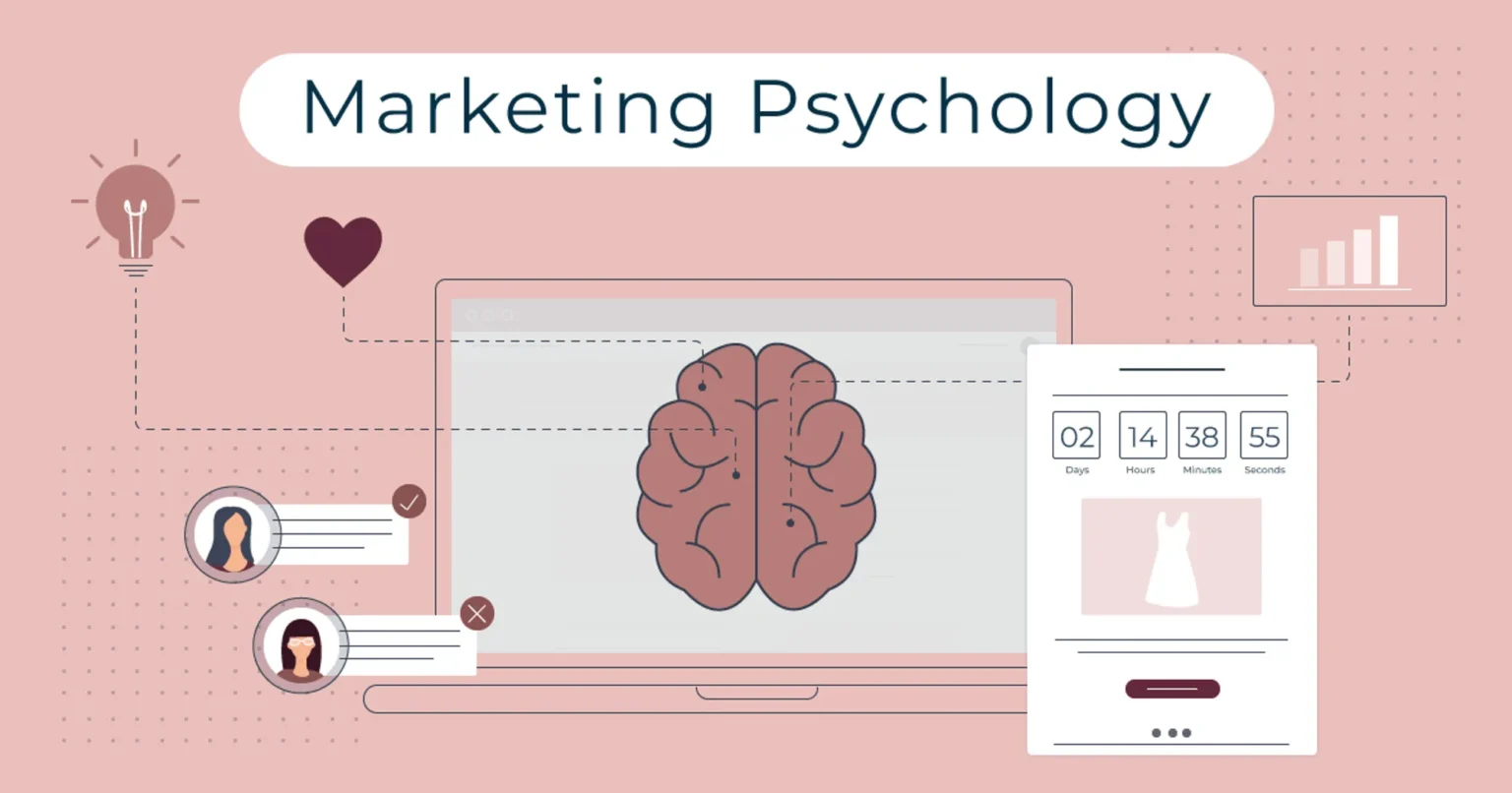
Marketing and advertising strategies play a pivotal role in shaping consumer behavior by leveraging psychological principles that drive decision-making processes. These strategies are designed not only to attract consumers but also to foster long-term brand loyalty. One prevalent technique is scarcity, which operates on the principle that limited availability increases perceived value. When consumers believe that a product is in short supply, they are more likely to purchase it immediately to avoid missing out, a phenomenon often referred to as the “fear of missing out (FOMO).” Brands frequently utilize this tactic by promoting limited-time offers or exclusive products, effectively influencing consumer urgency and encouraging impulsive purchases.
Another significant psychological principle utilized in marketing is authority. Consumers tend to trust and follow recommendations from authoritative figures or experts within a specific field. This is evident in advertising strategies that feature celebrities or industry specialists endorsing products, as their influence can significantly enhance consumer perceptions. The display of authority not only lends credibility to a product but can also create a sense of reassurance among potential buyers about the quality and reliability of the offering.
Reciprocity is another powerful psychological concept employed in marketing. This principle suggests that when consumers receive something of value, they feel a natural inclination to return the favor. Brands often utilize this strategy by offering free samples, promotional discounts, or useful information through content marketing, thereby fostering a sense of indebtedness among consumers. As a result, this can lead to increased purchases as consumers seek to reciprocate the perceived generosity of the brand.
Overall, understanding the intricate relationship between these marketing techniques and consumer psychology is crucial for crafting effective advertising strategies that resonate with target audiences. By strategically applying principles like scarcity, authority, and reciprocity, businesses can effectively influence consumer perceptions and behaviors, ultimately driving sales and enhancing brand loyalty.
Perception and Consumer Choices
Perception is a crucial aspect of consumer behavior, significantly influencing how individuals interpret information about products and brands. It serves as the lens through which consumers evaluate the value and quality of various offerings in the marketplace. By understanding the nuances of perception, marketers can better strategize their approach to resonate with target audiences.
One key aspect of perception is selective attention, which refers to a consumer’s ability to focus on specific stimuli while filtering out others. In a world overflowing with advertisements and promotions, consumers often develop the tendency to prioritize messages that align with their personal interests, needs, or preferences. This selective nature of attention not only affects what consumers notice but also how they perceive those messages. For example, a consumer who is seeking eco-friendly products may only notice advertisements that highlight sustainable practices, overlooking other competing messages.
Another significant concept is the halo effect, which occurs when a consumer’s overall impression of a brand influences their perception of its specific attributes. For instance, if a consumer has a positive experience with a particular product, they may automatically assume that all products of the same brand share similar high quality. This cognitive bias can heavily sway consumer choices, as good impressions in one area can enhance how a consumer perceives other unrelated aspects, such as customer service or product reliability. Therefore, marketers strive to cultivate strong, positive associations with their brands to leverage this effect.
Understanding how perception shapes consumer choices allows businesses to tailor their marketing strategies effectively. By aligning their messaging with consumer expectations and experiences, brands can enhance consumer engagement, leading to stronger brand loyalty and improved sales outcomes.
The Role of Personal Values and Beliefs
The interplay between individual values and beliefs and consumer behavior has become a focal point in understanding marketing dynamics. Personal values, which include ethics, principles, and priorities, directly influence purchasing decisions. Consumers tend to gravitate towards brands that reflect their core beliefs, as these alignments foster emotional connections and brand loyalty. For instance, an individual who places a high value on environmental sustainability may prefer to purchase products from companies that emphasize eco-friendly practices.
Moreover, personal beliefs can manifest in various ways throughout the consumer journey. Individuals are often motivated to engage with brands that advocate for social causes aligned with their morals. This phenomenon, known as values-based purchasing, signifies a marked shift from traditional consumer behavior, where price and convenience dictated choices. Today’s consumers frequently consider their purchases as extensions of their identity. As a result, brands that resonate with specific ethical standards—be it fair trade, cruelty-free, or community support—tend to thrive, as they aptly meet the expectations of an increasingly conscientious audience.
This alignment of values further encourages consumers to seek out information about a brand’s practices. Transparency becomes crucial, as consumers are motivated to research corporate social responsibilities and ethical commitments. They often utilize social media and online reviews to scrutinize a brand’s alignment with their values. Consequently, brands must navigate this landscape carefully, ensuring they communicate their principles authentically.
Ultimately, the congruence between a brand’s message and consumer values plays a pivotal role in shaping purchasing behavior. As brands strive to succeed in a competitive market, they must resonate with the personal beliefs of their target audience, fostering a genuine connection that extends beyond mere transactional relationships.
Conclusion: The Future of Consumer Behavior Research
Understanding consumer behavior is crucial for businesses striving to navigate the complexities of today’s dynamic market landscape. As we have explored in previous sections, consumer psychology is influenced by a variety of factors, including emotional responses, social influences, and cognitive biases. These elements play a pivotal role in shaping purchasing decisions, enabling companies to tailor their marketing strategies to better engage their target audience.
Looking ahead, several emerging trends are likely to redefine the field of consumer behavior research. The integration of advanced technologies such as artificial intelligence and big data analytics is poised to offer deeper insights into consumer preferences and purchasing patterns. These tools allow researchers to identify trends in real time, leading to more agile marketing approaches that can quickly adapt to changes in consumer sentiment.
Moreover, the increasing emphasis on sustainability and ethical consumerism indicates a shift in priorities among consumers. Businesses that understand these shifts and align their practices with consumer values will likely gain a competitive edge. Research into how these values affect buying decisions will be vital in shaping future marketing efforts.
Additionally, social media will continue to play a significant role in influencing consumer behavior. The platforms are not only vital for brand engagement but also serve as a rich source of data on consumer attitudes and preferences. Future research must consider the implications of social media dynamics in shaping consumer choices and how these platforms can be harnessed more effectively.
In conclusion, the future of consumer behavior research will require a multifaceted approach, integrating traditional psychological theories with modern technological advancements. By continuously studying and interpreting the nuances of consumer psychology, businesses can remain responsive to evolving market dynamics, ensuring sustained success in a rapidly changing environment.