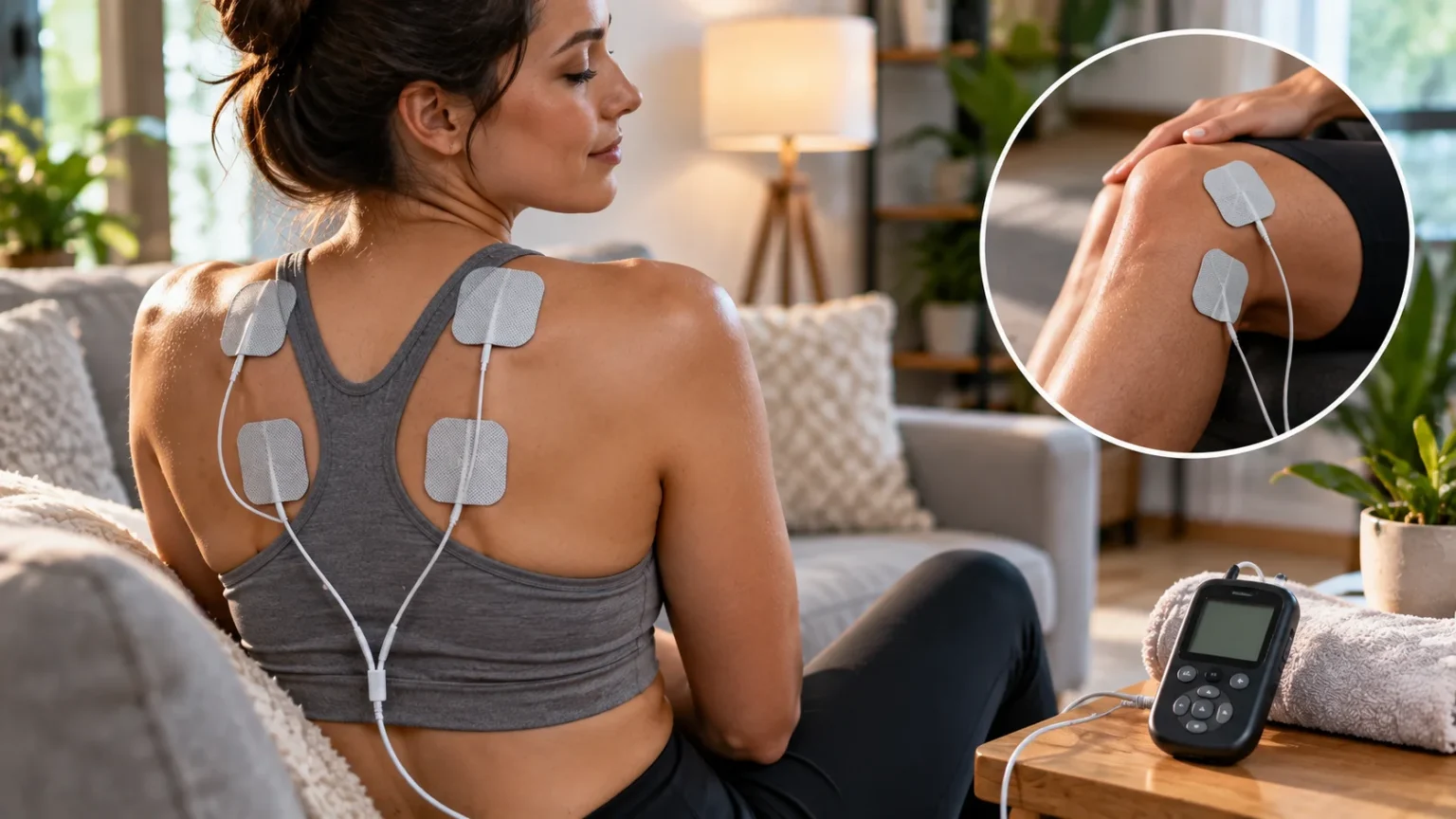

A TENS unit is commonly used for temporary pain relief, but many people also wonder whether it can relax tight or tense muscles. TENS stands for transcutaneous electrical nerve stimulation, a technique that sends mild electrical impulses through electrodes placed on the skin. These signals primarily influence how pain is perceived rather than directly loosening muscle tissue.
That said, reducing pain may indirectly help muscles feel less tense. When discomfort causes the body to guard an injured or sensitive area, nearby muscles can remain tight or stiff. If TENS decreases the pain signals reaching the nervous system, some people may find it easier to move comfortably, relax, and reduce protective muscle tension.
TENS should not be confused with electrical muscle stimulation, or EMS, which is specifically designed to cause muscle contractions. Understanding this difference is important when deciding whether a TENS unit is appropriate for muscle tightness, soreness, spasms, or pain. Used correctly, TENS may be a useful addition to a broader pain-management or rehabilitation plan.
How Does a TENS Unit Work?
A TENS machine uses small adhesive electrode pads that are placed on the skin around a painful area. The device sends low-voltage electrical impulses through the pads, creating a tingling or buzzing sensation. These electrical signals may interfere with pain messages traveling toward the brain, which can temporarily make discomfort feel less intense.
Another proposed effect involves the body’s natural pain-relieving chemicals. Certain TENS settings may encourage the release of endorphins, which can influence how the nervous system responds to discomfort. The amount of relief varies greatly between people, and some users experience a noticeable benefit while others feel little difference.
TENS does not normally repair injured tissue or directly correct the cause of muscular pain. Instead, it is generally used to manage symptoms while someone continues appropriate movement, rehabilitation, or medical treatment. This distinction matters because temporary pain reduction should not be mistaken for complete recovery from an underlying injury.
Does a TENS Unit Relax Muscles Directly?
A standard TENS unit is primarily designed to reduce pain rather than directly relax muscles. Unlike EMS devices, TENS generally uses stimulation patterns intended to activate sensory nerves without producing strong muscle contractions. Therefore, it would be more accurate to say that TENS may help muscles feel relaxed indirectly rather than physically forcing them to loosen.
Pain can cause muscles to tighten as part of the body’s protective response. For example, someone with back or shoulder pain may unconsciously tense nearby muscles to avoid movements that feel uncomfortable. By decreasing pain perception, TENS may reduce this protective guarding and make it easier for the person to move and relax normally.
The effect can feel like muscle relaxation even though the device is acting mainly on the nervous system. Results also depend on the reason the muscle feels tight in the first place. Tension related to pain may respond differently from tightness caused by weakness, overuse, poor mobility, dehydration, or an underlying medical condition.
Can TENS Help With Muscle Spasms?
Muscle spasms involve sudden, involuntary tightening of muscle fibers and can occur for many different reasons. They may follow overuse, fatigue, an injury, nerve irritation, or certain medical problems. TENS may reduce discomfort associated with spasms, but its ability to stop the underlying muscle contraction itself can vary considerably.
When pain contributes to continued muscle guarding, temporary pain relief may allow the affected area to settle. Some people use TENS alongside heat, gentle movement, stretching, hydration, or professionally prescribed exercises. The device should generally be viewed as one tool within a broader approach rather than the only treatment for recurring spasms.
Frequent, severe, or unexplained muscle spasms deserve medical assessment, especially when they occur with weakness, numbness, swelling, or loss of coordination. Repeatedly masking symptoms with TENS without understanding their cause can delay appropriate treatment. A healthcare professional can help determine whether the spasms are muscular, neurological, medication-related, or caused by another condition.
What Types of Muscle Pain May Respond to TENS?
TENS is often used for temporary relief of musculoskeletal pain affecting areas such as the lower back, neck, shoulders, knees, or surrounding muscles. People experiencing soreness after physical activity may also try TENS when discomfort makes normal movement uncomfortable. Responses vary, so a setting that works well for one person may provide little relief for another.
The device may be particularly useful when pain itself is contributing to stiffness or protective tension. Reducing the discomfort can make gentle movement, stretching, or rehabilitation exercises easier to tolerate. This may indirectly improve the feeling of tightness without the TENS unit actually lengthening or releasing the muscles.
TENS is less useful when muscle discomfort is caused by a problem requiring specific medical treatment. Significant tears, fractures, infections, circulation problems, or neurological conditions will not be corrected by electrical nerve stimulation. Persistent or worsening pain should therefore be evaluated instead of repeatedly covered up with temporary symptom relief.
TENS vs. EMS for Muscle Relaxation
TENS and EMS devices may look similar, but they are designed for different purposes. TENS primarily stimulates sensory nerves to influence pain perception, while electrical muscle stimulation targets motor nerves and causes visible muscle contractions. The distinction is important when someone is specifically trying to improve muscle activation rather than simply reduce pain.
EMS is commonly used in rehabilitation or training settings to encourage muscle contractions when appropriate. Depending on the program, it may support muscle activation, strengthening, or recovery under professional guidance. TENS, by comparison, usually creates a comfortable tingling sensation without intentionally producing repeated strong contractions of the target muscle.
Neither device should automatically be described as a guaranteed muscle relaxer. Choosing between TENS and EMS depends on whether the main goal is pain management, muscle activation, rehabilitation, or another purpose. When recovering from an injury or dealing with persistent muscle problems, a physiotherapist can help determine which approach is more suitable.
How to Use a TENS Unit for Tight Muscles
Start by placing the electrode pads on clean, dry skin around the painful or tense area according to the device instructions. Pads are generally positioned around the discomfort rather than directly over bones or sensitive structures. Turn the intensity up gradually until you feel a strong but comfortable tingling sensation without sharp pain or burning.
A typical session may last around 20 to 30 minutes, although exact recommendations vary by device and individual circumstances. The intensity should remain comfortable throughout the session and should not cause skin irritation or distress. Always follow the manufacturer’s instructions regarding session length, pad placement, and how frequently the device can be used.
TENS can often be combined with gentle mobility work after symptoms settle. For example, someone dealing with tension around the hips or pelvic region may benefit from professionally appropriate relaxation strategies such as pelvic floor exercises rather than relying solely on electrical stimulation. The best approach depends on which muscles are involved and why they feel tense.
Where Should You Place TENS Pads?
Electrode placement depends on the location of the pain and the design of the specific TENS device. In many cases, pads are positioned on either side of or around the painful area so electrical stimulation passes through nearby sensory nerves. They should generally be placed on healthy, intact skin with enough space between them.
For back discomfort, pads might be placed around the painful muscles rather than directly over the spine. For shoulder or thigh pain, they may be positioned around the affected region while avoiding bony prominences and irritated skin. Consult the manufacturer’s placement guide because incorrect positioning can reduce effectiveness or create unnecessary discomfort.
Never place TENS electrodes across the chest, directly on the front or sides of the neck, over the eyes, or on broken or infected skin. Placement around areas with reduced sensation also requires caution because you may not recognize excessive stimulation. Medical guidance is especially important when you are unsure whether a particular location is safe.
How Long Does It Take for TENS to Work?
Some people notice reduced discomfort within several minutes of beginning a TENS session, while others require longer before feeling an effect. The sensation may gradually make the painful area feel less noticeable or easier to move. However, not everyone responds to electrical nerve stimulation, and lack of immediate improvement does not necessarily mean the device is being used incorrectly.
Pain relief can last only while the unit is operating for some users, while others experience continued improvement for a period afterward. The duration depends on the individual, type of pain, stimulation settings, and reason for the discomfort. TENS should therefore be considered a symptom-management tool rather than a predictable long-term cure.
Experimenting with safe intensity and pulse settings may help identify what feels most useful. Avoid turning the intensity excessively high because stronger stimulation does not automatically produce better results. If repeated sessions provide no noticeable benefit, another approach to pain management or muscle rehabilitation may be more appropriate.
Benefits and Limitations of Using TENS
One advantage of TENS is that it is non-invasive and can usually be used without medication when medically appropriate. Portable devices are relatively simple to use at home, making them convenient for people managing recurring musculoskeletal discomfort. The intensity can also be adjusted based on comfort rather than relying on one fixed level of stimulation.
Another potential benefit is that temporary pain reduction may encourage normal movement. When an area hurts less, people may find it easier to perform gentle exercises, walk, stretch, or participate in rehabilitation. Maintaining comfortable activity can be helpful because avoiding movement for prolonged periods sometimes contributes to additional stiffness and loss of strength.
The main limitation is that TENS does not address every source of muscle pain or tension. It cannot repair torn tissue, correct poor movement mechanics, restore strength, or treat serious medical conditions. For longer-term improvement, it may need to be combined with exercise, activity modification, appropriate rehabilitation, and treatment of the underlying cause.
Who Should Avoid Using a TENS Unit?
People with certain implanted electrical devices, such as some pacemakers or defibrillators, should not use TENS without medical approval because electrical stimulation may interfere with those devices. Individuals with heart conditions or other significant medical issues should also discuss TENS with their healthcare provider before beginning regular use.
Pregnant people should seek professional guidance before using TENS, particularly regarding electrode placement around the abdomen, lower back, or pelvic region. Extra caution is also appropriate for people with epilepsy, impaired sensation, circulation problems, or skin conditions. These circumstances do not always mean TENS is impossible, but individualized safety advice is important.
Stop using the device if stimulation causes burning, significant skin irritation, dizziness, unusual pain, or other concerning symptoms. Electrode pads should never be placed over wounds, infections, or areas where sensation is severely reduced. When in doubt about whether TENS is safe for you, consult a qualified healthcare professional before using it.
Can You Combine TENS With Stretching and Exercise?
TENS may be useful before gentle exercise if pain is making movement difficult. Reducing discomfort first can sometimes help people perform prescribed mobility or strengthening exercises with greater confidence. However, the temporary pain-relieving effect should not encourage you to perform movements that exceed your current physical capacity or aggravate an injury.
Stretching may also be helpful when genuine muscular tightness contributes to discomfort. Slow, comfortable movements can target flexibility while TENS addresses pain perception through a different mechanism. Combining approaches can therefore be more practical than expecting electrical stimulation alone to permanently change muscle length, strength, or movement quality.
Progressive strengthening is particularly important when weakness contributes to recurring discomfort. A rehabilitation program may include mobility exercises, resistance training, ergonomic changes, and gradual increases in activity alongside occasional TENS use. Addressing why pain or muscle guarding keeps returning is usually more valuable than repeatedly treating symptoms without changing contributing factors.
When Should You See a Healthcare Professional?
Seek professional assessment when muscle pain or tightness continues for several weeks despite reasonable self-care. Persistent symptoms may involve tendon problems, joint irritation, nerve compression, or other conditions that are difficult to identify without examination. A doctor or physiotherapist can evaluate the area and determine whether TENS makes sense within your treatment plan.
Medical attention is more urgent when pain follows significant trauma or occurs with severe swelling, weakness, numbness, fever, loss of bladder or bowel control, or difficulty walking. These symptoms should not be managed solely with a home electrical stimulation device. Identifying the underlying problem takes priority over temporarily reducing the sensation of pain.
You should also seek advice if muscle spasms are becoming more frequent or spreading to different areas. A healthcare professional can review your medications, activity levels, hydration, nerve function, and other possible causes. TENS may still be useful for symptom relief, but appropriate diagnosis helps ensure an important medical issue is not overlooked.
Conclusion
So, does a TENS unit relax muscles? Not directly in the same way that stretching or certain muscle-relaxation techniques work. TENS primarily stimulates sensory nerves to reduce pain perception, but that reduction in discomfort may indirectly decrease protective muscle guarding and make tense areas feel more relaxed.
TENS can be useful for some types of muscle soreness, spasms, and musculoskeletal pain, especially when discomfort limits comfortable movement. It can also complement stretching, strengthening, mobility exercises, and physical therapy. Results vary from person to person, and some individuals may experience little or no benefit.
Use a TENS unit according to its instructions and avoid unsafe electrode locations or excessive intensity. Persistent, severe, or unexplained muscle symptoms should be medically evaluated rather than repeatedly masked. When used appropriately, TENS can be a practical pain-management tool within a broader approach to improving movement and comfort.
FAQs
Does a TENS unit actually loosen tight muscles?
A TENS unit does not directly lengthen or loosen muscle fibers. However, reducing pain may decrease protective muscle guarding, which can make tight or uncomfortable muscles feel more relaxed.
Can TENS help muscle spasms?
TENS may reduce pain associated with muscle spasms, particularly when discomfort contributes to continued tension. Recurrent or unexplained spasms should still be assessed to identify their underlying cause.
How long should I use TENS on a muscle?
Many TENS sessions last around 20 to 30 minutes, but recommendations vary between devices. Always follow the manufacturer’s instructions and any guidance provided by your healthcare professional.
Is TENS better than massage for tight muscles?
They work differently. TENS primarily influences pain signals, while massage physically works on soft tissues. Which feels more helpful depends on the cause of the tightness, symptoms, and individual response.
Can I use TENS every day?
Some people use TENS regularly when it is safe and well tolerated. Follow your device instructions, monitor your skin, and seek professional advice if you need frequent TENS because pain continually returns.