

Frankincense Explained: Traditional Uses, Potential Benefits and Modern Evidence
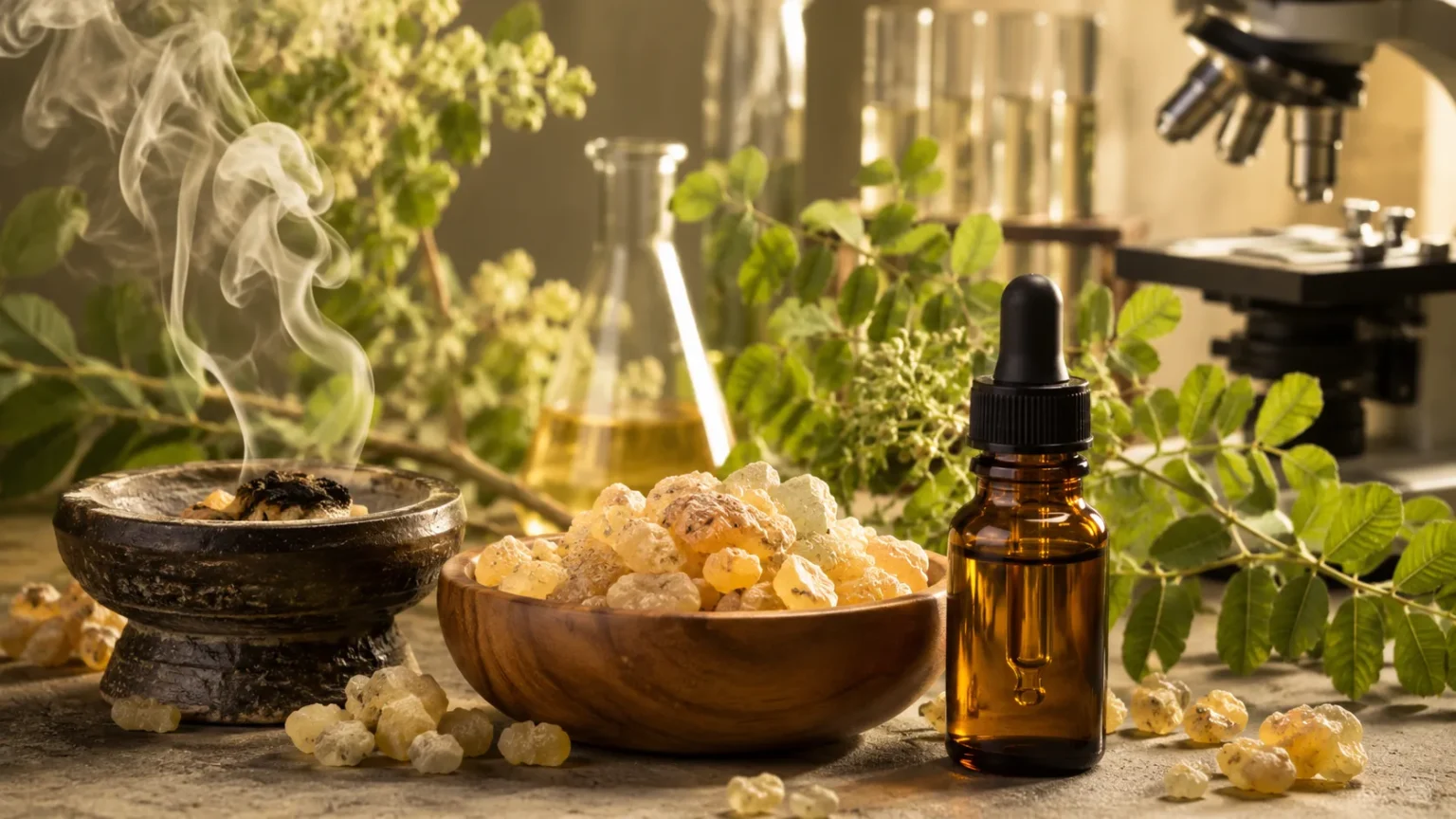
Frankincense has been valued for thousands of years as incense, perfume, traditional medicine, and part of religious ceremonies. It comes from the aromatic resin of trees belonging to the Boswellia genus, which grow mainly in parts of Africa, India, and the Arabian Peninsula. Today, frankincense is sold as raw resin, essential oil, topical skincare products, and oral Boswellia supplements. Its long history is fascinating, but traditional use alone does not confirm that every modern health claim is scientifically proven.
Interest in frankincense benefits has grown as people search for natural ways to manage joint discomfort, inflammation, digestive symptoms, stress, and skin concerns. Researchers have investigated compounds in Boswellia resin, particularly boswellic acids, for their potential effects on inflammatory pathways. Some findings are promising, especially in relation to osteoarthritis symptoms, but much of the clinical research remains small, short, or inconsistent. The evidence therefore supports cautious interest rather than broad claims that frankincense can treat numerous unrelated diseases.
One important detail is that frankincense essential oil and Boswellia extract are not interchangeable. Boswellic acids are found mainly in resin extracts used in oral supplements, while steam-distilled essential oil contains different volatile aromatic compounds. This means research involving Boswellia capsules cannot automatically be used to promote frankincense oil for the same purpose. Understanding the product form, plant species, extraction method, and dose is essential when evaluating marketing claims or deciding how frankincense might be used.
Scientific evidence also varies considerably between claimed benefits. Some human studies have examined oral Boswellia for joint pain, while many skincare, immune, antimicrobial, and anticancer claims come primarily from laboratory or animal research. Laboratory findings can help researchers identify potential mechanisms, but they do not prove that a product will produce the same effect in the human body. Reliable conclusions require well-designed clinical trials that compare standardized products with appropriate control treatments over meaningful periods.
Frankincense may have a place as a complementary wellness product, but it should not replace medical diagnosis or prescribed treatment. Joint pain, breathing difficulties, persistent digestive symptoms, and unusual skin changes can have causes that require professional care. People who use supplements should tell their healthcare providers because natural products may cause side effects or interact with medicines. A balanced approach respects frankincense’s cultural history while separating established evidence, early research, and unsupported health promises.
What Is Frankincense and How Is It Commonly Used?
Frankincense is produced when the bark of a Boswellia tree is carefully cut, allowing a milky sap to escape and harden into resin droplets often called tears. Different species, including Boswellia serrata, Boswellia sacra, Boswellia carterii, and Boswellia frereana, may produce resins with different chemical profiles and aromas. Geography, harvesting methods, climate, storage, and processing can also influence quality. As a result, products carrying the frankincense name may differ substantially in composition and potential biological activity.
Raw frankincense resin has traditionally been burned as incense, chewed in certain cultures, or used in traditional preparations. Modern aromatherapy commonly uses steam-distilled frankincense essential oil in diffusers, massage blends, bath products, and personal fragrances. The warm, woody aroma may create a calming atmosphere for some users. However, enjoying an aroma is different from treating a medical condition, and inhalation studies involving frankincense remain limited compared with the stronger body of research available for some other essential oils.
Boswellia supplements are typically made from concentrated resin extracts rather than essential oil. They may be marketed for joint health, mobility, inflammatory discomfort, or digestive support. Labels sometimes list total boswellic acids or specific compounds such as acetyl-11-keto-beta-boswellic acid, commonly shortened to AKBA. Standardization can make a product more consistent, but a higher listed percentage does not automatically guarantee better absorption, effectiveness, or manufacturing quality. Different extracts studied in trials cannot always be treated as equivalent.
Topical frankincense products include diluted essential oils, creams, serums, balms, soaps, and massage preparations. They are often promoted for smoother-looking skin, relaxation, scars, wrinkles, or localized discomfort. Cosmetic use may be enjoyable, but strong claims about repairing damaged tissue, erasing scars, or treating inflammatory skin disease go beyond the available evidence. Essential oils are concentrated substances, so applying undiluted frankincense oil can irritate sensitive skin even when the product is described as pure or natural.
The intended use should determine which product form is considered. Evidence involving oral Boswellia extracts is most relevant to supplements, while aromatherapy research relates to inhaled volatile compounds and cosmetic research relates to topical preparations. Consumers should be cautious when a seller uses evidence from one form to market another. Clear labeling should identify the Boswellia species, plant part, extraction method, intended route of use, and ingredient concentration so buyers can make a more informed decision.
Frankincense for Joint Pain and Inflammation: What the Evidence Shows
Joint health is one of the most frequently researched uses of Boswellia. Several clinical trials have examined standardized oral extracts in people with knee osteoarthritis, a condition involving pain, stiffness, reduced mobility, and changes within the joint. Some studies report improvements in pain scores, walking ability, stiffness, or physical function compared with placebo. These findings suggest that certain Boswellia preparations may provide modest symptom support for some individuals, particularly when used as part of a broader osteoarthritis management plan.
The potential effect is often connected to boswellic acids and their influence on inflammatory pathways. Laboratory studies suggest that these compounds may affect enzymes and signaling processes involved in inflammation. However, reducing an inflammatory marker in a laboratory is not the same as producing reliable pain relief in everyday clinical practice. Absorption, product formulation, dose, duration, individual health, and the specific cause of pain all influence whether a supplement creates a noticeable benefit.
Recent evidence reviews have reached cautious rather than definitive conclusions. Some analyses find that Boswellia extracts improve osteoarthritis symptoms, while others note substantial differences between studies and less convincing results when all comparison groups are combined. Trials often use different formulations, doses, treatment durations, and outcome measurements, making direct comparison difficult. Many studies also involve relatively small participant groups. Larger independent trials are needed to establish which preparation works best, how long benefits last, and which patients are most likely to respond.
Boswellia should not be presented as a cure for osteoarthritis or as a way to rebuild damaged cartilage. Osteoarthritis treatment may include education, appropriate exercise, weight management when relevant, physical therapy, topical medicines, oral medication, injections, or surgical evaluation depending on severity. A supplement might be considered alongside these approaches after discussing safety with a clinician. Relying only on frankincense while pain, swelling, weakness, or mobility steadily worsens could delay treatment that has stronger supporting evidence.
People considering Boswellia for joint discomfort should use realistic measures of success. Improvements may include easier walking, less morning stiffness, better sleep because of reduced discomfort, or a modest decrease in pain. Keeping a symptom record can help determine whether a product is making a meaningful difference. If no benefit appears after a reasonable clinician-approved trial, continuing indefinitely may only add expense and risk. Sudden joint swelling, severe pain, fever, injury, or an inability to bear weight requires medical assessment rather than supplement experimentation.
Digestive and Respiratory Uses Need More Research
Traditional medicine has used Boswellia preparations for digestive complaints, and researchers have explored their possible role in inflammatory bowel conditions. Small studies have examined Boswellia in people with ulcerative colitis or other gastrointestinal disorders, but the available evidence is not strong enough to establish it as a reliable treatment. Products, study methods, and patient groups have varied considerably. Current findings should therefore be viewed as preliminary rather than proof that frankincense can control intestinal inflammation.
Inflammatory bowel disease requires careful medical management because uncontrolled inflammation can lead to bleeding, nutritional deficiencies, severe pain, and other complications. Prescribed medicines are selected according to disease location, severity, previous response, and individual risk. Replacing them with Boswellia may allow the condition to worsen even if symptoms temporarily appear manageable. Anyone with persistent diarrhea, blood in the stool, abdominal pain, fever, dehydration, or unexplained weight loss should seek medical care instead of relying on a resin supplement.
Frankincense is also promoted for indigestion, bloating, stomach discomfort, and general gut health. These claims often extend beyond the research. Digestive symptoms can result from food intolerance, infection, medication effects, irritable bowel syndrome, ulcers, gallbladder disease, or other conditions. Boswellia supplements may themselves cause gastrointestinal effects such as nausea, heartburn, abdominal discomfort, or diarrhea in some users. A product advertised for digestive support can therefore make symptoms worse rather than better for certain individuals.
A few small studies have investigated oral Boswellia for asthma symptoms, possibly because of its effects on inflammatory pathways. The results have generated interest, but the evidence remains too limited to show that it is an effective asthma treatment. Asthma can become life-threatening when airways tighten significantly, so controller and rescue medicines should be used exactly as prescribed. Frankincense supplements, essential oils, or vapor should never replace an inhaler, medical monitoring, or an established asthma action plan.
Aromatherapy can also irritate sensitive airways. Strong scents, smoke from burning resin, diffuser particles, and fragranced products may trigger coughing, headaches, wheezing, or chest tightness in susceptible people. Individuals with asthma, chronic lung disease, scent sensitivity, infants, and pets may be especially affected by poorly ventilated use. Anyone who experiences breathing difficulty after using frankincense should stop the exposure and move to fresh air. Severe wheezing, blue lips, faintness, or difficulty speaking requires emergency medical attention.
Skin, Oral Health and Aromatherapy Benefits
Frankincense essential oil is widely included in skincare products promoted for mature, dry, blemish-prone, or irritated skin. Laboratory research has identified compounds with possible antimicrobial or anti-inflammatory activity, but human clinical evidence for frankincense skincare remains limited. A pleasant moisturizer containing properly diluted oil may improve how skin feels because of its full formulation, not necessarily because frankincense has reversed aging. Claims that it permanently removes wrinkles, scars, stretch marks, or pigmentation are not supported by strong clinical evidence.
Some early research has explored essential oils, including frankincense, for inflammatory skin conditions. Although selected studies report potentially positive findings, product quality, participant numbers, and trial methods differ. Skin disorders such as eczema and psoriasis can worsen with fragranced products, even when an ingredient is marketed as soothing. Essential oils may also cause redness, burning, itching, or allergic contact dermatitis. A patch test and professional advice are sensible for anyone with reactive skin or an existing dermatological condition.
Frankincense has a history of use in oral hygiene, and preliminary research has examined Boswellia-related ingredients for plaque, gum inflammation, or oral microorganisms. These findings are not enough to show that frankincense can prevent cavities, reverse gum disease, or replace dental treatment. Persistent bleeding gums, mouth ulcers, tooth pain, swelling, or bad breath may indicate a condition requiring professional care. Swallowing essential oil or applying a concentrated product directly to oral tissues can cause irritation and should be avoided.
In aromatherapy, many people use frankincense because its earthy fragrance feels grounding, relaxing, or suitable for meditation. Scent can influence mood, memory, breathing patterns, and the atmosphere of a room, so a subjective sense of calm is entirely possible. However, limited direct evidence means frankincense should not be described as a proven treatment for anxiety, depression, insomnia, or trauma-related conditions. It may complement a relaxing routine, but it cannot replace therapy, prescribed medicine, or urgent mental health support.
A safe aromatherapy experience depends on moderate use and good ventilation. Diffusers should be operated according to their instructions rather than continuously filling a closed space with concentrated fragrance. Burning resin produces smoke and particulate matter, which may be uncomfortable for people with respiratory conditions. Essential oil should be kept away from the eyes and stored securely around children and animals. If fragrance causes nausea, dizziness, coughing, or headache, stopping use is more appropriate than assuming the reaction is part of a beneficial cleansing process.
Cancer, Immunity and Other Popular Frankincense Claims
Online discussions sometimes describe frankincense as a natural cancer cure because Boswellia compounds have shown effects on cancer cells in laboratory experiments. These studies are useful for generating research questions, but they do not demonstrate that taking a supplement or applying essential oil will treat cancer in people. Laboratory cells are exposed under controlled conditions that differ greatly from the human body. A substance may appear active in a dish yet fail to reach a tumor safely or effectively in clinical treatment.
Limited human research has examined Boswellia in specialized cancer-care settings, including its possible role in managing treatment-related swelling around certain brain tumors. Such investigations do not show that Boswellia destroys the tumor or replaces chemotherapy, radiation, immunotherapy, surgery, or other evidence-based care. Cancer patients should discuss every supplement with their oncology team because products may affect bleeding, liver function, treatment metabolism, or surgical planning. Concealing supplement use can make safe treatment decisions more difficult.
Frankincense is also frequently promoted as an immune booster. The immune system is a complex network that must remain balanced rather than permanently stimulated. Laboratory evidence suggesting that a plant compound affects immune activity does not prove that a consumer product prevents infections. There is no reliable evidence that frankincense prevents or treats COVID-19, influenza, or other viral illnesses. Vaccination, appropriate hygiene, timely testing, and recommended medical care remain more dependable preventive and treatment strategies.
Claims involving hormone balance, fertility, detoxification, memory improvement, blood sugar control, or rapid weight loss are similarly unsupported by strong clinical evidence. The word detox is especially misleading because the liver, kidneys, lungs, and digestive system already process and remove waste. A fragrant oil cannot extract unspecified toxins through the skin or air. Broad claims that one product corrects many unrelated conditions should be treated as marketing signals rather than signs of exceptional therapeutic value.
Responsible health communication distinguishes between plausible mechanisms, early findings, and proven clinical outcomes. Frankincense contains biologically active compounds, but biological activity does not guarantee a meaningful benefit or make a product safe for everyone. The most reasonable current conclusion is that certain standardized Boswellia extracts may help some people with osteoarthritis symptoms, while evidence for many other uses remains preliminary or insufficient. That narrower message is less dramatic than online miracle claims, but it is more useful for informed decision-making.
How to Use Frankincense More Safely
Oral Boswellia supplements should be treated like other biologically active products rather than ordinary foods. Possible side effects include stomach discomfort, nausea, heartburn, diarrhea, headache, or allergic reactions. Product concentrations vary, so doses used in one study may not apply to another supplement. More is not necessarily better, and combining several products containing Boswellia can unintentionally increase total intake. A pharmacist or healthcare professional can help evaluate the label, dose, and suitability for an individual’s health needs.
Medication interactions deserve particular attention. Boswellia may increase bleeding risk when combined with anticoagulant or antiplatelet medicines, and there may be other interactions that have not been fully studied. People preparing for surgery, managing a bleeding disorder, or taking several prescriptions should obtain professional advice before use. Supplements should not be started simply because a product is available without a prescription. Natural origin does not guarantee freedom from drug interactions, contamination, dosing errors, or adverse effects.
Safety information during pregnancy and breastfeeding is limited, making self-directed medicinal use difficult to justify. Parents should also speak with a qualified pediatric healthcare professional before giving Boswellia supplements to children. People with liver or kidney disease, digestive disorders, allergies, asthma, or ongoing cancer treatment require individualized guidance. Stop using the product and seek advice if new abdominal pain, persistent vomiting, unusual bleeding, rash, facial swelling, or breathing difficulty develops after taking it.
Topical frankincense essential oil should be diluted in an appropriate carrier oil or professionally formulated product before application. A patch test on a small area can help identify irritation before wider use, although delayed reactions can still occur. Avoid applying the oil to broken skin, eyes, inside the mouth, or other sensitive tissues. Discontinue use if redness, burning, swelling, or itching appears. “Therapeutic grade” is primarily a marketing phrase and does not make undiluted application automatically safe.
Essential oil should not be swallowed unless a qualified professional has specifically recommended a regulated preparation intended for that route. Aromatherapy oil and oral Boswellia extract are chemically different products, and accidental ingestion can cause harm. Store bottles securely because small quantities may be dangerous to children or pets. If essential oil is swallowed, contact a local poison information service or healthcare professional rather than inducing vomiting. Safe use depends on the correct product, route, concentration, and personal health context.
How to Choose a Quality Frankincense Product
Start by deciding whether the goal involves aroma, topical skincare, or an oral supplement. An essential oil intended for diffusion should not be evaluated using research on Boswellia capsules, while a cosmetic serum should not be expected to produce the effects studied with oral extracts. Clear product selection reduces confusion and makes claims easier to evaluate. If the label does not explain the intended use or encourages the same bottle to be swallowed, diffused, and applied undiluted, consider choosing a more transparent manufacturer.
A useful label should identify the Boswellia species, plant material, extraction method, concentration, serving size, and full ingredient list. Supplement labels may state whether the resin extract is standardized to boswellic acids or another measurable compound. Essential oil labels should identify the botanical name and avoid vague descriptions such as pure healing blend without further detail. Be cautious when companies hide quantities behind proprietary blends, because consumers cannot determine how much of each ingredient they are receiving.
Independent testing can provide additional confidence that a product contains what the label claims and does not exceed limits for selected contaminants. Look for manufacturers that provide lot numbers, batch testing, traceability, realistic storage instructions, and accessible contact information. Third-party certification does not prove that a supplement works, but it can help assess manufacturing quality. Avoid assuming that a high price, luxury packaging, organic claim, or ancient-use story guarantees purity, correct identification, or clinical effectiveness.
Marketing language is another useful quality signal. Responsible companies describe potential uses cautiously and acknowledge limitations, while unreliable sellers often promise cures, guaranteed results, or rapid transformation. Testimonials cannot replace controlled research because personal improvements may reflect other treatments, natural symptom changes, or expectations. Be particularly cautious with claims that frankincense treats cancer, eliminates infection, repairs joints, balances every hormone, or detoxifies the body. No single resin product has been proven to deliver such a broad range of outcomes.
Sustainability and ethical sourcing also matter because Boswellia trees can be stressed by excessive tapping and environmental pressures. Companies that explain harvesting regions, supplier relationships, and conservation practices may offer greater transparency. Using only the amount needed also reduces waste and unnecessary exposure. Ultimately, the best frankincense product is not the one with the most dramatic claims. It is one that suits a clearly defined purpose, provides honest labeling, meets reasonable quality standards, and fits safely within an evidence-informed care plan.
Final Thoughts on Frankincense Benefits
Frankincense occupies an interesting space between cultural tradition, modern wellness, and emerging medical research. Its resin has genuine historical importance, and Boswellia contains compounds worthy of scientific investigation. The strongest current clinical interest concerns oral extracts for osteoarthritis symptoms, although even this evidence has limitations. Many other popular uses, including digestive treatment, skincare transformation, immune enhancement, and cancer therapy, require stronger human research before confident health claims can be made.
Consumers can avoid much confusion by separating frankincense resin extract from frankincense essential oil. Oral Boswellia studies do not prove that inhaling or applying essential oil will produce the same result. Likewise, laboratory findings do not establish that a commercial product treats disease in people. Asking which product, which dose, which route, and which type of evidence supports a claim makes health marketing easier to evaluate and reduces the risk of inappropriate use.
Personal experience still matters, especially when frankincense is used for fragrance, relaxation, or a pleasant skincare routine. Someone may genuinely enjoy the aroma during meditation or feel that a diluted topical product improves their daily ritual. These experiences do not need to be dismissed, but they should be described accurately. Feeling calmer in a pleasant environment is different from treating an anxiety disorder, just as enjoying a massage blend is different from controlling inflammatory joint disease.
Anyone considering medicinal use should discuss Boswellia with a healthcare professional, particularly when taking prescription medicines or managing a chronic condition. This conversation does not require rejecting traditional practices. Instead, it helps determine whether the product is safe, whether symptoms need diagnosis, and how progress should be measured. Complementary care is most useful when it works alongside appropriate medical treatment rather than encouraging people to delay, replace, or abandon necessary care.
The most balanced answer to whether frankincense works is that the outcome depends on the product and intended use. Certain oral extracts may offer modest support for osteoarthritis symptoms, while aromatherapy may provide a personally calming experience. Evidence for many other claims remains limited, preliminary, or absent. Choosing quality products, avoiding exaggerated promises, monitoring side effects, and maintaining realistic expectations allows people to explore frankincense without losing sight of what current science can genuinely support.
Frequently Asked Questions About Frankincense
What is the main health benefit of frankincense?
The most promising evidence involves standardized oral Boswellia extracts for reducing osteoarthritis pain and stiffness. Research remains mixed, and these supplements should complement rather than replace established care.
Can frankincense essential oil be applied directly to the skin?
Undiluted essential oil may irritate or sensitize the skin. Use a properly formulated product or dilute it in a suitable carrier oil and perform a patch test first.
Is frankincense safe to take every day?
Some Boswellia extracts have been used for limited periods in clinical studies, but long-term safety varies by product and individual. Ask a healthcare professional before daily use.
Does frankincense reduce anxiety or improve sleep?
Its aroma may feel calming and support a relaxing routine, but evidence does not establish frankincense as a treatment for anxiety disorders or chronic insomnia.
Can frankincense treat cancer?
No reliable evidence shows that frankincense cures cancer in humans. Laboratory findings do not replace clinical treatment, and cancer patients should discuss every supplement with their oncology team.