

Retro Fashion Styles Explained: How to Dress With the Best Looks From Past Decades
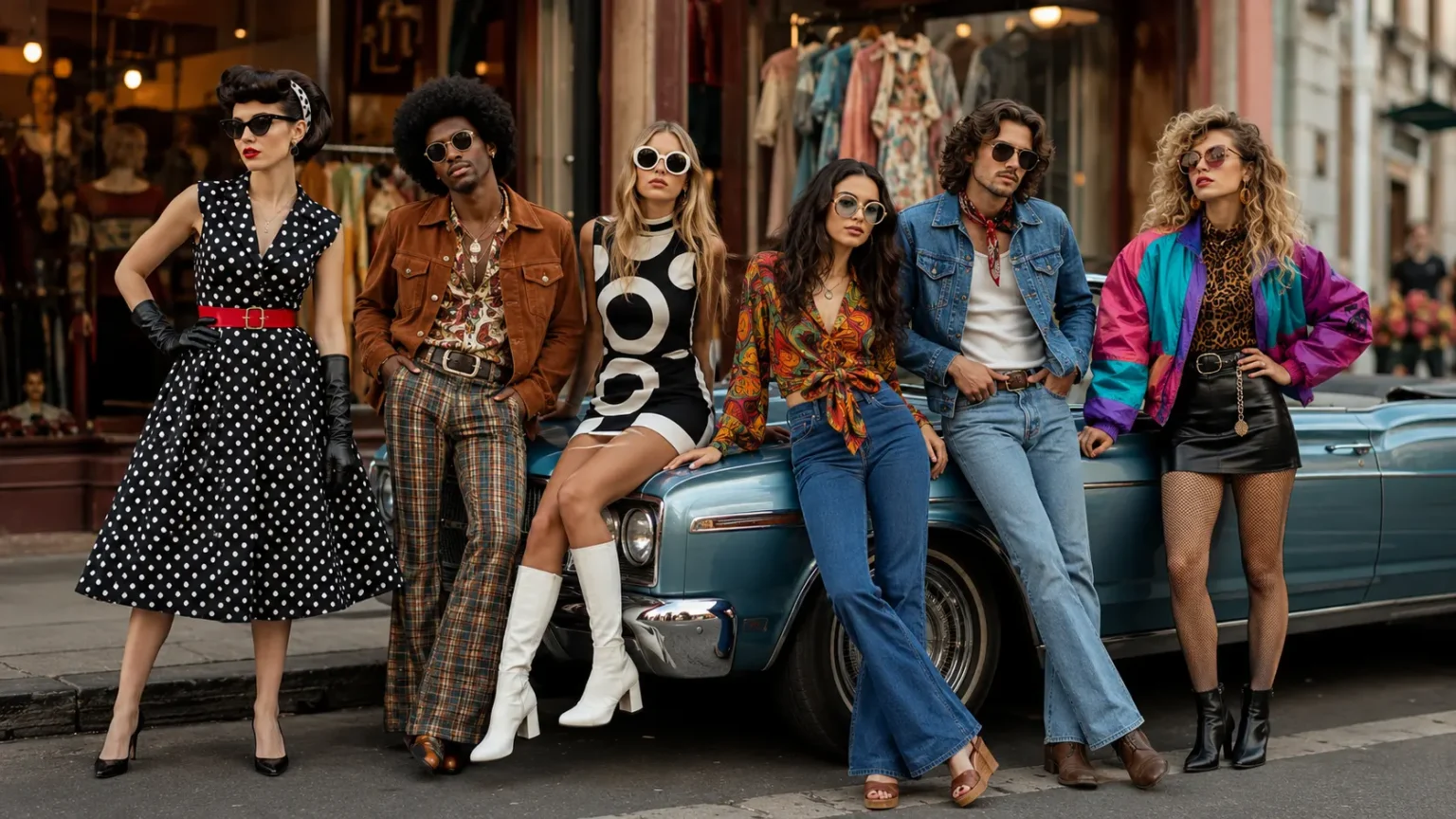
Retro fashion styles are clothing, accessories, colors, patterns, and silhouettes inspired by trends from previous decades. Instead of dressing exactly as people did in the past, retro fashion usually takes recognizable historical elements and gives them a modern interpretation. A person might wear flared jeans inspired by the 1970s with a contemporary fitted top, or combine a 1990s slip dress with current footwear. This ability to mix fashion history with modern styling is what makes retro fashion feel creative rather than simply outdated.
The term can cover many different decades because fashion nostalgia constantly changes. Styles from the 1950s may feature fitted waists and full skirts, while the 1960s bring mini dresses, graphic prints, and mod influences. The 1970s are strongly associated with flares, bohemian clothing, suede, and disco glamour. The 1980s introduce oversized tailoring, bold colors, and statement accessories, while 1990s fashion offers denim, minimalist dresses, grunge, and casual streetwear.
Early-2000s fashion has also become a major part of modern retro dressing. Low-rise silhouettes, baby tees, baguette bags, tinted sunglasses, cargo pants, metallic accessories, and playful jewelry are frequently described as Y2K fashion. Although people who lived through the period may not initially think of it as historical, fashion moves quickly enough that styles from two decades ago can already function as nostalgic references for younger generations discovering them for the first time.
One reason retro fashion remains popular is that fashion constantly revisits previous ideas. Designers rarely create clothing entirely disconnected from history. A modern runway collection might borrow a 1950s waist, a 1970s print, an 1980s shoulder, and a 1990s minimalist color palette within the same collection. Social media, vintage stores, films, celebrity archives, music culture, and resale platforms have made these references even easier for people to discover and personalize.
Understanding what retro fashion styles are therefore means recognizing that retro is not one specific aesthetic. It is a broad way of dressing that uses fashion history as inspiration. You can choose one decade, combine several eras, or add only a few nostalgic accessories to an otherwise contemporary outfit. The best retro styling usually takes something recognizable from the past and makes it feel natural within the wearer’s current wardrobe.
What Does Retro Fashion Actually Mean?
Retro fashion generally refers to newer clothing or styling that deliberately imitates or references the look of a previous period. The word “retro” is associated with looking backward, which explains why fashion uses it for designs inspired by earlier decades. A newly manufactured polka-dot dress with a fitted waist and full skirt, for example, may be described as retro because it recreates a silhouette strongly associated with mid-century fashion even though the garment itself was produced recently.
Retro styling can involve complete outfits, but it does not have to. Sometimes one detail is enough to create a nostalgic feeling. Cat-eye sunglasses can bring a 1950s mood to simple jeans and a shirt, while platform shoes can introduce 1970s energy. A scrunchie, small shoulder bag, and straight-leg jeans may immediately suggest the 1990s. These details allow people to participate in retro clothing trends without appearing as though they are wearing a historical costume.
The meaning of retro also changes with time. A decade considered modern during one generation eventually becomes nostalgic to another. In the 1990s, 1970s clothing already felt retro. Today, the 1990s and early 2000s themselves are regularly used as fashion references. This cycle shows how fashion memory works: styles disappear, become unfashionable, and then return after enough distance allows people to see them differently.
Retro fashion is also influenced by selective memory. When people recreate a decade, they rarely reproduce everything ordinary people wore during that period. Instead, certain visual signatures become symbols of the era. Bell-bottoms represent the 1970s, oversized shoulders suggest the 1980s, and slip dresses immediately evoke the 1990s. Fashion simplifies decades into recognizable design codes that can then be reused and reinvented.
This is why modern retro outfits can feel familiar without being historically exact. Their purpose is usually not to reconstruct a specific date but to capture the mood of an earlier fashion moment. Retro style works best when wearers understand the key pieces associated with a period and then adapt those pieces to their personality, body, lifestyle, climate, and existing wardrobe.
Retro Fashion vs. Vintage Fashion: What Is the Difference?
The words retro and vintage fashion are often used interchangeably, but they do not mean exactly the same thing. Vintage generally describes clothing that was actually produced in an earlier period, although the exact age range used by sellers can vary. A genuine 1970s blouse manufactured during the 1970s is vintage. A blouse made today using a 1970s-inspired floral print and exaggerated collar is retro rather than vintage.
This distinction becomes particularly important when shopping. A vintage store may carry original garments that are decades old, while a modern retailer can sell completely new clothing based on vintage silhouettes. Both can create the same overall aesthetic, but their history is different. Vintage items have actually survived from another era, while retro items intentionally reproduce or reinterpret historical design features.
There can also be practical differences. Genuine vintage garments may have unusual sizing, delicate fabrics, older closures, tailoring techniques, or signs of previous wear. Some pieces require alterations or careful cleaning. Modern retro clothing usually offers contemporary sizing and materials while reproducing the visual characteristics of older fashion. This can make retro clothing easier for someone who wants the look without the maintenance of an original piece.
Another useful term is vintage-inspired fashion, which sits close to retro. Brands may use original patterns, archival references, or traditional construction while manufacturing completely new garments. Reproduction clothing can go even further by attempting to recreate a historical item accurately. The fashion market therefore includes everything from authentic archival pieces to loose interpretations that use only a hint of a particular decade.
Neither retro nor vintage is automatically better. Vintage offers history, rarity, and the sustainability benefit of keeping an existing garment in use. Retro can offer easier sizing, durability, availability, and modern comfort. Many stylish wardrobes combine both. The important thing is knowing what you are purchasing and choosing pieces you genuinely plan to wear rather than focusing too heavily on labels.
1950s Retro Fashion: Full Skirts, Tailoring and Classic Glamour
1950s fashion is one of the most recognizable sources of retro inspiration. Women’s fashion from the decade is often represented through fitted bodices, defined waists, full skirts, pencil skirts, structured dresses, cardigans, and elegant outerwear. These silhouettes emphasized shape and polish, creating a dressed-up appearance that continues influencing occasion wear, vintage-inspired brands, and modern feminine styling.
The fit-and-flare dress is perhaps the clearest example. It usually follows the body around the upper torso, narrows around the waist, and expands into a fuller skirt. Modern versions can be worn with pumps for a formal retro look or styled with sneakers and a denim jacket for something much more casual. This flexibility explains why the silhouette has survived far beyond the decade that popularized it.
Pencil skirts create a different 1950s-inspired mood. Instead of volume, they emphasize a narrow, streamlined silhouette. Combined with a fitted knit, blouse, or cropped jacket, they create classic sophistication. Modern styling can soften the formal appearance through flats, loafers, relaxed shirts, or contemporary accessories, allowing the shape to remain wearable without feeling excessively period-specific.
Accessories are important when creating a 1950s retro style. Cat-eye sunglasses, silk scarves, small structured handbags, pearls, ballet flats, pumps, and delicate jewelry can instantly reference the era. Red lipstick and softly styled hair are also associated with the decade, although using every vintage element simultaneously can turn a modern outfit into something closer to costume.
Menswear from the period provides additional inspiration. Straight trousers, leather jackets, bowling shirts, loafers, fitted knitwear, denim, and classic white T-shirts all carry a mid-century feeling depending on how they are styled. This shows that 1950s retro fashion can range from highly polished glamour to rebellious rock-and-roll dressing, making the decade far more diverse than full skirts alone suggest.
1960s Retro Fashion: Mini Skirts, Mod Style and Bold Prints
The 1960s introduced dramatic changes as youth culture became increasingly powerful within fashion. Clothing became shorter, brighter, more graphic, and more experimental. 1960s fashion often brings to mind mini skirts, shift dresses, geometric prints, tall boots, colorful tights, cropped jackets, and clean mod silhouettes. These pieces continue returning because their strong shapes are easy to recognize and reinterpret.
The shift dress is particularly important. Unlike the strongly defined waist associated with much 1950s clothing, the shift falls more freely from the shoulders. Its simple construction provides an ideal background for bold colors, graphic patterns, or unusual accessories. Modern versions can appear minimalist in neutral fabrics or playful when combined with prints and statement footwear.
Mini skirts became another defining symbol of the decade’s changing youth culture. Today’s mini skirts come in countless fabrics and shapes, but retro styling often involves A-line cuts, checks, bright colors, or structured materials. Combined with tights, knee-high boots, and a fitted knit, the silhouette creates an obvious 1960s mod fashion reference without requiring a completely historical outfit.
Patterns were equally important. Optical prints, stripes, checkerboards, florals, psychedelic designs, and strong color combinations captured the optimism and experimentation associated with the decade. Modern wearers can introduce this influence through one printed item instead of an entire patterned outfit. A graphic coat or dress can carry enough visual impact to create the retro message on its own.
Accessories include oversized sunglasses, headbands, structured handbags, statement earrings, go-go-inspired boots, and playful jewelry. The key to making 1960s retro fashion work today is balancing strong shapes with simpler modern pieces. A mini shift dress with contemporary ankle boots feels inspired by the era; adding every possible historical accessory can make the same dress feel theatrical.
1970s Retro Fashion: Boho, Flares and Disco Style
Few decades offer more variety than the 1970s fashion aesthetic. The period included bohemian dressing, glamorous disco clothing, casual denim, folk-inspired designs, sportswear, punk beginnings, and sophisticated tailoring. This diversity makes the decade particularly easy to revisit because people can choose the version of 1970s style that best matches their personality rather than following one strict formula.
Flares and bell-bottoms remain some of the most recognizable pieces. Jeans or trousers that fit closer through the hips and widen toward the hem create a dramatic silhouette that can make the legs appear longer when combined with platform shoes or heeled boots. Modern high-waisted flares are especially easy to style because they balance the retro shape with proportions that work naturally alongside contemporary fitted tops and jackets.
Boho fashion represents another major part of the decade. Flowing maxi dresses, peasant blouses, crochet, suede, fringe, embroidery, earthy colors, patchwork, and natural-looking textures create a relaxed, artistic mood. Modern boho styling tends to be more edited than historical versions. A romantic blouse with wide-leg jeans or a suede jacket over a simple dress can communicate the influence without requiring a head-to-toe festival outfit.
Disco style provides the opposite mood. Metallic fabrics, sequins, halter tops, jumpsuits, platform footwear, dramatic sleeves, body-skimming silhouettes, and glamorous eveningwear reflect the nightclub culture associated with the later 1970s. These elements remain especially useful for parties because modern evening fashion continues to embrace shimmer, movement, and strong silhouettes.
The easiest way to wear 1970s retro style today is often through texture and proportion. Suede jackets, corduroy, wide collars, aviator sunglasses, platforms, flared denim, and warm colors immediately create the mood. Because 1970s fashion has repeatedly returned to contemporary collections, many of these pieces no longer feel strongly costume-like and can function as everyday wardrobe staples.
1980s Retro Fashion: Power Dressing, Neon and Statement Style
The 1980s are remembered for fashion that refused to disappear into the background. Strong shoulders, oversized silhouettes, vivid colors, metallic fabrics, leggings, leather, dramatic jewelry, bold prints, and athletic influences all helped create a decade of visual confidence. 1980s retro fashion works particularly well for people who enjoy statement pieces and are comfortable using clothing as a strong form of self-expression.
Power dressing became one of the decade’s defining ideas. Structured jackets with emphasized shoulders created an authoritative silhouette associated with professional ambition and changing workplace culture. Modern fashion continues returning to oversized blazers and strong shoulders, although contemporary versions are often balanced with simple trousers, jeans, fitted skirts, or minimal tops to keep the outfit from appearing excessively formal.
Color also defined the decade. Electric blue, hot pink, bright red, purple, lime, and neon shades appeared across casual clothing and activewear. Wearing several intense colors together creates a more obvious retro effect, while using one bright accessory or knit can make the influence subtler. This allows people who normally dress neutrally to borrow some 1980s energy without completely changing their style.
Accessories were intentionally noticeable. Large earrings, chunky necklaces, statement belts, scrunchies, oversized sunglasses, colorful bags, and bold footwear completed the look. 1980s accessories are particularly useful for modern retro dressing because they can transform very simple clothing. Jeans, a plain top, an oversized blazer, and sculptural earrings can reference the decade immediately.
The key to contemporary 1980s styling is editing. Pairing enormous shoulders, neon leggings, leg warmers, giant earrings, and teased hair at the same time may appear costume-like. Choosing one or two strong references allows the decade’s confidence to come through while preserving a modern appearance. Retro fashion becomes more sophisticated when the past is interpreted rather than copied exactly.
1990s Retro Fashion: Minimalism, Grunge and Casual Cool
The 1990s remain one of the strongest sources of fashion nostalgia because the decade offered several distinct aesthetics. Minimalism, grunge, hip-hop style, preppy clothing, sportswear, slip dresses, denim, and casual basics all became major influences. This diversity means 1990s fashion can look polished and restrained in one outfit and intentionally undone in another.
Minimalist 1990s dressing focused on clean lines and simple silhouettes. Slip dresses, column skirts, straight trousers, fitted tanks, leather jackets, basic knitwear, and neutral colors created an effortless appearance. Rather than depending on elaborate decoration, the look relied on proportion, fabric, and attitude. This aesthetic remains extremely easy to wear today because many of its pieces are already considered modern wardrobe basics.
Grunge represented a rougher alternative. Flannel shirts, ripped denim, band T-shirts, oversized sweaters, combat boots, worn leather, and layered pieces created a deliberately relaxed look. The aesthetic developed from music culture rather than polished luxury fashion, which gave it an anti-fashion feeling. Modern grunge fashion often combines one or two of these elements with cleaner contemporary pieces.
Denim was everywhere during the decade. Straight-leg jeans, relaxed fits, denim jackets, overalls, and high-waisted styles can all create a 1990s mood depending on the wash and styling. Pairing relaxed denim with a white tank, loafers, sneakers, or a simple blazer is one of the easiest ways to create a retro outfit without looking overly themed.
Accessories were relatively straightforward compared with the 1980s. Small shoulder bags, chokers, oval sunglasses, bucket hats, scrunchies, simple hoops, and minimalist shoes became recognizable signatures. Because many of these pieces have already returned repeatedly, ’90s retro style can blend almost seamlessly with contemporary fashion, which partly explains why the decade continues attracting new generations.
Y2K Retro Fashion: Early-2000s Style Returns
Y2K fashion refers broadly to styles associated with the late 1990s and early-to-mid 2000s, when technology optimism, pop culture, celebrity media, and futuristic aesthetics strongly influenced clothing. What once looked extremely contemporary is now being revisited as retro. Y2K fashion trends include low-rise bottoms, baby tees, cargo pants, tiny bags, shiny materials, rhinestones, tinted sunglasses, and playful accessories.
The silhouette is one of the easiest ways to recognize the era. Low-rise jeans and trousers contrasted with cropped fitted tops, while mini skirts and slim dresses emphasized youthful styling. Modern interpretations do not require copying the lowest rises of the original era. Mid-rise or relaxed trousers can capture the same mood while offering more flexibility and comfort for people who prefer different proportions.
Cargo pants and sporty clothing represent another side of Y2K style. Utility pockets, track jackets, fitted zip-ups, sneakers, parachute trousers, and technical-looking materials reflected an interest in both streetwear and futuristic design. Contemporary fashion has brought many of these pieces back, often with looser fits or cleaner fabrics that make them easier to combine with current wardrobes.
Accessories make the aesthetic particularly recognizable. Baguette bags, tinted wraparound sunglasses, chunky belts, rhinestone details, large hoop earrings, colorful hair clips, charm jewelry, and shiny shoulder bags can transform even a basic outfit. Because accessories require less commitment than changing an entire wardrobe, they provide an easy introduction to 2000s retro fashion.
The Y2K revival also demonstrates how quickly fashion cycles now move. Younger wearers may experience early-2000s clothing as exciting historical inspiration, while people who originally wore these styles can remember them as relatively recent trends. That generational difference is part of retro fashion’s appeal: the same piece can feel nostalgic to one person and completely new to another.
Key Clothing Pieces That Create a Retro Fashion Look
Flared jeans are among the easiest retro pieces because they can reference both the 1970s and later revival periods depending on styling. Combine them with a fitted knit for a polished look, a crochet top for stronger bohemian influence, or a blazer for a cleaner interpretation. The recognizable leg shape does most of the work, so the rest of the outfit can remain modern and simple.
A vintage-inspired leather jacket is another useful piece. A cropped fitted jacket can suggest mid-century rebellion, while an oversized worn style carries more 1990s energy. Leather and leather-like jackets develop character over time and work with dresses, denim, skirts, or trousers. Their flexibility makes them useful for someone who wants retro influence without building a dedicated vintage wardrobe.
Printed dresses can reference several eras. Polka dots and fit-and-flare shapes can create a 1950s mood, geometric mini dresses suggest the 1960s, and flowing floral maxis immediately bring the 1970s to mind. Because silhouette and print communicate the decade together, one dress can establish a complete retro aesthetic without requiring complicated layering.
Blazers also shift personality depending on their construction. A fitted blazer feels more traditionally tailored, while an oversized design with strong shoulders can communicate 1980s power dressing. A loose blazer combined with straight denim and a basic top can suggest 1990s minimalism. This versatility makes tailoring particularly valuable for experimenting with retro-inspired outfits.
Other useful pieces include denim jackets, cardigans, band T-shirts, slip dresses, mini skirts, wide-leg trousers, crochet tops, jumpsuits, loafers, platform shoes, and classic sneakers. You do not need all of them. Start with the pieces that fit naturally into your existing wardrobe, because retro fashion feels most convincing when the clothing still reflects your personal style.
Retro Accessories That Can Transform a Simple Outfit
Accessories are often the easiest way to experiment with retro fashion because they introduce a specific decade without requiring a complete outfit change. Cat-eye sunglasses immediately suggest mid-century glamour, while oversized tinted frames can feel more 1970s or early 2000s. Small oval sunglasses often create a 1990s mood, showing how one accessory category can reference several different periods.
Handbags provide equally strong signals. Structured top-handle bags can bring a classic 1950s feeling, while soft suede or fringe bags suggest the 1970s. Small shoulder or baguette bags work particularly well for 1990s and Y2K styling. Vintage designer bags have also become popular because their recognizable shapes can connect modern outfits with specific moments in fashion history.
Jewelry changes dramatically between decades. Pearls and delicate pieces suit a polished mid-century look, while large hoops and bold gold jewelry can reference several later eras. Oversized earrings create 1980s drama, chokers bring immediate 1990s nostalgia, and rhinestones or playful charm jewelry can push an outfit toward Y2K style.
Headwear is another useful category. Silk scarves, pillbox-inspired hats, baker-boy caps, bucket hats, bandanas, and headbands have all appeared across different retro periods. A hat can change the character of an outfit more dramatically than people expect. Simple jeans and knitwear can suddenly feel vintage-inspired when paired with the right structured or nostalgic accessory.
Footwear completes the retro message. Ballet flats, loafers, Mary Janes, knee-high boots, platforms, chunky sneakers, combat boots, slingbacks, and square-toe shoes all carry historical associations. Rather than buying an entire retro wardrobe, choosing shoes and accessories from one era can make contemporary basics feel thoughtfully nostalgic while keeping the overall look highly wearable.
How to Wear Retro Fashion Without Looking Like You Are in Costume
The easiest rule is to avoid copying every feature of one decade simultaneously. Wearing a 1950s dress with period-perfect gloves, pearls, hat, shoes, handbag, hair, and makeup can be beautiful for a themed event, but it may feel theatrical for everyday life. Instead, combine one or two historical elements with contemporary basics. This creates modern retro fashion rather than historical reproduction.
Balance is especially important with strong silhouettes. If you choose 1970s flared trousers, a simple fitted T-shirt can keep the outfit contemporary. An 1980s oversized blazer can work with straight jeans and understated shoes. A 1990s slip dress may feel modern when paired with a current bag or minimalist jacket. These combinations allow the retro piece to remain the focus.
Color can also control how strongly an outfit references the past. A geometric mini dress in bright orange, green, and white feels immediately 1960s, while the same silhouette in black or cream appears much more contemporary. Similarly, flares in dark denim can feel subtle, while patterned corduroy creates a stronger 1970s statement. Adjusting color allows you to choose how noticeable the nostalgic reference becomes.
Fit should reflect your body and preferences rather than historical accuracy. A retro item becomes easier to wear when it actually feels comfortable. You can alter the waist, change the hem, size up an oversized piece, or choose a modern reproduction that captures the aesthetic while using contemporary construction. Retro styling should serve the wearer rather than requiring the wearer to fit an outdated standard.
Finally, allow your personality to remain visible. Someone who prefers minimalism might focus on 1990s retro clothing, while a maximalist could enjoy 1980s statement pieces or Y2K accessories. A romantic dresser may naturally prefer 1950s silhouettes or 1970s boho. Retro fashion works best when the historical reference strengthens your existing style instead of replacing it.
How to Mix Different Retro Eras in One Outfit
Mixing decades can create some of the most interesting retro outfits because real contemporary fashion rarely belongs exclusively to one historical period. You might combine a 1970s flared jean with a 1990s fitted tank and a Y2K shoulder bag. None of these pieces originally belonged together, yet their proportions can create a cohesive modern look. This is one reason eclectic retro fashion feels more personal than strict decade dressing.
The key is finding one element that connects the pieces. Color can provide that connection. A 1960s-inspired mini skirt and an 1980s oversized blazer may work surprisingly well if both share neutral tones. Texture can create another link, such as pairing vintage denim with suede accessories. Similar proportions can also unite items from completely different periods.
Avoid making every piece compete for attention. If your 1980s jacket has huge shoulders and a bold print, the rest of the outfit may benefit from quieter retro elements. Conversely, a simple 1990s slip dress provides enough visual space for dramatic 1970s platforms or statement jewelry. One dominant reference and several smaller supporting details often create the strongest result.
Accessories are useful bridges between eras. Modern clothing paired with a vintage bag and retro sunglasses can create an outfit that feels historically layered without becoming chaotic. Footwear can also bring balance. Classic loafers, boots, or sneakers often work across several decades, preventing the outfit from feeling too strongly tied to one specific moment.
Mixing eras is also historically appropriate in its own way because fashion has always borrowed from earlier periods. The 1970s referenced the 1930s and 1940s, while later decades repeatedly revisited previous silhouettes. Modern fashion simply continues that process. Retro fashion styling becomes more creative when the past is treated as a library of ideas rather than a collection of strict rules.
Retro Fashion for Men: Classic Looks That Still Work Today
Men’s retro fashion offers a wide range of options, from polished mid-century tailoring to relaxed 1990s streetwear. Someone interested in 1950s style might start with straight denim, plain white T-shirts, leather jackets, loafers, bowling shirts, and neatly cut trousers. These pieces are simple enough that they rarely appear excessively historical when styled with current footwear and accessories.
The 1960s introduced slimmer tailoring, roll-neck sweaters, patterned shirts, Chelsea boots, and mod-inspired jackets. These elements remain surprisingly contemporary because clean tailoring regularly returns to menswear. A slim knit under a structured coat or a patterned shirt with plain trousers can bring a subtle 1960s menswear aesthetic without becoming overly themed.
1970s men’s style provides bolder options. Wide collars, flared trousers, suede jackets, patterned shirts, knit polos, earthy colors, and platform footwear can all create retro character. For a modern interpretation, choose one strong piece such as a suede jacket and combine it with straight jeans and a simple shirt. This prevents strong retro details from overwhelming the overall look.
The 1980s and 1990s offer more casual inspiration. Oversized blazers, bomber jackets, varsity clothing, track jackets, relaxed denim, leather jackets, chunky sneakers, and graphic T-shirts work particularly well in modern wardrobes. 1990s menswear has become especially accessible because relaxed proportions and sportswear already play major roles in contemporary street style.
Men can also experiment through accessories. Vintage watches, aviator sunglasses, baseball caps, belts, loafers, retro sneakers, and classic bags can introduce historical character without requiring an entirely new wardrobe. As with women’s retro fashion, the best approach is usually to select an era that fits your existing preferences rather than forcing yourself into a style you would not normally enjoy.
Why Retro Fashion Keeps Coming Back
Fashion is cyclical because designers and consumers constantly rediscover ideas that have temporarily disappeared. Once a silhouette has been absent for long enough, it can feel fresh again. Young people may encounter it without remembering its previous popularity, while older consumers experience nostalgia. This combination gives retro fashion trends both novelty and familiarity at the same time.
Popular culture accelerates these cycles. Television series, films, music videos, celebrity archives, and social media can suddenly make a historical period attractive again. A well-styled character wearing 1990s minimalism or 1970s bohemian clothing can inspire millions of viewers to search for similar pieces. Digital archives have made old runway shows and celebrity outfits easier to access than ever before.
Vintage and resale markets also contribute. People can now find original clothing from previous decades without relying entirely on local thrift stores. Online marketplaces and specialist dealers allow shoppers to search specific brands, years, designers, and silhouettes. As archival pieces become more visible, contemporary designers and mainstream retailers often respond by creating new versions of similar styles.
Nostalgia also becomes stronger during periods of rapid cultural or technological change. Clothing can provide an emotional connection to a time people perceive as simpler, more expressive, or personally meaningful. Even those who never experienced the original decade can feel attached to its films, music, photography, and visual culture. Fashion nostalgia therefore involves imagination as much as memory.
Most importantly, good design rarely loses all of its value. A strong blazer, flattering trouser shape, elegant dress, or distinctive accessory can disappear from fashion temporarily without becoming permanently unattractive. When designers adjust proportions and styling for a new generation, these pieces can return successfully. Retro fashion keeps coming back because the past contains an enormous archive of ideas worth reconsidering.
Is Retro Fashion More Sustainable?
Retro fashion can support more sustainable clothing habits when it encourages people to purchase vintage, reuse existing garments, repair older pieces, and value clothing for longer. Vintage fashion and second-hand shopping keep products already manufactured in circulation rather than automatically requiring new production. This can extend the useful life of clothing and reduce the speed at which garments become waste.
However, retro style itself is not automatically sustainable. A newly manufactured retro-inspired item can have the same environmental challenges as any other new clothing depending on materials, manufacturing, durability, and how long it is used. Buying large quantities of cheap Y2K-style items simply because the trend is popular can reproduce the same overconsumption associated with any fast-moving fashion cycle.
One advantage of retro fashion is that it encourages people to look beyond current-season retail. A jacket from ten years ago can suddenly feel relevant again because fashion has returned to similar proportions. Clothing stored by parents or relatives can also become useful. This challenges the idea that something must be newly purchased to look fashionable.
Quality vintage garments may provide exceptional longevity because they have already survived years or decades of use. However, shoppers should inspect seams, fabric condition, stains, closures, and structural damage before purchasing. Older does not automatically mean better made, just as newer does not automatically mean poor quality. The useful question is whether the garment can continue providing meaningful wear.
The most sustainable way to participate in retro fashion is therefore to focus on reusing, restyling and wearing longer. Shop your own wardrobe, explore second-hand options, repair older items, borrow pieces, and purchase new retro-inspired clothing only when it genuinely fills a wardrobe need. Nostalgia becomes more meaningful when it encourages appreciation rather than another reason for disposable consumption.
How to Build a Retro Wardrobe From Scratch
Begin by choosing one or two decades you naturally enjoy. Trying to collect signature pieces from every period can quickly create a wardrobe full of items that do not work together. Look at old photographs, films, runway archives, magazines, and contemporary interpretations to identify recurring details you actually want to wear. You may discover that you love 1970s trousers but prefer 1990s tops and accessories.
Next, identify versatile foundation pieces. A good pair of flared or straight jeans, a vintage-inspired blazer, simple knitwear, a leather jacket, a slip dress, or a printed blouse can create multiple outfits. These pieces should work with clothing you already own rather than requiring an entirely separate retro wardrobe. Versatility will make them easier to wear frequently.
Add accessories slowly. Sunglasses, scarves, jewelry, handbags, belts, hats, and footwear can transform the same basics into different decades. A plain dress may feel 1960s with tall boots and graphic sunglasses, 1990s with a small shoulder bag and minimalist shoes, or Y2K with tinted glasses and playful jewelry. Accessories give you flexibility without requiring large amounts of clothing.
Use second-hand stores and resale platforms strategically. Search by fabric, silhouette, decade, or garment type rather than only by brand. Look carefully at measurements because older sizing may differ significantly from modern standards. If you find something close to the right fit, simple tailoring can sometimes turn an inexpensive vintage piece into one of the strongest items in your wardrobe.
Finally, build slowly enough to learn what you actually wear. Retro fashion can be exciting because every decade offers interesting pieces, but collecting is not the same as dressing well. A smaller wardrobe containing carefully selected retro garments will usually create more convincing outfits than a large collection of novelty pieces. Personal style develops through repeated wear, experimentation, and editing.
Conclusion: Retro Fashion Lets the Past Feel New Again
So, what are retro fashion styles? They are modern outfits and garments that borrow recognizable design elements from earlier decades. Retro fashion can reference the tailored femininity of the 1950s, mod shapes of the 1960s, bohemian and disco styles of the 1970s, dramatic power dressing of the 1980s, casual minimalism of the 1990s, or playful Y2K fashion from the early 2000s.
Each decade offers a different fashion language. The 1950s bring fit-and-flare dresses and elegant accessories, while the 1960s introduce mini skirts and graphic prints. The 1970s give us flares, suede, crochet, and platforms. The 1980s provide oversized shoulders and statement styling, while the 1990s deliver slip dresses, straight denim, grunge, and minimalist basics.
Early-2000s fashion has added another layer to retro dressing through low-rise silhouettes, small shoulder bags, cargo trousers, colorful accessories, rhinestones, and futuristic influences. As younger generations rediscover these pieces, fashion history continues moving forward through reinterpretation. What once seemed outdated can suddenly become desirable again when styling and cultural context change.
The easiest way to wear retro fashion today is not to recreate one decade perfectly. Choose one recognizable piece or accessory and combine it with modern basics. Wear flared jeans with a simple contemporary top, an oversized 1980s blazer with current denim, or a 1990s slip dress with modern footwear. This balance keeps nostalgia visible while allowing the outfit to feel relevant.
Ultimately, retro fashion is valuable because it encourages experimentation with decades of design rather than limiting personal style to whatever is currently being sold as new. You can borrow from several eras, shop vintage, restyle clothing you already own, and create combinations that never existed historically. The past provides the inspiration, but your personal styling is what makes retro fashion feel modern again.
Frequently Asked Questions About Retro Fashion
What is considered retro fashion?
Retro fashion includes modern clothing and styling inspired by trends from previous decades. Common examples include 1950s fit-and-flare dresses, 1970s flared jeans, 1980s oversized blazers, 1990s slip dresses, and Y2K accessories.
What is the difference between vintage and retro clothing?
Vintage clothing was actually produced in an earlier period, while retro clothing is newer but designed to resemble or reference an older style. A genuine 1970s jacket is vintage, while a new 1970s-inspired jacket is retro.
What decades are considered retro fashion?
Retro fashion commonly draws from the 1950s through the early 2000s, although the definition shifts over time. Today, ’90s fashion and Y2K styles are widely treated as retro alongside earlier decades.
How can I dress retro without looking old-fashioned?
Choose one or two retro pieces and combine them with contemporary basics. Modern footwear, simple accessories, updated proportions, and current styling can make vintage-inspired clothing feel intentional rather than costume-like.
Is Y2K considered retro fashion now?
Yes. Early-2000s fashion has increasingly entered retro territory as styles such as baguette bags, baby tees, cargo pants, tinted sunglasses, rhinestones, and low-rise silhouettes return for new generations.