
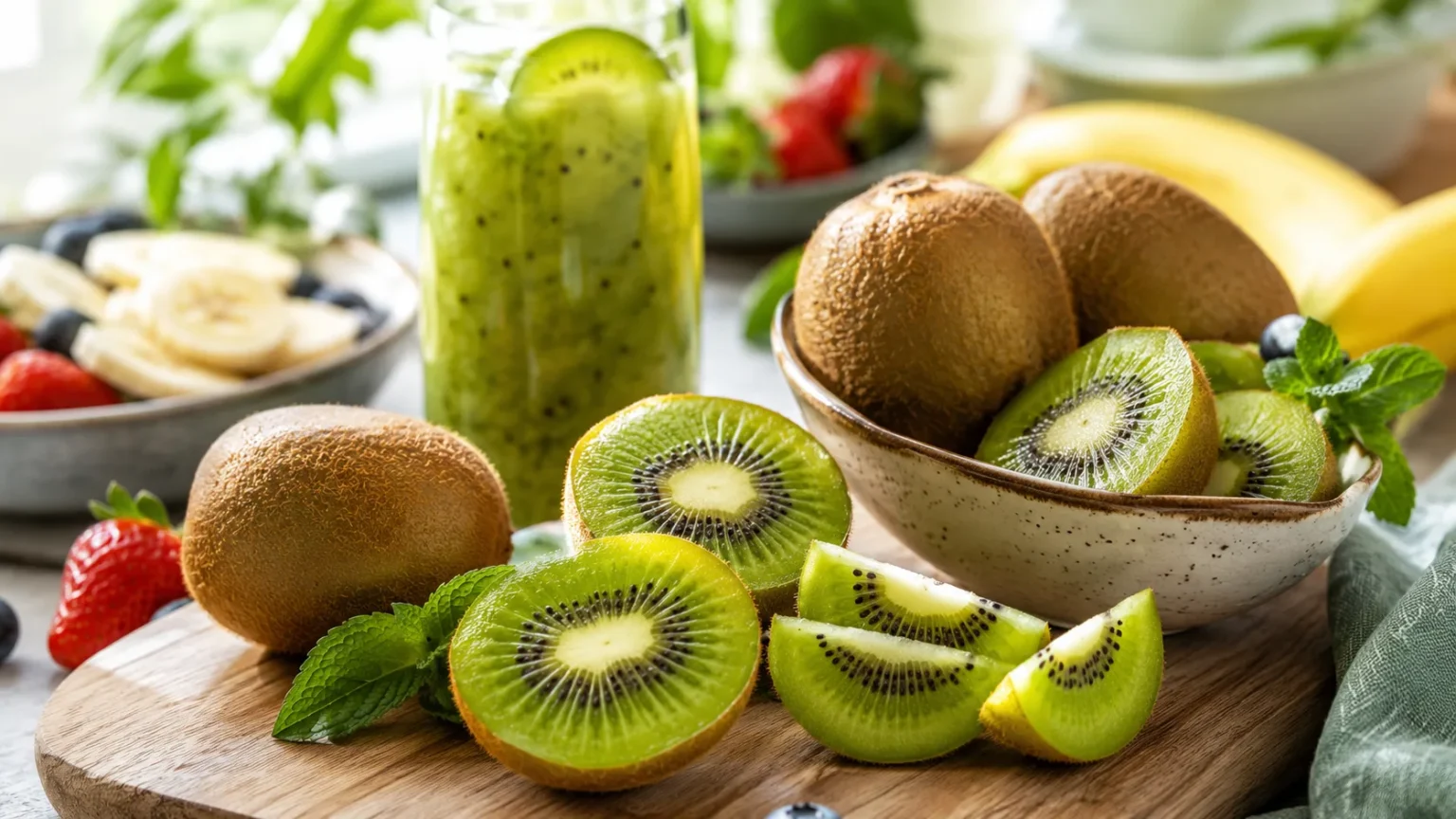

Kiwi Benefits: Why This Small Fruit Deserves More Attention
Kiwi may be small, but its nutritional profile makes it one of the most nutrient-dense fruits you can easily add to your diet. Its bright green flesh delivers vitamin C, dietary fiber, potassium, vitamin K, folate, and several antioxidant compounds in relatively few calories. The combination makes kiwi useful for people who want more fruit variety without dramatically increasing their daily energy intake. It also has a refreshing sweet-tart flavor that works in everything from breakfast bowls to salads. For many people, eating kiwi regularly is an easy way to make everyday meals more nutritious.
One of the standout kiwi benefits is its impressive vitamin C content. A single serving can provide a substantial amount of this essential nutrient, which supports normal immune function, collagen formation, wound healing, and antioxidant protection. Vitamin C also helps the body absorb non-heme iron from plant foods, making kiwi a useful addition to meals containing beans, lentils, or leafy greens. Because the body cannot produce vitamin C on its own, it needs to come from food regularly. Kiwi offers a flavorful alternative to more commonly discussed vitamin C sources such as oranges.
Kiwi is also valued for its fiber content, particularly when the whole fruit is eaten with the skin. Dietary fiber supports healthy digestion, helps maintain regular bowel movements, and contributes to a feeling of fullness after eating. Kiwi also naturally contains actinidin, an enzyme involved in protein digestion that has attracted attention in digestive health research. These characteristics explain why kiwi is frequently included in conversations about gut health and constipation relief. Its combination of water, fiber, and natural compounds makes it especially interesting from a digestive perspective.
Beyond digestion, kiwi contains nutrients associated with heart, skin, eye, and metabolic health. Potassium contributes to normal muscle and nerve function and plays a role in maintaining healthy blood pressure. Antioxidants in kiwi help protect cells from oxidative stress, while lutein and zeaxanthin are nutrients linked with eye health. The fruit also provides folate, which is particularly important for cell division and normal tissue growth. No single fruit can protect against every health problem, but kiwi can contribute meaningfully to a balanced dietary pattern.
The most important reason to eat kiwi is not that it acts as a miracle food but that it packs several useful nutrients into an enjoyable, convenient fruit. Healthy eating works best when nutritious foods are consumed consistently rather than treated as short-term remedies. Kiwi fits easily into that approach because it can be eaten alone, blended into smoothies, served with yogurt, or added to savory dishes. Understanding what kiwi contains and how those nutrients function can help you decide how it fits into your diet. Here is a closer look at kiwi nutrition and the benefits that deserve the most attention.
Kiwi Nutrition: What Is Inside This Nutrient-Rich Fruit?
Kiwi fruit is naturally low in calories while providing a useful combination of carbohydrates, fiber, vitamins, minerals, and plant compounds. A typical medium kiwi contains roughly 40 to 50 calories, although the exact amount depends on its size and variety. Most of those calories come from naturally occurring carbohydrates and fruit sugars rather than fat or protein. This makes kiwi easy to include in snacks, breakfasts, or desserts without adding a large amount of energy. Its relatively high water content also contributes to its refreshing texture.
Vitamin C is the nutrient most strongly associated with kiwi nutrition. Green kiwi provides an impressive amount, while some golden kiwi varieties can contain even more vitamin C per serving. This vitamin contributes to immune defense and supports the body’s production of collagen, a structural protein needed for skin, blood vessels, cartilage, and connective tissue. Vitamin C also acts as an antioxidant, helping protect cells against oxidative damage. Regular consumption of vitamin C-rich fruits is generally preferable to relying exclusively on supplements for nutritional needs.
Kiwi also provides dietary fiber, particularly when its edible skin is included. Fiber helps food move through the digestive tract and supports regularity by contributing bulk and water to stool. It also helps slow digestion, which can support more gradual changes in blood glucose after eating compared with many highly processed carbohydrate foods. Fiber-rich foods may additionally contribute to satiety, making meals feel more satisfying. These benefits make kiwi a useful component of a diet focused on digestive health and overall dietary quality.
Several important micronutrients appear in smaller amounts as well. Kiwi contains potassium, vitamin K, vitamin E, folate, and copper, along with various antioxidant compounds. Potassium is important for fluid balance, muscle contraction, and nerve signaling, while vitamin K contributes to normal blood clotting and bone metabolism. Vitamin E provides antioxidant activity, and folate supports DNA synthesis and cell division. Although kiwi is not necessarily the richest food source of every one of these nutrients, consuming them together increases its overall nutritional value.
Another valuable characteristic is kiwi’s collection of naturally occurring phytonutrients. These include carotenoids such as lutein and zeaxanthin and various polyphenolic compounds that contribute to antioxidant activity. Fruits containing diverse plant compounds are generally encouraged within balanced eating patterns because their benefits extend beyond individual isolated vitamins. The nutritional value of kiwi therefore comes from its overall food matrix rather than any single ingredient. Eating kiwi alongside a varied diet of fruits, vegetables, whole grains, legumes, nuts, and healthy proteins provides the greatest nutritional advantage.
Kiwi Is an Excellent Source of Vitamin C and Antioxidants
Vitamin C is one of the strongest nutritional reasons to eat kiwi regularly. Many people automatically think of oranges when they want more vitamin C, but kiwi can provide a comparable or even higher amount depending on the variety and serving size. This water-soluble vitamin participates in several essential processes throughout the body and must be consumed regularly because humans cannot synthesize it internally. Including kiwi alongside other fruits and vegetables can therefore help support adequate daily intake. Its compact size makes this particularly easy.
One of vitamin C’s best-known roles is supporting the immune system. It contributes to the normal function of several types of immune cells and helps maintain physical barriers that protect the body. Eating kiwi will not guarantee that you never become ill, and no individual food can prevent every infection. However, meeting your nutritional requirements helps the immune system function normally. Kiwi can be especially useful for people who want to increase vitamin C through whole foods rather than depending only on juices or supplements.
Vitamin C is also essential for collagen synthesis, which explains why kiwi frequently appears in discussions about skin health. Collagen provides structural support to the skin and other connective tissues, and vitamin C is required for the chemical reactions involved in producing it. A nutrient-rich diet can support normal skin function from within, although eating kiwi should not be viewed as a substitute for sunscreen or appropriate skincare. Its value comes from contributing vitamin C and antioxidants as part of a broader healthy lifestyle.
Antioxidant compounds in kiwi also help the body manage oxidative stress. Normal metabolism continuously produces unstable molecules known as free radicals, while environmental factors can increase their formation. The body has its own antioxidant defense systems, and dietary antioxidants contribute additional support. Vitamin C, vitamin E, carotenoids, and plant polyphenols found in fruits such as kiwi all participate in this nutritional environment. The goal is not to eliminate oxidation completely, since it is part of normal biology, but to support balanced cellular protection.
Another helpful role of vitamin C is improving the absorption of plant-based iron. Iron from legumes, vegetables, grains, and fortified foods is generally absorbed less efficiently than iron from animal sources. Consuming a vitamin C-rich food with these meals can improve non-heme iron absorption. Adding sliced kiwi to oatmeal, eating it after a lentil-based meal, or pairing it with fortified breakfast cereal can therefore be nutritionally useful. This is a simple example of how combining foods strategically can sometimes matter as much as the nutrients in an individual ingredient.
Kiwi Benefits for Digestion and Gut Health
Digestive health is one of the areas where kiwi has attracted particularly strong interest. The fruit contains dietary fiber, water, and a naturally occurring enzyme called actinidin, creating a combination that may support several aspects of digestion. People who struggle with irregular bowel movements often focus exclusively on fiber supplements, but whole fruits can provide fiber together with water and micronutrients. Kiwi offers all three within one compact food. For many people, regularly eating the fruit can be an enjoyable way to increase dietary fiber.
Fiber helps support bowel regularity by adding bulk to intestinal contents and influencing stool consistency. Kiwi contains both soluble and insoluble fiber, which behave differently in the digestive system but contribute to overall gut function. Soluble fiber can interact with water and may support beneficial gut microbes, while insoluble fiber helps add bulk to stool. Adequate hydration remains important when increasing fiber intake because water helps fiber perform effectively. Eating kiwi alongside an overall fiber-rich diet can therefore support more comfortable digestion.
Actinidin gives kiwi another interesting digestive characteristic. This natural proteolytic enzyme can help break down proteins, which is one reason fresh kiwi is sometimes used in marinades to tenderize meat. Researchers have explored whether actinidin may also support protein digestion within the gastrointestinal tract. Although kiwi should not be considered a medical digestive treatment, its enzyme content distinguishes it from many other fruits. Green kiwi generally contains more actinidin than golden varieties, so the digestive effects may vary depending on the type consumed.
Kiwi may also be useful for people who experience occasional constipation. Its fiber, water, and specific fruit structure may support stool frequency and ease of passage when eaten regularly. Some clinical research has investigated kiwi consumption in people with functional constipation and irritable bowel symptoms, with encouraging results related to bowel regularity. Individual responses still vary, and persistent constipation can have many underlying causes. If symptoms are severe, painful, or long-lasting, dietary changes should complement rather than replace appropriate medical evaluation.
Healthy digestion also depends on the intestinal microbiome, the community of microorganisms living in the gut. Fiber-containing fruits provide substrates that certain gut bacteria can ferment, producing compounds that support the intestinal environment. Kiwi is not a magical probiotic food, but it can contribute to the diversity of plant foods consumed throughout the week. Dietary diversity is an important principle in supporting microbiome health. Combining kiwi with oats, yogurt, nuts, seeds, vegetables, and legumes can help create a more varied and fiber-rich dietary pattern.
Kiwi Benefits for Heart Health and Blood Pressure
Kiwi can fit well into a heart-healthy eating pattern because it provides potassium, fiber, antioxidants, and very little saturated fat. Cardiovascular health depends on many factors, including blood pressure, cholesterol levels, blood glucose control, physical activity, sleep, smoking status, and overall diet quality. No individual fruit can control all of these factors on its own. However, replacing highly processed snacks with nutrient-rich fruits such as kiwi can support dietary habits associated with better long-term health. Consistency matters more than occasional consumption.
Potassium is particularly relevant to normal blood pressure regulation. This mineral participates in fluid balance and helps counterbalance some of the physiological effects of sodium. Diets rich in potassium-containing foods, including fruits and vegetables, are commonly encouraged as part of blood pressure-friendly eating patterns. Kiwi contributes potassium alongside other nutrients without providing large amounts of sodium. People with certain kidney conditions, however, may need individualized advice about potassium intake and should follow guidance from their healthcare professional.
Fiber also contributes to the cardiovascular value of kiwi. Soluble fiber from fruits, vegetables, oats, legumes, and other foods can support healthy cholesterol management as part of an overall balanced diet. Kiwi does not provide as much fiber per serving as certain legumes or whole grains, but every source contributes to total daily intake. Replacing low-fiber desserts or snacks with whole fruit is a practical way to improve diet quality. Keeping the skin on kiwi can increase the amount of fiber consumed.
Antioxidants add another dimension to kiwi’s potential heart-health benefits. Oxidative stress and inflammation are involved in many biological processes related to cardiovascular disease, which is one reason diets rich in fruits and vegetables are widely recommended. Kiwi provides vitamin C, carotenoids, and polyphenols that contribute to dietary antioxidant intake. It is important not to translate this into claims that kiwi can prevent a heart attack or replace medication. Its benefit lies in supporting a nutrient-dense dietary pattern associated with overall cardiovascular wellness.
How you eat kiwi also matters. Adding kiwi to plain yogurt and oats creates a very different nutritional meal from eating it alongside heavily sweetened cereal or pastries. Heart-friendly eating focuses on the entire dietary pattern rather than simply adding one beneficial ingredient to an otherwise poor diet. Aim to combine kiwi with whole grains, vegetables, legumes, nuts, seeds, fish, and minimally processed protein sources. Small choices repeated throughout the week often have a greater impact than searching for one “superfood” that promises dramatic results.
Can Kiwi Support Weight Management and Blood Sugar Control?
Kiwi can be a useful fruit for people managing their weight because it provides sweetness, fiber, water, and nutrients without being especially calorie-dense. Foods with high water content generally provide more volume for fewer calories than many processed snacks or desserts. This can make them satisfying when incorporated into meals or snacks. Kiwi will not directly cause weight loss, but replacing higher-calorie foods with whole fruit may reduce overall calorie intake. Sustainable weight management still depends on long-term energy balance and eating habits.
Fiber may help with satiety because it slows digestion and contributes volume to food. Eating two kiwis with yogurt, nuts, or another source of protein can create a more satisfying snack than drinking fruit juice alone. Whole fruit requires chewing and retains its natural fiber structure, whereas juice is easier to consume rapidly and provides less fiber. This difference matters when trying to manage appetite. Kiwi therefore works best as part of meals and snacks that also contain protein, healthy fats, or additional fiber.
People sometimes avoid kiwi because it tastes sweet and contains natural sugars. However, carbohydrates in whole fruit are consumed together with water, fiber, vitamins, and plant compounds. This food structure affects how the body processes the carbohydrate compared with many refined sugary foods. Kiwi also has a relatively modest glycemic impact when eaten in typical portions. For most people, fruit does not need to be eliminated simply because it contains naturally occurring sugar.
For people with diabetes, portion size and overall meal composition remain important. Kiwi can generally be incorporated into a balanced eating plan, but individual blood glucose responses can differ. Pairing fruit with protein or healthy fat, such as plain Greek yogurt, nuts, or seeds, may make the snack more filling and help create a balanced meal. Anyone using insulin or glucose-lowering medication should follow personalized dietary recommendations. Fruit should be considered within total carbohydrate intake rather than judged in isolation.
Weight management is also influenced by how enjoyable a diet feels. Extremely restrictive eating plans often become difficult to maintain because they eliminate foods people genuinely like. Kiwi can add natural sweetness and variety without requiring highly processed desserts every time you want something sweet. Sliced kiwi over oatmeal, chia pudding, yogurt, or cottage cheese can make nutrient-rich foods more appealing. A sustainable eating pattern is usually one that combines nutrition with satisfaction rather than treating healthy food as a temporary punishment.
Kiwi Benefits for Skin, Eyes and Healthy Aging
Kiwi contains several nutrients that contribute to normal skin function, particularly vitamin C and vitamin E. Vitamin C is required for collagen synthesis, while vitamin E functions as a fat-soluble antioxidant. Together with the fruit’s carotenoids and other plant compounds, these nutrients support the body’s normal antioxidant defense systems. Healthy skin still depends on many factors, including genetics, hydration, sleep, sun exposure, smoking, and skincare habits. Eating kiwi can support nutrition from within, but it should not be treated as a replacement for external skin protection.
Collagen naturally becomes less abundant as people age, contributing to changes in skin firmness and texture. Because vitamin C is essential for collagen formation, regularly eating vitamin C-rich foods helps ensure the body has the nutrient required for this process. Kiwi is therefore a useful addition to a diet designed to support healthy skin. However, eating several kiwis every day will not suddenly erase wrinkles or reverse normal aging. Nutritional benefits are generally gradual and work as part of long-term healthy habits.
Kiwi also provides lutein and zeaxanthin, carotenoids commonly associated with eye health. These compounds accumulate in parts of the eye and help filter certain wavelengths of light while contributing antioxidant protection. Leafy green vegetables, eggs, corn, and several fruits also contain these nutrients. Eating a variety of carotenoid-rich foods is more valuable than relying on one fruit alone. Kiwi simply provides another convenient source that can contribute to overall dietary intake.
Folate is another nutrient relevant to healthy aging because it is required for DNA synthesis and cell division. Kiwi provides a modest amount of folate alongside vitamin C and other micronutrients. Folate is especially important during pregnancy, although prenatal needs are high enough that healthcare professionals commonly recommend specific supplementation in addition to food. For the general population, obtaining folate from vegetables, legumes, fruits, and fortified foods contributes to a balanced nutrient intake. Kiwi can form part of that broader pattern.
Healthy aging is not driven by one antioxidant or vitamin. Diets containing a wide variety of fruits, vegetables, whole grains, legumes, healthy fats, and quality protein are associated with better overall nutritional status. Kiwi contributes useful nutrients while also increasing fruit diversity, which can make healthy eating more interesting and sustainable. Rather than asking whether kiwi can “slow aging,” a better question is whether it can help create a nutrient-dense diet. In that role, it clearly has something valuable to offer.
Is Kiwi Good for Your Immune System?
Kiwi is frequently promoted as an immune-boosting fruit, largely because of its high vitamin C content. It is more accurate to say that vitamin C supports normal immune function rather than “boosting” immunity beyond normal levels. Several immune cells depend on adequate vitamin C availability to perform their functions effectively. Eating kiwi can therefore help people meet their nutritional needs. However, immunity depends on many nutrients and lifestyle factors, so kiwi should be considered one supportive food rather than a protective shield against illness.
Vitamin C contributes to both innate and adaptive immune responses. It also helps protect cells from oxidative stress generated during normal immune activity. Because the body does not store large quantities of water-soluble vitamin C, regular dietary intake is important. Kiwi makes this relatively easy because a small serving provides a substantial amount. Other good sources include citrus fruits, berries, bell peppers, broccoli, tomatoes, and leafy vegetables.
The immune system also requires nutrients such as protein, zinc, iron, selenium, vitamin A, vitamin D, vitamin E, and several B vitamins. A diet centered exclusively on one vitamin-rich fruit would therefore still be incomplete. Pairing kiwi with varied whole foods helps create a nutritional environment that supports normal immune function. For example, kiwi with yogurt and seeds provides a broader range of nutrients than kiwi alone. Dietary variety remains one of the simplest principles for supporting overall nutritional adequacy.
Sleep, physical activity, stress management, vaccinations, and basic hygiene also influence immune health. Eating kiwi cannot compensate for chronic sleep deprivation, smoking, extremely poor nutrition, or untreated medical conditions. This is important because “immune-boosting” marketing can sometimes create unrealistic expectations around particular foods or supplements. The body needs consistent support rather than emergency doses of one nutrient. Kiwi fits best into that steady, everyday approach.
If you enjoy kiwi, including it regularly during cold and flu season is perfectly reasonable, but there is no need to treat it differently from other nutritious fruits. Its vitamin C content makes it a particularly efficient choice, while its fiber and other nutrients provide additional benefits. Eating it alongside a varied diet can contribute to nutritional resilience throughout the year. The real advantage is not a sudden boost but consistent nourishment that supports the body’s normal functions.
How to Eat Kiwi and Get the Most Nutrition From It
The simplest way to eat kiwi is to cut it in half and scoop out the flesh with a spoon. This method is convenient, quick, and avoids the need to peel the fruit carefully. You can also peel and slice kiwi into rounds for fruit salads, yogurt bowls, oatmeal, or desserts. The fruit pairs well with both sweet and savory ingredients because its acidity provides a refreshing contrast. Eating it fresh generally preserves its texture and makes it easy to incorporate into meals without additional processing.
Kiwi skin is edible and contains additional fiber and nutrients, although many people remove it because of its fuzzy texture. If you want to eat the skin, rinse the fruit thoroughly under running water and gently rub the surface before slicing it. Some varieties have smoother skin and may be easier to eat whole. Keeping the peel significantly increases the amount of dietary fiber consumed. Start with a small amount if you are not accustomed to the texture.
Breakfast is an easy time to add kiwi to your routine. Slice it over oats, overnight oats, whole-grain cereal, chia pudding, cottage cheese, or plain yogurt. Pairing fruit with protein and whole grains creates a more balanced meal than eating fruit alone when you need sustained energy. Kiwi’s acidity also complements creamy foods especially well. Adding nuts or seeds can provide healthy fats and additional fiber, turning a simple fruit topping into a more complete breakfast.
Kiwi can also work in smoothies, although blending changes the physical structure of the fruit and makes it easier to consume quickly. If you enjoy smoothies, combine whole kiwi with vegetables, yogurt, milk, seeds, or other whole fruits rather than relying on large quantities of fruit juice. The goal is to preserve as much fiber and nutritional balance as possible. Avoid assuming that a smoothie becomes automatically healthy simply because kiwi is included. Ingredients and portion size still determine the final nutritional profile.
Fresh kiwi also has interesting culinary uses because its actinidin enzyme can tenderize protein. It can be used briefly in meat marinades, although leaving it in contact for too long may make the texture overly soft. Kiwi works well in salsas, salads, fruit skewers, and fresh desserts. Experimenting with different preparations can make it easier to eat fruit regularly. Healthy eating becomes more sustainable when nutritious ingredients are enjoyable rather than consumed only because they are considered good for you.
Are There Any Side Effects of Eating Kiwi?
Most people can eat kiwi safely as part of a balanced diet, but some individuals experience allergic reactions. Kiwi allergy can cause itching or tingling in the mouth, swelling of the lips or tongue, hives, digestive symptoms, or more serious allergic reactions in susceptible people. Mild oral symptoms are sometimes associated with pollen-food allergy syndrome. Anyone who has experienced difficulty breathing, severe swelling, or another serious reaction after eating kiwi should seek appropriate medical care and avoid re-exposure without professional guidance.
Kiwi allergy can also occur alongside sensitivities to certain other foods or natural rubber latex because some proteins share structural similarities. People with known latex allergy or reactions to foods such as avocado, banana, or chestnut may occasionally experience cross-reactivity, although this does not mean everyone with one allergy will react to kiwi. If you repeatedly notice mouth itching or swelling after eating kiwi, speak with a healthcare professional. Self-testing potentially serious food allergies is not advisable.
Eating large amounts of kiwi may cause digestive discomfort in some people because the fruit contains fiber and natural carbohydrates. Increasing fiber too quickly can lead to bloating, gas, or changes in bowel movements, especially if your usual diet is relatively low in fiber. Introducing kiwi gradually can help your digestive system adjust. Drinking enough fluids is also important when increasing dietary fiber. More fruit is not necessarily better if the amount makes you uncomfortable.
People taking certain medications or managing specific medical conditions may also need individualized dietary guidance. Kiwi contains vitamin K, which is relevant to people using some anticoagulant medications, although consistency of vitamin K intake is often more important than completely avoiding vitamin K-containing foods. People with kidney disease may need to monitor potassium depending on their individual condition. These concerns do not make kiwi unhealthy; they simply show why medical diets sometimes require personalized recommendations.
For most healthy adults, one or two kiwis can easily fit into a varied daily diet. There is no universal number everyone needs to eat, and you can receive similar nutrients from many other fruits and vegetables. Pay attention to your overall fruit intake, digestive tolerance, and personal preferences. Kiwi is valuable because it contributes nutrition and variety, not because you need to consume a specific amount every day to remain healthy.
Green Kiwi vs Golden Kiwi: Which Is Better?
Green and golden kiwi share many nutritional similarities but differ slightly in flavor, texture, appearance, and nutrient composition. Green kiwi has bright green flesh, tiny black seeds, a tangy flavor, and typically fuzzy brown skin. Golden kiwi usually has smoother skin, yellow flesh, and a sweeter, less acidic taste. Both can contribute vitamin C, fiber, potassium, and antioxidants. Choosing between them is therefore often more about preference than finding one universally superior variety.
Green kiwi generally provides more dietary fiber and contains higher levels of actinidin, the enzyme associated with protein digestion. This can make green kiwi particularly appealing for people interested in digestive benefits. Its tart flavor also works well in savory dishes and breakfast bowls where sweetness from other ingredients needs balancing. Eating the skin can further increase fiber intake. If digestive regularity is your main priority, green kiwi may offer some practical advantages.
Golden kiwi is especially notable for its vitamin C content, which can be particularly high depending on the cultivar and ripeness. Its sweeter flavor may appeal to people who find green kiwi too acidic. The smoother skin also makes golden kiwi easier for some people to eat without peeling, which helps preserve additional fiber. Children and people who usually avoid tart fruits may therefore find golden kiwi more enjoyable. Nutritional value matters, but enjoyment strongly influences whether a food becomes part of your regular diet.
Both varieties contain beneficial plant compounds, and neither needs to replace the other. Alternating between green and golden kiwi can provide variety in flavor and texture while keeping your fruit intake interesting. Different cultivars naturally vary in exact vitamin and antioxidant levels, so focusing too heavily on tiny numerical differences is unnecessary. The broader goal is regularly consuming a variety of colorful plant foods. Either kiwi can contribute effectively to that goal.
If cost or availability differs significantly where you live, choose the variety that is easier to obtain and that you genuinely enjoy eating. There is little nutritional benefit in buying a more expensive fruit that sits untouched in the refrigerator. Green kiwi is widely available and highly nutritious, while golden kiwi offers a sweeter alternative with its own strengths. Both can be considered excellent fruit choices within a balanced diet.
Conclusion: Is Kiwi Worth Eating Regularly?
Kiwi earns its reputation as a nutrient-rich fruit because it delivers vitamin C, fiber, potassium, folate, vitamin K, antioxidants, and other useful nutrients in a relatively small serving. Its nutritional density makes it easy to improve the quality of meals without adding large amounts of calories. More importantly, it provides these nutrients in a whole-food form alongside water and natural plant compounds. That combination makes kiwi much more than simply a sweet snack.
Digestive health is one of kiwi’s most interesting benefits. Fiber supports bowel regularity, while green kiwi also provides actinidin, an enzyme that helps break down protein. The fruit’s combination of fiber and water may be particularly useful for people trying to increase their intake of foods that support normal digestion. It can also contribute to a more diverse plant-based diet, which is valuable for overall gut health. These benefits are strongest when kiwi forms part of consistently healthy eating habits.
Kiwi also contributes nutrients relevant to immune function, heart health, skin, eye health, and healthy aging. Vitamin C supports normal immunity and collagen synthesis, while potassium and fiber complement heart-friendly dietary patterns. Carotenoids and antioxidants add additional nutritional value. These benefits should not be exaggerated into claims that kiwi prevents disease or replaces medical care. A realistic approach recognizes that whole foods support health collectively rather than operating as individual medicines.
Another advantage is how easy kiwi is to use. You can eat it alone, scoop it directly from the skin, add it to yogurt and oatmeal, blend it into a balanced smoothie, or incorporate it into salads and fresh desserts. Both green and golden varieties provide worthwhile nutrition, so you can choose according to taste, price, and availability. Even the skin can be eaten when washed properly, providing extra fiber for people who enjoy its texture.
Ultimately, the strongest reason to eat kiwi is simple: it is a delicious way to add more nutrient-dense fruit to your diet. You do not need to eat it every day or treat it as a superfood to benefit from it. Including kiwi alongside berries, citrus fruits, apples, vegetables, whole grains, legumes, healthy fats, and quality protein creates a far more meaningful nutritional strategy. If you enjoy its distinctive sweet-tart flavor, kiwi is certainly worth keeping in your regular fruit rotation.
Frequently Asked Questions
What happens if you eat kiwi every day?
Eating kiwi regularly can help increase your intake of vitamin C, fiber, potassium, and antioxidants. For most healthy people, one or two kiwis can fit comfortably into a balanced daily diet.
Is kiwi good for constipation?
Kiwi contains fiber, water, and natural compounds that may support bowel regularity. Green kiwi in particular has been studied for its potential role in improving stool frequency and digestive comfort.
Can you eat kiwi skin?
Yes, kiwi skin is edible and provides extra fiber and nutrients. Wash the fruit thoroughly before eating it, and choose smoother-skinned varieties if you dislike the fuzzy texture of traditional green kiwi.
Is kiwi high in sugar?
Kiwi contains naturally occurring fruit sugars but is not considered an especially high-sugar fruit in normal serving sizes. Its fiber and water make it nutritionally different from foods containing large amounts of added sugar.
How many kiwis should you eat a day?
There is no required daily amount, but one or two kiwis can provide useful nutrients while fitting easily into most balanced diets. Your overall fruit variety and individual nutritional needs matter more than a specific number.