
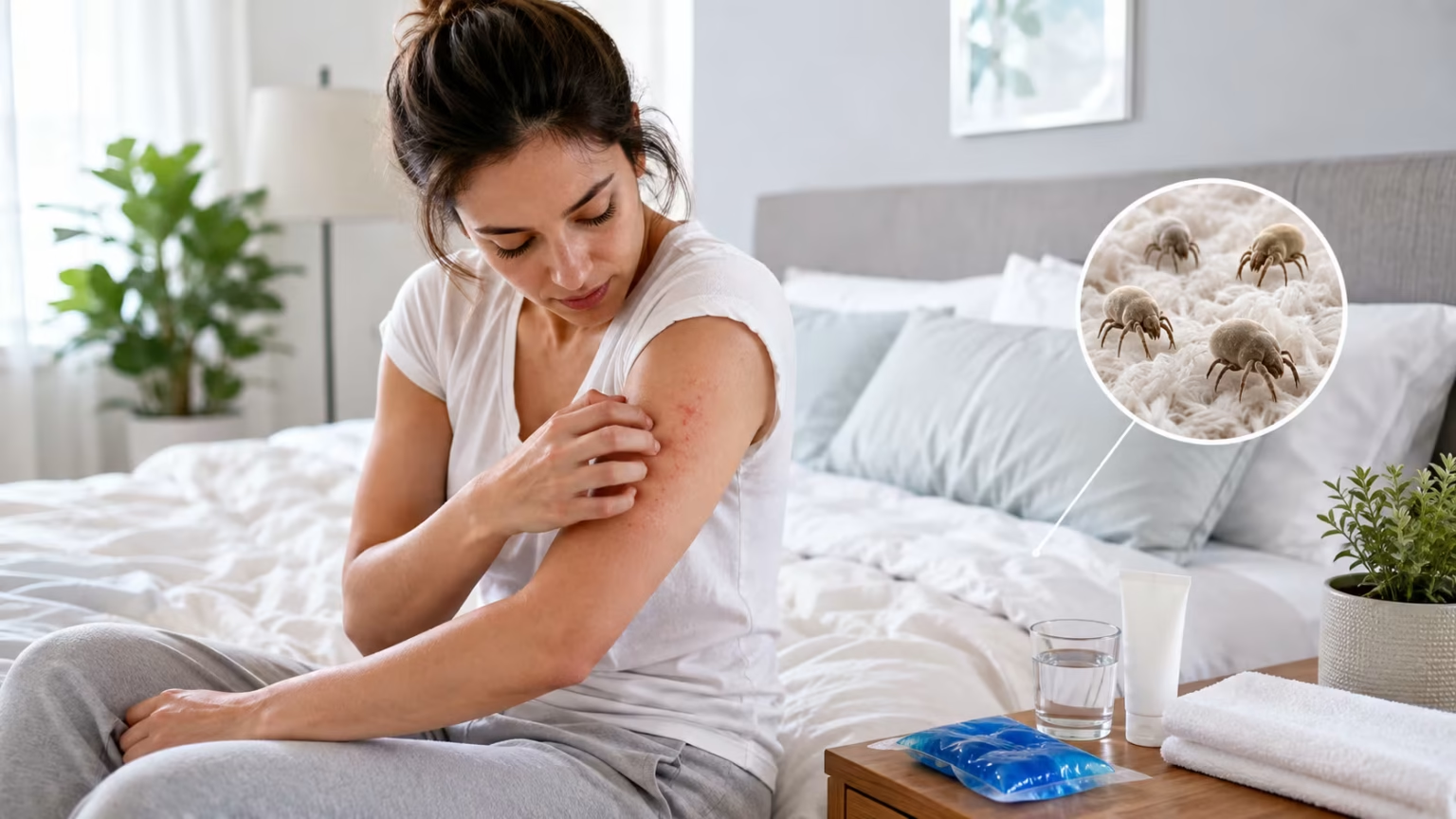

Dust Mite Bites: Signs, Causes and Fast Relief
Waking up with itchy skin, watery eyes or nasal congestion can make you wonder whether dust mites have bitten you during the night. The phrase “dust mite bites” is widely searched, but it is misleading. House dust mites do not bite, sting or feed on human blood.
Instead, these microscopic creatures feed mainly on dead skin flakes found in mattresses, pillows, carpets and upholstered furniture. Their waste and tiny body fragments contain proteins that can trigger an allergic reaction when they become airborne or come into contact with sensitive skin.
People with dust mite allergies may experience sneezing, a blocked nose, itchy eyes, coughing or worsening eczema. Because these symptoms often become noticeable in bed or after waking, they can easily be mistaken for insect bites occurring during sleep.
Understanding the real cause is essential for finding effective relief. Treating imaginary bites will not solve a dust mite allergy, while assuming every nighttime rash comes from mites could delay the diagnosis of bed bugs, fleas, scabies, hives or another skin condition.
Do Dust Mites Actually Bite People?
Dust mites do not have the type of mouthparts needed to bite humans. Unlike bed bugs, mosquitoes and fleas, they do not feed on blood. They survive by consuming microscopic flakes of dead skin that naturally collect in fabrics and household dust.
The term “dust mite bites” probably became popular because dust mite exposure can cause intense itching in some people. However, the itch is usually linked to an allergic skin reaction, eczema flare or irritation rather than punctures made by the mites themselves.
Dust mites are also too small to see without magnification. They cannot normally be spotted crawling across a mattress or skin. Seeing visible insects, dark spots, eggs or shed shells around your bed may therefore suggest a different household pest.
If you develop clearly defined bumps, lines of marks or small wounds with a central puncture, another cause is more likely. Examining the timing, location and pattern of your symptoms can help a healthcare professional determine what is actually irritating your skin.
Signs Commonly Mistaken for Dust Mite Bites
Dust mite allergy symptoms usually affect the nose, eyes and airways. Common signs include repeated sneezing, a runny or stuffy nose, postnasal drip and an itchy nose or throat. Symptoms may be present throughout the year rather than during one season.
The eyes can become red, watery, swollen or intensely itchy. Darkened or puffy skin may develop beneath the eyes when nasal allergies continue for a long time. Rubbing the area repeatedly can make the irritation and swelling more noticeable.
Some people develop coughing, chest tightness, wheezing or shortness of breath after dust mite exposure. These symptoms are particularly important for anyone with asthma because indoor allergens can make nighttime breathing problems more difficult to control.
Skin symptoms may include dryness, itching and worsening eczema. These reactions can feel like a biting sensation even though no actual bite occurred. A rash made of individual, sharply defined bumps should be evaluated for other possible causes.
What Does a Dust Mite Allergy Rash Look Like?
There is no single appearance that can definitively identify a dust mite allergy rash. In sensitive people, exposure may worsen eczema, causing areas of dry, inflamed and itchy skin. The affected areas may feel rough, cracked or unusually sensitive.
On lighter skin, inflammation may look pink or red. On darker skin tones, irritated areas may appear purple, grey, dark brown or deeper than the surrounding skin. Scratching can create additional marks, swelling or changes in pigmentation.
Some allergic reactions produce hives, which are raised and itchy welts that can change shape or move to different areas. Hives may resemble insect bites, but they often fade in one location and appear somewhere else within several hours.
Because eczema, hives, contact dermatitis and insect bites can overlap in appearance, photographs alone may not provide a reliable diagnosis. Persistent, spreading or recurring rashes should be assessed by a doctor or dermatologist, especially when the cause remains unclear.
What Causes Dust Mite Allergy Symptoms?
Dust mite symptoms occur when the immune system reacts to proteins found in mite waste and body fragments. The immune system mistakenly identifies these substances as harmful and releases chemicals that cause inflammation in the nose, eyes, lungs or skin.
These allergens collect deep inside mattresses, bedding, carpets, curtains, fabric-covered furniture and soft toys. Everyday movements such as making the bed, vacuuming or walking across carpet can disturb the particles and release some of them into the surrounding air.
Warmth and moisture help dust mites survive. They are often more common in humid homes and in fabric items that trap warmth, dead skin cells and moisture. This makes the bedroom one of the most important areas for controlling exposure.
Not everyone reacts to dust mites. Risk may be higher in people with asthma, eczema, hay fever or a family history of allergies. Long-term exposure can also make symptoms harder to recognise because they may feel like a permanent cold or ongoing congestion.
Why Symptoms Feel Worse in Bed
Mattresses and pillows provide an ideal environment for dust mites because they collect skin flakes and moisture from the body. A person may spend several hours close to these allergens every night, making bedtime symptoms especially noticeable.
Lying down can also worsen nasal blockage and postnasal drip. When congestion increases, people may wake with a dry mouth, sore throat, cough or pressure around the face. These symptoms may mistakenly be blamed on something biting during sleep.
Making the bed, shaking blankets or moving pillows can disturb settled allergens. The particles may briefly enter the air and come into contact with the nose, eyes or airways. This explains why symptoms can also increase while cleaning the bedroom.
Morning symptoms do not automatically prove a dust mite allergy. Mold, pet dander, dry air, fragranced laundry products and feather bedding can cause similar problems. Bed bugs or fleas should also be considered when actual bite-like marks are present.
Dust Mite Allergy vs Bed Bug Bites
Bed bugs bite because they feed on blood, while dust mites do not. Bed bug bites may appear as itchy red or swollen bumps, sometimes grouped in clusters or lines. However, the pattern can vary widely between different people.
Bed bugs may leave physical evidence around the sleeping area. Small blood stains, dark waste spots, pale shed skins or visible insects may appear along mattress seams, headboards and nearby furniture. Dust mites do not leave signs that can easily be seen.
Dust mite allergy is more likely to cause sneezing, nasal congestion, itchy eyes and asthma symptoms. Skin irritation tends to appear as general dryness, eczema or hives rather than a predictable row of individual bite marks.
Neither condition should be identified by rash appearance alone. Some people show little reaction to bed bugs, while others develop significant swelling. A pest-control inspection and medical evaluation may be needed when symptoms and household evidence remain uncertain.
Dust Mite Allergy vs Fleas and Scabies
Flea bites commonly affect the ankles, feet and lower legs. They often appear as small, itchy bumps grouped closely together, although other body areas may be affected. Pets that scratch frequently can provide another clue that fleas may be present.
Scabies is caused by a different type of mite that burrows into human skin. Unlike house dust mites, scabies mites can infest people and spread through prolonged skin contact. The itching is often severe at night and may affect the fingers, wrists, waist or genital area.
Thin, wavy burrow lines may develop with scabies, although they are not always easy to see. Several household members may become itchy around the same period. Scabies needs appropriate medical treatment and will not improve through ordinary dust-mite cleaning alone.
A clinician can help distinguish allergic irritation from fleas, scabies, eczema and other conditions. Avoid applying pesticides, bleach, essential oils or strong chemicals to the skin while trying to identify the cause, as these substances can create burns or dermatitis.
Fast Relief for Dust Mite Allergy Symptoms
Move away from the likely exposure when symptoms suddenly appear. Leave the room being cleaned, step into fresh air and allow disturbed dust to settle. Washing your face and hands can remove allergens that may be irritating the skin, nose or eyes.
For itchy or puffy eyes, place a clean, cool compress over the closed eyelids. Avoid rubbing because friction can increase inflammation. Artificial tears or allergy eye drops may help some people, but a pharmacist or doctor should recommend a suitable product.
A saline nasal rinse may help clear allergens and mucus from the nasal passages. Only use distilled, sterile, properly filtered, or previously boiled and cooled water. Tap water should not be placed directly into a nasal-rinsing device.
Cool compresses and a fragrance-free moisturiser may soothe mild skin irritation or eczema dryness. Avoid hot showers and heavily scented soaps, which can worsen itching. A spreading, painful, blistering or infected-looking rash requires medical assessment rather than home treatment.
Which Medicines May Provide Relief?
Antihistamines can reduce sneezing, itching and a runny nose. Some options can cause drowsiness, dry mouth or other side effects. Ask a doctor or pharmacist which product is suitable, particularly for children, older adults, pregnancy or people taking other medicines.
Corticosteroid nasal sprays can reduce nasal inflammation and persistent congestion. They generally work best when used regularly and correctly rather than only during a severe flare. Proper spray direction can reduce irritation and help the medicine reach the intended area.
Decongestants may temporarily open a blocked nose, but they are not appropriate for everyone. Some can raise blood pressure or affect people with heart conditions, glaucoma or prostate problems. Overusing decongestant nasal sprays can also make congestion return more strongly.
People with asthma should follow their prescribed asthma action plan and keep reliever medicine available as directed. Frequent coughing, nighttime wheezing or increasing inhaler use suggests that asthma may not be adequately controlled and should be discussed with a healthcare professional.
How to Reduce Dust Mites in Your Bed
Begin with allergen-resistant covers for the mattress, pillows and box spring. These tightly woven encasements create a barrier between the sleeper and allergens held inside the bedding. Choose zippered products designed specifically for dust mite control.
Wash sheets, pillowcases and blankets every week. Use water at approximately 130°F or 54°C when the fabric can safely tolerate it, and dry everything completely. High heat helps kill mites, while washing removes allergen-containing waste and body fragments.
Items that cannot be washed in hot water may sometimes be placed in a hot dryer if the care instructions allow it. Freezing can kill mites in certain washable objects, but it does not remove the allergens left behind, so cleaning is still needed.
Keep unnecessary cushions, fabric decorations and non-washable soft toys away from the bed. Simplifying the sleeping area makes regular cleaning easier. Wash children’s soft toys frequently and ensure they are completely dry before returning them to the bedroom.
Clean Without Spreading More Allergens
Use a damp or lightly moistened cloth to remove dust from hard surfaces. Dry dusting can push fine particles into the air, increasing exposure. Clean from higher surfaces downward so that settled material can be removed from the floor last.
Vacuum carpets, rugs and upholstered furniture regularly with a machine fitted with a HEPA filter or effective small-particle filtration. Vacuuming removes surface dust but may not eliminate allergens held deep inside fabrics, so it should be combined with other measures.
People with strong allergies or asthma should avoid being in the room while vacuuming when possible. Wearing a well-fitting mask can also reduce inhalation of disturbed dust. Allow time for airborne particles to settle before returning to the cleaned area.
Steam cleaning or professional carpet treatment may reduce some contamination, but moisture must be controlled carefully. Leaving carpets damp can support mites and mold. Replacing bedroom carpet with an easy-to-clean hard floor may be beneficial for people with severe symptoms.
Control Humidity and Indoor Air
Maintain indoor relative humidity below 50 percent when possible. A hygrometer can help you monitor moisture levels, while ventilation, air conditioning or a dehumidifier may reduce excess humidity. The exact method will depend on your local climate and home.
Repair leaks and address condensation around windows, bathrooms and plumbing. Damp materials can support both dust mites and mold, creating several possible allergy triggers. Kitchens and bathrooms should be ventilated during cooking, bathing and other moisture-producing activities.
A HEPA air purifier may capture some airborne particles, but it cannot remove mites living inside mattresses, carpet or furniture. It should support—not replace—bedding covers, weekly washing, damp dusting and humidity control.
Avoid relying on sprays that promise to eliminate every dust mite. Some products may irritate the lungs or skin without removing accumulated allergens. A practical, repeated cleaning routine is generally more useful than applying fragranced pesticides throughout the home.
How Dust Mite Allergy Is Diagnosed
A healthcare professional will ask when your symptoms appear, whether they worsen in bed and what conditions exist in your home. Information about asthma, eczema, pets, dampness and seasonal changes can help separate dust mites from other triggers.
During an examination, the clinician may look inside the nose for swelling associated with allergic rhinitis. The eyes, skin and lungs may also be checked depending on your symptoms. A rash alone cannot confirm a dust mite allergy.
An allergist may perform a skin-prick test using small amounts of common allergens. An itchy raised area at the test site can show sensitisation. Blood testing for specific antibodies may be used when skin testing is unsuitable.
A positive test does not always prove that dust mites are causing your current symptoms. The result must match your medical history and exposure pattern. This is why professional interpretation is more reliable than ordering broad allergy tests without clinical guidance.
Long-Term Treatment for Persistent Symptoms
Reducing exposure is usually the first step, but environmental control may not eliminate every symptom. Dust mites are present in most homes, and their allergens can remain in fabrics after the mites die. Consistency matters more than attempting to create a completely mite-free house.
An allergist may adjust nasal sprays, antihistamines, eye drops or asthma treatment according to the symptoms involved. People with eczema may need an individual skincare plan that restores the skin barrier and treats inflammation during flare-ups.
Allergen immunotherapy may be considered when confirmed dust mite allergy remains troublesome despite avoidance measures and medication. Treatment may involve injections or, for suitable patients, a prescribed tablet placed under the tongue.
Immunotherapy requires professional supervision and is not a quick home remedy. It aims to reduce the immune system’s sensitivity over time. The risks, benefits, cost and treatment schedule should be discussed with a qualified allergy specialist.
When Should You See a Doctor?
Arrange a medical appointment when allergy-like symptoms continue for more than a week, return repeatedly or interfere with sleep. Ongoing congestion and coughing may come from dust mites, but infections, mold exposure and other respiratory conditions can appear similar.
Seek advice for a rash that spreads, forms blisters, becomes painful or shows signs of infection. Increasing warmth, pus, fever or red streaks require attention. Repeated nighttime itching may need evaluation for scabies, bed bugs or another skin disorder.
People with asthma should contact a clinician when wheezing becomes more frequent, activities cause unusual breathlessness or nighttime symptoms repeatedly interrupt sleep. These changes may indicate poor asthma control and should not be managed only by cleaning the bedroom.
Seek urgent medical help for rapidly worsening breathing difficulty, severe wheezing, blue or grey lips, faintness or inability to speak comfortably. Swelling of the lips, tongue or throat also needs emergency care because it may signal a serious allergic reaction from another cause.
How to Prevent Future Flare-Ups
Focus first on the bedroom because this is where prolonged exposure often occurs. Use complete mattress and pillow encasements, wash bedding weekly and keep decorative fabrics to a minimum. These steps create a manageable foundation for dust mite allergy prevention.
Track your symptoms for several weeks. Record when sneezing, itching, coughing or congestion occurs and what activities happened beforehand. Patterns involving cleaning, sleeping, humid weather or specific rooms can help identify the most important triggers.
Follow treatment instructions consistently rather than waiting until symptoms become severe. Nasal treatments, eczema care and asthma medicines may work better when used as directed. Do not stop prescribed medicine simply because a room has been thoroughly cleaned.
Review your plan with an allergist when symptoms continue. Another indoor allergen may be contributing, or the diagnosis may need reconsideration. Effective management often combines accurate testing, targeted medication and realistic environmental changes instead of depending on one solution.
The Truth About Dust Mite Bites
Dust mite bites are a misconception because house dust mites do not bite or drink blood. What people often describe as bites may actually be eczema, hives, allergic itching or symptoms caused by another insect or skin condition.
Dust mite allergy usually produces sneezing, nasal congestion, itchy eyes, coughing and sometimes asthma symptoms. Exposure can also aggravate sensitive or eczema-prone skin, particularly when allergens collect in bedding, carpets and other household fabrics.
Fast relief may include leaving a dusty area, washing exposed skin, using a cool compress and following appropriate allergy treatment. Long-term control involves allergen-resistant bedding covers, weekly washing, damp dusting and keeping indoor humidity below 50 percent.
Do not assume every nighttime rash is caused by dust mites. Clearly defined bite marks, burrows, household spread or visible pest evidence should prompt investigation for another cause. Correct identification is the first step toward safe and effective relief.
Frequently Asked Questions
Can dust mites bite you in bed?
No. House dust mites do not bite or feed on blood. Symptoms noticed in bed are usually caused by an allergy to mite waste and body fragments or by another condition such as bed bugs, fleas or eczema.
What do dust mite bites look like on skin?
There is no true dust mite bite pattern. Dust mite exposure may worsen dry, itchy eczema or hives, but individual bumps, lines or puncture marks are more likely to have another cause.
How do you get immediate relief from dust mites?
Leave the dusty area, wash your face and hands, use a cool compress and avoid rubbing irritated skin or eyes. Appropriate antihistamines or nasal treatments may help when recommended by a healthcare professional.
How can you tell bed bugs from dust mites?
Bed bugs may cause actual bite-like bumps and leave visible stains, shells or insects near mattress seams. Dust mites are microscopic and mainly cause sneezing, congestion, itchy eyes, eczema flares or asthma symptoms.
Can dust mites live on your body?
House dust mites do not normally live or burrow on the human body. They live mainly in bedding, carpets and fabric furniture, where they feed on dead skin flakes that people naturally shed.