
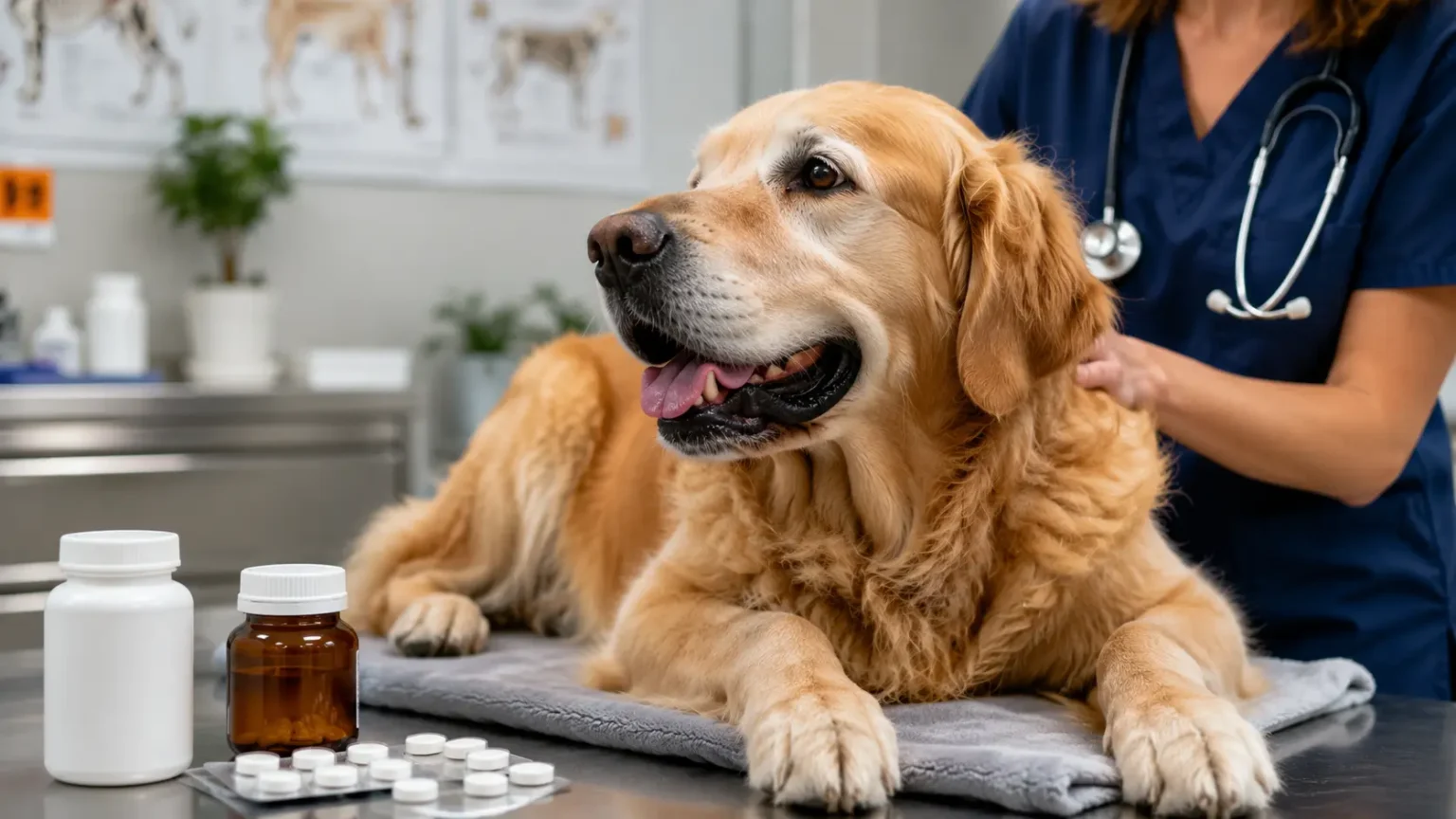

Carprofen for Dogs: Uses, Dosage & Side Effects
Carprofen is a prescription medication commonly used by veterinarians to relieve pain and inflammation in dogs. It belongs to a group of medicines known as nonsteroidal anti-inflammatory drugs, or NSAIDs, and is frequently prescribed for arthritis, orthopedic problems, and pain following surgery. Many dog owners recognize it by brand names such as Rimadyl, although generic versions are also widely available. When prescribed appropriately, carprofen can improve comfort, movement, and quality of life for dogs dealing with painful inflammatory conditions. However, it is not suitable for every dog, and side effects can occasionally be serious. Veterinary supervision is therefore essential whenever a dog is receiving this medication.
Dogs can respond very differently to medications based on their age, weight, overall health, other medicines, and the condition being treated. This is particularly important with NSAIDs because the dose that is appropriate for one dog may not be safe for another. Liver disease, kidney problems, dehydration, gastrointestinal conditions, and certain medications can increase the risk of complications. Owners should never give leftover carprofen from another pet or change the prescribed amount without speaking with a veterinarian. Human pain relievers should not be substituted either, because several commonly used human NSAIDs can be dangerous for dogs. Responsible use begins with an individualized veterinary assessment and clear dosing instructions.
Understanding how carprofen works, what symptoms it treats, and which warning signs deserve attention can help owners use the medication more safely. This guide explains common carprofen uses in dogs, veterinary dosing principles, expected benefits, potential side effects, drug interactions, monitoring, and important safety precautions. It also discusses what to do if a dose is missed or a dog accidentally receives too much. The goal is not to replace advice from a veterinarian but to make prescribed treatment easier to understand. If your dog has already been given specific instructions, those instructions take priority over general information. Questions about dosing or side effects should always be discussed with the veterinarian managing your dog’s care.
What Is Carprofen for Dogs?
Carprofen is a veterinary NSAID designed to reduce inflammation, relieve pain, and improve comfort in dogs. It works primarily by reducing the production of prostaglandins, chemical messengers involved in inflammation and pain. Some prostaglandins also help protect the stomach lining and support blood flow to the kidneys, which explains why NSAIDs require careful dosing and monitoring. Carprofen is commonly available as chewable tablets, caplets, and injectable formulations used in veterinary settings. Different products may contain different tablet strengths, making it important to follow the label provided for the individual dog. Prescription instructions should never be replaced by a dose found online.
Carprofen has been used extensively in veterinary medicine, particularly for musculoskeletal pain. Dogs with osteoarthritis may receive the medication for longer periods when their veterinarian believes the benefits outweigh potential risks. It can also be used for shorter periods following procedures such as orthopedic or soft-tissue surgery. Some dogs show noticeable improvements in mobility and comfort after treatment begins, while others may require additional therapies. The effectiveness of carprofen depends partly on what is causing the dog’s pain. It reduces inflammation and discomfort but does not reverse structural joint damage or cure arthritis. For chronic problems, veterinarians often combine medication with weight management, controlled exercise, rehabilitation, or other supportive approaches.
Although carprofen and certain human NSAIDs belong to the same broad drug category, they should not be considered interchangeable. Dogs metabolize medications differently from people, and substances commonly taken by humans can produce severe toxicity in pets. Giving ibuprofen, naproxen, aspirin, or another pain reliever alongside carprofen can also greatly increase the risk of complications. Even medications previously prescribed to the dog may interact with a new treatment plan. Owners should therefore provide their veterinarian with a complete list of medications and supplements the dog receives. This information includes occasional products, not only medicines given every day. A medication’s safety depends on the entire clinical picture.
Carprofen is available only through veterinary prescription in many markets because selecting an appropriate NSAID requires assessment of the dog’s health. Before beginning long-term treatment, a veterinarian may recommend a physical examination and laboratory testing. Blood tests can help assess liver and kidney function and establish baseline values for future monitoring. Some dogs may need more frequent testing because of age, existing disease, or extended treatment duration. Monitoring is not an indication that carprofen is automatically dangerous. Rather, it is a practical way to detect changes early and decide whether treatment should continue, be adjusted, or be replaced.
Owners should also understand that pain control is an important part of veterinary care rather than simply a comfort issue. Chronic pain can reduce activity, interfere with sleep, change behavior, and make ordinary movements difficult. An older dog with arthritis may hesitate to climb stairs, jump into a vehicle, stand after resting, or participate in walks. Reducing pain can help restore some of these everyday activities and improve overall quality of life. Carprofen can be an effective component of that care when used in an appropriate patient. The key is balancing effective pain relief with responsible dosing, observation, and veterinary follow-up.
What Is Carprofen Used for in Dogs?
One of the most common uses of carprofen in dogs is management of pain associated with osteoarthritis. Canine osteoarthritis is a progressive joint condition involving cartilage deterioration, inflammation, and structural changes within affected joints. Dogs may become stiff after sleeping, move more slowly, avoid stairs, or struggle to stand comfortably. Some dogs do not cry or whimper even when significant arthritis pain is present, making subtle mobility changes particularly important. Carprofen can reduce inflammatory pain and make movement easier for many affected dogs. It does not rebuild damaged cartilage, but improved pain control may allow dogs to remain more active and comfortable.
Veterinarians also frequently use carprofen to manage postoperative pain and inflammation. Procedures involving bones, joints, soft tissues, or other painful areas can trigger inflammation that persists during recovery. A veterinarian may administer an injectable form around the time of surgery and later prescribe oral medication for use at home. The length of treatment varies depending on the procedure, the dog’s health, and the expected recovery period. Owners should continue medication only for the prescribed duration unless their veterinarian advises otherwise. Giving extra doses because a dog appears uncomfortable can be dangerous. Persistent pain after surgery should instead prompt a conversation with the veterinary clinic.
Orthopedic injuries are another situation in which veterinarians may consider carprofen. Sprains, ligament injuries, joint inflammation, and certain musculoskeletal conditions can produce pain that limits normal activity. Reducing inflammation may improve comfort while diagnostic testing, rest, rehabilitation, or surgical treatment addresses the underlying problem. Pain relief should not be interpreted as evidence that an injury has healed completely. A dog may become more active once medication reduces discomfort and accidentally place excessive strain on an injured structure. For this reason, owners should follow exercise restrictions even when their dog seems dramatically better. Recovery recommendations remain important regardless of symptom improvement.
Carprofen can sometimes be included in a multimodal pain-management plan. Multimodal treatment means using several complementary strategies rather than relying on one medication alone. Depending on the dog’s condition, the veterinarian may combine an NSAID with rehabilitation exercises, controlled weight reduction, environmental modifications, or other veterinary medications. This approach can sometimes improve pain control while reducing dependence on any single intervention. The combination must be selected carefully because certain drugs should not be administered together with carprofen. Owners should never add another pain medication or anti-inflammatory product on their own. Veterinary coordination is especially important when a dog is receiving treatment from more than one clinic or specialist.
Not every type of pain is best treated with carprofen. Nerve pain, abdominal pain, spinal conditions, cancer-related discomfort, and other disorders may require different or additional medications. Furthermore, pain can be a symptom of an underlying problem that needs diagnosis rather than simply suppression. If a dog suddenly becomes lame, stops eating, cries when touched, or behaves differently, starting leftover pain medication can hide important symptoms and delay appropriate evaluation. A veterinarian can determine whether an NSAID is suitable after considering the likely cause. Carprofen is most useful when it is part of a clear treatment plan rather than being treated as a general-purpose painkiller.
Carprofen Dosage for Dogs
Carprofen dosage is determined primarily according to body weight, but weight alone is not enough to decide whether the medication is safe. A commonly used labeled total daily amount is approximately 4.4 milligrams per kilogram of body weight per day, which may be given once daily or divided into approximately 2.2 milligrams per kilogram every twelve hours depending on the product and veterinary instructions. These numbers describe general veterinary labeling rather than a recommendation to calculate and administer the drug independently. Individual dogs may receive different instructions because of their condition, age, treatment goals, or medical history. The prescription label from the veterinarian should always be followed exactly.
Tablet strengths vary, which is another reason owners should not create their own dosing schedule from a general calculation. A veterinarian chooses a combination that delivers an appropriate amount while considering the available formulation. Some chewable tablets are flavored, making them attractive enough that dogs may eat several if they gain access to the container. Medication should therefore be stored securely, just as human prescription medicines would be. Splitting tablets should only be done when the particular product and veterinary instructions permit it. Estimating fractions by eye or substituting a tablet belonging to another dog can cause dosing errors. Even a familiar medication should be treated as a prescription product.
Long-term dosing for arthritis may differ in practical management from short-term use after surgery. Some dogs remain on a veterinarian-selected NSAID for extended periods because continuous pain control provides meaningful quality-of-life benefits. During long-term treatment, the veterinarian may aim to use an effective dose while monitoring tolerance and clinical response. Owners should not independently reduce the dose to save medication or increase it during painful days. Changes in arthritis symptoms may indicate progression of disease or another medical problem rather than simply a need for additional carprofen. A veterinary reassessment can determine whether medication, weight management, rehabilitation, or another treatment strategy needs adjustment.
The dog’s current health status matters substantially when determining whether carprofen should be given at all. A dog that is vomiting, experiencing diarrhea, refusing food, or becoming dehydrated may be at greater risk of NSAID-related complications. In those circumstances, owners should contact their veterinarian before continuing treatment rather than automatically giving the next dose. Similar caution is appropriate after significant illness, heat stress, or reduced water intake. Dogs with kidney or liver abnormalities may need a different medication or a more individualized monitoring plan. A dosage that was appropriate months earlier may require reconsideration if the dog’s health changes.
Owners should never assume that giving a little more medication will provide faster or stronger pain relief. NSAIDs have a therapeutic range, and exceeding the prescribed amount increases toxicity risk without guaranteeing greater benefit. Accidental overdoses can cause gastrointestinal ulceration, kidney injury, liver problems, and potentially life-threatening complications. If a dog receives an additional dose or consumes an unknown number of tablets, contact a veterinarian or veterinary poison service promptly. Do not wait for symptoms to appear before seeking guidance because early treatment can be important. Keeping an accurate medication schedule can also prevent household members from accidentally giving the same dose twice.
Common Side Effects of Carprofen in Dogs
Gastrointestinal problems are among the most commonly noticed side effects associated with NSAIDs such as carprofen. A dog may experience reduced appetite, vomiting, diarrhea, or changes in stool consistency after starting treatment. Some mild digestive changes may resolve, but owners should not automatically assume they are harmless. Persistent vomiting or diarrhea can cause dehydration and may signal irritation of the gastrointestinal tract. Dark, black, or tar-like stool is particularly concerning because it can indicate digested blood from gastrointestinal bleeding. Blood in vomit or stool also deserves prompt veterinary attention. When digestive symptoms develop, contacting the prescribing veterinarian before giving additional medication is generally the safest approach.
Changes in behavior can sometimes provide the first clue that a dog is not tolerating medication well. Owners may notice unusual lethargy, weakness, restlessness, confusion, reduced interest in activities, or a general impression that the dog is not acting normally. These signs are nonspecific and can occur with many illnesses, but they should not be ignored during NSAID treatment. Dogs cannot explain nausea, abdominal discomfort, or dizziness verbally, so behavioral changes may reflect physical distress. Keeping track of when symptoms started can help the veterinarian determine whether medication might be involved. A sudden decline after beginning carprofen deserves particular attention even if there is no obvious vomiting or diarrhea.
Changes in drinking and urination can indicate potential kidney-related problems. A dog may begin drinking considerably more water, urinating more frequently, producing less urine, or appearing unusually thirsty. Kidney complications are more likely under certain circumstances, particularly when a dog is dehydrated, has pre-existing kidney disease, or receives medications that influence renal blood flow. Not every change in drinking means carprofen is responsible, because diabetes, hormonal disorders, infection, and other diseases can produce similar symptoms. Nevertheless, unusual thirst or urination should be reported during NSAID therapy. Blood and urine tests may be needed to determine whether kidney function remains normal.
Liver-related adverse effects are less common but potentially serious. Warning signs can include poor appetite, repeated vomiting, marked lethargy, yellowing of the gums or whites of the eyes, and unusual changes in behavior. Urine may occasionally become unusually dark, although urine color can change for many reasons. Liver reactions can sometimes occur unpredictably rather than only after extremely high doses. This is one reason baseline and follow-up blood testing may be recommended for dogs receiving prolonged treatment. If liver-related symptoms appear, the veterinarian may advise stopping the medication while testing is performed. Owners should not restart carprofen later without professional guidance simply because symptoms improve.
Allergic or hypersensitivity reactions are possible with almost any medication, although they are not among the most typical carprofen problems. Facial swelling, hives, sudden intense itching, collapse, or difficulty breathing requires urgent veterinary attention. Skin redness alone is not necessarily an allergic reaction because many unrelated conditions can affect the skin. However, rapid swelling around the muzzle, eyes, or throat can become dangerous. Any severe reaction shortly after administering a medication should be treated seriously. Keeping the original packaging available can help veterinary staff identify the exact product and tablet strength. Owners should also record the approximate time the dose was given when communicating with the clinic.
Serious Carprofen Risks and Warning Signs
Gastrointestinal ulceration is one of the more serious potential complications associated with NSAIDs. Prostaglandins do more than promote inflammation; some also help protect the stomach and intestinal lining. Reducing their activity can occasionally leave the gastrointestinal tract more vulnerable to irritation, erosion, and bleeding. Warning signs include repeated vomiting, abdominal discomfort, loss of appetite, bloody diarrhea, or black tarry stools. A dog may also become weak if significant blood loss occurs. Gastrointestinal injury can develop even when a medication has previously been tolerated. Owners should therefore remain observant throughout treatment rather than assuming that side effects can only occur during the first few doses.
Kidney injury is another important concern, particularly in dogs with reduced circulating blood volume or pre-existing kidney disease. NSAIDs can affect mechanisms that help maintain kidney blood flow under stressful conditions. A healthy, well-hydrated dog generally handles this effect better than one experiencing dehydration, low blood pressure, significant illness, or kidney impairment. This is why veterinarians may recommend temporarily reconsidering NSAID treatment when a dog becomes acutely unwell. Changes in urination, appetite, vomiting, weakness, or thirst may be early warning signs, although kidney problems sometimes produce subtle symptoms. Laboratory testing provides more reliable information than appearance alone.
Liver reactions associated with carprofen are considered uncommon, but their potential seriousness makes monitoring worthwhile. Some dogs may develop increased liver enzymes without obvious illness, while others can experience more significant liver dysfunction. The reaction is not always directly related to excessive dosing, meaning even a correctly prescribed amount requires observation. Yellow coloration of the eyes, gums, or skin is an important warning sign because it can indicate jaundice. Persistent vomiting, appetite loss, marked fatigue, and unusual abdominal discomfort can also occur with liver disease. Veterinary testing is necessary because these symptoms overlap with many other disorders. Early recognition can make management easier.
Neurologic or severe systemic symptoms should also prompt urgent attention. Collapse, profound weakness, seizures, severe disorientation, or inability to stand are not expected mild medication effects. Such signs can occur with poisoning, serious illness, severe dehydration, organ dysfunction, or unrelated emergencies. An accidental ingestion of multiple flavored carprofen tablets can be especially concerning because a dog may consume a large quantity before anyone notices. Owners should contact veterinary professionals immediately rather than attempting home remedies or inducing vomiting without instructions. The appropriate response depends on the amount ingested, the dog’s size, timing, medical history, and product formulation.
A useful practical rule is that any significant change in a dog’s normal eating, drinking, elimination, energy, or behavior deserves attention during carprofen therapy. Not every change will be caused by the medication, but assuming symptoms are unrelated can delay treatment of an adverse reaction. Veterinary clinics may advise stopping further doses until the dog can be evaluated, depending on the circumstances. Owners should provide details about the medication strength, dose, timing, and any other drugs or supplements being used. Prompt communication is particularly important for older dogs and those with existing medical conditions. Medication safety depends not only on prescribing correctly but also on responding quickly when something changes.
Carprofen Drug Interactions and Dogs That Need Extra Caution
Carprofen should generally not be combined with another NSAID unless a veterinarian has specifically designed the treatment plan. Combining anti-inflammatory medications can greatly increase the risk of stomach ulceration, gastrointestinal bleeding, and kidney complications. This includes veterinary NSAIDs as well as human products that an owner may have at home. Aspirin deserves particular caution because owners sometimes assume that a small dose is a harmless alternative. Even when aspirin was previously recommended, switching between it and carprofen may require an appropriate waiting period. The veterinarian should decide how and when that transition occurs. Medication changes should never be managed by guessing.
Corticosteroids such as prednisone can also interact dangerously with NSAIDs. Both drug classes can affect gastrointestinal protective mechanisms, making the combination particularly concerning for ulceration and bleeding. If a dog has recently been receiving steroids, the veterinarian needs to know before carprofen is started. The reverse is equally important when switching from carprofen to corticosteroid treatment. A washout period may be recommended depending on the drugs, doses, duration, and clinical circumstances. Owners should never stop one medication and begin another based solely on information from a previous prescription. Safe transitions require individualized veterinary guidance.
Other medications can influence kidney function, blood pressure, clotting, or gastrointestinal health and may therefore change the safety profile of carprofen. Diuretics, certain blood pressure medications, anticoagulants, and some other prescription drugs deserve particular review by the veterinarian. Supplements and herbal products should be disclosed as well because natural does not automatically mean interaction-free. Owners may unintentionally omit supplements when answering questions about medication history because they do not consider them drugs. Providing the veterinarian with photographs of every product label can make this process easier. Accurate medication reconciliation becomes especially important in older dogs receiving several treatments.
Dogs with kidney disease, liver disease, a history of gastrointestinal ulcers, or certain blood disorders may not be ideal candidates for carprofen. Veterinarians weigh potential benefits against individual risks rather than using a universal rule for every patient. A dog with significant dehydration or an acute illness may also require a temporary change in pain-management strategy. Pregnant, breeding, or nursing dogs require additional veterinary consideration because medication safety may differ in these situations. Very young animals may also have product-specific restrictions. Owners should provide a complete health history rather than assuming that unrelated medical problems do not matter.
Older dogs often receive carprofen because arthritis becomes more common with age, but senior status can also increase the importance of monitoring. Aging dogs may have early kidney or liver changes before obvious symptoms develop. Blood testing before treatment provides a baseline that can be compared with future results. Periodic examinations also allow veterinarians to assess whether arthritis pain is still adequately controlled and whether another condition has developed. Long-term NSAID therapy is not automatically inappropriate for older dogs when the medication provides substantial benefits. Careful patient selection and monitoring allow many senior dogs to receive effective pain relief more safely.
What to Do If You Miss a Carprofen Dose or Give Too Much
If a scheduled carprofen dose is accidentally missed, owners should avoid automatically doubling the next dose. The appropriate action can depend on how much time has passed and whether the dog receives medication once or twice daily. In many situations, the veterinarian may recommend giving the dose when remembered unless it is already close to the next scheduled administration. However, product instructions and individual treatment plans can differ. Calling the veterinary clinic is the safest option when there is uncertainty. A missed dose is generally less concerning than accidentally administering too much medication in an attempt to compensate.
Double dosing can happen easily in households where more than one person cares for a pet. One family member may give the morning medication without realizing another person has already done so. Using a written medication chart, labeled pill organizer, or simple phone record can reduce this risk. Everyone responsible for the dog should understand who gives each medication and when. This becomes especially important when several prescriptions are given at different times of day. Good organization is not merely convenient; it is part of medication safety. Owners should never assume an extra dose is harmless because the dog appears normal immediately afterward.
Accidental ingestion of an entire bottle requires urgent veterinary guidance. Flavored chewable carprofen tablets can smell and taste appealing to dogs, which means an unsecured container may be consumed rapidly. Toxicity risk depends on the amount swallowed relative to the dog’s body weight, along with age, health, hydration status, and other medications. Symptoms may not appear immediately, so waiting for vomiting or weakness before calling can waste valuable treatment time. A veterinarian or animal poison service may recommend evaluation even when the dog currently looks completely normal. Early intervention may reduce absorption or protect vulnerable organs depending on the timing.
Owners should not attempt to induce vomiting unless a veterinary professional specifically instructs them to do so. Home methods can cause aspiration, chemical injury, or other complications and may be inappropriate depending on the dog’s condition. Bringing the medication container to the veterinary clinic provides useful information about tablet strength and the maximum possible amount ingested. If some tablets remain, counting them can help estimate the exposure. The approximate time of ingestion is also important. Treatment after an overdose may involve decontamination, gastrointestinal protection, intravenous fluids, laboratory monitoring, or additional supportive care depending on severity.
After any suspected overdose, follow-up testing may be necessary even if the dog initially appears well. Kidney or liver changes can develop after the initial event, and gastrointestinal injury may not become obvious immediately. The veterinarian determines how long monitoring should continue based on the estimated dose and clinical findings. Owners should watch carefully for vomiting, diarrhea, appetite loss, dark stool, lethargy, abnormal thirst, or changes in urination. Never restart carprofen after an overdose until the veterinarian specifically says it is safe. An accidental exposure is a medical issue that should be managed based on professional toxicology and veterinary guidance rather than observation alone.
How to Use Carprofen More Safely at Home
Safe carprofen use begins with following the prescription label exactly. The label should identify the amount to give, how frequently to administer it, and how long treatment is expected to continue. If the instructions are damaged, confusing, or inconsistent with what was discussed at the appointment, the clinic should be contacted before another dose is given. Never rely on memory when several medications are involved. Keeping the bottle in its original packaging reduces the chance of confusion between prescriptions. The dog’s name and tablet strength should also be checked before each administration in homes with multiple pets.
Owners should observe their dog’s normal habits before and during treatment because subtle changes can provide valuable safety information. Appetite, water intake, bowel movements, urination, activity level, and general behavior are particularly useful to monitor. A simple diary can help when a dog receives long-term medication for arthritis. Recording mobility as well as potential side effects allows the veterinarian to judge whether the treatment is producing enough benefit to justify continued use. Owners may notice that the dog stands more easily, walks farther, or becomes more interested in play. These functional improvements can be more meaningful than trying to assign a numerical pain score at home.
Follow-up laboratory testing may be recommended for dogs receiving carprofen over an extended period. Testing intervals vary because veterinarians consider age, medical history, previous results, treatment duration, and concurrent medications. Bloodwork commonly evaluates indicators related to liver and kidney function, although additional tests may sometimes be appropriate. Normal test results do not eliminate every possibility of an adverse reaction, which is why symptom monitoring remains important. Likewise, a mild laboratory change does not automatically mean a serious injury has occurred. Veterinarians interpret trends together with the dog’s clinical condition before deciding whether treatment should continue.
Lifestyle measures can improve arthritis management alongside medication and may reduce strain on painful joints. Maintaining an appropriate body condition is particularly important because excess weight increases mechanical stress on hips, knees, elbows, and the spine. Controlled regular exercise can preserve muscle strength and mobility more effectively than alternating prolonged inactivity with occasional intense activity. Rugs, ramps, supportive bedding, and better traction can make everyday movement easier for older dogs. Rehabilitation therapy may also benefit selected patients. These strategies do not replace necessary pain medication, but they can make a comprehensive treatment plan more effective.
Owners should periodically reassess treatment with their veterinarian rather than assuming a prescription remains appropriate indefinitely. Arthritis can progress, body weight can change, and new medical conditions can develop over time. A medication that provided excellent relief last year may need adjustment or supplementation later. Conversely, unexpected symptoms may require changing to another pain-management strategy. Regular veterinary reviews create opportunities to discuss both effectiveness and safety. Carprofen can be a valuable medication for many dogs, but the best results come from individualized dosing, careful monitoring, sensible supportive care, and ongoing communication with the veterinary team.
Frequently Asked Questions About Carprofen for Dogs
What is carprofen used for in dogs?
Carprofen is primarily used to reduce pain and inflammation associated with osteoarthritis, orthopedic conditions, and surgical procedures. Veterinarians may also prescribe it for other painful inflammatory conditions when an NSAID is considered appropriate.
How much carprofen can I give my dog?
A commonly labeled total daily veterinary dose is around 4.4 mg/kg per day, sometimes divided into approximately 2.2 mg/kg every 12 hours, but this should not be used to create a dose without veterinary guidance. Your dog’s prescription label should be followed because health conditions, product strength, and individual risk factors can change the appropriate treatment.
Does carprofen make dogs sleepy?
Sleepiness is not necessarily the intended effect of carprofen, although a dog may appear calmer when pain improves. Unusual or pronounced lethargy can also indicate illness or an adverse reaction, so a significant behavior change should be discussed with the veterinarian.
What are the most serious side effects of carprofen?
Potentially serious problems include gastrointestinal ulceration or bleeding, kidney injury, liver dysfunction, and severe allergic reactions. Warning signs such as repeated vomiting, black stool, jaundice, marked weakness, abnormal thirst or urination, collapse, or breathing difficulty require prompt veterinary attention.
Can dogs take carprofen every day?
Some dogs with chronic conditions such as osteoarthritis receive carprofen daily for extended periods under veterinary supervision. Long-term treatment typically requires ongoing assessment and may include periodic blood testing to monitor liver and kidney health.