
Introduction to Climate Change and Oceans
Climate change, a pressing global issue, refers to significant alterations in temperature, precipitation, winds, and other elements of the Earth’s climate system. This phenomenon is largely driven by human activities, particularly the burning of fossil fuels, deforestation, and industrial processes, which increase the concentration of greenhouse gases in the atmosphere. These gases trap heat, leading to a rise in global temperatures and resulting in profound environmental changes.
The oceans are critical in regulating Earth’s climate. They absorb a significant amount of the excess heat produced by climate change, serving as a buffer that mitigates temperature rise on land. Furthermore, the oceans also absorb approximately one-third of the carbon dioxide emitted into the atmosphere, helping to slow down the associated effects of climate change. However, this has detrimental consequences for marine ecosystems.
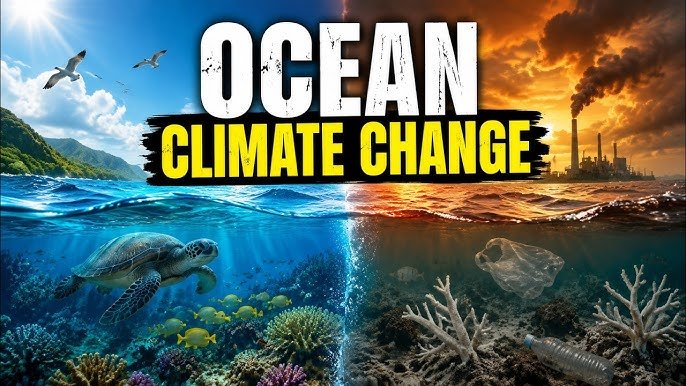
As the oceans warm, the consequences extend to the entire marine environment. Warmer waters lead to coral bleaching and loss of biodiversity, affecting countless marine species. Additionally, rising sea levels due to thermal expansion and melting ice sheets threaten coastal communities. Changes in water temperature also disrupt ocean currents and weather patterns, further influencing climate systems across the globe.
Moreover, ocean acidification—caused by increased carbon dioxide absorption—seriously impacts marine life, particularly organisms with calcium carbonate structures, such as corals and shellfish. As these vital species struggle to adapt, the entire food web faces potential collapse, threatening food security, livelihoods, and overall ocean health. Understanding the multifaceted relationship between climate change and the oceans is imperative for developing effective mitigation and adaptation strategies.
The Science Behind Ocean Warming
Ocean warming is a significant consequence of climate change, primarily driven by an increase in greenhouse gas emissions. As global temperatures rise due to human activities, particularly the burning of fossil fuels, large amounts of carbon dioxide (CO2) and other greenhouse gases are released into the atmosphere. These gases trap heat, creating a greenhouse effect that subsequently warms the planet and the oceans.
The world’s oceans act as a vital carbon sink, absorbing approximately 30% of the CO2 emitted by human activities. While this process helps mitigate climate change impacts on land, it leads to ocean acidification and a drastic rise in water temperatures. Data indicates that the top 100 meters of ocean have experienced a temperature increase of more than 0.6 degrees Celsius since the 1970s. This warming affects both surface and deep ocean layers, altering currents and weather patterns across the globe.
Warmer oceans impact marine ecosystems significantly. Increased temperatures can lead to coral bleaching, where corals expel the symbiotic algae living within them, causing widespread die-offs of coral reefs, which serve as essential habitats for numerous marine species. Additionally, species migration patterns are disrupted, as many marine organisms, including fish, tend to migrate toward cooler waters in search of suitable habitats, potentially putting them at risk or resulting in altered food webs.
Moreover, ocean warming exacerbates extreme weather events, such as hurricanes and typhoons, resulting in destructive consequences for coastal communities and ecosystems. As these phenomena become more intense, their impacts on human populations increase, exacerbating the challenges of climate adaptation. Understanding the science of ocean warming is crucial in recognizing its extensive implications for biodiversity, human livelihoods, and the overall health of our planet’s marine systems.
Acidification: The Hidden Threat to Marine Life
Ocean acidification is a significant environmental issue that results from the increase of carbon dioxide (CO2) emissions in the atmosphere. Approximately 30% of the CO2 produced by human activities is absorbed by our oceans, leading to chemical reactions that reduce the pH of seawater. This alteration in ocean chemistry poses a serious threat to marine ecosystems, particularly to organisms that rely on calcium carbonate for their shells and skeletons, such as coral reefs and shellfish.
Coral reefs, often called the “rainforests of the sea,” are highly sensitive to changes in pH levels. The process of calcium carbonate formation, essential for coral growth, becomes increasingly difficult as the ocean becomes more acidic. This not only compromises the structural integrity of coral reefs but also disrupts the entire marine food web that relies on these ecosystems. Increased acidity can lead to slower growth rates, reduced reproductive success, and higher mortality rates in coral species, which impacts biodiversity and the services these reefs provide to coastal communities.
Shellfish, including species like oysters, clams, and scallops, are also adversely affected by acidification. Their ability to form shells diminishes, making them more vulnerable to predation and environmental stresses. The economic ramifications of decreased shellfish populations can be substantial, as many coastal economies depend on these fisheries for livelihood. As acidification progresses, the destabilization of the marine food web poses an existential threat to various fish species that rely on shellfish as a primary food source.
In conclusion, ocean acidification represents a hidden but profound danger to marine life. By altering the basic chemistry of seawater, it poses challenges not only for individual species but for entire ecosystems and the human communities that rely on them. Addressing climate change and reducing CO2 emissions are essential steps to mitigate these impacts and protect our oceans for future generations.
Sea Level Rise and Coastal Ecosystems
The phenomenon of sea level rise is a direct consequence of climate change, mainly attributed to the melting of polar ice caps and the thermal expansion of seawater as temperatures increase. This gradual yet relentless rise places immense pressure on coastal ecosystems, which serve as crucial habitats for diverse marine and terrestrial species. Understanding the implications of sea level rise is essential for the preservation of biodiversity and the well-being of human populations living in coastal areas.
As sea levels rise, coastal ecosystems such as mangroves, salt marshes, and coral reefs are at risk of submergence. These ecosystems play a vital role in providing a buffer against storms, promoting water filtration, and supporting a wide range of biodiversity. The loss of these habitats not only diminishes ecosystem services but also directly threatens the species that rely on them for survival. Additionally, the habitat loss can lead to displacement of wildlife and a further decline in biodiversity, resulting in a fragile imbalance within these ecosystems.
Human populations along coastlines also face significant challenges due to rising sea levels. Many coastal communities, particularly in developing regions, are vulnerable to flooding, loss of arable land, and increasing salinity in freshwater resources. These changes threaten livelihoods that depend on fishing, agriculture, and tourism. The encroachment of saltwater can lead to the loss of farmland and the degradation of vital freshwater systems, exacerbating food insecurity and economic instability.
Moreover, coastal infrastructure, which includes roads, buildings, and ports, is increasingly at risk of damage from rising waters. Investing in resilient infrastructure, alongside environmental conservation efforts in coastal ecosystems, is paramount for mitigating the impacts of sea level rise. Strategies such as constructed wetlands and natural barriers can help protect human settlements while preserving essential ecosystems. By understanding these implications, stakeholders can take proactive measures in adaptation and mitigation efforts.
Changes in Ocean Circulation and Weather Patterns
Climate change is significantly altering ocean circulation patterns, which in turn affects global weather systems. The ocean is a crucial component of the Earth’s climate system, playing a vital role in regulating temperature and precipitation patterns. As the planet warms, the distribution of heat in the ocean changes, leading to shifts in currents that influence weather patterns worldwide.
One of the most notable impacts of climate change on ocean circulation is the alteration of major current systems, such as the Gulf Stream in the North Atlantic Ocean. This current helps transport warm water from the tropics towards the poles, impacting regional climates. As sea surface temperatures rise, the intensity and position of these currents can change, leading to unexpected weather phenomena such as prolonged droughts or increased flooding in different regions.
Moreover, changes in ocean circulation can lead to the enhancement of extreme weather events. For example, warmer ocean temperatures contribute to an increase in the frequency and intensity of hurricanes and tropical storms. When ocean waters are warmer, they provide more energy for storms, resulting in stronger winds and increased rainfall, which can cause devastating floods and landslides.
Another consequence of altered ocean circulation is the impact on atmospheric conditions. The relationship between ocean temperatures and atmospheric circulation is complex, but a warmer ocean can lead to changes in the jet stream, leading to unusual weather patterns such as prolonged cold spells or unseasonable warmth in certain regions. This irregularity can disrupt agricultural practices and natural ecosystems, emphasizing the interconnected nature of ocean health and climate stability.
Thus, understanding how climate change affects ocean circulation is vital for predicting future weather patterns and mitigating the associated risks. The evolving dynamics of our oceans are a cry for attention, urging us to take action to address climate change and its ramifications on global weather systems.
Impact on Marine Biodiversity and Habitat Loss
Climate change has emerged as a significant threat to marine biodiversity, with far-reaching implications for the stability of ocean ecosystems. As ocean temperatures rise due to increased greenhouse gas emissions, species previously accustomed to specific climatic conditions are being pushed to migrate to cooler waters. This shift not only disrupts established ecological relationships but also increases competition among marine species for resources, often placing vulnerable communities at greater risk.
Overfishing exacerbates these challenges. As certain fish populations decline due to unsustainable harvesting practices, the balance of marine ecosystems is further compromised. This phenomenon can lead to the collapse of entire fisheries, which serves as a crucial source of protein for billions of people worldwide. Moreover, when dominant predator species decrease, it allows for unchecked growth of prey species, resulting in cascading effects that destabilize the ecosystem.
Critical habitats are also under siege from the impacts of climate change. Coral reefs, which are home to approximately 25% of all marine species, are particularly susceptible. Increased sea temperatures lead to coral bleaching, where corals expel the symbiotic algae necessary for their survival, resulting in vast areas of white, lifeless coral. Without intervention, the loss of coral reefs not only diminishes biodiversity but also weakens the coastal defense these ecosystems provide against storms and erosion.
Similarly, mangroves play a vital role in carbon sequestration and act as buffers against coastal storms and rising sea levels. The degradation of these habitats due to rising temperatures, pollution, and human encroachment jeopardizes the myriad of species that depend on mangroves for their survival and breeding. Overall, the ongoing climate change crisis is increasingly evident, manifesting through habitat loss and diminished marine biodiversity, which underscores the urgent need for collaborative conservation efforts.
Human and Economic Implications
The socio-economic implications of climate change on our oceans are profound and far-reaching. The fishing industry, a vital economic sector for many coastal communities around the globe, is particularly vulnerable to the effects of rising sea temperatures, ocean acidification, and changing fish migration patterns. As marine species adjust their habitats in response to climate shifts, traditional fishing grounds may become less productive or may even disappear altogether. This not only threatens the livelihoods of fishermen but also jeopardizes the food security of millions who depend on seafood as a primary source of protein.
Moreover, tourism is significantly influenced by the health of ocean ecosystems. Coastal areas rely heavily on tourist activities, such as snorkeling, diving, and fishing, which are intrinsically linked to vibrant marine environments. However, climate change induces coral bleaching, degrades marine habitats, and leads to the decline of biodiversity, adversely affecting tourist appeal. Consequently, businesses in the tourism sector face economic losses, which could have cascading effects on local economies, particularly in regions that thrive on seasonal tourism.
Coastal communities that depend on healthy ocean ecosystems for their livelihoods are at risk. As climate change progresses, these communities encounter challenges such as increased flooding, erosion, and habitat degradation, which can displace populations and necessitate costly adaptations. Fishing and tourism industries are crucial not only for economic stability but also for cultural identities and social cohesion within these vulnerable communities.
In essence, the human and economic implications of climate change on our oceans are intertwined with the health of marine ecosystems. Sustainable practices that promote the conservation of marine resources are essential for ensuring the resilience of economies and the well-being of communities that depend on them.
Mitigation and Adaptation Strategies for Ocean Health
The effects of climate change on ocean health are profound, prompting a need for comprehensive mitigation and adaptation strategies. Collaborative efforts at local, national, and global levels are crucial for protecting and restoring ocean ecosystems. Research indicates that reducing greenhouse gas emissions is foundational to slowing the impacts of climate change. Transitioning to renewable energy sources, enhancing energy efficiency, and adopting sustainable agricultural practices can significantly lower carbon footprints.
At the community level, implementing effective coastal management practices is essential. This includes restoring mangroves, seagrasses, and coral reefs that serve as vital buffers against ocean acidification and rising sea levels. These ecosystems not only protect coastal areas but also support biodiversity and fisheries, promoting economic resilience for local communities. Additionally, promoting marine protected areas (MPAs) can safeguard critical habitats from overfishing and habitat destruction.
Nationally, legislation aimed at regulating carbon emissions and promoting sustainable fishing practices is vital. Countries can establish fishing quotas, enhance monitoring systems, and incorporate technologies such as satellite tracking to ensure compliance. Encouraging public awareness campaigns that inform communities about the importance of ocean health can foster individual and collective action to mitigate climate change impacts.
Globally, international cooperation plays a significant role in addressing climate change. Agreements such as the Paris Agreement and the United Nations Sustainable Development Goals emphasize a collective responsibility for ocean health. Initiatives like the Blue Carbon Initiative advocate for the conservation of coastal and marine ecosystems, recognizing their importance in carbon sequestration and overall climate resilience.
In conclusion, an effective combination of local actions, national policies, and international agreements is essential in mitigating the adverse effects of climate change on our oceans. By integrating these strategies, we can work towards a sustainable future that promotes the health of ocean ecosystems and their invaluable resources.
Conclusion and Call to Action
The intricate relationship between climate change and our oceans is a compelling narrative that calls for immediate attention. Throughout this blog post, we have explored how rising sea temperatures, ocean acidification, and subsequent disruptions to marine ecosystems not only threaten biodiversity but also impact human livelihoods. The consequences highlighted, such as coral bleaching and the decline of fish populations, underscore the urgency with which we must address these issues.
To mitigate the effects of climate change on our oceans, a multi-faceted approach is essential. Individuals can contribute by reducing their carbon footprint, engaging in sustainable fishing practices, and supporting local initiatives aimed at conserving marine habitats. Furthermore, it is imperative that citizens advocate for policies that prioritize ocean health and climate change mitigation at local, national, and global levels. Collaboration between governments, non-profit organizations, and communities is vital to developing innovative solutions that can enhance ocean resilience.
As stewards of the planet, it is our collective responsibility to ensure that our oceans remain vibrant and full of life for future generations. Each small action, when multiplied across millions of people, can lead to significant change. The time to act is now; our oceans are not just a resource but an integral part of the Earth’s ecosystem and our own survival.
In conclusion, by actively participating in conservation efforts and supporting necessary legislative measures, we can combat the forces of climate change impacting our oceans. Let us join together in this crucial endeavor to protect one of our most vital natural assets.