

Medjool Dates: 7 Benefits You Need to Know Today
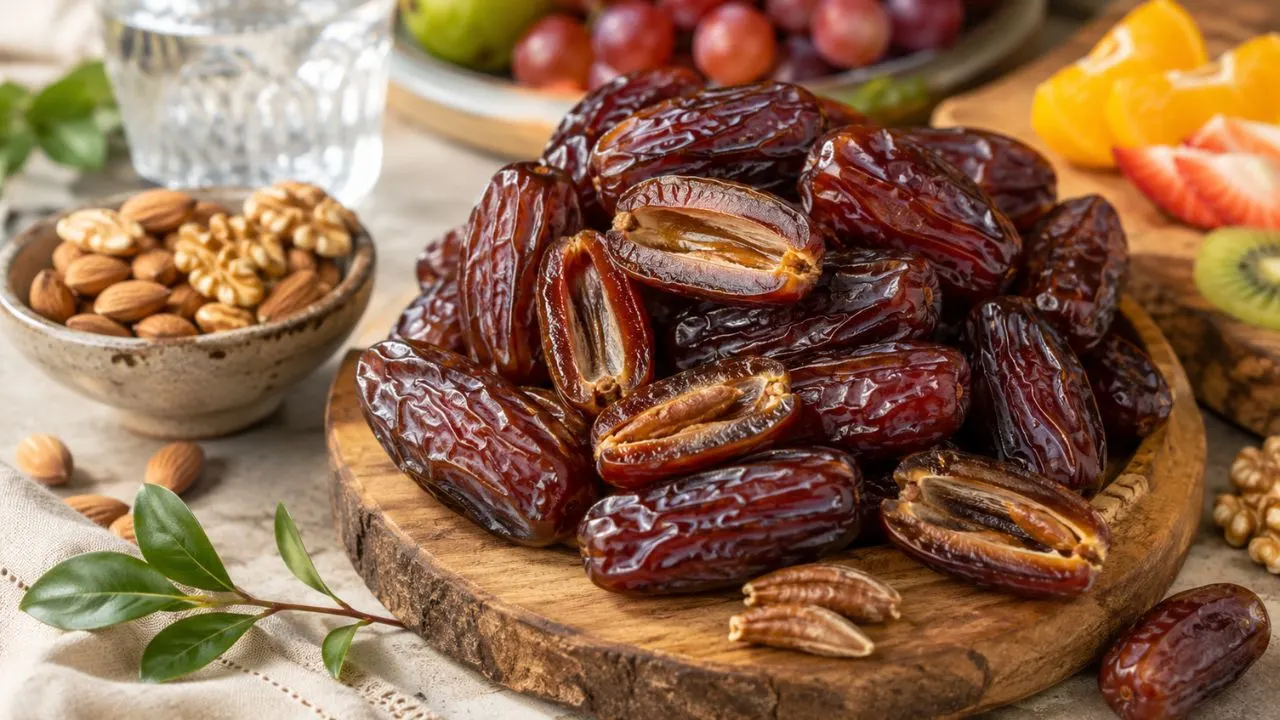
Medjool dates are large, soft fruits known for their rich caramel-like taste and chewy texture. They are naturally sweet enough to replace candy or processed desserts in some meals, yet they also provide fiber, potassium, copper, magnesium, and beneficial plant compounds.
These dates are often promoted as a superfood, natural energy booster, digestive aid, and healthier sugar substitute. While they can contribute useful nutrients, they are still concentrated dried fruit and contain a substantial amount of natural sugar in a relatively small serving.
The most meaningful Medjool dates benefits come from how they are used within an overall balanced diet. A few dates paired with nuts, yogurt, oats, or another protein-rich food can create a satisfying snack, while eating a large container at once may provide more sugar and calories than expected.
This guide explores seven evidence-aligned benefits of Medjool dates, their nutritional value, suitable serving sizes, and practical ways to eat them. It also explains how dates may affect blood sugar and who should be careful with portion size or potassium intake.
What Are Medjool Dates?
Medjool dates are the fruit of the date palm, a tree that grows in warm and dry regions. Although they look like dried fruit, many Medjool dates are harvested after naturally becoming soft, dark, and concentrated on the palm.
Compared with smaller date varieties, Medjool dates are usually larger, softer, and more intensely flavored. Their natural caramel taste makes them popular in smoothies, oatmeal, energy bites, desserts, salads, and savory dishes.
Each fruit contains a long, hard pit that must be removed before eating or blending. Pitted dates are convenient, but whole dates with pits may retain their texture better during storage and are often easier to inspect for freshness.
Medjool dates should not be confused with date sugar or date syrup. Whole dates retain their natural fiber and structure, while syrups and finely processed sweeteners are easier to consume quickly and may provide less fullness.
Medjool Dates Nutrition at a Glance
Medjool dates mainly provide carbohydrates, with most of those carbohydrates coming from naturally occurring sugars. Their sweetness is highly concentrated because the fruit contains much less water than fresh apples, oranges, berries, or melon.
They also supply dietary fiber, which supports digestion and can make dates more satisfying than refined sweets containing similar amounts of sugar. However, the fiber does not cancel out the carbohydrates or make portion size irrelevant.
Important minerals in Medjool dates include potassium, copper, magnesium, and manganese. The exact nutritional content varies according to fruit size, growing conditions, ripeness, storage, and the number of dates included in a serving.
Dates are not a major source of protein, and they contain only a small amount of fat. Pairing them with nuts, seeds, plain yogurt, or nut butter creates a more balanced snack with protein and healthy fats.
1. Medjool Dates Provide Quick Natural Energy
Medjool dates contain easily available carbohydrates that the body can use for energy. This makes them a convenient snack before a walk, workout, hike, sports session, or physically demanding activity.
Unlike candy, dates also contribute fiber and minerals. They can provide sweetness and energy without relying on artificial flavors, colorful coatings, or a long ingredient list.
A small serving may be useful when you need energy but do not want a large meal. For example, one or two dates paired with a few almonds can be easier to digest than a heavy snack before exercise.
More dates do not automatically produce better performance. Eating a large portion may feel heavy, increase blood sugar quickly, or cause digestive discomfort, so match the amount to your activity and personal tolerance.
2. Their Fiber Can Support Healthy Digestion
One of the best-known Medjool dates benefits is their fiber content. Dietary fiber supports regular bowel movements by adding bulk and helping food move through the digestive system.
Dates may be a useful addition for people whose diets contain too many refined foods and too few fruits, vegetables, beans, or whole grains. However, they should be one of several fiber sources rather than the only one.
Increasing fiber too quickly may cause gas, bloating, cramping, or loose stools. Begin with a modest serving and drink enough water throughout the day, especially when your usual fiber intake is low.
Persistent constipation should not be managed only by eating more dates. Severe abdominal pain, vomiting, bleeding, unexplained weight loss, or a sudden change in bowel habits requires professional medical evaluation.
3. Medjool Dates Supply Potassium and Useful Minerals
Medjool dates contain potassium, a mineral involved in normal muscle contraction, nerve signaling, and fluid balance. Potassium is also part of an eating pattern that supports healthy blood pressure when combined with other nutritious foods.
Dates also provide copper, which contributes to normal energy production, connective tissue formation, and iron metabolism. Magnesium and manganese are present in smaller amounts and support several processes throughout the body.
These minerals make dates more nutritionally useful than refined sugar, which mainly contributes sweetness and energy. However, a few dates cannot replace vegetables, legumes, whole grains, dairy foods, or other mineral-rich choices.
People with kidney disease may need to limit potassium because their bodies may not remove it efficiently. Anyone following a low-potassium diet should ask a qualified healthcare professional how dates fit into their individual plan.
4. They Contain Beneficial Antioxidant Compounds
Medjool dates contain naturally occurring plant compounds with antioxidant activity, including phenolic substances and carotenoid-related compounds. Antioxidants help protect cells from damage caused by unstable molecules produced during normal body processes.
This antioxidant content is one reason whole plant foods are valuable in a balanced diet. Fruits, vegetables, herbs, spices, nuts, seeds, and legumes each provide different combinations of protective compounds.
It is important not to treat dates as a medicine or detox product. Eating them cannot prevent every disease, reverse cellular damage, or compensate for smoking, inactivity, poor sleep, or an otherwise unbalanced diet.
The best strategy is dietary variety. Enjoying dates alongside berries, citrus fruits, leafy greens, beans, vegetables, and whole grains provides a broader range of plant compounds than depending heavily on one food.
5. Medjool Dates Can Replace Refined Sweeteners
The rich sweetness of Medjool dates makes them a practical substitute for refined sugar in selected recipes. Blended dates can sweeten oatmeal, smoothies, energy bites, sauces, and homemade desserts.
Using the whole fruit adds fiber and minerals that ordinary table sugar does not provide. Dates also contribute a caramel flavor and thick texture, reducing the need for several separate sweetening and binding ingredients.
However, date-based recipes are not automatically low in sugar or calories. A dessert made with ten blended dates may still contain a large amount of natural sugar, even when it is labeled clean, raw, or refined-sugar-free.
Use dates to improve ingredient quality rather than to create unlimited desserts. A small amount may provide enough sweetness, particularly when combined with cinnamon, vanilla, cocoa, nuts, or naturally tart fruit.
6. Dates May Help Create a More Satisfying Snack
The combination of sweetness, chewiness, and fiber can make a small number of dates feel more satisfying than some refined sweets. Their dense texture also encourages more chewing than syrup, juice, or sugary drinks.
Dates become even more filling when paired with protein or healthy fat. Stuffing a date with peanut butter, almond butter, or a walnut creates a balanced snack with contrasting flavor and texture.
This combination may help some people manage cravings for candy, cookies, or pastries. It still contains calories, but it can provide more nutritional value and lasting satisfaction than many heavily processed alternatives.
Portion awareness remains important because Medjool dates are large and energy-dense. Eating them directly from a large package can make it easy to consume several servings without noticing.
7. Medjool Dates Can Support an Active Lifestyle
Active people require carbohydrates to fuel movement and restore energy used during exercise. Dates offer a portable source that does not require cooking, refrigeration, or complicated preparation.
They can be packed for cycling, hiking, long walks, sports practice, or travel. Removing the pits beforehand makes them easier to eat, but store them in a clean container to prevent contamination and stickiness.
After exercise, dates can be combined with protein to create a more complete recovery snack. Examples include dates with plain Greek yogurt, milk, soy milk, nuts, seeds, or a protein-rich smoothie.
Dates are not a complete sports nutrition solution by themselves. They provide very little protein and may not replace the fluids, electrolytes, or larger meals needed after prolonged or intense physical activity.
Are Medjool Dates Good for Heart Health?
The fiber and potassium in Medjool dates can contribute to an overall heart-conscious eating pattern. Fiber-rich foods support digestive health and may help with cholesterol management when eaten regularly.
Potassium plays a role in blood pressure regulation, although one food does not control blood pressure by itself. Sodium intake, activity, sleep, body weight, genetics, medication, and other dietary choices also matter.
Dates can support heart-friendly eating when they replace pastries, candy, or desserts high in saturated fat. They are less helpful when added on top of an already high-calorie diet without replacing anything.
People with cardiovascular conditions should follow personalized medical advice. Dates cannot replace cholesterol-lowering medicine, blood pressure treatment, regular physical activity, or professional monitoring.
Are Medjool Dates Good for Blood Sugar?
Medjool dates contain natural sugar and carbohydrates, so they can raise blood glucose. Their fiber may slow digestion compared with refined sweets, but it does not make them sugar-free or unlimited.
People with diabetes may still include dates if the serving fits their carbohydrate plan. Individual responses vary according to medication, activity, meal composition, glucose control, and the number of dates eaten.
Pairing a date with nuts, seeds, yogurt, or another protein source may produce a more balanced snack. This combination does not remove the carbohydrates, but it may improve fullness and slow the overall digestion of the meal.
Anyone who monitors blood glucose can compare readings after eating a typical serving. A registered dietitian or diabetes professional can help determine a suitable portion when dates repeatedly produce higher-than-expected results.
Can Medjool Dates Help With Weight Management?
Medjool dates may support weight management when they replace larger servings of candy, pastries, or sugary desserts. Their sweetness and chewy texture can make a small portion feel enjoyable and satisfying.
However, dates are not a weight-loss food in the sense of directly burning fat. They are calorie-dense, and eating several dates in addition to usual meals may increase total energy intake.
A practical approach is to portion them before eating. One or two dates with nuts, plain yogurt, or a meal can provide sweetness without turning the snack into an unplanned high-calorie serving.
Long-term weight management depends on the complete eating pattern, physical activity, sleep, stress, health conditions, and sustainable portions. No single fruit determines whether weight is gained or lost.
How Many Medjool Dates Should You Eat a Day?
There is no universal daily number that suits everyone. The right serving depends on the size of the dates, your energy needs, health goals, medication, activity level, and total carbohydrate intake.
For many people, one to three large dates may be a practical serving. Athletes or highly active individuals may use more around exercise, while someone closely managing carbohydrates may choose a smaller amount.
Medjool dates vary significantly in size, so counting pieces is not always precise. Check the nutrition label when available and consider how the serving fits with the other foods in your meal.
You do not need to eat dates every day to receive their benefits. Rotating them with berries, apples, citrus fruits, bananas, pears, and other whole fruits improves variety and prevents overreliance on one food.
Best Ways to Eat Medjool Dates
The simplest way to enjoy Medjool dates is to remove the pit and eat the fruit whole. Pair it with almonds, walnuts, pistachios, or a spoonful of natural nut butter for a more balanced snack.
Chopped dates can sweeten oatmeal, overnight oats, plain yogurt, chia pudding, and whole-grain cereal. Because their flavor is concentrated, a small amount may be enough for an entire bowl.
Dates also work in savory meals. Add chopped pieces to salads, grain bowls, roasted vegetables, couscous, or lentil dishes to create contrast with herbs, spices, lemon, and salty ingredients.
For homemade desserts, blend softened dates with oats, cocoa, nuts, or seeds. Keep the portions reasonable because energy balls, date bars, and raw desserts can become calorie-dense despite using wholesome ingredients.
How to Buy and Store Medjool Dates
Choose dates that look plump, evenly colored, and slightly glossy. Some wrinkling is normal, but extremely hard, dry, cracked, or crystallized fruit may have lost moisture during storage.
A small amount of white sugar crystallization on the surface does not always indicate mold. However, dates with fuzzy growth, an unpleasant fermented smell, visible insects, or unusual discoloration should be discarded.
Store dates in a tightly closed container to protect them from air, moisture, and pantry pests. They can remain at room temperature for shorter storage, while refrigeration helps preserve softness and quality for longer.
Dates may also be frozen for extended storage. Allow them to soften briefly before eating, and inspect each fruit after opening because the natural cavity around the pit can occasionally hide debris or insects.
Risks and Possible Side Effects
Eating a large number of dates may cause bloating, gas, cramping, or diarrhea because of their fiber and concentrated sugar. Introduce them gradually if you are not accustomed to dried fruit.
Their sticky texture allows sugar to remain on the teeth. Rinse your mouth with water after eating, maintain regular brushing and flossing, and avoid repeatedly snacking on dates throughout the entire day.
Dates are high in potassium compared with many snack foods. People with kidney disease, elevated blood potassium, or prescribed potassium restrictions should obtain individualized guidance before eating them frequently.
Although uncommon, fruit allergies can occur. Stop eating dates and seek urgent care if they cause facial swelling, widespread hives, wheezing, dizziness, or difficulty breathing.
Common Mistakes When Eating Medjool Dates
One common mistake is assuming that natural sugar does not count. Dates provide useful nutrients, but their carbohydrates still matter for diabetes management, dental health, and total calorie intake.
Another mistake is eating several dates while preparing food and then having a full serving afterward. Because they are small and convenient, unplanned bites can quickly increase the amount consumed.
People may also combine dates with several other concentrated ingredients, such as nut butter, chocolate, coconut, syrup, and nuts. The resulting snack can be nutritious but much more calorie-dense than expected.
Finally, avoid treating dates as a cure for constipation, anemia, heart disease, infertility, or another medical condition. They can support a balanced diet, but persistent health concerns require proper evaluation and treatment.
Final Thoughts
Medjool dates offer natural sweetness, fiber, potassium, copper, and beneficial plant compounds in a convenient whole-fruit package. Their flavor and texture make them a useful alternative to many refined desserts.
Their seven main benefits include convenient energy, digestive support, mineral intake, antioxidant compounds, natural sweetening, satisfying snacking, and support for an active lifestyle.
The key is portion awareness. Medjool dates are nutritious, but they are also concentrated sources of carbohydrates, natural sugar, and calories, particularly when several are eaten at once.
Enjoy one or two dates with protein, healthy fat, or a balanced meal. Used thoughtfully, they can add flavor, nutrition, and enjoyment without requiring exaggerated superfood claims.
Frequently Asked Questions
Are Medjool dates healthier than regular dates?
Medjool dates are larger, softer, and often higher in calories per piece than smaller dates. Both varieties provide natural sugar, fiber, minerals, and plant compounds.
Is it okay to eat Medjool dates every day?
Yes, they can be eaten daily in a suitable portion. Consider your total carbohydrate intake, calorie needs, blood sugar goals, and other fruit choices.
How many Medjool dates should I eat daily?
One to three large dates is a practical serving for many adults, although individual needs vary. People managing diabetes or kidney disease may need personalized guidance.
Do Medjool dates raise blood sugar?
Yes, they contain natural sugars and carbohydrates that can raise blood glucose. Eating a modest portion with protein or healthy fat may create a more balanced snack.
Are Medjool dates good for constipation?
Their fiber may support regular bowel movements as part of a fiber-rich diet. Increase intake gradually and drink enough water to reduce bloating or discomfort.