
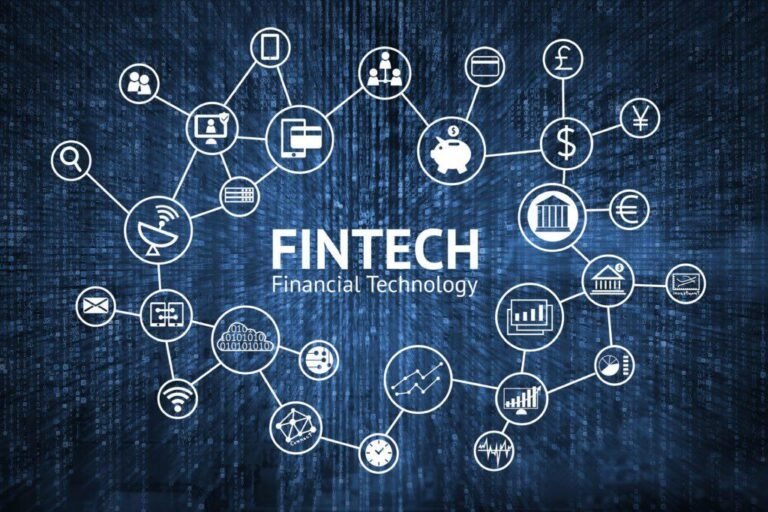

Introduction to Fintech and Personal Finance
Financial technology, commonly referred to as fintech, represents the integration of technology into offerings by financial services companies to improve their use of financial services. This innovative sector has emerged as a catalyst in modernizing traditional financial systems, making them more efficient, accessible, and user-friendly. As individuals increasingly seek ways to manage their money, fintech solutions have become pivotal in reshaping personal finance.
Historically, individuals relied heavily on conventional banking institutions and financial advisors to navigate personal finance. These traditional services often came with inherent limitations, such as high fees, restricted access to information, and a lack of personalized solutions. Fintech addresses these challenges by leveraging advanced technologies such as artificial intelligence, machine learning, and data analytics to deliver financial services that are tailored to individual needs.
The relevance of fintech in personal finance cannot be overstated. Today, consumers are presented with a plethora of tools and applications that simplify budgeting, provide real-time insights into spending habits, and streamline investment processes. For instance, several mobile applications enable users to track their expenses automatically and generate insights that inform better financial decisions. Furthermore, peer-to-peer lending platforms and robo-advisors offer alternatives to traditional banking and investment services, providing users with more autonomy and flexibility.
As we delve deeper into the world of fintech in the subsequent sections, it is crucial to recognize how these technological enhancements are not just improving existing financial services, but are fundamentally transforming the way individuals engage with their personal finances. This transformation paves the way for a more empowered and financially literate consumer base, capable of making informed financial choices in an increasingly complex economic landscape.
Key Technologies Driving Fintech Innovation
The evolution of fintech is significantly influenced by several key technologies that optimize personal finance management for users. Among these, artificial intelligence (AI) stands out, enhancing decision-making processes by providing personalized insights and recommendations. AI algorithms analyze user data to predict financial behaviors and suggest tailored solutions, thereby promoting smarter financial choices.
Blockchain technology is another transformative force within the fintech landscape. Its decentralized nature offers unparalleled security and transparency in financial transactions, which is crucial for building trust among users. Smart contracts, enabled by blockchain, automate various processes, reducing the need for intermediaries and thus lowering transaction costs. This innovation not only streamlines operations but also contributes to quicker, more reliable transactions.
Mobile applications have also played a pivotal role in revolutionizing personal finance management. These applications allow users to track expenses, manage budgets, and access banking services at their convenience. With user-friendly interfaces and integrated features, mobile apps foster a proactive approach to financial planning, making it easier for users to navigate their financial landscape.
Lastly, machine learning is crucial in predicting market trends and user preferences. By continuously learning from new data, machine learning algorithms offer insights that help users make informed financial decisions. Whether through analyzing spending habits or forecasting investment opportunities, this technology enhances the overall user experience and efficiency of financial services.
In conclusion, the intersection of artificial intelligence, blockchain, mobile applications, and machine learning forms the backbone of fintech innovation. Each of these technologies contributes uniquely to improving efficiency and user experience in personal finance management, paving the way for a more accessible and intelligent financial ecosystem.
Fintech Solutions for Budgeting and Expense Management
In recent years, financial technology, commonly referred to as fintech, has emerged as a game-changer in the realm of personal finance. Among its various applications, budgeting and expense management tools stand out for their ability to simplify financial tracking and empower individuals to take charge of their spending. These fintech solutions are critically designed to help users establish budgets, monitor expenses, and achieve their financial goals more effectively.
Popular budgeting applications such as Mint, YNAB (You Need A Budget), and EveryDollar have gained widespread traction. Mint stands out with its user-friendly interface, allowing users to connect their bank accounts, categorize transactions, and visualize spending habits through interactive graphs and real-time tracking. This comprehensive overview helps users identify areas where they can cut back and save more.
YNAB takes a proactive approach to budgeting by encouraging users to allocate every dollar to a specific category, reinforcing the principle of living within one’s means. This application is particularly beneficial for individuals seeking to get out of debt or save for significant expenses. YNAB also offers educational resources, helping users develop healthy financial habits.
EveryDollar, developed by financial expert Dave Ramsey, focuses on zero-based budgeting. By encouraging users to assign income to various expense categories, it promotes intentional spending and savings. Its straightforward design allows users to track their financial journey with ease, enhancing overall engagement.
In addition to these applications, fintech platforms often provide features like goal tracking, customizable alerts, and spending reports, which contribute to a more robust understanding of personal finances. The increased accessibility of such tools has empowered individuals to gain greater control over their financial landscape, paving the way for informed financial decisions and improved outcomes.
The Rise of Robo-Advisors
Robo-advisors represent a significant advance in the realm of personal finance, offering automated investment management services that have made investing accessible to a broader audience. These digital platforms utilize algorithms to provide financial advice and portfolio management with minimal human intervention. By evaluating an investor’s goals, risk tolerance, and financial situation, robo-advisors can create and manage a tailored investment portfolio that aligns with the user’s objectives.
One of the primary advantages of robo-advisors is their cost-effectiveness. Unlike traditional financial advisors, who often charge significant fees for their services, robo-advisors typically operate with lower management fees, making them an attractive option for cost-conscious investors. Furthermore, many robo-advisors require relatively low minimum investment amounts, allowing individuals with modest savings to commence their investment journey.
However, the rise of robo-advisors is not without its drawbacks. One potential limitation is the lack of personalized service and emotional support that human advisors can provide. While algorithms can efficiently handle standard investment strategies, they may not effectively address nuanced financial goals or complex situations that require tailored advice. Additionally, because robo-advisors heavily rely on technology, any system errors or cybersecurity breaches could pose risks to investors’ assets and personal information.
Despite these disadvantages, the impact of robo-advisors on the investing landscape is profound. They democratize access to financial services and empower individuals to take control of their investment decisions. By lowering barriers to entry, robo-advisors are encouraging a new generation of investors to engage with the market, fostering greater financial literacy and participation.
Access to Credit and Loans in the Fintech Era
The advent of fintech has significantly transformed how individuals access credit and loans. Traditional lending institutions often impose stringent criteria, making it challenging for many potential borrowers to secure financing. However, fintech innovations such as peer-to-peer lending platforms have democratized access to credit by connecting borrowers directly with individual or institutional investors. These platforms reduce the need for intermediaries, thereby lowering borrowing costs and expediting the approval process.
Moreover, fintech companies have developed innovative online credit scoring models that utilize alternative data sources to assess creditworthiness. Unlike traditional credit scores that rely heavily on historical payment behaviors and debt levels, these new models consider factors such as income stability, spending habits, and even social behaviors. This broader assessment enables a more inclusive approach to credit evaluation, allowing individuals who may have previously been deemed ‘credit invisible’ to gain access to loans.
The implications of these advancements are profound. Individuals facing financial hardships or those who lack established credit histories can now access necessary funds with more ease. For instance, a student without a traditional credit score can secure a personal loan through a peer-to-peer platform, making it possible to cover educational expenses. Furthermore, the competitive nature of fintech lending encourages traditional banks to innovate and improve their services, resulting in better options for consumers.
While these advancements provide significant opportunities, borrowers must remain vigilant regarding potential risks, such as varying interest rates and fees associated with different lending platforms. It is essential for applicants to thoroughly research and compare all their available options before proceeding with a loan application. As fintech continues to evolve, it is poised to further enhance access to credit, fostering financial inclusion and empowerment for a broader range of individuals.
Cryptocurrency and Personal Finance
In recent years, cryptocurrencies have emerged as a significant aspect of personal finance, attracting attention from both investors and financial advisors. These digital currencies, characterized by their decentralized nature and reliance on blockchain technology, offer new opportunities for financial growth and diversification. Individuals are increasingly exploring various cryptocurrencies, such as Bitcoin, Ethereum, and newer altcoins, as part of their investment portfolios.
One of the primary advantages of incorporating cryptocurrency into personal finance is the potential for high returns. Cryptocurrencies tend to exhibit greater volatility compared to traditional assets, which can lead to substantial gains for informed investors. Additionally, access to cryptocurrency trading is facilitated by numerous fintech platforms, making it more straightforward for individuals to buy, sell, and manage their digital assets. These platforms often provide user-friendly interfaces, as well as tools for portfolio management and analysis, enhancing the user experience.
However, investing in cryptocurrency also comes with inherent risks. The market’s volatility can result in significant losses, and the regulatory environment for cryptocurrencies is continually evolving, which introduces a level of uncertainty. Moreover, security concerns, such as hacking and fraud, pose significant threats to cryptocurrency investors. Enthusiasts must remain vigilant and informed about potential scams and ensure that they utilize secure and reputable platforms when engaging in cryptocurrency transactions.
Furthermore, the emergence of cryptocurrencies has prompted discussions about their potential role in everyday finance. With more businesses accepting digital currencies as payment, the integration of cryptocurrency into daily transactions could redefine traditional financial practices. As fintech continues to innovate and develop solutions, the intersection between cryptocurrency and personal finance will likely keep expanding, drawing more individuals into the digital currency space.
The Impact of Fintech on Savings and Insurance
The emergence of fintech has significantly transformed the savings and insurance sectors, introducing innovative solutions that aim to enhance user experience and financial well-being. In the realm of savings, fintech products such as mobile banking apps and automated savings platforms have made it easier for individuals to manage their finances effectively. These applications often employ algorithms that analyze users’ spending habits, encouraging them to save a percentage of their income automatically. As a result, consumers can effortlessly create a savings habit without necessitating substantial changes to their daily routines.
Furthermore, many fintech companies offer high-yield savings accounts that provide better interest rates than traditional banks. These digital-first institutions can afford to pass on savings to customers due to lower overhead costs associated with maintaining physical branches. This innovation not only motivates users to save but also allows them to grow their funds more rapidly. Moreover, features such as goal-oriented savings tools help users visualize their financial objectives, ranging from emergency funds to vacations, enhancing the savings experience.
In addition to revolutionizing savings mechanisms, fintech is also making strides within the insurance industry. Insurtech, a subset of fintech, is tailored to streamline the process of obtaining insurance coverage. By utilizing data analytics and artificial intelligence, insurtech companies can assess risk profiles with greater accuracy, resulting in personalized policies that suit individual needs. This personalization not only optimizes coverage but also reduces premiums, making insurance more accessible to broader demographics.
Moreover, digital platforms offer tools for users to compare different insurance plans seamlessly, promoting transparency and encouraging informed decision-making. As consumers gain greater control over their financial choices, the integration of technology in savings and insurance signifies a pivotal shift towards more efficient and user-centered financial management.
The Future of Personal Finance in a Fintech World
As we look ahead, it is clear that the landscape of personal finance is on the brink of significant transformation, largely driven by advancements in financial technology, commonly referred to as fintech. This evolution promises to reshape how individuals manage their financial resources, engage with banking institutions, and make investment decisions. One of the most notable emerging trends is the growing reliance on artificial intelligence (AI) in personal finance applications. AI algorithms can analyze vast amounts of user data to offer personalized financial advice, create tailored investment strategies, and even predict future spending behaviors.
Moreover, the integration of machine learning technologies in fintech solutions is enhancing the efficiency of budgeting and saving tools. These tools can automatically categorize expenditures, alert users about overspending, and provide insights into better saving habits. The seamless user experience facilitated by fintech apps is expected to increase engagement among users, making financial literacy more accessible and attainable.
Furthermore, the proliferation of blockchain technology is poised to revolutionize both personal finance and investment strategies. By enabling faster, more secure transactions, blockchain can reduce costs associated with conventional banking and promote the rise of decentralized finance (DeFi) platforms, which allow individuals to lend, borrow, and invest without the need for intermediaries. This could democratize access to financial services, especially for underserved populations.
Another trend shaping the future of personal finance is the increasing significance of sustainability in investment decisions. Fintech companies are introducing platforms that focus on socially responsible investing, allowing individuals to align their financial choices with their values. This shift towards ethical investing reflects a broader societal trend emphasizing transparency and corporate responsibility.
In conclusion, the future of personal finance in a fintech-driven world is poised for substantial change, driven by innovations in AI, blockchain, and a growing emphasis on sustainable practices. As these technologies continue to evolve, they will undoubtedly reshape the financial behaviors and expectations of individuals around the globe.
Conclusion: Embracing the Fintech Revolution
As we have explored throughout this blog post, the fintech industry is transforming the landscape of personal finance. Through innovative technology solutions, fintech tools have made it easier for individuals to manage their finances, providing greater accessibility and more tailored financial services. From budgeting apps to robo-advisors, the range of options available empowers users to take control of their financial journeys.
Fintech enhances personal finance by streamlining processes, reducing costs, and increasing efficiency. Traditional barriers to accessing financial services are being dismantled, allowing for a more inclusive approach to financial management. For instance, those who previously struggled to obtain loans can now explore peer-to-peer lending options, while automated investment platforms democratize access to wealth management services.
Furthermore, the integration of artificial intelligence and machine learning within fintech applications leads to personalized financial recommendations and insights, helping users make informed decisions that were not previously feasible at this scale. This degree of customization ensures that individuals can find solutions that align perfectly with their financial goals and circumstances.
In this fast-changing environment, adopting fintech tools is not merely an option but a necessity for effective financial management. Those who embrace fintech stand to benefit from enhanced budgeting, investment strategies, and overall betterment of their financial well-being. By leveraging these innovative solutions, readers are encouraged to explore which fintech services may best serve their needs and integrate them into their personal finance routines.
In conclusion, the advent of fintech marks a significant shift in how personal finance is handled today. With continued advancements on the horizon, those who engage with these tools are positioning themselves for a healthier financial future.