
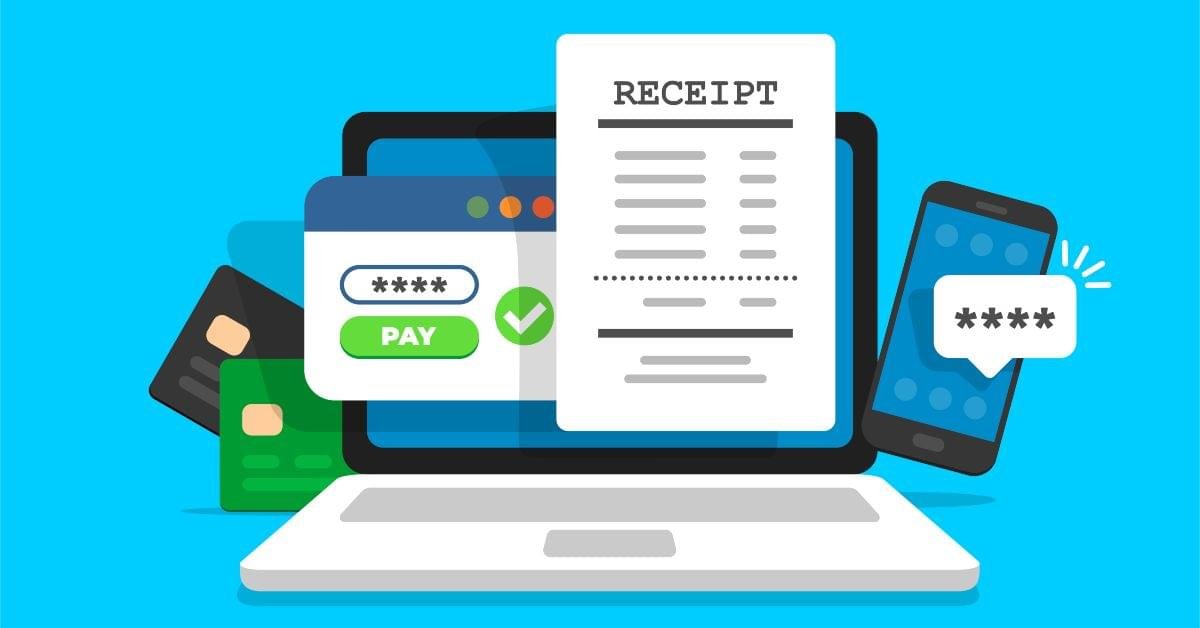

Introduction to Online Payments
Online payments refer to the electronic transfer of funds to complete a transaction through various digital platforms, eliminating the need for physical cash or checks. Over the years, online payment systems have evolved significantly, adapting to technological advancements and the shifting preferences of consumers. Initially, the concept of digital transactions was rudimentary, primarily relying on bank-card-based transactions.
The widespread adoption of the internet has facilitated a major transformation in how individuals and businesses conduct financial exchanges. With the advent of e-commerce, online payments have become crucial for businesses seeking to reach a broader customer base beyond geographical boundaries. The integration of secure payment gateways, mobile applications, and digital wallets has accelerated this shift towards a cashless economy.
In today’s fast-paced world, convenience is paramount for both consumers and businesses. Online payments provide an effortless way for individuals to purchase goods and services without the constraints of traditional payment methods. The ease of making purchases with just a few clicks or taps has led many consumers to favor digital transactions over cash or checks. Moreover, businesses benefit from faster transaction processing, reduced handling of cash, and improved cash flow management.
This growing reliance on digital payment methods underscores the importance of secure online payments. As more transactions are conducted digitally, ensuring the safety of sensitive financial information has become a priority for consumers and businesses alike. With an array of payment options available, including credit cards and electronic wallets, consumers enjoy not only the convenience of online payments but also an increased level of security, provided by advancements such as encryption and two-factor authentication. This evolution signifies a new era in transaction processing, marking online payments as a fundamental aspect of modern commerce.
The Risks of Insecure Online Payments
The digital age has transformed the way we conduct transactions, making online payments a convenient solution for both consumers and businesses. However, this convenience also presents significant risks. When security measures are lacking, online transactions can expose users to a range of dangers, including data breaches, identity theft, and various fraud schemes.
Data breaches occur when hackers gain unauthorized access to sensitive customer information stored by merchants. High-profile cases like the 2013 Target breach, which compromised the credit card information of millions, highlight the severe consequences of inadequate security protocols. In such incidents, customers not only experience potential financial loss but also the distress of having their personal information exposed.
Identity theft, a prevalent threat in the realm of online payments, often arises when sensitive data is accessed by cybercriminals. Victims may face long-lasting repercussions as their credit ratings suffer, and they may even deal with legal complexities in proving their identity. Furthermore, these thieves can exploit stolen information for fraudulent purchases, leaving victims to navigate the complications of fraud resolution.
Fraud, specifically in the context of online payments, takes on many forms, including chargeback fraud and friendly fraud, where individuals dispute legitimate transactions. Phishing scams add another layer of risk, as they trick users into providing sensitive information through seemingly legitimate channels, like emails or website pop-ups. Companies that do not implement rigorous security measures may find themselves vulnerable to these scams, resulting in both financial losses and reputational damage.
The ramifications of these risks emphasize the importance of secure online payment systems. As technology evolves, both consumers and businesses must remain vigilant, ensuring that robust security measures are in place to protect financial transactions and sensitive personal information.
How Secure Online Payments Work
The intricate world of secure online payments relies on multiple layers of technology designed to protect sensitive information during transactions. At the heart of this process are encryption, tokenization, and Secure Sockets Layer (SSL) technology, each playing a crucial role in safeguarding customer data.
Encryption is the primary method by which sensitive data is converted into an unreadable format. This process ensures that personal and financial details, such as credit card numbers, are only accessible to authorized parties. When a customer enters their payment information, it is encrypted using complex algorithms, which renders the data unreadable to anyone who might intercept it during transmission. This level of protection is vital for maintaining customer trust and preventing fraud.
Another key element of secure online payments is tokenization. This technology replaces sensitive payment information with a unique identifier or token that cannot be reverse-engineered to retrieve the original data. By using tokens, merchants minimize the risk of exposing actual credit card details, which could be exploited in data breaches. The use of tokenization thus adds an extra layer of security, allowing merchants to process payments without actually storing sensitive information.
Finally, Secure Sockets Layer (SSL) technology underpins the entire secure payment process. SSL creates a secure, encrypted link between a web server and a browser, ensuring that all data transmitted remains confidential. An SSL certificate, typically indicated by a padlock symbol in the browser’s address bar, assures customers that their data is protected while interacting with the website. Implementing SSL is now a standard practice for any merchant operating online, as it reinforces the credibility and safety of their payment processes.
Through the combination of these technologies, secure online payments maintain robust security frameworks that effectively protect both the customer and the merchant. This understanding not only highlights the importance of secure transactions but also educates consumers about the mechanisms in place to protect their financial information when shopping online.
Regulatory Standards for Online Payments
The landscape of online payments is governed by a comprehensive set of legal and regulatory frameworks designed to ensure secure transactions. One of the most critical standards in this domain is the Payment Card Industry Data Security Standard (PCI DSS). This set of requirements was established to enhance payment card security and safeguard sensitive customer information from data breaches and theft.
Compliance with PCI DSS is not optional for businesses that handle credit card transactions; it is essential for protecting both consumers and enterprises. This standard mandates that all entities that accept, process, store, or transmit cardholder data maintain a secure environment by adhering to specific security measures. For instance, companies must encrypt transmissions of cardholder data across open networks, implement robust access control measures, and regularly monitor and test networks for vulnerabilities.
Failure to comply with PCI DSS can result in significant financial penalties, increased transaction fees, and potential loss of the ability to process credit card payments. Thus, businesses are incentivized not only to meet these regulatory standards proactively but also to foster customer trust through demonstrated commitment to payment security. Moreover, adherence to these regulations mitigates the risk of fraud, ultimately benefiting both consumers and businesses by promoting a safer online shopping experience.
In light of these considerations, it is apparent that regulatory standards for online payments, particularly PCI DSS, play a vital role in shaping the security landscape. By understanding and adhering to these regulations, businesses can shield themselves and their customers from the ever-evolving threats in the digital payment space.
Best Practices for Consumers
Ensuring secure online payments is paramount in today’s digital world, where financial transactions occur at the click of a button. To safeguard personal and financial information, consumers must adopt certain best practices that enhance online payment security.
First and foremost, utilizing strong passwords is essential. A strong password should consist of at least 12 characters, incorporating a mix of uppercase and lowercase letters, numbers, and special symbols. Consumers should avoid using easily guessable information, such as birthdates or common words. Additionally, it is advisable to use different passwords for every account to mitigate the risks associated with a potential data breach.
Another critical layer of protection is enabling two-factor authentication (2FA) whenever available. This feature adds an extra step during the login process by requiring a second form of identification, such as a verification code sent to a mobile device. By employing 2FA, even if a password is compromised, unauthorized access to the account can still be prevented.
Recognizing secure websites is also vital for safe online transactions. Consumers should look for URLs that begin with “https://” instead of “http://,” where the “s” indicates that the site uses a secure encryption protocol. Additionally, a padlock symbol in the browser’s address bar can further indicate that a website is secure.
Regularly monitoring bank statements is another recommended practice. By frequently reviewing transaction history, consumers can quickly identify any unauthorized charges and take necessary action to dispute them. Furthermore, understanding consumer rights, such as the ability to contest unauthorized transactions under the Fair Credit Billing Act, empowers individuals to act swiftly in the event of fraud.
Adopting these practices will help ensure that online payments are executed securely, allowing consumers to engage confidently in e-commerce activities.
Best Practices for Businesses
As businesses increasingly rely on online transactions, the responsibility to ensure secure online payments becomes paramount. Businesses must adopt a multifaceted approach that encompasses various best practices tailored to protect customer information and maintain trust. One of the most crucial steps is to choose reliable payment gateways. A reputable payment gateway not only facilitates seamless transactions but also implements robust encryption and fraud detection mechanisms. This choice directly impacts the level of security offered to customers, making it essential for businesses to conduct thorough research before selection.
In addition to selecting the right payment gateway, businesses must regularly update their security protocols. Cyber threats evolve rapidly, and outdated security measures can leave a company vulnerable to an array of attacks. Routine updates to software and payment systems are imperative in safeguarding sensitive data. Furthermore, businesses should implement strong access controls and use secure connections, such as SSL certificates, to enhance online payment security.
Employee training on security awareness is another critical aspect of secure online payments. Employees should be educated about the importance of security practices, recognizing phishing attempts, and adhering to established security protocols. Enhanced awareness empowers staff to detect potential breaches and respond appropriately, thereby reducing the risk of security incidents.
Finally, conducting regular audits to identify vulnerabilities is essential in maintaining the integrity of secure online transactions. These audits help businesses assess their security posture, addressing loopholes before they can be exploited. Regular evaluations of payment systems and security measures not only protect customer information but also foster a culture of continuous improvement in security practices. By implementing these best practices, businesses can significantly enhance the security of their online payments, ultimately fostering a safe and trustworthy environment for consumers.
The Role of Emerging Technologies
In recent years, the landscape of online payment security has been dramatically transformed by the advent of emerging technologies. Technologies such as blockchain, artificial intelligence (AI), and machine learning (ML) are playing pivotal roles in enhancing the security of online transactions. These innovations not only improve the safety of payment methods but also instill a higher level of trust between consumers and businesses.
Blockchain technology offers a decentralized and transparent method of recording transactions, making it nearly impossible for fraudsters to manipulate payment data. By using cryptographic techniques, blockchain ensures that each transaction is securely verified and stored in a manner that is resistant to tampering. This level of security is particularly beneficial for online payments, where the risk of data breaches and identity theft is prevalent.
Artificial intelligence is another vital technology that contributes to online payment security. By analyzing vast amounts of transaction data, AI can detect patterns and identify anomalies that may signify fraudulent activity. Machine learning algorithms continuously improve their ability to detect fraud, adapting to new tactics employed by cybercriminals. As a result, businesses can employ these technologies to create more robust systems that proactively combat online payment fraud.
Despite the benefits, the integration of these technologies also presents challenges. The complexity of blockchain can deter businesses from adopting it, and the reliance on AI and machine learning requires ongoing maintenance and updates to ensure their effectiveness. Additionally, there are concerns regarding transparency and accountability, particularly with AI systems that operate as black boxes.
In summary, emerging technologies such as blockchain, artificial intelligence, and machine learning are integral to advancing online payment security. While they offer significant benefits in creating a secure payment environment, businesses must also navigate the challenges that accompany their implementation. As technology continues to evolve, the balance between security and usability will remain a critical focus for the future of online payments.
Future Trends in Online Payment Security
The landscape of online payment security is continuously evolving, shaped by technological advancements and changing consumer expectations. As we look to the future, several key trends are expected to emerge, influencing how secure online payments are processed and protected.
One notable trend is the rise of biometric authentication methods. Techniques such as fingerprint scanning, facial recognition, and voice recognition are becoming increasingly prevalent. These methods offer a higher level of security compared to traditional passwords and can significantly reduce the risks associated with identity theft. As businesses and consumers become more aware of cybersecurity threats, the demand for biometric solutions to enhance secure online payments is likely to grow.
Another significant trend is the increasing use of cryptocurrencies for online transactions. As these digital currencies gain mainstream acceptance, the development of secure payment gateways that facilitate cryptocurrency transactions will become essential. Blockchain technology, which underpins cryptocurrencies, offers inherent security features that can further bolster the safety of online payments by providing transparent and immutable transaction records.
The emphasis on user privacy is also expected to shape future online payment security practices. With growing concerns over data breaches and misuse of personal information, consumers are becoming more cautious about sharing their data. This trend will likely prompt organizations to implement stricter privacy measures and seek to comply with evolving regulatory standards that focus on data protection. Regulations such as GDPR and CCPA set a precedent for what can be expected in the future, emphasizing the need for transparency and user consent in processing personal payment information.
In conclusion, the future of secure online payments will be defined by technological innovations like biometric authentication, the adoption of cryptocurrencies, and a heightened focus on user privacy. As these trends unfold, businesses must adapt to ensure they meet consumer expectations and comply with emerging regulations, thereby fostering trust in their payment systems.
Conclusion
In today’s digital landscape, the significance of secure online payments cannot be overstated. As e-commerce continues to grow rapidly, both consumers and businesses must prioritize the protection of financial information during online transactions. The increasing prevalence of cyber threats and data breaches amplifies the need for robust security measures. Implementing advanced technologies such as encryption, two-factor authentication, and secure payment gateways is critical for safeguarding sensitive data.
Consumers, on their part, should remain vigilant by utilizing reputable payment methods and platforms, actively monitoring their bank statements, and remaining aware of phishing attempts. It is essential to educate oneself about the risks associated with online payments and to adopt best practices in digital security. This proactive approach not only protects individuals but also fosters greater trust in the digital economy as a whole.
For businesses, investing in secure payment solutions is not merely a regulatory obligation but a strategic advantage that can enhance customer loyalty and brand reputation. By prioritizing online payment security, companies can differentiate themselves in a competitive marketplace, as consumers are increasingly drawn to businesses that demonstrate a commitment to protecting their financial information.
In summary, the importance of secure online payments transcends individual interests, impacting the broader financial ecosystem. All stakeholders must work collaboratively to create a safe and trustworthy environment for online transactions. It is imperative that both consumers and businesses take the necessary steps to implement security measures and remain informed about best practices. By doing so, we can cultivate a landscape where digital transactions are secure, reliable, and effective.