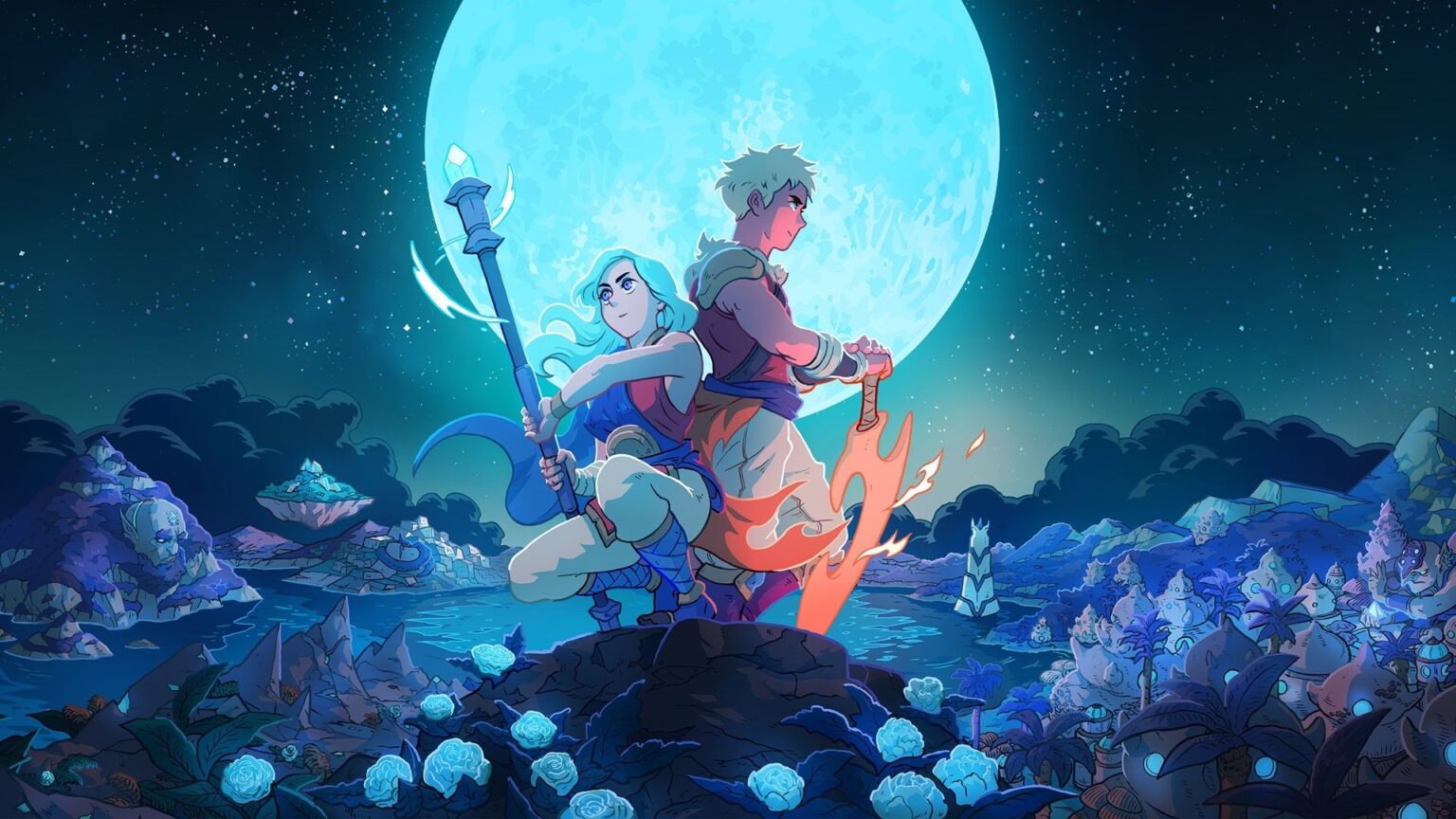

Introduction to Indie Gaming
Indie games, short for independent games, represent a distinct segment of the gaming industry characterized by their development outside the confines of major publisher influence. Unlike mainstream titles that typically emerge from large studios with significant financial backing, indie games are often created by small teams or even solo developers who prioritize artistic expression and innovation over commercial viability. This independence allows for a level of creative freedom that is often reflected in the unique gameplay mechanics, storylines, and visual styles found in these titles.
The diversity in indie games is vast, spanning across various genres and themes that often diverge from conventional gaming tropes. Many indie developers focus on niche interests or experimental ideas that may not find a place in the mainstream market. As a result, gamers can find an array of offerings, from narrative-driven experiences and innovative puzzle mechanics to retro-style action adventures and thought-provoking simulations. This diversity also extends to the cultural representation and storytelling perspectives visible in indie releases, fulfilling a growing demand among players seeking more inclusive and varied experiences.
The impact of indie gaming on the larger landscape of the industry cannot be overstated. Over the past decade, numerous indie titles have achieved critical acclaim and commercial success, demonstrating that independent games can rival their mainstream counterparts. Titles like “Braid,” “Journey,” and “Hollow Knight” not only gained substantial followings but also influenced traditional developers to explore new ideas and formats. Furthermore, platforms such as Steam and consoles have made it easier for indie developers to distribute their work, ensuring that unique voices can contribute to the ever-evolving narrative of gaming. As indie gaming continues to flourish, it remains a crucial component of an industry that thrives on innovation and creativity.
Key Factors Driving Anticipation
The gaming landscape is ever-evolving, and independent games have emerged as notable contenders, capturing the hearts of players across the globe. Several key factors contribute to the heightened anticipation surrounding upcoming indie releases, making them a focal point of discussion within gaming communities.
One of the primary aspects is the innovative gameplay mechanics that indie developers often bring to the table. Unlike mainstream titles which may rely on established formulas, indie games frequently experiment with unconventional approaches, offering players novel experiences. This creativity not only distinguishes them from larger productions but also invites gamers to immerse themselves in fresh narratives and challenging mechanics.
Another significant element is the unique art styles that many independent games showcase. Developers often opt for distinctive visual aesthetics that reflect their artistic vision, leading to stunning and memorable designs. Whether it be pixel art, hand-drawn graphics, or immersive 3D environments, these artistic choices can enhance the emotional connection players feel towards the game, thereby fostering anticipation for its release.
In addition to gameplay and visual artistry, compelling storytelling plays a crucial role in shaping gamers’ expectations. Many indie titles focus on narrative depth and character development, exploring themes that resonate with players. This commitment to storytelling allows indie games to create rich worlds and engaging plots that linger in the minds of players, making the wait for these releases even more worthwhile.
Lastly, the strong engagement with gaming communities fosters a sense of connection and excitement around indie releases. Passionate developers often interact with their audience through social media, forums, and gaming events, creating a collaborative atmosphere that amplifies anticipation. This two-way communication allows players to share their expectations and feedback, nurturing a community-driven environment that many find appealing.
List of Most Anticipated Indie Releases
As the world of independent gaming continues to flourish, several upcoming titles have captured the attention of players and critics alike. Below is a curated list of some of the most highly anticipated indie releases, each showcasing unique visions and gameplay experiences.
Hollow Knight: Silksong – This sequel to the critically acclaimed platformer Hollow Knight transports players to a new world filled with intricate environments and challenging enemies. In this game, players assume the role of Hornet, the princess-protector, as she embarks on a quest filled with mystery and adventure. Exciting trailers have highlighted breathtaking animations and captivating combat mechanics, raising anticipation among fans.
Spiritfarer – A management game about death, Spiritfarer allows players to take on the role of Stella, a ferrymaster to the deceased. This game emphasizes heartwarming narratives and beautiful visuals, where players cultivate their own boat, befriend spirits, and journey through a stunning world. Gameplay snippets demonstrate emotional storytelling intertwined with resource management, leaving players eager for its release.
Little Devil Inside – This action-adventure title includes a mix of exploration, combat, and survival elements. Players will join a young hero as he embarks on a quest filled with mysterious creatures and treacherous environments. The game has received attention for its distinctive art style and engaging world-building, depicted in various trailers that showcase its potential for thrilling exploration.
Oxenfree II: Lost Signals – A follow-up to the hit narrative adventure game, Oxenfree II focuses on new characters and themes but retains the original’s supernatural elements. Players will navigate through both dialogue choices and supernatural phenomena, enhanced by the stylistic graphics and music that characterized the first installment. Early gameplay footage has led to excited speculation about its storyline.
This list highlights just a few of the upcoming titles that illustrate the creative diversity within the indie gaming industry. Players can expect to engage with these games’ unique narratives and immersive experiences upon their release.
Game Development Trends in the Indie Scene
The indie gaming landscape has evolved significantly over the years, with a marked shift towards diverse genres, innovative themes, and the utilization of cutting-edge technologies. Currently, one of the most prominent trends in indie game development is the resurgence of retro aesthetics fused with modern gameplay mechanics. Titles that embrace pixel art or 8-bit visuals are gaining traction, appealing to a sense of nostalgia while offering fresh experiences. Games like Hyper Light Drifter and Axiom Verge epitomize this trend, harmonizing retro visuals with intricate gameplay, thereby setting player expectations for an engaging gaming experience.
Furthermore, the popularity of narrative-driven games has soared. Developers are increasingly focusing on storytelling, character development, and emotional engagement. This shift is exemplified in titles such as Oxenfree and What Remains of Edith Finch, which showcase immersive narratives that resonate deeply with players. These games often challenge traditional gameplay by prioritizing exploration and interaction over conventional metrics of progress, inviting players to delve into rich, narrative landscapes.
Another notable trend is the integration of emerging technologies such as virtual reality (VR) and augmented reality (AR). Indie developers are leveraging these platforms to create experiential and interactive worlds, as seen in titles like Boneworks and Echo VR. The indie scene’s adaptability to these technologies allows for innovative gameplay experiences that larger studio productions may not explore due to budget constraints.
Additionally, themes of mental health and social issues are becoming increasingly prevalent in indie titles. Developers harness personal narratives to address complex topics, fostering empathy and understanding. Games like Celeste and Hellblade: Senua’s Sacrifice exemplify how engaging gameplay can coexist with profound themes, ultimately shaping players’ expectations and experiences.
Interviews with Indie Developers
In the vibrant realm of independent gaming, developers often share their unique perspectives shaped by creativity and determination. Recently, we connected with several indie game developers to gain insights into their upcoming releases and the challenges they encounter in this dynamic industry.
Ryan Mitchell, the creator of “Dreamscape Adventures,” shared his reflections on the creative process. He noted, “The journey of developing an indie game is both exhilarating and daunting. At times, I feel overwhelmed by the responsibility of bringing my vision to life. However, the joy that comes from weaving a story that resonates with players is immensely fulfilling.” His commitment to narrative-driven gameplay exemplifies the dedication many indie developers inject into their projects.
Another developer, Lisa Chen, who is working on “Pixel Quest,” emphasized the collaborative aspect of the industry. “As an indie developer, I often reach out to fellow developers for guidance. The indie gaming community is remarkably supportive, and I believe that sharing experiences can lead to more innovative games. Collaboration is key to overcoming common challenges like funding and distribution,” she stated. This sense of community is a cornerstone of the indie gaming landscape today.
Furthermore, James Turner, known for his acclaimed indie title “Lost in Light,” spoke about adapting to the expectations of players and the pressure that comes with it. “Every time I release a game, I feel the weight of anticipation from the community. It drives me to push boundaries, yet it can also be intimidating. But creating something that players love makes every sleepless night worth it,” he explained.
Through these interviews, it is clear that indie game developers are not only creators but also innovators persevering through numerous challenges while navigating an evolving gaming landscape.
The Role of Community Feedback
Community feedback plays a pivotal role in the development of independent games, allowing developers to fine-tune their creations based on the insights and preferences of players. Unlike larger studios, indie developers often operate within smaller teams and budgets, necessitating a closer interaction with their audience to ensure the viability and appeal of their games. This open line of communication fosters a collaborative environment, significantly impacting the overall quality and reception of the final product.
One of the most effective ways indie developers utilize community feedback is through early access models, where games are made available to players before their official release. This approach serves as a valuable testing ground, enabling developers to gather real-time reactions and suggestions. Players have the opportunity to report bugs, share gameplay experiences, and offer recommendations for new features or improvements. Such feedback helps identify paramount issues that may not have been evident during the initial development stages.
Furthermore, engaging with the gaming community can strengthen player-developer relationships. By actively participating in discussions on platforms like Discord, Reddit, or Steam, developers can create a sense of belonging among their players. This interaction not only builds a loyal fan base but also cultivates a feedback-rich environment where players feel their opinions are valued and impactful. Through transparent communication, developers can demonstrate their responsiveness to community input, leading to enhanced trust and a deeper connection with their audience.
Overall, the significance of community feedback in indie game development cannot be overstated. The integration of player insights helps shape better gaming experiences that resonate with audiences, ensuring that indie gems not only meet but often exceed player expectations. As the landscape of independent gaming continues to evolve, maintaining this dialogue between players and developers remains crucial for fostering innovation and creativity in the industry.
Comparative Analysis: Indie vs. AAA Games
In the landscape of video gaming, a clear dichotomy exists between independent (indie) games and those produced by large-scale publishers, often referred to as AAA games. The first and most immediate difference between these two categories is the budget. AAA games are typically backed by substantial financial resources, often exceeding millions of dollars. These large budgets allow for extensive marketing, high-end graphics, and a broad development team. Conversely, indie games usually operate on significantly smaller budgets, sometimes funded through crowdfunding methods or individual investments, which fosters a unique approach to game design and development.
When discussing creativity in game development, indie games often shine brightly. Due to their limited budgets, indie developers are encouraged to innovate and experiment with new concepts, gameplay mechanics, and artistic directions. This creative freedom can lead to a rich variety of gaming experiences that may not conform to mainstream expectations. On the other hand, AAA titles often adhere to established formulas that guarantee commercial success, prioritizing safe gameplay mechanics over radical innovation, which can sometimes lead to a lack of originality.
Storytelling also becomes a critical factor when contrasting indie and AAA games. Indie developers frequently delve into impactful narratives that explore nuanced themes and emotions, offering players deep connections to the story and characters. The strength of an indie game’s storytelling is often a result of its creators’ personal experiences and creative visions. In contrast, AAA games may focus on blockbuster-style plots with expansive worlds, but these narratives can sometimes lack the depth and emotional resonance that indie games strive for.
Finally, player experiences may vary widely between the two types of games. Indie games often cultivate a communal feel, fostering connections between developers and players through engagement in development discussions or updates. This can create a unique sense of investment in the game’s success. In contrast, AAA titles, while highly polished, may distance themselves from players due to their commercialization and mass production.
Exploring Themes of Diversity and Inclusion
Indie games have emerged as a vital platform for exploring themes of diversity and inclusion within the gaming industry. Unlike larger studios, independent developers often possess the creative freedom to address social issues and bring marginalized voices to the forefront. These games often challenge prevailing stereotypes, offering rich narratives that reflect a variety of experiences and perspectives.
One notable example is Celeste, a platformer that features a protagonist named Madeline, who grapples with mental health issues and her identity as a transgender woman. Through its storyline and gameplay mechanics, this indie title not only sheds light on the struggles associated with mental health but also successfully incorporates LGBTQ+ representation, thus resonating with a diverse audience. It exemplifies how indie developers can craft engaging gameplay while raising awareness about significant social themes.
Another exemplary indie game is Spiritfarer, a management simulation that centers on death and the experiences of different cultures. The game features characters from various backgrounds and cultures, presenting an inclusive experience focused on love, loss, and letting go. This kind of narrative not only promotes cultural understanding but also allows players to connect with stories that might differ from their own, fostering empathy.
Furthermore, the success of titles such as Hades highlights the indie scene’s commitment to representation. By depicting a diverse cast of characters rooted in Greek mythology, the game manages to modernize these ancient tales, injecting inclusivity into a traditionally narrow genre. In many ways, these indie titles reflect an industry shift towards representation and narrative complexity, showcasing the immense potential of independent games to drive meaningful conversations about diversity and social inclusion.
Conclusion: The Future of Indie Gaming
The future of indie gaming appears promising, characterized by an ever-evolving landscape of creativity, innovation, and community engagement. As independent developers continue to emerge, they bring with them fresh ideas and unique gameplay experiences that often challenge the conventions established by mainstream titles. Notably, the accessibility of game development tools and distribution platforms has enabled a more global and diverse range of voices to contribute to the gaming industry.
Key trends indicate that narratives in indie games are becoming increasingly sophisticated, often emphasizing emotional depth and character development. These games frequently explore unconventional themes that resonate with players on a personal level. Likewise, the use of art styles that diverge from traditional graphics further enhances the uniqueness of indie offerings, attracting a wide audience who appreciates artistic expression in gaming.
However, there are potential challenges on the horizon. The rise of countless titles in the digital marketplace can lead to oversaturation, making it difficult for even the most well-crafted games to gain visibility. Furthermore, as larger publishers acquire indie studios, there are valid concerns regarding the preservation of creative freedom and the influence of corporate interests on independently developed projects.
The relationship between indie developers and the gaming community continues to strengthen, fostered by social media and crowdfunding platforms. Fans often rally behind creators, providing not just financial support but also valuable feedback that guides the development process. This collaborative dynamic enhances the quality of indie releases and fosters a sense of belonging among players.
In conclusion, as the independent gaming sector grows, it will undoubtedly face numerous challenges, yet the determined spirit of indie developers and a supportive gaming community suggests a bright future. Continued innovation will likely pave the way for unique experiences that keep players engaged and eager for the next wave of indie gems.