
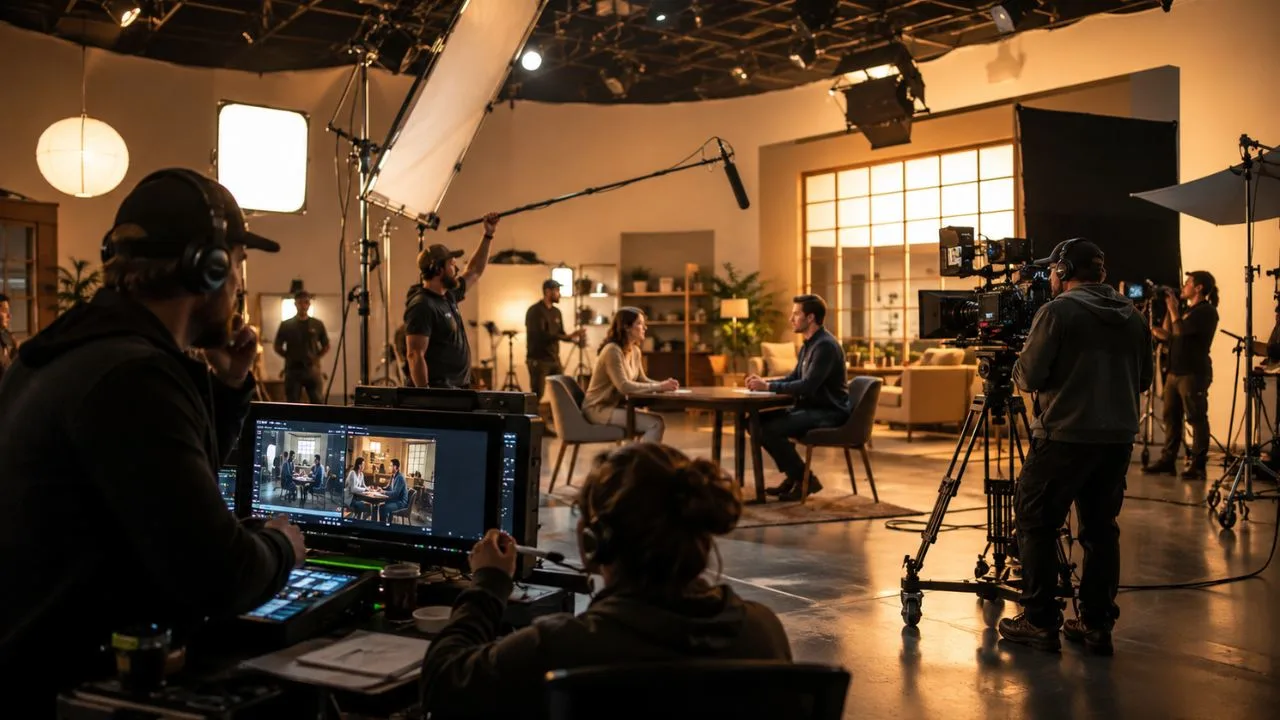

A television show may begin with a simple idea, but turning that idea into finished entertainment requires months or sometimes years of coordinated work. Writers, producers, directors, performers, researchers, technicians and editors contribute at different stages. A television production company brings these people and processes together while protecting the creative vision, budget and delivery schedule.
The television production process changes according to the type of programme being made. A scripted drama requires screenplays, actors, sets and carefully planned scenes, while a documentary may depend on research, interviews and unpredictable real-life events. Reality television, game shows, news programmes and studio entertainment formats each require their own production methods.
Production companies must also satisfy broadcasters, streaming platforms, distributors, advertisers and audiences. A show needs to be creatively engaging, technically suitable and legally safe to release. The company must therefore balance storytelling with practical responsibilities such as contracts, insurance, permissions, accessibility, editorial compliance and quality control.
This guide explains how television production companies create shows from the first idea to the final broadcast or streaming release. It covers programme development, television commissioning, pre-production, casting, filming, post-production and distribution. It also examines how virtual production, artificial intelligence, sustainability and changing viewing habits are influencing modern television production.
What Does a Television Production Company Do?
A television production company develops and produces programmes for broadcasters, streaming services and other media platforms. It may create its own original ideas or be hired to produce a concept owned by another organisation. Some companies specialise in scripted drama, while others focus on documentaries, reality television, entertainment, children’s programmes or factual content.
The production company manages both the creative and business sides of a programme. Producers develop the idea, hire key personnel, supervise the budget and communicate with the organisation financing or distributing the show. They must ensure that the programme fulfils its creative promise while remaining achievable within the available time and resources.
A large production company may employ development executives, producers, business affairs specialists and production managers throughout the year. Camera operators, designers, editors and other crew members may be hired separately for each project. Smaller companies often work with trusted freelancers and external facilities whenever a programme receives approval.
The production company does not always broadcast the show itself. A broadcaster or streaming platform usually commissions, acquires or distributes the finished programme. The exact relationship depends on the contract, as funding, creative approval, ownership and distribution rights can be shared in several different ways.
Finding the Original Television Show Idea
Television ideas can come from writers, producers, journalists, books, podcasts, historical events, established formats and real-life experiences. A development producer may actively search for stories that could become successful programmes. The strongest ideas usually contain a clear premise, a suitable audience and enough material to support the intended number of episodes.
A scripted series may begin with a character, setting or conflict that can generate continuing stories. A factual programme may begin with unusual access to a person, organisation or location. Entertainment formats often start with a repeatable structure that creates excitement, competition, humour or emotional involvement in every episode.
Production companies receive many ideas, so originality alone is not enough. The concept must also suit the viewing habits, budget and identity of a potential channel or streaming platform. An ambitious idea may be creatively impressive but difficult to commission when it requires unrealistic access, expensive locations or an audience that is too narrowly defined.
Development teams discuss the idea, identify its strongest feature and investigate whether similar programmes already exist. They may combine elements, change the target audience or adjust the format. This early process helps the company turn an interesting thought into a television concept that can be explained, produced and sold.
Researching the Audience and Television Market
Before developing a show fully, the production company considers who is likely to watch it. Audience research may examine age groups, viewing habits, interests and the types of programmes performing well on particular platforms. The team wants to understand what viewers already enjoy without simply copying an existing successful show.
Broadcasters and streaming platforms have different programming needs. One may want family entertainment for a weekend evening, while another needs factual episodes that viewers can watch in any order. Understanding the buyer’s schedule, brand and current content gaps helps a production company present an idea that feels commercially and editorially relevant.
Research also helps determine the most appropriate television format. A concept might work as a single documentary, a six-part drama, a returning reality series or a short digital programme. The chosen length and episode structure affect the budget, storytelling style, production schedule and eventual pitch.
Market awareness should guide rather than control creativity. Following every popular trend can produce programmes that feel outdated by the time they are released. Successful development teams look for a balance between familiar audience interests and a distinctive idea that offers something viewers have not already seen repeatedly.
Developing the Concept into a Pitch Package
Once an idea appears promising, the production company creates materials that explain how the show will work. A pitch package may include a short summary, detailed treatment, character descriptions, episode ideas and information about the intended audience. Scripted projects may also require a pilot script or a complete first episode.
Returning television formats often need a format document or series bible. This explains the rules, structure, tone, visual style and repeatable features of the programme. It helps commissioners understand how the idea can produce several episodes rather than delivering only one interesting instalment.
The company may also produce a sizzle reel, taster tape or proof-of-concept video. This short presentation can demonstrate the programme’s atmosphere, contributors, visual potential or central format. It does not need to resemble a finished episode, but it should help the buyer imagine how the completed show could feel.
The pitch package must be engaging without hiding practical challenges. Commissioners want to understand the creative idea, but they also need confidence that the production company can deliver it. Relevant experience, access, talent relationships and a realistic production approach can make the proposal more credible.
Pitching the Show to Broadcasters and Streaming Platforms
Production companies usually pitch ideas to commissioning editors, development executives or content teams working for broadcasters and streaming services. A formal submission may be made through an approved commissioning system, during a scheduled meeting or in response to a specific programming brief. Unrequested pitches are not always accepted.
During the pitch, the producer explains the central idea, target audience and reason the programme should exist now. The presentation should make the concept easy to understand while creating enough excitement for further discussion. Commissioners may ask about episode structure, casting possibilities, access, budget, competition and potential legal risks.
A buyer may like the idea but request changes before making a decision. The show could be moved towards a different audience, shortened, expanded or given a stronger central character. These development notes are part of the collaborative process, although the production company must protect the qualities that made the programme distinctive.
Many pitches do not receive a commission, even when the concept is strong. A platform may already have a similar programme, lack budget or be moving in another strategic direction. Production companies learn from the response, revise the idea when appropriate and decide whether it could suit another legitimate buyer.
How Television Commissioning Works
A commission is an agreement for a production company to create a programme for a broadcaster or platform. Before issuing the full commission, the buyer may pay for further development, a script, research or a pilot. This allows both parties to test the concept before committing to the cost of an entire series.
Commissioning discussions cover the creative scope, number of episodes, duration, budget and delivery date. The parties also negotiate approval stages, ownership, distribution rights and future use of the programme. These terms determine who controls the show and how revenue may be shared across territories and platforms.
The broadcaster or streaming service normally appoints a commissioning executive who follows the production. This person reviews important creative materials, watches programme cuts and ensures that the show remains aligned with the original commission. The production company maintains regular communication so major concerns are identified before they become expensive.
Receiving a commission does not mean the creative decisions are finished. It begins a more detailed period of planning, writing and negotiation. The programme must now move from an attractive proposal to a deliverable production that meets editorial, legal, technical and financial requirements.
Securing Rights, Contracts and Production Financing
A production company must confirm that it has the right to use every essential part of the show. A drama adapted from a novel requires adaptation rights, while a documentary may need access agreements and contributor releases. Archive footage, photographs, music and branded material can create additional licensing requirements.
Business affairs specialists negotiate contracts with writers, actors, presenters, directors, contributors and other rights holders. Contracts explain payment, services, credit, permitted uses and future compensation where applicable. Clear agreements protect the production while ensuring that people understand how their work or appearance may be used.
The commissioning organisation may provide most of the production budget, but some programmes use several sources of financing. These can include international partners, distributors, co-producers, production incentives and advance sales. The funding structure affects ownership, creative approvals and where the completed show can be distributed.
Production financing must be confirmed before major spending begins. A show can have creative approval while still depending on contracts, insurance or additional funding. Producers monitor these conditions carefully because hiring crew or reserving facilities too early can create costs the company is not yet authorised to carry.
Pre-Production Turns the Idea into a Practical Plan
Pre-production is the stage in which the team prepares everything required for filming. Scripts are revised, contributors are confirmed, locations are assessed and department heads begin designing the programme. Detailed preparation reduces uncertainty and helps the company use its filming days efficiently.
The producer, director, line producer and production manager translate the creative plan into practical requirements. They consider the number of scenes, cast availability, travel, studio time, equipment and post-production needs. Each creative decision has consequences for the budget and schedule, so close collaboration is essential.
Risk assessments, insurance arrangements, permits and safety plans are also completed during pre-production. Difficult locations, stunts, children, animals and specialist equipment may require additional supervision. The production has a duty to protect its workers, contributors and members of the public affected by filming.
Good pre-production does not eliminate every surprise, particularly in documentaries and unscripted television. It gives the team enough preparation to respond intelligently when conditions change. A flexible backup plan can protect the programme when weather, access, illness or technical problems disrupt the original schedule.
Creating the Television Production Budget
The production budget estimates how much money will be required to complete and deliver the show. It may include payments for cast, crew, equipment, studios, locations, travel, insurance, editing, music and visual effects. The level of detail increases as the project moves closer to filming.
A line producer usually works closely with the production manager and department heads to calculate realistic costs. The creative team may want an elaborate set or international location, but the budget reveals whether that choice is affordable. Producers look for alternatives that preserve the storytelling purpose without creating uncontrolled spending.
The budget also includes a contingency for unexpected costs. Weather delays, damaged equipment, additional editing and schedule changes can affect even a carefully planned production. Contingency funds provide some protection, although they should not replace accurate planning or responsible financial management.
Production accountants track spending throughout the programme. They compare actual costs with the approved budget and alert senior producers when a department is likely to overspend. Timely information allows the company to make adjustments before a small difference becomes a serious financial problem.
Building the Production Schedule
A production schedule identifies when preparation, filming, editing and delivery will happen. Scripted programmes rarely film scenes in the order viewers eventually see them. Scenes are grouped according to locations, actors, sets and technical requirements so the company can use time and resources efficiently.
A drama may shoot every scene taking place in one house before moving to another location, even when those scenes appear across several episodes. The schedule must also consider performer availability, daylight, weather and restrictions at particular sites. One change can affect several departments and future filming days.
Unscripted programmes require a different form of planning. The team may schedule interviews, activities, travel and access to contributors while allowing space for genuine events to unfold. Live television needs an especially precise running order because there may be no opportunity to correct timing after transmission begins.
Schedules should be challenging but realistic. Unrealistic working hours can create safety risks, reduce creative quality and increase staff exhaustion. Experienced production managers build plans that meet the deadline while providing enough time for preparation, travel, meal breaks, equipment changes and unexpected difficulties.
Hiring the Crew and Department Heads
Television shows require teams with different creative, technical and organisational skills. Key appointments may include the director, producer, director of photography, production designer, costume designer, sound team and editor. Department heads then recommend or hire additional crew members according to the needs of the programme.
The crew structure depends on the genre and scale of production. A studio quiz may require several cameras, lighting technicians and vision-control staff, while a small documentary crew might include a producer-director, camera operator and sound recordist. High-end drama can employ hundreds of people across production and post-production.
Experience is important, but producers also consider communication and collaboration. Television work involves pressure, changing conditions and close coordination between departments. A skilled individual who does not share information or respect the wider team can create problems that affect the entire programme.
Production companies increasingly consider inclusion when building teams. Wider access to employment can bring different experiences and ideas into programme-making. Meaningful inclusion requires fair recruitment, accessible working practices and career development rather than simply adding diverse names to a final crew list.
Casting Actors, Presenters and Contributors
Casting helps determine how viewers connect with a programme. In scripted television, casting directors search for actors who can understand the characters and work effectively with the director. Auditions, recorded readings and chemistry tests may be used before major roles are confirmed.
Presenters need more than a recognisable name. They must suit the subject, audience and tone of the programme. A factual series may require specialist knowledge and trust, while a live entertainment show needs confidence, timing and the ability to respond when events do not follow the script.
Reality television and documentaries involve contributors rather than actors performing written characters. Producers look for people with relevant experiences, perspectives or access. Contributors must understand the programme, how filming will work and the possible consequences of appearing publicly.
Responsible casting avoids making promises that the production cannot keep. The company should explain editorial control, filming demands and likely exposure clearly. Extra care is required when working with children, vulnerable contributors or people discussing traumatic and highly personal experiences.
Choosing Locations, Studios and Sets
The production team decides whether scenes will be filmed on location, inside a studio or on constructed sets. Real locations can provide authenticity, but they may introduce noise, weather, access and scheduling problems. Studios offer greater control over lighting, sound and repeated filming.
Location managers search for places that match the creative brief while remaining practical. They examine power, parking, public access, crew facilities and the effect of filming on residents or businesses. Permissions must be secured before the production arrives with equipment and a large team.
Production designers create the visual environment of a scripted show or studio programme. They work with art directors, set decorators, construction crews and graphic designers. Every visible detail can help communicate the period, personality, atmosphere and social world of the programme.
A location or set must support the camera as well as the story. Walls may need to move, equipment requires space and sound conditions must be manageable. The most visually impressive option is not always the best when it prevents the crew from filming the required shots safely and efficiently.
Designing Costumes, Props, Hair and Make-Up
Costume design helps communicate who a character is before the person speaks. The designer considers period, profession, personality, income and changes across the story. Clothing must also work under production lighting and remain available in duplicate when scenes involve damage, weather or repeated action.
Props include objects handled by performers or featured within scenes. They can range from everyday items to specially created documents, weapons and fictional products. Prop teams track these objects carefully because a missing or changed item can disrupt continuity between shots filmed on different days.
Hair and make-up departments create and maintain the appearance of performers. Their work may include everyday styling, historical looks, ageing, injuries and complex prosthetics. They also record details so that the same appearance can be recreated when a scene continues during a later filming day.
These departments contribute directly to storytelling, but they must also manage comfort, safety and practical filming requirements. Materials are tested where necessary, fittings are scheduled and sufficient preparation time is included. A design that looks impressive but cannot survive the shooting schedule may need to be changed.
Filming a Scripted Television Show
On a scripted set, the director guides the performances and visual storytelling. The director of photography works closely with the director to choose lighting, lenses, framing and camera movement. Assistant directors organise the set and help ensure that filming follows the agreed schedule.
A scene is normally filmed several times from different camera positions. The editor later combines wide shots, close-ups, reactions and other coverage into a continuous sequence. Performers and departments must maintain continuity so movements, props, costumes and dialogue match between takes.
Sound recordists capture dialogue and surrounding sound while trying to avoid unwanted noise. The camera and lighting teams prepare the image, while script supervisors track what has been filmed. Many other departments work nearby so adjustments can be made quickly without delaying the entire crew.
At the end of each filming day, recorded material is backed up and organised. Producers and editors may review selected footage to confirm that the required material has been captured. Discovering a missing shot early creates a better chance of correcting the problem before sets, locations or actors become unavailable.
How Unscripted and Reality Shows Are Produced
Unscripted television includes documentaries, factual entertainment, lifestyle programmes, competition shows and reality series. These productions do not usually rely on traditional drama scripts, but they still require careful editorial planning. Producers identify potential stories, contributors, activities and questions before filming begins.
Reality and factual producers cannot control every response or event. Their role is to create circumstances in which meaningful material can be observed and recorded. They may plan challenges, interviews or locations while remaining prepared to follow unexpected developments that are relevant to the programme.
Large reality shows often use several cameras and extensive logging systems. Story producers review the recorded material, track developing relationships and identify scenes needed for an episode. The final story is shaped during editing from a much larger collection of footage.
Ethical responsibility is especially important because contributors are appearing as themselves. Producers should consider informed consent, welfare, privacy and the effect of editing choices. Creating an entertaining programme does not remove the responsibility to treat contributors fairly and avoid presenting misleading impressions.
Managing the Production During Filming
The production office coordinates the practical activity surrounding the shoot. Call sheets tell cast and crew where to be, when to arrive and what will be filmed. Transport, accommodation, catering, equipment and paperwork must all be organised so the creative team can work effectively.
Production managers monitor the schedule and solve problems as they appear. A location may suddenly become unavailable, an actor may be delayed or equipment may fail. The manager works with department heads to find an alternative while protecting safety, budget and the most important creative priorities.
Communication is central to successful television production. Departments need accurate updates because a small change can affect costumes, transport, lighting, catering and post-production. Clear reporting prevents different teams from continuing to work from outdated versions of the plan.
The producer remains responsible for the wider programme while filming is underway. They review creative progress, spending and relationships with the commissioner. When compromises are required, the producer helps decide which elements are essential to the programme and which can be adjusted without damaging its purpose.
Editing the Recorded Material
Post-production begins while some shows are still filming and continues after the shoot has finished. Editors organise the recorded material and assemble it into scenes, sequences and complete episodes. Their decisions determine pacing, clarity, emotion and how information is revealed to the audience.
In scripted television, the editor works from the screenplay and recorded performances, but the final programme may differ from the written version. Scenes can be shortened, rearranged or removed when the material works better in another form. The director and producers review successive cuts and provide creative notes.
Unscripted programmes may have hundreds of hours of footage for a single episode. Edit producers, story producers and editors select the material that best communicates the story. Interviews, observational footage, archive, graphics and voice-over may be combined to create a clear and engaging narrative.
The editing process usually moves through several versions. A rough assembly establishes the basic structure, while later cuts refine timing and detail. Commissioners may review selected stages, and the programme is locked only when the approved picture is ready for final sound, colour and visual finishing.
Adding Sound, Music, Colour and Visual Effects
Sound post-production improves dialogue, adds effects and creates the final audio mix. Some dialogue may need to be cleaned or recorded again when location noise makes the original difficult to understand. Background sound and carefully designed effects help the television world feel convincing.
Music influences emotion, tension and pace. A composer may create an original score, or the production may license existing recordings. Every piece of music needs appropriate permission, and the production must keep accurate records showing where and how it has been used.
Colour grading gives the programme a consistent visual appearance. Shots filmed under different conditions can be balanced, while creative adjustments support the desired mood. Colourists work with approved reference material and technical standards so the programme looks suitable across different television screens and devices.
Visual effects range from removing an unwanted object to creating complete digital environments. The work may begin during pre-production because complex effects require specific camera information and planning on set. Leaving every decision until post-production can make the result more expensive and less convincing.
Checking Accuracy, Compliance and Legal Safety
Television programmes must comply with the rules and standards of the markets in which they will appear. Requirements can cover harm, privacy, fairness, product placement, advertising, elections and the protection of children. The production company works with legal and compliance specialists when the content creates particular risks.
Factual programmes need accurate research and careful evidence. Names, dates, claims and archive descriptions should be checked before release. When a programme makes serious allegations, the affected person or organisation may need a fair opportunity to respond before the final edit is completed.
The production must also confirm that it has permission to use visible and audible material. Clearances can include contributor releases, location agreements, trademarks, photographs, archive footage and music. Missing paperwork can delay delivery or force the editor to remove material from the finished programme.
Compliance is not intended to remove every difficult or controversial idea. It helps the production present challenging material responsibly and defensibly. The earlier legal questions are identified, the easier it is to find a creative solution without damaging the programme immediately before delivery.
Accessibility, Localisation and Technical Delivery
Modern television programmes are prepared for viewers using different devices, languages and accessibility features. Subtitles or closed captions make dialogue available to people who are deaf or hard of hearing. Audio description may explain important visual information for blind and partially sighted audiences.
International distribution can require translation, dubbing and culturally appropriate adaptation. Dialogue lists, scripts and clean audio elements help localisation teams produce different language versions. Accurate documentation reduces errors and allows the same programme to reach more territories efficiently.
The production company delivers a final master that meets the buyer’s technical specifications. Requirements may cover resolution, frame rate, audio levels, graphics, credits and file structure. The programme goes through quality control to identify picture, sound, caption or compression problems before release.
Additional deliverables may include trailers, publicity photographs, music information, contributor paperwork and social media extracts. Streaming platforms also require descriptions, episode metadata and artwork that help users discover the programme. Delivery is complete only when every contracted item has been accepted.
How Streaming Has Changed Television Production
Streaming platforms have changed the way television series are developed, released and measured. Some shows are designed for viewers who watch several episodes together, while others continue using weekly releases. Writers and producers must consider how episode endings, recaps and story arcs work within the chosen release strategy.
Programmes are also created for international audiences more frequently. A series may be funded in one country but expected to travel across many markets. This can influence casting, themes, language versions and the type of story information audiences need to understand the setting.
Digital platforms require more promotional and supporting material than a traditional broadcast alone. Production companies may prepare trailers, behind-the-scenes footage, short vertical clips and alternative artwork. These assets help the programme compete for attention across search results, recommendation systems and social feeds.
However, production companies should not allow platform trends to replace strong storytelling. Viewer data can reveal where people stop watching or which characters attract attention, but it cannot fully explain emotional response. Creative judgement remains necessary when deciding what the next successful television idea should be.
Virtual Production and Artificial Intelligence in TV
Virtual production combines physical filming with real-time digital environments. LED screens can display landscapes or constructed worlds behind performers while the camera records the scene. This approach can reduce some location travel and give filmmakers greater control over lighting, weather and background changes.
The technology requires significant planning before filming. Digital environments, camera tracking and lighting decisions must be prepared in advance so the physical and virtual elements work together. Virtual production is not automatically cheaper or suitable for every show, but it can solve particular creative and logistical problems.
Artificial intelligence is also supporting selected production tasks. Approved tools may assist with transcription, footage logging, scheduling, translation, research organisation and searching large media libraries. These uses can reduce repetitive work and help employees find material more quickly.
AI use requires caution around accuracy, copyright, confidential scripts, performer consent and employment agreements. Generated material should not be treated as automatically reliable or legally safe. Production companies need clear policies that explain approved uses, human review and responsibility for the final creative decision.
Making Television Production More Sustainable
Television production can create emissions through travel, energy use, accommodation, construction and waste. Sustainable production planning attempts to reduce this impact without compromising safety or essential creative work. Environmental decisions are most effective when they are considered during budgeting and scheduling rather than added after filming begins.
Productions can reduce unnecessary travel, use lower-emission transport and choose renewable energy where available. Remote meetings and virtual location scouting may reduce repeated journeys during development. Local hiring can also lower travel requirements while bringing regional knowledge and skills into the production.
Art departments can reuse, rent or donate sets, props and costumes instead of automatically disposing of them. Catering teams may reduce single-use materials and food waste. Studios and facilities can improve energy efficiency through better lighting, heating and equipment management.
Measuring a production’s carbon footprint helps the company understand where the largest impacts occur. A practical sustainability plan can then focus resources on changes that produce meaningful results. The process should involve department heads because each team understands the environmental and operational consequences of its own work.
What Happens After the Show Is Released?
After release, broadcasters and platforms examine how audiences respond to the show. Measurements can include viewing figures, completion rates, reviews, subscriptions and audience research. The relevant indicators depend on whether the programme was released on scheduled television, a streaming service or several platforms.
The production company may support marketing through interviews, press materials, clips and behind-the-scenes content. Cast members and presenters can help introduce the programme to audiences, but promotional commitments should be agreed in advance. Effective marketing explains why the show is worth watching without making promises the programme cannot fulfil.
A successful programme may receive a recommission for another series. Before production restarts, the company reviews audience feedback, costs and lessons from the first season. Returning programmes benefit from an established format, but they still need new stories and improvements that prevent the experience from becoming repetitive.
Not every well-produced show is renewed. Decisions can be affected by viewing performance, cost, scheduling, strategic priorities and rights. Production companies often continue developing other ideas while waiting for a decision because the television industry depends on maintaining several potential projects at different stages.
Final Thoughts on How Television Shows Are Made
Television production companies create shows through a long process of development, planning, filming and editing. The work begins with an idea but quickly expands into audience research, pitching, budgeting, rights management and technical preparation. Every stage helps turn a creative possibility into something viewers can actually watch.
The producer connects the different parts of this process. They protect the central vision while working with commissioners, writers, directors, performers and production teams. Their role requires creative judgement, financial awareness, communication and the ability to make difficult decisions when plans change.
Modern television production is also becoming more connected to streaming, international distribution, virtual environments and multi-platform promotion. These developments create new possibilities, but they also require more detailed planning around technology, rights, data, accessibility and sustainability.
The final programme represents the work of many people whose roles may never be visible on screen. When those teams communicate effectively, a television production company can transform scripts, research and recorded footage into a coherent show that informs, entertains or emotionally connects with its audience.
Frequently Asked Questions
How long does it take to produce a television show?
A simple studio programme may be completed relatively quickly, while a drama can take many months or years from development to release. The timeline depends on writing, financing, filming and post-production.
Who pays television production companies?
Broadcasters, streaming platforms, distributors and commercial partners may provide production funding. Some shows use several sources of finance, depending on their rights and distribution arrangements.
What is the difference between a producer and a director?
The producer oversees the overall production, including development, budget and delivery. The director primarily leads performances and visual storytelling during preparation, filming and editing.
Do television shows film episodes in order?
Scripted programmes are rarely filmed in episode order. Scenes are usually grouped by location, cast availability, sets and technical needs to use the production schedule efficiently.
What happens during television post-production?
Editors assemble the footage into episodes before sound, music, colour and visual effects are completed. The programme then passes through compliance checks, quality control and technical delivery.