
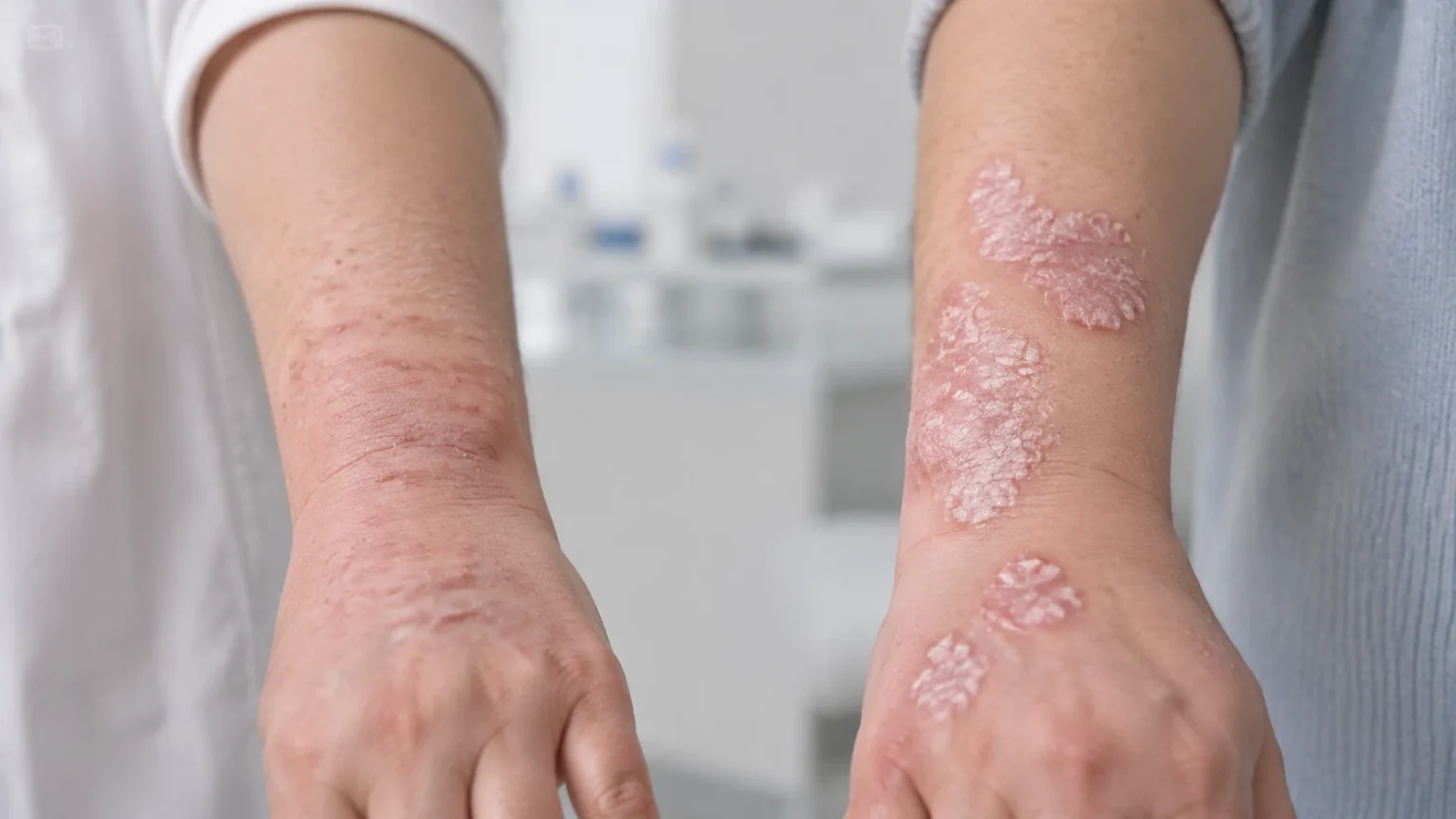

Eczema vs Psoriasis: Key Differences and Pictures
Eczema and psoriasis are common inflammatory skin conditions that can both cause dry, itchy, discolored, and scaly patches. Because their symptoms often overlap, it can be difficult to tell which condition may be affecting your skin. A rash photo can offer useful visual clues, but pictures alone cannot confirm a diagnosis. The appearance can also vary widely by skin tone, age, body location, and the stage of a flare. Understanding the major differences can help you know what questions to ask a healthcare professional.
Eczema is an umbrella term for several conditions that cause inflammation and weaken the skin’s protective barrier. The most common type is atopic dermatitis, which often starts in childhood but can appear at any age. Psoriasis is an immune-mediated condition that speeds up skin-cell turnover, causing cells to build up on the surface. Both conditions are chronic, meaning symptoms may improve and flare again over time. Neither eczema nor psoriasis is contagious, so you cannot catch either condition through skin-to-skin contact.
The biggest clue is often how the rash feels and where it appears. Eczema tends to cause intense itching, dryness, sensitivity, and sometimes oozing or crusting. Psoriasis often creates thicker, more clearly outlined plaques with visible scale, burning, soreness, or itching. Eczema frequently affects skin folds, while plaque psoriasis commonly develops on the scalp, knees, elbows, lower back, and other outer surfaces. Still, these patterns are not absolute, which is why professional assessment matters.
The phrase “eczema vs psoriasis pictures” is widely searched because people naturally want to compare a new rash with what they see online. Medical images can be useful for learning common patterns, such as thick silvery scale in plaque psoriasis or cracked, inflamed folds in eczema. However, images can be misleading when a rash is mild, infected, treated, or seen on darker skin. Fungal infections, contact dermatitis, seborrheic dermatitis, and other conditions can also look similar. Use photographs as an educational starting point rather than a substitute for a clinical diagnosis.
This guide explains the key differences between eczema and psoriasis, including their appearance, symptoms, triggers, diagnosis, and treatment approaches. It also covers what these conditions can look like across different skin tones and when it is important to seek medical attention. If a rash is painful, rapidly spreading, blistering, infected, or affecting your daily life, do not wait for an online comparison to give you answers. A dermatologist or qualified healthcare professional can examine your skin and create an appropriate treatment plan. Early care can reduce discomfort, prevent complications, and help you feel more in control of recurring flares.
Eczema vs Psoriasis at a Glance: The Main Differences
Eczema and psoriasis are both inflammatory skin diseases, but they affect the skin in different ways. Eczema is strongly connected to a damaged skin barrier, which allows moisture to escape and irritants to enter more easily. Psoriasis involves immune-system signaling that makes skin cells multiply faster than normal. This rapid turnover leads to raised, scaly skin plaques that may persist for weeks or months. Although both can be long-term conditions, their underlying patterns and treatment plans are not identical.
Itching is one of the most noticeable differences between eczema and psoriasis. Eczema often causes severe itching that can feel relentless, especially at night or after exposure to heat, sweat, harsh products, or dry air. Scratching can make the rash worse and lead to thickened skin, open sores, or infection. Psoriasis can itch too, but some people notice burning, stinging, tenderness, or tightness more than intense itch. The symptom pattern varies from person to person, so itch alone cannot diagnose either condition.
The borders of a rash may provide another useful clue. Psoriasis plaques are often well-defined, meaning there is a fairly clear edge between affected and unaffected skin. The patches may be thick, raised, and covered with dry white, gray, or silvery scale. Eczema patches can look less sharply outlined and may appear rough, cracked, swollen, or weepy during an active flare. Over time, frequent rubbing or scratching can make eczema skin leathery and darker than the surrounding area.
Body location can also help distinguish eczema from psoriasis. Eczema commonly affects the insides of the elbows, behind the knees, hands, eyelids, neck, wrists, ankles, and skin folds. In babies and young children, it may appear on the cheeks, scalp, or outer arms and legs. Plaque psoriasis often appears on the scalp, elbows, knees, lower back, palms, soles, and around the belly button. Psoriasis can also affect the nails, causing pitting, discoloration, lifting, or thickening.
It is possible to have both eczema and psoriasis, although this is less common and can complicate diagnosis. Some psoriasis types, including inverse psoriasis in body folds, may look smoother and less scaly than classic plaques. Likewise, eczema can become thick, dry, and scaly after repeated scratching. A clinician may diagnose the condition based on your medical history and a close skin examination. In uncertain cases, they may consider a skin scraping, allergy testing, or occasionally a small biopsy.
What Eczema Pictures and Symptoms Can Show
Eczema pictures often show dry, inflamed, rough patches of skin that may look red or pink on lighter skin. On medium, brown, Black, or deeply pigmented skin, eczema may appear purple, grayish, dark brown, or as an area that looks darker or lighter than nearby skin. The surface can be flaky, cracked, or swollen rather than bright red. During a severe flare, tiny fluid-filled bumps may form and leak clear fluid. Once the flare settles, the skin may remain dry, discolored, or thickened.
Atopic dermatitis is the most common form of eczema and often follows an itch-scratch cycle. The skin becomes itchy, scratching damages the protective barrier, and that damage makes the skin more reactive and uncomfortable. This cycle can disrupt sleep, concentration, exercise, and confidence, particularly when eczema affects visible areas such as the face or hands. People with eczema may also notice stinging when they apply fragranced lotions, soaps, or certain cosmetics. Gentle skincare and regular moisturizing are important parts of managing this sensitivity.
The location of eczema can change with age. Infants may develop itchy patches on the cheeks, scalp, trunk, or outer limbs, while older children often have eczema in the elbow and knee creases. Adults may notice hand eczema, eyelid eczema, neck eczema, nipple eczema, or recurring rashes in areas exposed to irritants. Frequent handwashing, cleaning chemicals, occupational exposure, and dry weather can all make hand eczema harder to manage. A rash that begins after a specific product or exposure may be contact dermatitis rather than atopic dermatitis.
Eczema may be triggered by a combination of genetics, environment, and immune activity. Common triggers include fragranced products, wool, rough fabrics, heat, sweat, stress, cold dry air, dust mites, pet dander, and some skin infections. Food allergy can play a role for a small number of people, especially children with immediate symptoms after eating a certain food. However, restrictive diets are not automatically the answer for eczema and may cause unnecessary nutritional problems. Discuss suspected food reactions with a qualified clinician or allergist before eliminating major food groups.
Pictures of eczema cannot reliably show whether a rash has become infected. Signs of possible infection include increasing pain, warmth, swelling, yellow crusting, pus, fever, or rapidly spreading redness. Eczema can also resemble ringworm, scabies, psoriasis, or allergic reactions, making self-diagnosis risky. If an over-the-counter cream has not helped, or if the rash keeps returning, it is worth getting an in-person evaluation. Proper diagnosis helps you avoid using treatments that may irritate the skin or mask another problem.
What Psoriasis Pictures and Symptoms Can Show
Psoriasis pictures most commonly show plaque psoriasis, the form associated with thick, raised patches covered in visible scale. On lighter skin, plaques may look pink or red with pale, white, or silvery scale. On darker skin tones, psoriasis may appear violet, dark brown, gray, reddish brown, or deeper than the surrounding skin. The scale can still be visible, but contrast may be subtler depending on the body area and skin tone. Looking only for “red patches” can cause psoriasis to be missed in richly pigmented skin.
Plaque psoriasis often occurs in a symmetrical pattern, such as on both knees, both elbows, or similar areas of the body. The scalp is another common location, where it can resemble stubborn dandruff but may extend beyond the hairline. Psoriasis on the scalp can create thick flakes, itching, tightness, and embarrassment about visible shedding. It may also affect the ears, forehead, neck, and hairline. Picking or aggressively scratching scales can lead to bleeding and worsen irritation.
Not all psoriasis looks like the classic thick plaque pattern. Guttate psoriasis causes small, drop-shaped scaly spots and may appear after certain infections, especially in children and young adults. Inverse psoriasis affects the armpits, groin, genital area, under the breasts, and other folds, where it may look smooth, shiny, and inflamed rather than scaly. Pustular psoriasis can cause pus-filled bumps, while erythrodermic psoriasis can involve widespread painful redness and scaling. These less common forms need careful medical assessment because they can be more serious.
Nail changes may point toward psoriasis, particularly when a person also has a persistent scaly rash. Psoriatic nails may have tiny pits, yellow-brown discoloration, crumbling edges, thickening, or separation from the nail bed. These changes can be confused with fungal nail infections, trauma, or other skin conditions. A clinician may examine the nails, scalp, and hidden body areas to better understand the pattern. Treating nail psoriasis can take time because nails grow slowly and symptoms may persist even as skin plaques improve.
Psoriasis can affect more than the skin, especially when it is linked with joint symptoms. Psoriatic arthritis may cause swollen fingers or toes, morning stiffness, heel pain, tendon pain, or joints that feel tender and warm. Joint symptoms can develop before, after, or alongside visible skin plaques. Let a healthcare professional know if you have psoriasis-like skin changes and ongoing joint pain, stiffness, or swelling. Prompt assessment is important because untreated inflammatory joint disease can lead to lasting damage.
Causes, Triggers, and How Diagnosis Works
Eczema and psoriasis are not caused by poor hygiene, and neither condition is anyone’s fault. Eczema is associated with a weakened skin barrier and an overactive inflammatory response to triggers that may be harmless to other people. Family history can increase the likelihood of atopic dermatitis, asthma, seasonal allergies, or food allergies. Psoriasis is also influenced by genes and immune activity, but it is not simply an allergy. In both cases, stress and environmental changes can contribute to flares without being the sole cause.
Common eczema triggers include dry air, long hot showers, fragranced soap, laundry products, sweat, rough fabrics, and irritants at work or home. Some people notice that stress, poor sleep, or seasonal allergies make symptoms more difficult to control. Keeping a symptom diary can help identify patterns, particularly when flares seem connected to a new skincare product or repeated exposure. It is best to introduce only one new product at a time when your skin is sensitive. This makes it easier to recognize what helps and what causes irritation.
Psoriasis triggers are different but may overlap in a few areas. Stress, skin injuries, sunburn, smoking, heavy alcohol use, certain infections, and some medications can contribute to a psoriasis flare. A cut, scratch, tattoo, or other injury may sometimes lead to new psoriasis lesions at that site. Cold, dry weather may also worsen scaling and discomfort. If you take prescription medication and think it is affecting your skin, speak with the prescriber before stopping it.
A dermatologist can often diagnose eczema or psoriasis by examining the skin and asking about symptoms, family history, triggers, and previous treatments. They may ask when the rash began, whether it itches or burns, where it first appeared, and whether anyone in your family has similar conditions. The appearance of the scalp, nails, elbows, knees, hands, and skin folds may provide useful clues. If a fungal infection is possible, the clinician may perform a quick skin scraping. Testing is not always necessary, but it can prevent the wrong treatment.
A skin biopsy is usually reserved for cases where the diagnosis remains unclear or the rash does not respond as expected. During this procedure, a small sample of skin is removed and examined under a microscope. Patch testing may be recommended when allergic contact dermatitis is suspected, particularly with recurring hand, face, or eyelid eczema. The goal is not simply to label the rash but to identify the safest, most effective treatment strategy. A correct diagnosis can also help you understand whether to monitor for related issues such as allergies, infection, or joint symptoms.
Eczema vs Psoriasis Treatment Options
Treatment for eczema usually focuses on repairing the skin barrier, calming inflammation, controlling itch, and avoiding triggers. A fragrance-free moisturizer or emollient used consistently can reduce dryness and make the skin less reactive. Thick creams and ointments generally provide more moisture than light lotions, especially during dry weather or active flares. Applying moisturizer after bathing, while the skin is still slightly damp, can help seal in hydration. Your clinician may recommend specific products based on the location and severity of your eczema.
Topical corticosteroids are commonly prescribed for eczema flares, but the strength and duration should match the body area and your individual needs. Delicate areas such as the face, eyelids, groin, and skin folds often require special caution. Other nonsteroidal prescription treatments may be used when steroids are not appropriate or when longer-term control is needed. Wet-wrap therapy, cool compresses, and short lukewarm baths may also provide relief for some people. Avoid applying strong treatments without guidance, especially on sensitive skin or in young children.
Psoriasis treatment depends on the type, location, severity, and impact on your quality of life. Mild plaque psoriasis may be managed with topical treatments such as corticosteroids, vitamin D–based medicines, or other prescription creams and solutions. Thick scales on the scalp or body may require treatments designed to soften and lift scale safely. Moisturizer can reduce cracking and itch, although it does not treat the immune activity behind psoriasis by itself. A dermatologist can help match the treatment to your plaque pattern and daily routine.
For more widespread or stubborn psoriasis, a clinician may discuss phototherapy, oral medicines, injections, or biologic treatments. These options target immune pathways involved in psoriasis and can be highly effective for some people. They also require medical monitoring because treatment choice depends on your health history, other medications, pregnancy plans, infection risk, and disease severity. Psoriatic arthritis may need coordinated care with a rheumatologist. Never borrow, share, or use another person’s prescription psoriasis medication.
Lifestyle habits can support medical treatment for both eczema and psoriasis, but they should not replace professional care. Prioritize regular moisturizing, gentle cleansing, adequate sleep, stress-management strategies, and clothing that does not rub or overheat the skin. Avoid chasing “miracle cures,” harsh scrubs, essential oils, or restrictive diets that promise to eliminate chronic skin disease overnight. If you suspect a specific food or product is triggering symptoms, document the reaction and discuss it with a healthcare professional. A practical, personalized routine is usually more sustainable than an overly complicated one.
When to See a Dermatologist for a Skin Rash
Make a medical appointment if you have a rash that lasts longer than a few weeks, repeatedly returns, spreads, or does not improve with gentle skin care. It is especially important to seek help if itching is disrupting sleep, work, school, or mental well-being. A persistent rash can take a real emotional toll, even when it is not medically dangerous. You deserve clear answers and treatment that makes everyday life more comfortable. Do not feel that you need to “wait until it gets worse” before asking for support.
Seek urgent medical care for a rash that spreads rapidly, causes fever, severe pain, facial swelling, trouble breathing, widespread blisters, or peeling skin. These symptoms may indicate an infection, serious allergic reaction, or a condition that requires immediate assessment. Get prompt care if eczema develops oozing, honey-colored crusts, pus, increasing warmth, or worsening tenderness. These can be signs of a bacterial or viral infection. Babies and young children with extensive rashes should be assessed promptly by a healthcare professional.
People with possible psoriasis should arrange an evaluation if they notice thick scaly plaques, stubborn scalp scaling, nail changes, or recurring patches on the knees and elbows. Mention any joint pain, stiffness, swollen fingers, heel pain, or morning discomfort, especially if symptoms improve as you move. These signs may be related to psoriatic arthritis and should not be ignored. Early treatment can help protect joint function and reduce inflammation. Keep a record of when symptoms started and which joints are affected.
Take photographs of your rash over time if you can do so privately and safely. Photos can help a dermatologist see changes that may not be obvious during one appointment, particularly if the condition flares and settles in cycles. Try to photograph the same area in similar lighting and note any new products, illnesses, stressors, medications, or foods around the time symptoms changed. Do not rely on pictures to diagnose yourself, but use them as useful information for your clinician. This approach can make the appointment more productive.
Whether the answer is eczema, psoriasis, or another skin condition, the right diagnosis can bring relief and direction. Skin disease is not superficial when it affects your sleep, self-esteem, comfort, or ability to do everyday tasks. A treatment plan may take some adjustment, particularly with chronic conditions that flare over time. Be honest with your clinician about what is and is not realistic for your schedule, budget, and routine. The most effective plan is one you can use consistently and safely.
Frequently Asked Questions
Can eczema turn into psoriasis?
No. Eczema does not turn into psoriasis, because they are different inflammatory skin conditions. However, symptoms can overlap, and a person may rarely have both conditions.
Is psoriasis itchier than eczema?
Eczema is often associated with more intense itching, while psoriasis may feel itchy, sore, burning, or tight. Individual symptoms can vary significantly.
Can you tell eczema and psoriasis apart from pictures?
Pictures can show common visual patterns, but they cannot provide a reliable diagnosis. A dermatologist can rule out infections, allergies, and other rashes that look similar.
What is the fastest way to calm an eczema flare?
Use a fragrance-free moisturizer, avoid known irritants, and follow your prescribed treatment plan. Seek medical advice if the flare is severe, painful, infected, or not improving.
Can psoriasis spread from person to person?
No. Psoriasis is not contagious and cannot spread through touching, sharing towels, kissing, or close contact.