
What Does a Stiff Knee Feel Like?
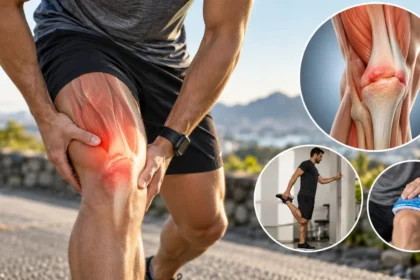
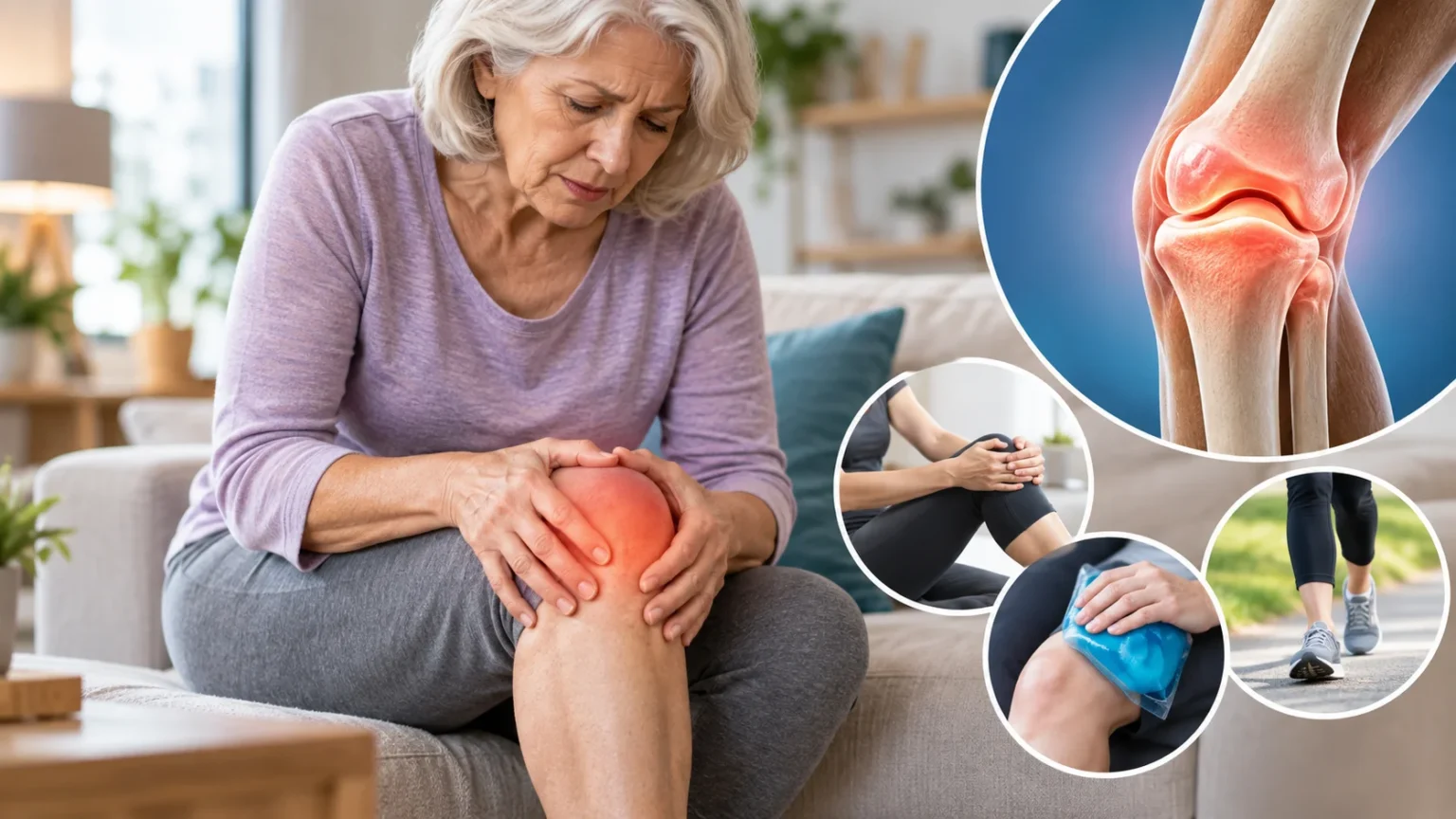
A stiff knee can make simple movements such as standing, walking, climbing stairs, or getting out of a chair feel harder than usual. Some people describe the sensation as tightness, reduced flexibility, or difficulty fully bending or straightening the joint. Knee stiffness may appear suddenly after activity or develop gradually over weeks, months, or years.
The stiffness may affect one knee or both knees depending on the underlying cause. In some cases, it is most noticeable first thing in the morning or after sitting for a long period. Other people experience stiffness after exercise, prolonged standing, or repetitive movements that place additional stress on the knees.
Knee stiffness itself is a symptom rather than a specific condition. It may be related to muscle tightness, joint swelling, arthritis, previous injury, or temporary overuse. Understanding when the stiffness appears and whether it occurs alongside pain, swelling, weakness, or clicking can help identify what may be contributing to the problem.
Common Causes of Knee Stiffness
One of the most common causes of a stiff knee is simply spending too much time in one position. Long periods of sitting can make the joint and surrounding muscles feel temporarily tight. Gentle movement often improves this type of stiffness once circulation increases and the knee begins moving through its normal range again.
Overuse can also leave the knee feeling stiff, particularly after walking farther than usual, running, climbing many stairs, or performing repetitive exercises. Muscles and tissues surrounding the joint may become temporarily irritated or fatigued. Mild symptoms often improve with appropriate rest, gentle movement, and a gradual return to normal activities.
Other causes can include arthritis, tendon irritation, bursitis, meniscus problems, ligament injuries, swelling, or previous trauma to the joint. Because these conditions affect the knee differently, the best approach to relief depends on the actual cause. Persistent or worsening stiffness therefore deserves more attention than occasional tightness after inactivity.
Arthritis and a Stiff Knee
Osteoarthritis is a common reason adults experience ongoing knee stiffness. It develops as structures within the joint change over time, which can affect smooth movement between the bones. People with knee osteoarthritis may notice stiffness after resting, discomfort during activity, reduced flexibility, or occasional swelling around the joint.
Morning stiffness associated with osteoarthritis often improves after the knee has been moving for a while. However, symptoms can return after prolonged activity or long periods of sitting. The amount of discomfort varies considerably, so some people experience mild stiffness while others have more noticeable limits in walking, bending, or climbing stairs.
Inflammatory forms of arthritis can also cause knee stiffness and swelling. These conditions may affect several joints and can involve longer periods of morning stiffness than typical wear-related joint changes. If both knees or multiple joints regularly become swollen, painful, warm, or very stiff, professional evaluation can help identify the underlying reason.
Knee Stiffness After Sitting or Sleeping
Many people notice that their knees feel stiff after sitting at a desk, driving, watching television, or remaining in another position for an extended period. During inactivity, the muscles surrounding the knee may become less flexible temporarily. Standing slowly and taking a few gentle steps can often help restore comfortable movement.
Stiffness after sleeping may occur for similar reasons because the knees remain relatively still for several hours. Age-related joint changes or arthritis can make this morning stiffness more noticeable. Before getting out of bed, gently bending and straightening the knee several times may help prepare the joint for standing and walking.
Frequent movement throughout the day can also reduce stiffness associated with prolonged sitting. Instead of remaining seated for several hours continuously, try taking short walking or movement breaks when practical. Even simple ankle movements, gentle knee extensions, and changes in sitting position may help keep the lower body from becoming excessively tight.
Can an Injury Cause Knee Stiffness?
A previous or recent knee injury can cause stiffness because swelling and pain may limit normal joint movement. Sprains, meniscus injuries, ligament problems, or direct impacts can make bending and straightening uncomfortable. People may also unconsciously protect an injured knee by moving less, which can contribute to additional tightness over time.
Stiffness may remain even after the initial pain from an injury begins to improve. Reduced activity can cause muscles around the knee to lose strength or flexibility, while swelling may continue restricting movement. Rehabilitation often focuses on gradually restoring mobility, strength, coordination, and confidence instead of immediately returning to demanding activity.
Sudden stiffness after an injury deserves attention when it occurs with significant swelling, severe pain, instability, or difficulty bearing weight. A knee that becomes locked or cannot fully straighten may also need professional assessment. Continuing strenuous exercise before understanding a significant injury can potentially aggravate symptoms and delay appropriate recovery.
Gentle Movement for a Stiff Knee
Complete inactivity is not always the best response to mild knee stiffness. Gentle movement can help the joint feel less restricted and may improve flexibility in the surrounding muscles. Walking slowly around the house, bending and straightening the knee comfortably, or performing simple seated movements can help after prolonged periods of rest.
One simple movement involves sitting in a sturdy chair and slowly extending one leg in front of you. Pause briefly before lowering the foot back to the floor, then repeat on the other side. The movement should remain smooth and comfortable rather than forcing the knee into a painful range.
Another option is a gentle heel slide while lying down. Slowly slide one heel toward your body to bend the knee, then move it away again until the leg becomes comfortably straighter. Perform each repetition with control, and stop if the movement produces sharp pain, significant catching, or increasing discomfort.
Stretching Tight Muscles Around the Knee
Tight muscles around the hips, thighs, and calves can influence how the knee moves. Gentle stretching of the quadriceps, hamstrings, and calf muscles may help reduce the sensation of lower-body tightness. Stretching should produce mild tension in the muscle without causing sharp pain inside the knee joint.
A simple hamstring stretch can be performed while seated with one leg extended comfortably in front of you. Keep your back relatively straight and gently lean forward from the hips until you notice a stretch behind the thigh. Hold the position without bouncing, then slowly return to your starting position.
Calf flexibility is also useful because the ankle and knee work together during walking. Standing near a wall for support, move one foot backward while keeping the heel on the floor and gently bend the front knee. Regular gentle stretching can support comfortable movement, but it should not be used to force a swollen or injured knee.
Strengthening Muscles That Support the Knee
Strong leg muscles help support the knee during walking, standing, climbing stairs, and other daily movements. The quadriceps, hamstrings, glutes, and calf muscles all contribute to lower-body stability. Gradual strengthening may improve how forces are managed around the knee, particularly when exercises are chosen according to a person’s current ability.
Simple exercises such as sit-to-stands, mini squats, heel raises, and controlled leg extensions can strengthen the lower body without requiring complicated gym equipment. Start with manageable repetitions and focus on slow, controlled movement. Increasing resistance or repetitions too quickly may irritate an already sensitive knee instead of helping it adapt.
Hip and core strength also contribute to overall movement control. Exercises that improve trunk stability can complement lower-body training, including appropriately selected oblique exercises. A balanced routine that works the hips, core, and legs may provide better movement support than concentrating only on the knee itself.
Home Relief Tips for Mild Knee Stiffness
If your knee stiffness follows unusual activity or mild overuse, temporarily reducing demanding movements may give irritated tissues time to settle. This does not necessarily mean avoiding all movement. Gentle walking and comfortable range-of-motion exercises can often continue as long as they do not significantly increase pain or swelling.
Cold or warmth may also provide temporary comfort depending on the situation. Cold packs are sometimes used when stiffness occurs alongside recent swelling, while warmth can feel soothing for muscles and joints that feel tight after inactivity. Always protect the skin with a cloth and avoid applying extreme temperatures directly to the body.
Comfortable footwear can make daily movement easier as well. Shoes that provide appropriate support and fit properly may help reduce unnecessary stress while walking. Maintaining a healthy balance between activity and recovery is usually more useful than repeatedly pushing through worsening discomfort or becoming completely inactive because the knee feels stiff.
How to Prevent Frequent Knee Stiffness
Regular movement is one of the simplest ways to reduce stiffness related to prolonged inactivity. If your work or daily routine involves sitting for long periods, get up periodically and move around when possible. Short, frequent movement breaks can help your knees and surrounding muscles remain more comfortable throughout the day.
Gradual exercise progression is equally important. Sudden increases in walking distance, running intensity, gym training, or stair climbing can place more stress on the knee than your tissues are prepared to handle. Building activity levels slowly gives muscles, tendons, and joints more time to adapt to increased physical demands.
Maintaining strength and flexibility throughout the lower body can also support comfortable knee movement. Include exercises for the thighs, hips, glutes, calves, and core rather than focusing on only one muscle group. Consistency matters more than occasional intense workouts, especially when the goal is long-term mobility and joint comfort.
When Should You See a Doctor for a Stiff Knee?
Occasional mild stiffness that improves after gentle movement may not always require medical treatment. However, knee stiffness that continues for several weeks, repeatedly interferes with daily activities, or progressively worsens deserves professional evaluation. Identifying the underlying cause can help determine whether exercise, physical therapy, medication, or another treatment approach may be appropriate.
Seek more prompt medical advice if stiffness occurs with significant swelling, redness, unusual warmth, fever, or severe pain. Difficulty placing weight on the leg, a visibly changed joint shape, or symptoms following a major injury should also be assessed. These signs may indicate a problem that should not be managed through home exercises alone.
A knee that repeatedly locks, gives way, or cannot fully straighten also deserves attention. Persistent numbness, weakness, or rapidly increasing symptoms should not be ignored either. A healthcare professional can examine the joint and decide whether further testing or referral to a physical therapist or specialist is necessary.
How to Exercise Safely With Knee Stiffness
Start exercise sessions gradually when your knee tends to feel stiff. A few minutes of gentle walking or comfortable knee movements can prepare your lower body before more challenging exercises. Moving directly from prolonged sitting into intense squats, running, or jumping may feel uncomfortable because the joint and surrounding muscles have not yet warmed up.
Use pain as useful feedback rather than something that must always be pushed through. Mild muscle effort is expected during strengthening, but sharp joint pain, sudden instability, or rapidly increasing discomfort is different. Modify the range of motion, reduce resistance, or choose an easier exercise when a particular movement repeatedly aggravates symptoms.
Recovery is also an important part of exercise. Muscles and joints need time to adapt after challenging activity, particularly when you are beginning a new routine. Alternating harder sessions with lighter movement days can make training easier to maintain while reducing the temptation to repeatedly exercise an irritated knee at high intensity.
Conclusion
A stiff knee can develop for many reasons, including inactivity, muscle tightness, overuse, arthritis, swelling, or previous injury. Occasional stiffness often improves once the joint begins moving, while persistent symptoms may require closer attention. Understanding when stiffness occurs and what other symptoms accompany it can provide useful clues about the cause.
Gentle movement, appropriate stretching, lower-body strengthening, supportive footwear, and sensible activity progression can help many people manage mild knee stiffness. The goal is not to force the joint through discomfort but to maintain comfortable mobility while gradually improving the strength of the muscles that support everyday movement.
If stiffness becomes severe, continues to worsen, or occurs with major swelling, locking, instability, fever, or difficulty bearing weight, seek professional medical advice. Knee problems can have different causes, and the correct approach depends on what is happening inside and around the joint. Early assessment can be particularly valuable when symptoms begin interfering with normal daily activities.
FAQs
Why does my knee feel stiff but not painful?
A knee can feel stiff without significant pain because of prolonged sitting, temporary muscle tightness, reduced mobility, or early joint changes. If the stiffness becomes frequent or progressively worse, consider having the knee professionally evaluated.
What is the quickest way to loosen a stiff knee?
Gentle walking and slow bending and straightening movements may help stiffness caused by inactivity. Avoid forcing the joint, especially when stiffness occurs with significant swelling, injury, sharp pain, or difficulty bearing weight.
Is walking good for a stiff knee?
Comfortable walking can help many people maintain knee movement and reduce stiffness related to inactivity. Start with manageable distances and reduce activity if walking consistently causes increasing pain, swelling, or instability.
Why is my knee stiff after sitting?
Keeping the knee bent and relatively motionless for a long period can make the joint and surrounding muscles feel temporarily tight. Arthritis and previous knee problems can make this stiffness more noticeable after sitting.
Can knee stiffness go away on its own?
Mild stiffness caused by inactivity or temporary overuse may improve with movement and recovery. Persistent, worsening, or unexplained stiffness should be assessed, especially when it occurs with swelling, severe pain, locking, or instability.