
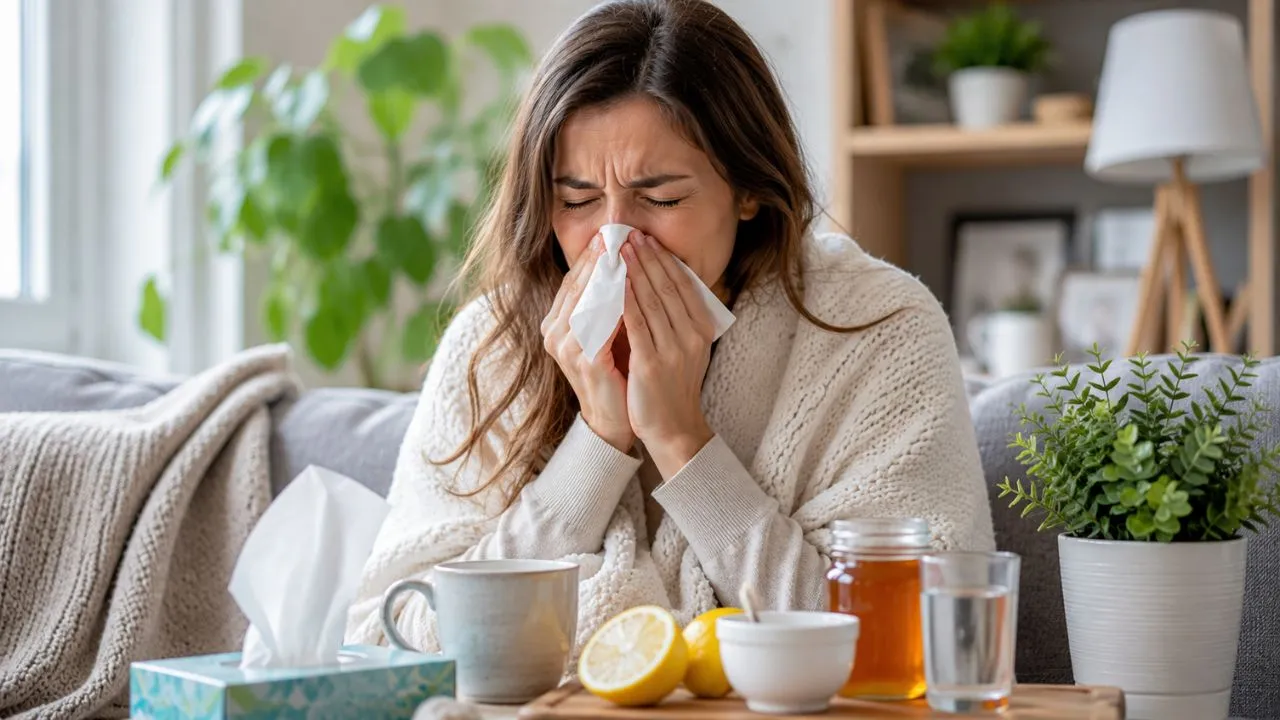

Sneezing is a natural reflex that helps clear pollen, dust, mucus and other irritants from your nasal passages. An occasional sneeze is usually harmless, but repeated sneezing can become uncomfortable, interrupt sleep and make it difficult to concentrate on work or daily activities.
Learning how to stop sneezing begins with identifying what is irritating your nose. Allergies, common colds, strong fragrances, smoke, temperature changes and nasal inflammation can all trigger sneezing. The most effective remedy will therefore depend on whether your symptoms come from an allergen, infection or environmental irritant.
You may get temporary relief by moving away from a trigger, gently blowing your nose or using a saline nasal spray. Allergy-related sneezing may respond to antihistamines or steroid nasal sprays, while sneezing caused by a cold usually improves as the viral infection runs its course.
Most sneezing can be managed at home, but persistent symptoms may require medical advice. Seek urgent help when sneezing occurs with breathing difficulty, swelling of the lips or tongue, faintness or tightness in the throat because these can indicate a severe allergic reaction.
Why Do You Keep Sneezing?
Sneezing occurs when the sensitive lining inside your nose becomes irritated. Nerves send a signal that triggers a sudden release of air through your nose and mouth. This reflex helps remove the substance that your body identifies as irritating or potentially harmful.
Allergic rhinitis is one of the most common causes of frequent sneezing. It happens when the immune system reacts to substances such as pollen, house dust mites, mould or animal dander. Symptoms often include an itchy nose, watery eyes and a clear, runny or blocked nose.
A common cold may also cause repeated sneezing, usually alongside a sore throat, cough, blocked nose or general tiredness. Cold symptoms typically appear gradually over two or three days and usually begin improving within one or two weeks.
Not every case involves an allergy or infection. Non-allergic rhinitis can be triggered by smoke, perfume, paint fumes, exercise, spicy food, alcohol, humidity or sudden temperature changes. Certain medicines and the overuse of decongestant sprays can also irritate the nose.
1. Move Away From the Immediate Trigger
When sneezing starts suddenly, look at what has changed in your surroundings. You may have entered a dusty room, used a new fragrance, opened a window during a high-pollen period or come close to an animal. Moving to a cleaner area may help the irritation settle.
Step outdoors when cleaning chemicals, smoke or paint fumes are affecting your nose indoors. When outdoor pollen is the likely problem, go inside and close nearby windows. The right response depends on whether the irritant is coming from inside or outside your environment.
Wash your hands and face after contact with pollen, dust or pet dander. Changing your clothes can also prevent particles from remaining close to your nose and eyes. Avoid rubbing your nose because repeated friction may make irritation and redness worse.
Keep a simple record when sneezing episodes occur frequently. Write down where you were, what you were doing and whether you also experienced itching, watery eyes or congestion. Patterns can help you identify a trigger and provide useful information for a pharmacist or doctor.
2. Blow Your Nose Gently
Mucus can trap dust, pollen and other particles inside your nose. Gently blowing your nose may remove some of these irritants and provide temporary relief from sneezing, congestion and nasal dripping.
Blow one nostril at a time instead of using excessive pressure through both sides. Forceful blowing may increase discomfort in the nose, ears or sinuses. Use a clean, soft tissue and wash your hands afterwards.
Avoid repeatedly pushing tissue, cotton buds or other objects into your nostrils. These can irritate the delicate nasal lining, cause bleeding or push material further into the nose rather than removing it safely.
When your nose feels dry, a plain saline nasal spray may be more comfortable than repeated blowing. Saline can moisturise the nasal passages and loosen thick mucus without containing the medicated ingredients found in allergy or decongestant sprays.
3. Use a Saline Nasal Spray or Rinse
Saline sprays contain a saltwater solution that can help wash pollen, dust and mucus from the nasal passages. They may provide relief from sneezing caused by allergic or non-allergic rhinitis and can usually be purchased from a pharmacy.
A saline mist is generally easier to use than a full nasal rinse. Follow the product instructions, keep the nozzle clean and avoid sharing the bottle with another person. Sharing nasal products may spread germs between users.
When using a neti pot or another sinus-rinsing device, water safety is essential. Use only water labelled distilled or sterile, or tap water that has been boiled and allowed to cool. Untreated tap water should not be placed directly inside the nose.
Clean and dry the rinsing device after use according to its instructions. Stop when rinsing causes significant pain, bleeding or pressure. People with recent nasal surgery, a completely blocked nostril or a weakened immune system should seek professional advice before starting nasal irrigation.
4. Take an Antihistamine for Allergy Symptoms
Antihistamines can help when sneezing is caused by hay fever, pet allergies, dust mites or another allergen. They work by reducing the effects of histamine, a chemical involved in symptoms such as sneezing, itching, watery eyes and a runny nose.
Some antihistamines are described as non-drowsy because they are less likely to make you sleepy. Others can cause noticeable drowsiness and may affect driving, work or concentration. Read the label carefully rather than assuming every allergy tablet has the same effects.
Take only the recommended dose and avoid combining different antihistamines unless a healthcare professional advises you to do so. Ask a pharmacist which option may be appropriate when you take other medicines, have a health condition or need treatment for a child.
Antihistamines are unlikely to provide much benefit when sneezing is caused only by a viral cold. Look for allergy clues such as itchy eyes, an itchy nose and symptoms that appear soon after exposure to pollen, pets or dust.
5. Consider a Steroid Nasal Spray
Steroid nasal sprays can reduce inflammation inside the nose and are commonly used for allergic rhinitis and hay fever. They may relieve sneezing, itching, congestion and a runny nose when used correctly and consistently.
Unlike some quick-relief medicines, a steroid spray may not produce its full effect immediately. It generally needs to be used regularly according to the product instructions. Stopping after one or two doses may prevent you from receiving its intended benefit.
Point the spray slightly towards the outside wall of the nostril rather than directly at the centre divider of your nose. Breathe in gently while spraying instead of sniffing forcefully. Correct technique may improve delivery and reduce irritation.
Possible side effects include a dry or sore nose, an unpleasant taste and nosebleeds. Ask a pharmacist or doctor before use when you are pregnant, treating a child, taking other steroid medicines or experiencing repeated nasal bleeding.
6. Manage Cold-Related Sneezing
Sneezing from a common cold cannot usually be stopped immediately because the underlying viral infection needs time to resolve. Rest, drink enough fluids and manage associated symptoms while your immune system responds to the infection.
A cold is more likely when sneezing occurs with a sore throat, cough, blocked nose, hoarse voice or tiredness. Symptoms tend to appear gradually, unlike some allergy symptoms that begin within minutes of exposure to a trigger.
Antibiotics do not treat viruses that cause ordinary colds. Avoid taking leftover antibiotics or requesting them only because your mucus has changed colour. A pharmacist can recommend appropriate products for congestion, aches or fever when needed.
Most people begin feeling better within one or two weeks. Speak with a doctor when symptoms worsen, do not improve after around 10 days, or occur with chest pain, shortness of breath or a high temperature lasting more than three days.
7. Reduce Pollen Exposure
Pollen allergies commonly cause seasonal sneezing, an itchy nose and watery eyes. Symptoms may become more noticeable after spending time outdoors, opening windows or handling clothing that has collected pollen.
Change your clothes and shower after spending a long time outdoors during pollen season. Washing your hair before going to bed may prevent pollen from transferring to your pillow and remaining close to your face overnight.
Keep windows closed when pollen is making symptoms worse, particularly in your bedroom. Wraparound sunglasses may reduce pollen exposure around the eyes, while drying clothes indoors can prevent outdoor pollen from settling on fabric.
Avoid cutting grass or spending unnecessary time near freshly mown lawns when grass pollen is a trigger. Complete necessary outdoor activities at times when your symptoms are usually less severe and follow local pollen information when it is available.
8. Control Dust, Mould and Pet Allergens
House dust mites can live in bedding, mattresses, soft furniture and carpets. Wash bedding regularly at a hot temperature when the fabric allows it, and use washable covers to reduce the amount of allergen collecting around your sleeping area.
Dust surfaces with a damp cloth instead of a dry one that sends particles back into the air. A vacuum cleaner with a HEPA filter may help capture small particles more effectively. Wear a suitable mask or ask someone else to clean when dust strongly triggers your symptoms.
Deal with damp areas and visible mould because mould can irritate the nose and cause allergic symptoms in sensitive individuals. Improve ventilation, repair water leaks and avoid simply painting over an ongoing moisture problem.
When you are allergic to an animal, keeping the pet out of your bedroom may reduce overnight exposure. Wash the pet’s bedding and clean furniture regularly. A confirmed pet allergy can be difficult to manage, so professional allergy advice may be helpful when symptoms remain severe.
9. Avoid Smoke, Perfume and Strong Fumes
Cigarette smoke, vaping aerosols, scented sprays, perfumes and cleaning fumes can irritate the lining of the nose. They may trigger sneezing even when you do not have a true allergy to the substance.
Choose fragrance-free household and personal-care products when strong scents repeatedly cause symptoms. Use cleaning products in a well-ventilated area and never combine chemicals unless the manufacturer specifically says it is safe.
Avoid smoking and second-hand smoke, particularly when you also have a cold, asthma or ongoing nasal inflammation. Smoke can worsen respiratory symptoms and make your nose and throat feel more irritated.
Cold air, exercise and sudden changes in temperature can also trigger non-allergic rhinitis. Covering your nose loosely with a scarf in cold conditions and warming up gradually before exercise may reduce the sudden irritation experienced by some people.
10. Use Decongestants Carefully
Decongestants reduce swelling in the blood vessels inside the nose and can temporarily improve a blocked nose. They are available as sprays, drops, tablets and combination cold remedies, but they are not suitable for everyone.
A decongestant may help congestion more than sneezing itself. Do not use more than one congestion medicine at the same time without checking the ingredients because combination products may already contain a decongestant, painkiller or antihistamine.
Decongestant nasal sprays and drops should generally be used only for a few days. Using them for too long can create rebound congestion, causing the nose to feel more blocked when the medicine wears off.
Ask a pharmacist before using decongestants when you have high blood pressure, diabetes, glaucoma, thyroid problems, heart disease or take other medicines. They may also be unsuitable during pregnancy, breastfeeding or for young children.
How to Stop Sneezing in the Morning
Morning sneezing may be linked to allergens that collect in the bedroom. House dust mites, pet dander, mould and pollen on bedding can irritate the nose soon after you wake up.
Wash bedding regularly, clean surfaces with a damp cloth and keep pets away from pillows and mattresses when pet dander is a trigger. Replace or clean bedroom filters according to the manufacturer’s instructions.
Notice whether sleeping with an open window makes symptoms worse during pollen season. Closing the window and showering before bed may reduce the amount of pollen around your sleeping area.
Repeated morning symptoms may indicate allergic rhinitis rather than a series of separate colds. A pharmacist can advise about antihistamines, saline products or steroid nasal sprays, while a doctor may arrange further assessment when the cause remains unclear.
How to Stop Sneezing at Night
Night-time sneezing can interfere with sleep and leave you tired the following day. Possible causes include bedroom allergens, dry air, a respiratory infection or mucus dripping down the back of the throat.
Keep the bedroom clean and comfortably ventilated, but avoid opening windows when outdoor pollen triggers symptoms. Wash your face and change clothes before bed after spending time around dust, animals or plants.
A saline nasal spray before bedtime may help clear irritating particles and moisturise dry nasal passages. Allergy medicines may also help when symptoms are caused by allergic rhinitis, but use them according to professional advice and the package instructions.
See a doctor when sneezing and congestion regularly disturb sleep, worsen asthma or continue despite pharmacy treatments. Persistent symptoms may require a clearer diagnosis or a different treatment plan.
Sneezing in Babies and Children
Babies may sneeze occasionally to clear mucus and small particles from their noses. Occasional sneezing without breathing difficulty, feeding problems, fever or other signs of illness is not always a reason for concern.
For a blocked nose, a pharmacist, doctor or health visitor may recommend suitable saline nose drops. Do not give young children adult cold medicines, antihistamines or decongestants without checking that the product is approved for their age.
Keep children away from cigarette smoke, strong fragrances and cleaning fumes. Maintain good hand hygiene and use tissues to limit the spread of respiratory infections through coughs and sneezes.
Seek medical advice when a baby has difficulty breathing, struggles to feed, becomes unusually sleepy or develops a high temperature. Urgent care is needed for blue or grey lips, severe breathing difficulty or sudden swelling of the mouth, tongue or throat.
Can You Stop a Sneeze Once It Starts?
A sneeze is an automatic reflex, so it may be difficult to stop once your body has begun the process. Moving away from an irritant before the sensation becomes strong is more reliable than trying to suppress the sneeze at the last second.
Avoid blocking both your nose and mouth forcefully. Instead, sneeze into a clean tissue and dispose of it immediately. When a tissue is unavailable, sneeze into the inside of your elbow rather than your hands.
Wash your hands after sneezing because respiratory viruses can spread through droplets, hands and contaminated surfaces. Avoid touching your eyes, nose and mouth before cleaning your hands.
Repeated attempts to stop the reflex will not treat the underlying problem. Identifying allergies, infections or environmental triggers offers a more effective long-term solution than concentrating only on preventing each individual sneeze.
When Should You See a Doctor About Sneezing?
Arrange a medical appointment when sneezing continues for weeks, has no clear cause or significantly affects sleep, school or work. Persistent symptoms may be related to allergic rhinitis, non-allergic rhinitis, sinus problems or another condition.
Seek advice when pharmacy treatments do not help or when your asthma becomes worse. You may need prescription medicine, allergy testing or an assessment by an ear, nose and throat or allergy specialist.
Contact a healthcare professional when cold-like symptoms worsen, do not improve after around 10 days or occur with chest pain, difficulty breathing or a prolonged high temperature. These symptoms may require evaluation for another illness or complication.
Get emergency help immediately when sneezing occurs with sudden swelling of the lips, mouth, throat or tongue, severe wheezing, difficulty swallowing, faintness or confusion. Use a prescribed adrenaline auto-injector when instructed and call your local emergency service.
Conclusion
Understanding how to stop sneezing requires identifying what is irritating your nose. Allergies, colds, dust, pollen, smoke, perfume and temperature changes are among the most common triggers.
For immediate relief, move away from the trigger, gently blow your nose and consider using a saline spray. Allergy-related symptoms may improve with a suitable antihistamine or regularly used steroid nasal spray.
Reduce repeated episodes by controlling pollen, dust mites, mould, pet dander and strong fumes. Use medicated nasal sprays carefully because excessive use of decongestants can make nasal congestion worse.
Most sneezing is temporary and harmless. However, persistent symptoms deserve medical advice, while breathing difficulty, throat tightness and facial or tongue swelling require emergency treatment.
Frequently Asked Questions
How can I stop sneezing immediately?
Move away from dust, pollen, smoke or perfume and gently blow your nose. A saline nasal spray may help remove irritants, but repeated sneezing usually improves only when its underlying cause is addressed.
Why am I sneezing so much without a cold?
Frequent sneezing without a cold may be caused by pollen, dust mites, pets, mould, perfume, smoke or non-allergic rhinitis. Notice when symptoms appear and speak with a pharmacist or doctor when they continue.
What medicine can stop allergy sneezing?
Antihistamines and steroid nasal sprays may relieve allergy-related sneezing. The best option depends on your age, other medicines and health conditions, so ask a pharmacist for personalised advice.
Does drinking water stop sneezing?
Water does not directly switch off the sneeze reflex, but staying hydrated can support comfort during a cold. Saline spray or rinsing is more useful for directly clearing irritants from the nasal passages.
When is constant sneezing serious?
Seek medical advice when sneezing persists, disrupts sleep or occurs with worsening asthma. Get emergency help for breathing difficulty, throat tightness, faintness or sudden swelling of the lips, tongue or face.