
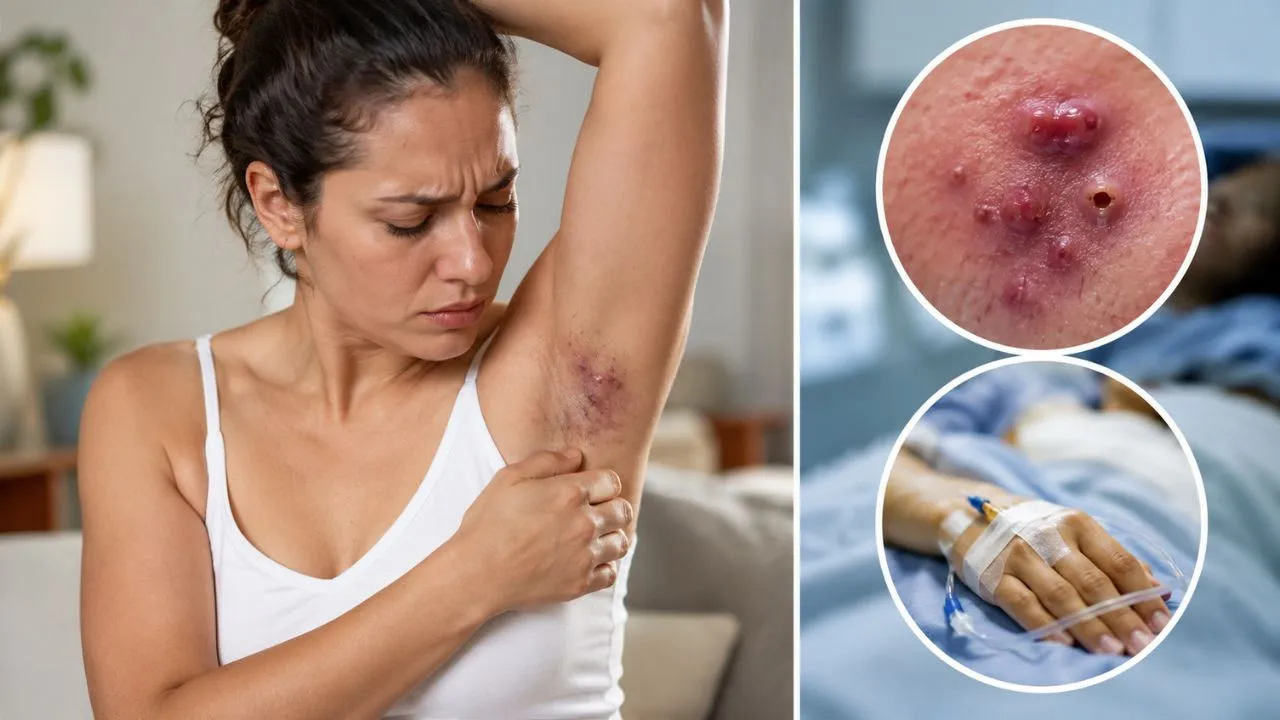

Hidradenitis suppurativa can be painful, persistent and frightening, especially when lumps repeatedly burst, drain pus or leave open wounds. These symptoms may make people worry that the condition is dangerous or even fatal. The reassuring answer is that hidradenitis suppurativa is rarely life-threatening, and most people can manage it with appropriate medical treatment, wound care and ongoing support.
Although HS itself does not usually kill people, serious complications can occasionally develop when the condition is severe or poorly controlled. An open wound may develop a secondary bacterial infection, and an untreated infection can sometimes spread into surrounding tissue or the bloodstream. Such complications are uncommon, but they explain why worsening redness, fever or rapidly increasing pain should never be ignored.
Long-standing hidradenitis suppurativa can also affect health in less direct ways. People with HS may have a higher risk of cardiovascular disease, diabetes, obesity, inflammatory conditions and depression. These associated conditions can influence overall wellbeing and long-term health, but their presence does not mean that everyone with HS will develop a shorter life expectancy or a fatal complication.
The best way to reduce potential risks is to seek an accurate diagnosis and follow an individualised treatment plan. Early treatment can reduce inflammation, control flare-ups, improve wound healing and prevent extensive scarring or skin tunnels. Understanding the warning signs of infection can also help people obtain urgent care before a manageable problem becomes a medical emergency.
Key Takeaways
Hidradenitis suppurativa is a chronic inflammatory skin condition, but it is not usually fatal. Most people experience recurring painful lumps, abscesses, drainage, tunnels under the skin and scarring rather than life-threatening illness. With proper dermatology care, symptoms can often be controlled and the chances of serious complications can be significantly reduced.
The most immediate potential danger is a serious secondary infection. HS lesions are not always infected, even when they contain or release pus, because inflammation is a major part of the disease. However, bacteria can enter open wounds, causing an infection that may spread if it is not recognised and treated promptly.
Rare complications can include extensive scarring, restricted movement, persistent wounds and squamous cell carcinoma in long-standing areas of severe disease. This type of skin cancer remains uncommon, but unusual changes in an existing wound should be assessed. Regular examinations are especially important for people with severe HS around the groin, genitals, buttocks or anus.
Treatment may involve skin care, antibiotics, anti-inflammatory medicines, hormonal treatment, biologic medicines, wound care or surgical procedures. The most suitable approach depends on the location and severity of the condition. People should not wait until the disease becomes unbearable before contacting a doctor, because early treatment can help prevent HS from progressing.
What Is Hidradenitis Suppurativa?
Hidradenitis suppurativa, commonly called HS, is a long-term inflammatory skin disease that begins around hair follicles. It causes deep, painful lumps that often develop in places where skin touches or rubs together. Common areas include the armpits, groin, buttocks, inner thighs, under the breasts and around the genitals or anus.
The lumps may remain beneath the skin, become swollen or break open and release fluid or pus. As the same areas repeatedly become inflamed, tunnels known as sinus tracts can form beneath the skin. These tunnels may connect different lesions and continue draining for extended periods, making wound care and daily activities more difficult.
HS is not caused by poor hygiene, and it is not contagious or sexually transmitted. People cannot catch it through touching, sharing towels or coming into contact with drainage. The exact cause remains unclear, but genetic, hormonal, immune and environmental factors may contribute to the development and severity of the condition.
Smoking and obesity are strongly associated with more severe HS symptoms, although they are not the only causes. People of any body size can develop hidradenitis suppurativa, including those who have never smoked. Blaming patients can delay diagnosis and increase emotional distress, so HS should be approached as a genuine medical condition requiring compassionate treatment.
Can Hidradenitis Suppurativa Directly Cause Death?
Hidradenitis suppurativa does not usually directly cause death. The condition primarily affects the skin and nearby tissue, creating recurring inflammation, painful abscesses and scarring. Even severe symptoms are generally manageable with medical care, although treatment may require a combination of medicines, procedures, wound management and long-term follow-up with a dermatologist.
The disease becomes potentially life-threatening mainly when a serious complication develops. For example, bacteria may infect an open lesion and spread beyond the original area. A rapidly spreading infection can lead to cellulitis, a deeper abscess or, in rare circumstances, sepsis, which requires immediate medical treatment.
The presence of pain, pus or drainage does not automatically mean that a dangerous infection has developed. HS commonly produces inflamed and draining lesions without a bacterial infection. A clinician may examine the affected skin and sometimes test the drainage when infection is suspected, helping determine whether antibiotics or additional treatment are necessary.
Therefore, the balanced answer is that HS is rarely fatal but should never be dismissed as a harmless skin problem. Persistent inflammation, open wounds and delayed treatment can increase the risk of complications. Regular medical care offers the strongest protection by controlling the disease and identifying unusual symptoms before they become more serious.
How Can an HS Infection Become Dangerous?
HS lesions can create breaks in the skin that allow bacteria to enter surrounding tissue. When this happens, the area may become increasingly painful, hot, swollen and red. The drainage may change in appearance or smell, and the person may begin to feel generally unwell rather than experiencing only the familiar discomfort of an HS flare.
Cellulitis can occur when bacteria infect deeper layers of the skin and nearby tissue. The redness may expand beyond the original lesion, while pain and swelling may worsen quickly. Cellulitis generally requires medical treatment because an infection that continues spreading can enter the bloodstream or affect other parts of the body.
Sepsis is a rare but life-threatening reaction to an infection. It can cause fever or an unusually low temperature, rapid breathing, confusion, severe weakness, dizziness or a very fast heartbeat. Sepsis is a medical emergency, and anyone experiencing these symptoms alongside a suspected skin infection should seek emergency care without waiting for a routine appointment.
People taking medicines that affect the immune system may need to be particularly alert to possible infection symptoms. However, prescribed HS medication should not be stopped suddenly without professional advice. A dermatologist can explain personal risks, arrange appropriate monitoring and provide clear instructions about what to do if fever, infection or another worrying symptom develops.
What Other Serious Complications Can HS Cause?
Repeated HS flare-ups can lead to thick scars and extensive tunnels under the skin. These changes may restrict movement when they develop in the armpits, groin or thighs. Some people find it painful to raise an arm, walk, sit or exercise, which can affect independence, employment and participation in ordinary daily activities.
Persistent drainage can also irritate surrounding skin and create wounds that are slow to heal. Managing these areas may require specialised dressings, pain relief and guidance from dermatology or wound-care professionals. Attempting to squeeze or cut open lesions at home can damage tissue, increase inflammation and potentially introduce bacteria into the wound.
A rare complication of long-standing severe HS is squamous cell carcinoma, a form of skin cancer. It has been reported more often in chronic HS affecting the buttocks, groin and area around the anus. A wound that changes appearance, grows, bleeds unexpectedly or refuses to heal should be examined rather than assumed to be a normal flare.
HS may also contribute to swelling when scarring interferes with normal lymphatic drainage. In severe cases, this can cause persistent enlargement around the genitals, arms or legs. These complications are not typical for everyone with hidradenitis suppurativa, but they show why uncontrolled disease deserves appropriate specialist assessment instead of repeated short-term drainage alone.
Does Hidradenitis Suppurativa Shorten Life Expectancy?
Research has found an association between hidradenitis suppurativa and an increased risk of certain health problems, including cardiovascular disease and metabolic conditions. Some population studies have also observed higher overall mortality among people with HS. However, an association does not prove that the skin disease directly caused each death or complication.
Several factors may contribute to the difference in health outcomes. Smoking, obesity, diabetes, chronic inflammation and reduced physical activity may occur more frequently among some people with severe HS. Barriers to healthcare, delayed diagnosis, chronic pain and the emotional burden of the condition may also affect overall health and disease management.
These findings should encourage comprehensive healthcare rather than unnecessary fear. A person with HS is not automatically expected to die early, and individual risk can differ greatly. Managing blood pressure, blood sugar, cholesterol, smoking, physical activity and mental health may be as important as treating the visible skin lesions.
Regular contact with a primary care doctor and dermatologist can help identify associated health conditions earlier. People should discuss cardiovascular risk factors, persistent joint pain, digestive symptoms, unexplained weight changes and emotional wellbeing during appointments. Treating the whole person, rather than focusing only on individual abscesses, can support better long-term health.
Warning Signs That Require Urgent Medical Attention
A person with HS should seek urgent medical advice when redness or swelling spreads quickly beyond the usual lesion. Rapidly worsening pain, unusual warmth or a sudden increase in drainage can also suggest a secondary infection. These changes are especially concerning when they feel noticeably different from the person’s normal pattern of flare-ups.
Fever, chills, severe weakness or feeling faint may indicate that an infection is affecting more than the skin. Confusion, difficulty breathing, a racing heartbeat or extreme drowsiness require emergency assessment. It is safer to obtain urgent care and discover that the problem is manageable than to wait while a serious infection continues to spread.
A lesion close to the anus, genitals or another sensitive area may also require prompt medical attention when it becomes extremely painful or rapidly enlarged. Deep infections in these locations can be difficult to assess without a physical examination. A clinician can determine whether antibiotics, drainage, imaging or surgical treatment are required.
Uncontrolled bleeding, black or discoloured skin, severe swelling or an open wound that looks significantly different should also be assessed promptly. People using biologic medicines or other treatments that alter immune responses should follow their specialist’s infection instructions. They should clearly inform urgent-care professionals about their diagnosis and current medication.
When Should You Arrange a Dermatology Appointment?
You should arrange an appointment when painful lumps repeatedly appear in the armpits, groin, buttocks or under the breasts. Recurring boils in the same areas are not always ordinary infections or ingrown hairs. Recognising the typical pattern can help a dermatologist diagnose HS before extensive tunnels and scarring develop.
Medical advice is also important when a lump does not improve, several areas become affected or the condition interferes with walking, sitting, sleeping or working. A person does not need to wait for severe disease before requesting help. Mild and moderate HS may respond more effectively when treatment begins early.
People already diagnosed with HS should return to their clinician when the current treatment no longer controls flare-ups. Increasing pain, more frequent lesions or new affected areas may mean the treatment plan needs to be adjusted. Modern HS management is individualised, and several medical and surgical options may be combined.
An appointment is equally important when the emotional effects become difficult to manage. Chronic pain, odour, drainage and visible scarring can contribute to embarrassment, isolation, anxiety or depression. Mental healthcare is a valid part of HS treatment, and asking for support is not an indication that the physical symptoms are imagined.
How Is Hidradenitis Suppurativa Treated?
There is currently no single permanent cure for hidradenitis suppurativa, but effective treatment can control symptoms and slow progression. A dermatologist selects treatment according to the number, location and type of lesions. The plan also considers pain, infection, scarring, previous treatments and the effect of HS on daily life.
Mild disease may be treated with prescribed skin products, topical antibiotics or other medicines that reduce inflammation. Oral antibiotics may be used for their anti-inflammatory effects or to treat a confirmed secondary infection. Some patients may benefit from hormonal treatment, depending on their symptoms, medical history and pattern of flare-ups.
Moderate or severe HS may require biologic medicines that target parts of the immune system involved in inflammation. These medicines require professional assessment and ongoing monitoring. They should only be used as prescribed, and patients should report signs of infection or significant side effects to their healthcare team promptly.
Procedures may be recommended when tunnels or persistent lesions do not respond adequately to medication. Options can include removing the covering of a tunnel, laser-based treatment or surgical excision of severely affected tissue. Simply draining an abscess may provide temporary pain relief, but the lesion can return if the underlying diseased tissue remains.
Can Self-Care Reduce the Risk of Complications?
Gentle skin care can reduce irritation and protect areas affected by HS. Patients may be advised to use an appropriate antiseptic or antimicrobial wash, but harsh scrubbing should be avoided. HS is not caused by dirt, and aggressive cleaning can damage sensitive skin without addressing the underlying inflammation around the hair follicles.
Loose, breathable clothing may reduce friction and pressure on painful areas. Adhesive dressings should be selected carefully because frequent removal can irritate surrounding skin. A dermatologist or wound-care nurse can recommend dressings that manage drainage, protect clothing and minimise trauma when they are changed.
Warm compresses may soothe discomfort, but lesions should not be squeezed, pierced or cut open at home. These actions can push inflammation deeper, damage tissue or introduce bacteria. Persistent or extremely painful abscesses should be evaluated professionally so that drainage or another procedure can be performed safely when appropriate.
Stopping smoking and working towards a suitable weight may improve symptoms for some people, but these steps should support medical treatment rather than replace it. Weight-related conversations should remain respectful and practical. People deserve effective HS care regardless of their size, smoking history or ability to make immediate lifestyle changes.
Can Hidradenitis Suppurativa Be Prevented?
There is no guaranteed way to prevent hidradenitis suppurativa because its exact cause is not fully understood. Genetics, hormones and immune-system activity may all influence who develops the disease. A person may follow excellent hygiene and healthy habits and still experience HS, so the condition should never be treated as a personal failure.
Once HS develops, early treatment may help prevent it from progressing to more extensive tunnels, open wounds and scarring. Keeping a record of lesion locations, flare frequency and possible triggers can help during medical appointments. Photographs may also be useful when lesions improve before the person can see a dermatologist.
Some people notice flare-ups related to heat, sweating, friction, menstruation, stress or particular clothing. Identifying a pattern can support symptom management, although avoiding triggers does not cure the disease. People should be cautious about highly restrictive diets or unproven remedies that promise to remove HS permanently.
The most effective preventive strategy is ongoing disease control. This involves attending follow-up appointments, using prescribed treatment correctly and reporting changes early. A personalised plan may need adjustment over time because HS can behave differently at different life stages or respond differently to individual treatments.
What Is the Outlook for Someone With HS?
The outlook varies because hidradenitis suppurativa ranges from occasional mild lumps to widespread and persistent disease. Some people experience long periods with few symptoms, while others require ongoing specialist treatment. The severity at one point in time does not always predict how the condition will behave in the future.
Early diagnosis generally offers a better opportunity to control inflammation before permanent tunnels and extensive scars form. Treatment can reduce the number of flare-ups, promote wound healing and make ordinary activities more comfortable. Severe HS may still require surgery or long-term medication, but meaningful improvement is possible.
Living with HS can involve setbacks, and finding an effective treatment combination may take time. Patients may need support from dermatologists, surgeons, primary care doctors, wound-care teams and mental health professionals. Coordinated care can address the physical disease while also supporting confidence, relationships, work and emotional wellbeing.
Most importantly, people with HS should not assume that their condition will become fatal. Life-threatening complications are rare, and recognising infection symptoms greatly reduces avoidable danger. Regular treatment, proper wound care and attention to wider health risks can help people manage HS and maintain a good quality of life.
Conclusion
Hidradenitis suppurativa is rarely life-threatening, and the condition itself does not normally cause death. However, it can create open wounds that occasionally develop a serious secondary infection. Rapidly spreading redness, fever, confusion, breathing difficulty or severe weakness should be treated as urgent warning signs requiring immediate medical care.
Other uncommon complications include extensive scarring, restricted movement, lymphatic swelling and squamous cell carcinoma in areas of long-standing severe disease. These risks are not reasons to panic, but they highlight the importance of regular dermatology care. Persistent or changing wounds should be examined rather than repeatedly treated at home.
HS has also been associated with cardiovascular, metabolic and mental health conditions that may influence long-term wellbeing. Comprehensive treatment should therefore include more than managing individual lumps. Monitoring general health, controlling inflammation, treating infections and accessing emotional support can all contribute to safer and more effective care.
Anyone experiencing recurring painful boils in skin-fold areas should seek medical advice rather than waiting for the condition to worsen. Early diagnosis can reduce complications and improve quality of life. With an individualised treatment plan and timely attention to warning signs, most people can live safely with hidradenitis suppurativa.
Frequently Asked Questions
How long can you live with hidradenitis suppurativa?
Most people with hidradenitis suppurativa can have a normal lifespan. The condition is rarely fatal, particularly when infections and associated health conditions are recognised and treated appropriately.
Can hidradenitis suppurativa cause sepsis?
A secondary bacterial infection in an open HS wound can rarely spread and lead to sepsis. Fever, confusion, rapid breathing or severe weakness requires immediate emergency medical attention.
Can stage 3 hidradenitis suppurativa kill you?
Stage 3 HS is severe and can cause extensive tunnels, wounds and scarring, but it is not usually fatal. Specialist treatment is necessary to reduce infection and other complication risks.
Can hidradenitis suppurativa turn into cancer?
Long-standing severe HS has rarely been associated with squamous cell carcinoma, particularly near the buttocks, groin or anus. Any persistent or changing wound should be examined by a dermatologist.
When should I go to hospital for hidradenitis suppurativa?
Seek urgent care for rapidly spreading redness, high fever, confusion, severe weakness, breathing difficulty or rapidly worsening pain. These symptoms may indicate a serious infection requiring immediate treatment.