

Introduction to Digital Twins
Digital twins have emerged as a revolutionary concept in various industries, promising to enhance operational efficiency and facilitate innovative solutions. At its core, a digital twin is a virtual representation of a physical asset, system, or process. This digital counterpart is continuously updated with real-time data, allowing for an accurate reflection of its physical counterpart’s state and performance.
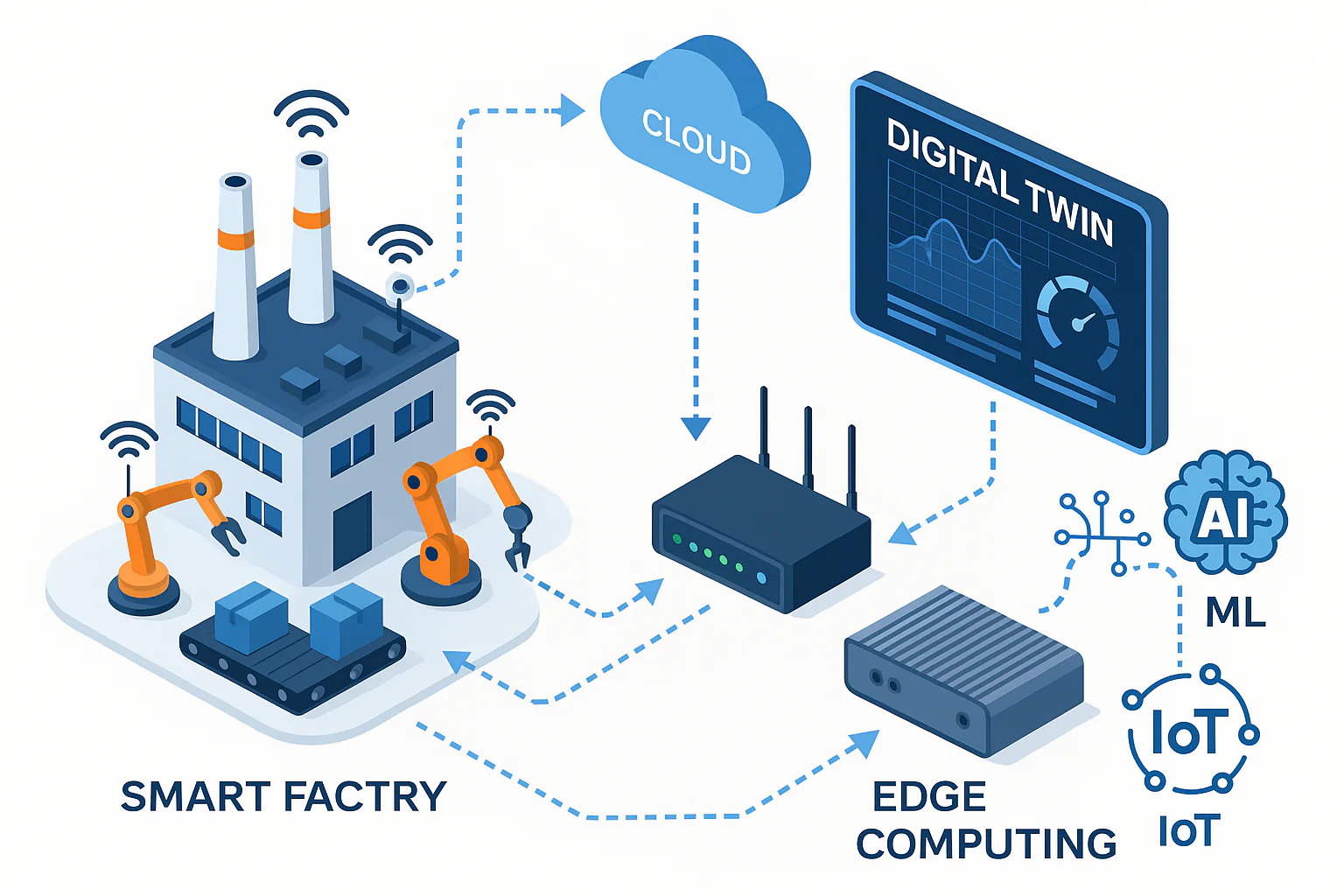
The technology behind digital twins integrates advanced technologies such as the Internet of Things (IoT), artificial intelligence (AI), and data analytics. These technologies come together to gather data from sensors installed on physical entities, which is then processed and simulated in a virtual environment. Consequently, this enables organizations to monitor, analyze, and optimize performance in ways that were previously unattainable.
The applications of digital twins are vast, spanning multiple sectors including manufacturing, healthcare, urban planning, and automotive industries. For instance, in manufacturing, digital twins can simulate production processes, enabling predictive maintenance and reducing downtime. In healthcare, they can help model patient conditions, leading to personalized treatment plans. Similarly, urban planners can use digital twins of cities to test infrastructure changes and assess the impact on traffic and the environment.
The growing interest in digital twin technology can be attributed to its capacity to drive innovation, improve decision-making, and enhance operational transparency. As industries strive for smarter and more efficient processes, the implementation of digital twins is becoming increasingly indispensable. The transition from traditional systems to this innovative approach reflects a shift towards more integrated and data-driven operational strategies, highlighting the potential for digital twins to transform the landscape of modern industry.
Digital twin technology has its roots in simulation and modeling, concepts that have been around for decades. The genesis of this innovative technology can be attributed to the early days of computer-aided design (CAD) in the 1960s and 1970s when engineers began creating virtual representations of physical systems. However, the term “digital twin” itself was first coined by Dr. Michael Grieves in 2002 during a presentation at the University of Michigan, solidifying the concept of creating a digital replica of a physical entity.
As we progressed through the 2000s, digital twin technology made significant strides, driven by advances in data analytics, IoT (Internet of Things), and cloud computing. The emergence of these technologies paved the way for real-time data collection and monitoring, allowing for more accurate simulations and predictive modeling. For instance, NASA began applying digital twin models for spacecraft, enabling engineers to simulate various scenarios and predict performance issues before they occurred, thereby ensuring mission success.
By the 2010s, industries such as manufacturing, healthcare, and urban planning began to recognize the potential of digital twins to transform their operational processes. Manufacturing industries adopted digital twins for process optimization and predictive maintenance, enabling a shift towards smarter production systems. In healthcare, the technology was utilized to create personalized medicine approaches by analyzing patient data through digital replicas of biological systems.
Today, as we continue into the 2020s, digital twin technology has burgeoned, evolving from basic models into sophisticated simulations capable of learning and adapting through machine learning. Industries such as automotive, aerospace, and energy are leveraging these advancements to monitor asset health, forecast failures, and enhance overall decision-making. The historical progression of digital twin technology reflects its dynamic nature, continually evolving to meet the complex demands of various sectors.
Core Components of Digital Twins
Digital twins represent a groundbreaking evolution in industrial technology, characterized by several core components working in unison to create a dynamic digital representation of physical assets. At the heart of this integration lies data acquisition, which involves collecting data from various sources such as IoT devices and sensors. These devices are critical as they capture real-time information about the physical environment, allowing for accurate monitoring of assets and processes.
Once data is acquired, the next key component is analytics. This stage involves processing and analyzing the collected data to extract meaningful insights. Advanced analytics techniques—such as machine learning and artificial intelligence—can be employed to identify trends, predict outcomes, and improve decision-making processes. By utilizing historical data combined with real-time inputs, industries can optimize their operations and increase efficiency.
In addition to data acquisition and analytics, modeling plays an essential role in the construction of a digital twin. This involves creating a virtual model that replicates the physical asset’s behavior under various conditions. Effective modeling ensures that the digital twin accurately mirrors the physical counterpart, enabling stakeholders to run simulations that can predict how changes in operational parameters may affect performance.
Finally, the component of simulation is crucial to the digital twin ecosystem. Through simulation, businesses can test scenarios, troubleshoot potential issues, and experiment with new configurations without impacting actual operations. This capability enhances innovation and allows companies to explore avenues for improvement safely.
In summary, the seamless integration of data acquisition, analytics, modeling, and simulation, supported by IoT devices and sensors, enables digital twins to serve as powerful tools for transforming industries. The ability to harness real-time data and generate actionable insights is paving the way for more efficient and informed operational decisions.
Applications of Digital Twins in Different Industries
Digital twin technology has fundamentally altered the operational landscape across various sectors, showcasing a myriad of applications that enhance efficiency, innovation, and decision-making. In the manufacturing industry, digital twins replicate physical assets to monitor performance in real-time. For instance, General Electric employs digital twins to simulate the performance of their jet engines, allowing predictive maintenance that saves substantial costs and downtime.
Furthermore, in the healthcare sector, digital twins have been creating significant advancements in personalized medicine. Hospitals can develop patient-specific models that simulate treatment outcomes based on individual physiology, thereby optimizing therapeutic strategies. By utilizing this technology, the Cleveland Clinic has improved surgical outcomes through exploration of surgical procedures in a controlled, virtual environment without compromising patient safety.
Similarly, the energy sector benefits greatly from digital twin technology. Companies like Siemens create digital versions of power plants, enabling operators to analyze and optimize energy production while minimizing operational risks. This approach allows for effective management of resources, reducing waste and enhancing energy efficiency significantly.
In the construction industry, digital twins facilitate project management by improving collaboration and communication among stakeholders. By leveraging platforms such as Autodesk, construction teams can visualize projects with real-time data integration. This not only streamlines project workflows but also helps in early identification of potential issues, leading to reduced costs and faster completion times.
The diverse applications of digital twin technology highlight its transformative impact across industries. As more sectors begin to recognize and harness these capabilities, a future rich with operational excellence and innovation appears increasingly attainable.
Benefits of Implementing Digital Twins
Businesses across various industries are increasingly adopting digital twins, a technology that creates virtual replicas of physical assets, processes, or systems. The implementation of digital twin technology offers numerous benefits that can significantly enhance operational efficiency and drive innovation.
One of the primary advantages of utilizing digital twins is the optimization of operations. By continuously monitoring and analyzing real-time data from physical entities, organizations can identify inefficiencies and implement improvements. For instance, in manufacturing, digital twins enable facilities to fine-tune production processes, resulting in increased output and reduced downtime.
Predictive maintenance is another critical benefit associated with digital twins. By analyzing historical and real-time data, companies can foresee potential equipment failures before they occur, allowing for timely interventions. This proactive approach to maintenance reduces unexpected costs and extends the lifespan of machinery, ultimately translating into significant savings.
Furthermore, leveraging digital twins allows for improved product design and development. Organizations can simulate the performance of new products in a virtual environment, accelerating the design process and minimizing risks associated with product launch. Automotive and aerospace industries have successfully utilized this technology to optimize design iterations, resulting in enhanced product quality and safety.
Additionally, digital twins play a vital role in enhancing customer experiences. By analyzing user interactions and preferences through a digital twin, businesses can gain insights that drive personalized services and products. Case studies, such as those from leading retail brands, demonstrate how attention to customer behavior through digital twins leads to increased satisfaction and loyalty.
In conclusion, the implementation of digital twins presents an array of advantages including optimized operations, predictive maintenance, enhanced product design, and improved customer experiences. As industries continue to evolve, the strategic adoption of digital twin technology will likely remain a key factor in maintaining a competitive edge.
Challenges and Limitations of Digital Twins
The implementation of digital twins in industry has ushered in numerous advantages, yet it is not without its challenges and limitations. One significant concern is data security. As digital twins rely heavily on real-time data collection and analysis from physical assets, this increased reliance makes them vulnerable to cyber threats. Ensuring the protection of sensitive data becomes paramount, especially when proprietary information is transmitting over networks. As a result, businesses must invest in robust cybersecurity measures and protocols to safeguard their digital twins from potential attacks.
Another challenge is the complexity of integrating digital twin technology with existing systems. Many organizations operate with legacy systems that may not be compatible with modern digital twin solutions. The integration process often requires significant time, resources, and expertise, which can be daunting for companies not well-versed in the latest technology. In addition, proper integration of digital twin solutions is crucial, as any misalignment could lead to data inconsistencies, resulting in faulty models that fail to represent the physical entities accurately.
Moreover, data accuracy and maintenance are critical components to consider when deploying digital twins. The efficacy of a digital twin largely depends on the quality of the data fed into it. Inaccurate or outdated information can distort the simulations and lead to misinformed decisions. Continuous data calibration and maintenance tasks can be resource-intensive, requiring dedicated personnel and time to ensure that the models evolve alongside their physical counterparts. Organizations must acknowledge these factors as they develop their digital twin strategies, addressing these challenges to harness their full potential.
The Future of Digital Twins in Industry
As industries continue to evolve with increased technological capabilities, digital twins are poised to play a significant role in shaping the future of industrial processes. Digital twins, which are virtual replicas of physical systems, will increasingly harness the power of advanced analytics, artificial intelligence (AI), and the Internet of Things (IoT) to enhance operational efficiency and productivity.
In the coming years, emerging technologies such as edge computing and 5G connectivity are expected to further enable the development of digital twins. Edge computing allows data to be processed closer to the source, thereby reducing latency and facilitating real-time analysis. This will be especially beneficial for industries that require immediate decision-making based on dynamic real-world conditions. By combining edge computing with robust digital twin models, organizations can anticipate issues before they arise, allowing for proactive maintenance and improved resource allocation.
Moreover, the integration of machine learning algorithms into digital twin frameworks will advance predictive analytics capabilities. Industrial sectors, ranging from manufacturing to healthcare, will leverage digital twins to simulate various scenarios, optimizing production schedules, reducing downtime, and improving overall quality control. These advancements will not only streamline operations but will also lead to cost savings and enhanced competitiveness.
Collaboration in the digital ecosystem will also drive the expansion of use cases for digital twins. As industries share data and insights, new applications will emerge, demonstrating the versatility of digital twins across various sectors. The potential for cross-industry collaborations could unlock innovative solutions that harness the unique strengths of each domain. Ultimately, as digital twin technology continues to innovate, its impact on industries will deepen, reshaping how organizations approach complex processes and decision-making.
Digital Twins vs. Traditional Models
The evolution of industrial practices has led to the emergence of digital twins, which stand in contrast to traditional modeling techniques. Traditional models typically rely on static data and pre-defined assumptions, integrating historical observations to forecast future performance. This reliance on historical data often limits the accuracy and responsiveness of traditional methods, particularly in highly dynamic environments.
In contrast, digital twins leverage real-time data generated from sensors and IoT devices, creating a dynamic and continuously updated representation of physical assets, processes, or systems. This capability enables manufacturers and operators to monitor their assets in real-time, leading to more informed decision-making. The accuracy of digital twins is significantly enhanced as they not only consider past performance but also reflect current operational states, ready to adapt to fluctuations and unexpected changes.
Moreover, traditional models may experience delays in data processing and information dissemination, often resulting in lagged responses to critical operational changes. Digital twins eliminate this latency by facilitating seamless data transmission and analysis, thereby fostering real-time response capabilities. This responsiveness is vital in industries such as manufacturing, logistics, and healthcare, where timely insights can lead to improved efficiencies and better risk management.
With the integration of advanced analytics and machine learning, digital twins can also simulate different scenarios, allowing businesses to predict outcomes and optimize operations accordingly. Such simulations are harder to achieve with traditional models, which are often limited by their inability to incorporate real-time variables efficiently.
Through these advancements, it becomes evident that digital twins offer substantial advantages over conventional models, particularly in terms of accuracy, responsiveness, and real-time operational capabilities. This transformative technology is reshaping industry standards and practices, providing a clear pathway toward more effective and agile operational frameworks.
Conclusion: Embracing the Digital Twin Revolution
The advent of digital twin technology represents a significant shift in how industries approach design, manufacturing, and maintenance. By mirroring physical entities with their virtual counterparts, organizations can gain unprecedented insights into operational efficiencies and performance metrics. This transformative technology not only aids in predicting equipment failures but also facilitates proactive maintenance strategies, thereby reducing downtime and costs.
Furthermore, digital twins enable enhanced collaboration across departments by providing a unified view of production processes and product life cycles. With real-time data streaming from sensors and IoT devices, decision-makers can swiftly adapt to changes and optimize resource allocation. This adaptability, in turn, ensures that companies remain agile in an ever-evolving marketplace.
The impact of digital twins extends to fostering innovation. By simulating various scenarios and conducting ‘what-if’ analyses, businesses can experiment with new ideas and processes without the risks associated with physical trials. This encourages a culture of innovation, which is essential for sustaining competitive advantage in today’s fast-paced industrial landscape.
As industries continue to embrace this digital revolution, it is crucial for businesses to consider investing in digital twin technology. The benefits of increased efficiency, reduced costs, and enhanced innovation are compelling reasons for adoption. Organizations that leverage digital twins will not only enhance their operational capabilities but also position themselves strategically for future growth.
In light of these advantages, it is essential for industry leaders to assess their current technological landscape and explore the potential of integrating digital twins into their operations. The time to act is now, as the advantages of adopting digital twin technology are significant and can lead to sustainable business practices that are crucial for future success.