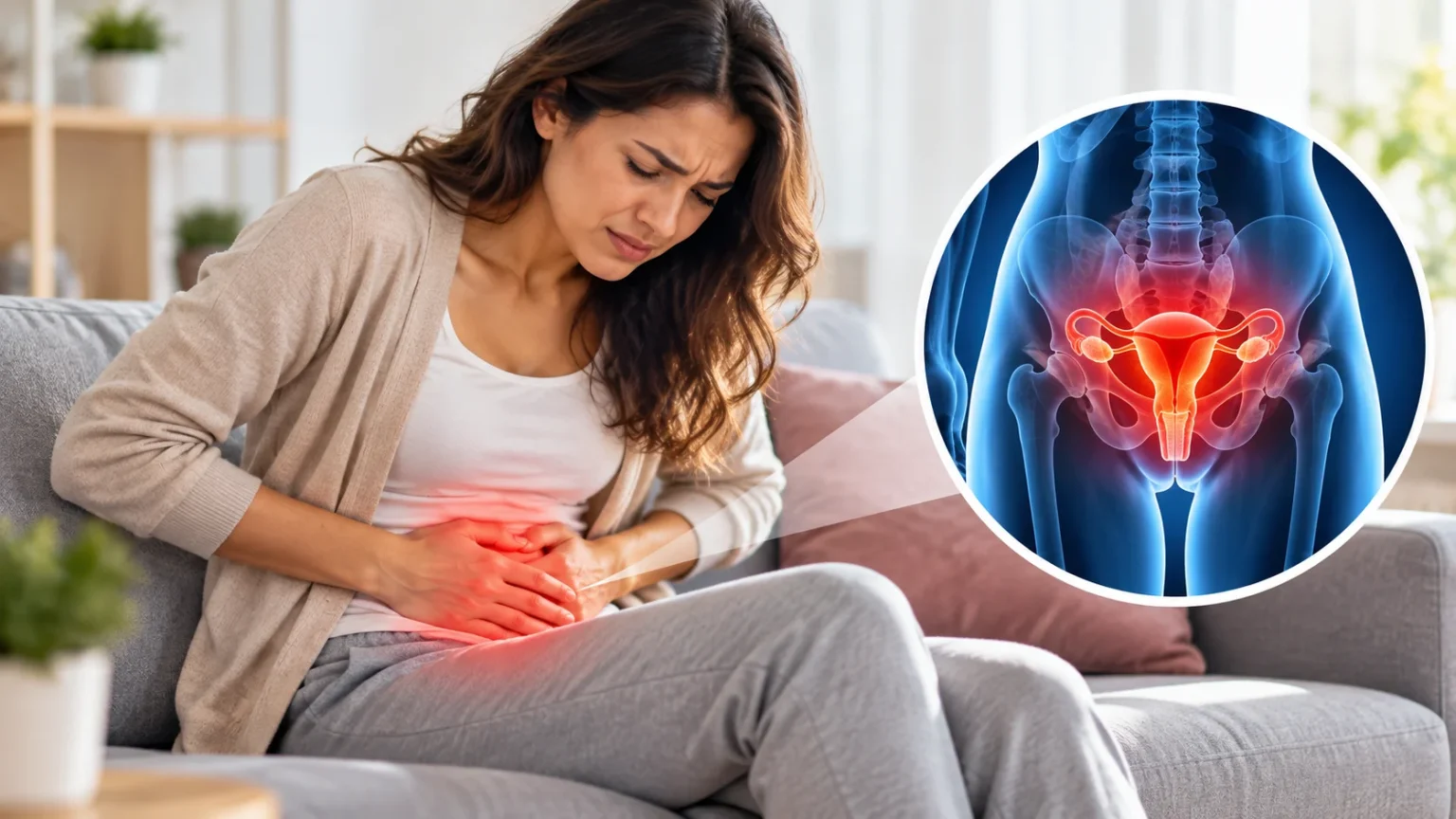

Pelvic pain is discomfort felt in the lower part of the abdomen and pelvis, generally below the belly button and between the hips. It may feel sharp, dull, aching, heavy, burning, cramping, or pressure-like depending on what is contributing to it. Some people experience pain in one specific spot, while others feel discomfort across a wider area.
Understanding where pelvic pain is located can be difficult because many muscles, joints, nerves, reproductive organs, urinary structures, and digestive organs are packed into a relatively small region. Pain may also travel into the lower back, hips, groin, thighs, or buttocks. For this reason, the exact location alone does not always identify the underlying cause.
Pelvic pain may be temporary, recurring, or persistent enough to interfere with everyday activities. It can affect walking, sitting, exercise, urination, bowel movements, sexual activity, or sleep. Knowing the main areas where pelvic pain can appear can help you describe symptoms more clearly when discussing them with a healthcare professional.
Where Is the Pelvic Area Located?
The pelvis is located in the lower portion of the torso, between the abdomen and the thighs. It includes the bony pelvic ring, muscles, connective tissues, nerves, blood vessels, and several internal organs. When someone describes pelvic pain, they are generally referring to discomfort somewhere below the belly button and around the hip and groin region.
The pelvic bones form a supportive structure that connects the spine with the lower limbs. Within this area are important organs belonging to the urinary, digestive, and reproductive systems. Pelvic floor muscles also stretch across the bottom of the pelvis and contribute to bladder control, bowel function, sexual function, and support of internal organs.
Because so many structures are located close together, pain may be difficult to pinpoint precisely. A person might describe discomfort as being deep inside the pelvis, along the lower abdomen, near the pubic bone, or toward one side. Understanding the general anatomy helps explain why pelvic pain can feel different from one person to another.
Where Is Pelvic Pain Usually Felt?
Pelvic pain is commonly felt in the lower abdomen between the hip bones. Some people feel discomfort directly above the pubic bone, while others experience pain primarily on the left or right side. The sensation may stay in one small area or spread across much of the lower abdomen and pelvic region.
Pain can also be felt deeper inside the body rather than close to the skin. Deep pelvic pain may be difficult to describe because it can feel like pressure, pulling, heaviness, aching, or cramping. Some people notice symptoms only during certain activities, while others experience discomfort even while resting.
The location may also change throughout the day depending on movement, posture, bowel or bladder activity, and other factors. Pelvic pain that begins in one area can sometimes spread toward the lower back, hips, groin, or thighs. Tracking where and when symptoms occur may help identify useful patterns.
Can Pelvic Pain Be on One Side?
Yes, pelvic pain can occur mainly on the left or right side. One-sided pain may be related to muscles, joints, nerves, reproductive structures, urinary problems, or digestive conditions. The type, intensity, duration, and accompanying symptoms provide more useful information than location alone when evaluating possible causes.
For example, pain on one side may become more noticeable during movement, exercise, sitting, or certain positions if muscles or joints are involved. Other types of one-sided discomfort may occur with digestive symptoms, urinary changes, or reproductive cycles. Because these patterns can overlap, self-diagnosis based only on location can be unreliable.
Sudden severe pain on one side deserves particular attention, especially when accompanied by fever, fainting, heavy bleeding, vomiting, or pregnancy. These combinations can sometimes indicate a condition requiring urgent medical assessment. Mild recurring discomfort should also be evaluated if it continues or interferes with normal activities.
Pelvic Pain Near the Pubic Bone
Pain around the pubic bone is usually felt at the front and lower center of the pelvis. The area may feel tender, sore, pressured, or uncomfortable during walking, standing, exercise, or changing positions. Several muscles and connective tissues attach near the pubic region, so physical strain can sometimes produce symptoms there.
Bladder-related discomfort may also be noticed behind or above the pubic bone. Some people experience pressure or pain together with urinary urgency, frequent urination, or burning. These symptoms can have several explanations, so persistent urinary discomfort should be discussed with a healthcare professional rather than treated based solely on assumptions.
Pregnancy and postpartum changes may also affect structures around the front of the pelvis. Changes in joint loading, muscle activity, and pelvic floor function can contribute to discomfort in some individuals. A clinician or physical therapist can help determine whether symptoms appear musculoskeletal or require additional medical evaluation.
Pelvic Pain in the Lower Abdomen
The lower abdomen is one of the most common places people describe pelvic discomfort. Pain may occur below the belly button and extend toward the groin or pubic region. Depending on the cause, it may feel like cramps, pressure, stabbing sensations, bloating, pulling, or a persistent dull ache.
Digestive structures in this region can contribute to symptoms, particularly when pain occurs with constipation, diarrhea, gas, bloating, or changes in bowel habits. Urinary and reproductive organs can also produce discomfort in nearby areas. This overlap explains why lower abdominal pain is not always easy to classify without considering accompanying symptoms.
The timing of symptoms can provide useful clues. Pain that appears after eating, during bowel movements, during menstruation, with urination, or during physical activity may suggest different contributing systems. Keeping notes about timing, triggers, and related symptoms can make a medical discussion more productive and specific.
Can Pelvic Pain Be Felt in the Lower Back?
Pelvic pain can sometimes occur together with discomfort in the lower back. Muscles, joints, connective tissues, and nerves of the pelvis and spine work closely together during movement and posture. Irritation or increased muscle tension in one region may therefore be experienced alongside symptoms in another.
Some people notice an aching sensation across the sacrum or lower lumbar area along with pelvic pressure. Others describe pain that moves between the lower back, buttocks, hips, and groin. Sitting for long periods, lifting, exercise, or certain movements may make musculoskeletal symptoms more noticeable.
Lower back pain can have many causes unrelated to the pelvis, so the presence of both symptoms does not automatically mean one is causing the other. A healthcare professional can assess movement, neurological symptoms, urinary or bowel changes, and other factors to determine which structures may be involved.
Can Pelvic Pain Spread to the Hips and Groin?
Pelvic discomfort may extend toward the hips or groin because these areas share muscles, joints, nerves, and movement patterns. Hip flexors, adductors, abdominal muscles, and pelvic floor muscles all work around the pelvic region. Tightness, strain, or altered movement may sometimes create symptoms that seem to cross several neighboring areas.
Groin pain may feel especially difficult to distinguish from deeper pelvic pain. Some people notice symptoms when walking, climbing stairs, changing direction, or moving the hip. Others experience pain primarily while sitting or during activities that increase pressure through the pelvic floor and surrounding tissues.
Pain in nearby body regions can arise from many different structures. Just as sudden joint pain may require considering several possible sources, pelvic and groin discomfort should be evaluated according to its pattern, triggers, associated symptoms, and duration rather than location alone.
Where Is Pelvic Floor Pain Located?
Pelvic floor pain may be felt around the lower pelvis, perineum, rectum, genitals, or deep inside the pelvic region. The pelvic floor consists of muscles and connective tissues that support important organs and help control bladder and bowel function. These muscles can become tense, painful, weak, or poorly coordinated.
People with pelvic floor muscle discomfort may experience pressure, aching, burning, or a sensation of tightness. Symptoms can sometimes become more noticeable during sitting, urination, bowel movements, exercise, or sexual activity. In some cases, discomfort may spread toward the hips, tailbone, abdomen, or lower back.
Pelvic floor pain cannot always be identified simply by pressing on the abdomen. Because many of these muscles are located deeper within the pelvis, evaluation may require a clinician with appropriate training. Pelvic health physical therapists are among the professionals who may assess muscle function when pelvic floor involvement is suspected.
How Pelvic Pain Can Affect Daily Activities
Pelvic pain can interfere with ordinary activities even when the discomfort is not constant. Sitting at a desk, driving, walking, exercising, lifting, or standing for long periods may become uncomfortable. People may begin changing their posture or movement patterns to avoid pain, which can sometimes create additional muscle tension elsewhere.
Sleep may also be affected when certain positions increase pressure or discomfort. Poor sleep can make pain feel harder to manage during the day and may contribute to fatigue or difficulty concentrating. Finding comfortable positions and discussing persistent sleep-disrupting pain with a healthcare professional can be an important part of symptom management.
Pain can also influence emotional well-being and confidence around activity. People may avoid exercise, travel, social events, or other activities because they are uncertain when symptoms will appear. Appropriate evaluation can help clarify possible contributors and provide a more structured approach to returning to normal daily routines.
How Pelvic Pain Can Affect Bladder and Bowel Function
Some types of pelvic pain occur alongside urinary symptoms. These may include urgency, frequent urination, discomfort while urinating, difficulty starting the stream, or a feeling that the bladder has not completely emptied. Pelvic floor muscle tension and several urinary conditions can produce overlapping symptoms, so accurate evaluation is important.
Bowel function can also be connected with pelvic discomfort. Constipation, straining, diarrhea, bloating, or pain during bowel movements may occur with certain digestive or pelvic floor problems. A person may notice increased pelvic pressure before or after using the bathroom, particularly when symptoms have been present for a longer period.
New changes in bladder or bowel control require prompt attention, particularly when combined with numbness, weakness, severe back pain, or loss of sensation around the groin. These symptoms can occasionally indicate serious neurological problems. Routine changes that persist should also be discussed with a healthcare professional.
How Pelvic Pain Can Affect Movement and Exercise
Pelvic pain may change how comfortably a person walks, bends, lifts, runs, or performs exercises. Movements requiring hip rotation, abdominal activation, or pressure through the lower body may become uncomfortable. Some people respond by reducing activity, while others continue training and unintentionally aggravate sensitive tissues.
Completely avoiding movement is not always necessary, but pushing through significant pain is not a useful strategy either. The appropriate activity level depends on the possible cause, symptom severity, and medical history. Gentle movement may be appropriate for some musculoskeletal conditions, while other causes require specific treatment before normal exercise resumes.
When pain consistently appears during a particular movement, note exactly what triggers it. Information such as whether symptoms occur during squats, running, sitting, stretching, or after exercise can help a physical therapist or clinician understand the pattern. This approach is more useful than simply describing the problem as general pelvic pain.
How Pelvic Pain Can Affect Sexual Activity
Pelvic pain may occur before, during, or after sexual activity. Some people experience discomfort near the entrance of the vagina, penis, perineum, or external tissues, while others feel deeper pain inside the pelvis. Muscle tension, irritation, hormonal changes, infections, reproductive conditions, and several other factors may contribute.
Pain during sexual activity should not automatically be dismissed as normal, particularly when it is recurring or becoming more severe. A healthcare professional can help assess whether symptoms may involve pelvic floor muscles, reproductive structures, urinary conditions, or another source. Providing details about the location and timing of pain can assist with evaluation.
Pelvic pain can also affect intimacy indirectly by creating anxiety about triggering symptoms. Open communication with a partner and appropriate professional care may reduce uncertainty. Treatment depends on the underlying contributor and may include medical care, pelvic floor rehabilitation, changes in activity, or other individualized approaches.
Common Conditions Associated With Pelvic Pain
Pelvic pain can be associated with a wide range of conditions, including muscle strain, pelvic floor dysfunction, urinary tract problems, digestive disorders, reproductive conditions, and nerve irritation. In women, menstrual-related conditions, ovarian problems, endometriosis, or pregnancy-related issues may sometimes contribute to pelvic symptoms.
Men can also experience pelvic pain related to muscles, urinary structures, prostate conditions, nerves, or digestive problems. Chronic pelvic pain can affect people of different ages and sexes, and symptoms may involve more than one system at the same time. This is why a thorough assessment is often more useful than focusing on one possible diagnosis.
Sometimes tests do not reveal a single obvious structural cause, particularly when pain has become persistent. Muscles, nerves, stress responses, movement patterns, and pain sensitivity may all contribute. An individualized treatment approach can address these factors instead of assuming that persistent pain must always come from visible tissue damage.
When Pelvic Pain Needs Medical Attention
Sudden, severe, or rapidly worsening pelvic pain should be taken seriously. Seek urgent medical attention when pain occurs with heavy bleeding, fainting, severe dizziness, high fever, persistent vomiting, or a rigid and extremely tender abdomen. Severe pain during pregnancy also requires prompt medical evaluation.
Emergency assessment is especially important if pelvic or lower back pain appears with new leg weakness, numbness around the groin, or loss of bladder or bowel control. These neurological symptoms can indicate a serious problem requiring immediate treatment. Waiting to see whether such symptoms resolve on their own may delay necessary care.
Less severe pelvic pain should still be evaluated when it repeatedly returns, lasts for weeks, affects sleep, or limits work, exercise, urination, bowel movements, or sexual activity. Early evaluation can help identify possible contributors and provide appropriate treatment rather than allowing symptoms to continue without explanation.
Conclusion
So, where is pelvic pain located? It is usually felt below the belly button and between the hips, but discomfort can appear in the lower abdomen, pubic area, groin, pelvic floor, lower back, hips, or nearby regions. The exact location and sensation vary depending on which muscles, organs, joints, nerves, or tissues are involved.
Pelvic pain can also affect much more than one physical location. It may influence movement, sitting, exercise, bladder and bowel function, sexual activity, sleep, and everyday comfort. Tracking where symptoms occur, what triggers them, and which other symptoms appear can provide useful information during a professional evaluation.
Because many conditions can produce similar symptoms, location alone cannot provide a reliable diagnosis. Persistent, worsening, or unusual pelvic pain deserves medical attention, while severe pain with neurological changes, heavy bleeding, fever, fainting, or pregnancy-related concerns may require urgent assessment. A qualified healthcare professional can help determine the most appropriate next steps.
FAQs About Pelvic Pain Location
Where exactly is pelvic pain felt?
Pelvic pain is usually felt below the belly button and between the hips. It may appear centrally, on one side, near the pubic bone, in the groin, or deeper inside the pelvis.
Can pelvic pain be felt in the back?
Yes. Some people experience pelvic pain together with lower back, sacral, hip, or buttock discomfort. Shared muscles, joints, and nerves can make symptoms appear across several nearby regions.
Is pelvic pain always related to reproductive organs?
No. Pelvic pain can come from muscles, joints, nerves, the urinary system, digestive organs, pelvic floor structures, or reproductive organs. The underlying cause depends on the overall symptom pattern.
What does pelvic floor pain feel like?
Pelvic floor pain may feel like pressure, burning, aching, tightness, or deep discomfort around the pelvis, perineum, rectum, or genital region. Symptoms may worsen during sitting, bowel movements, or sexual activity.
When should I worry about pelvic pain?
Seek prompt medical care for severe or worsening pain, heavy bleeding, fever, fainting, pregnancy-related pain, persistent vomiting, numbness, weakness, or loss of bladder or bowel control.