
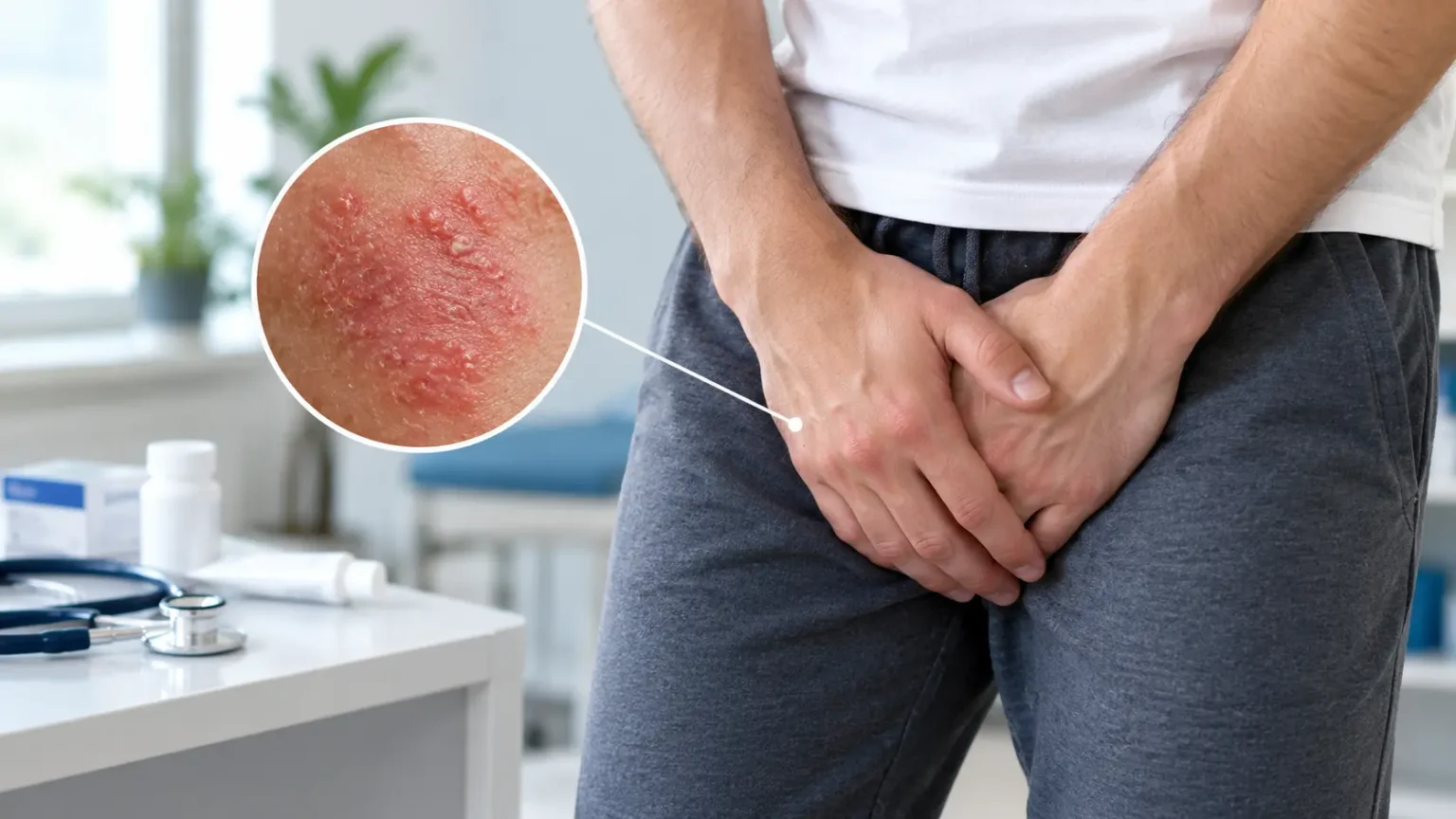

Penis Rash: Common Causes, Symptoms & Treatment
A penis rash can be uncomfortable, worrying, and sometimes difficult to interpret because many different conditions can cause redness, itching, bumps, dryness, or irritation in the genital area. Some rashes develop after something as simple as friction, sweating, shaving, or exposure to a new soap, while others may be related to fungal infections, inflammatory skin conditions, or sexually transmitted infections. The appearance of a rash alone usually cannot confirm its cause because several conditions can look similar. Paying attention to symptoms such as pain, itching, discharge, sores, swelling, and how quickly the rash developed can provide useful clues. Most mild irritation improves once the trigger is removed, but persistent or unusual symptoms deserve medical attention. Understanding the common causes of penile rash can help you respond calmly and appropriately.
A rash on the penis is not automatically a sexually transmitted infection, and assuming that it is can create unnecessary anxiety. At the same time, certain sexually transmitted infections can cause genital sores, blisters, ulcers, bumps, or irritation, so sexual health should be considered when relevant. Skin conditions such as eczema, psoriasis, contact dermatitis, balanitis, and yeast infections are also frequent possibilities. Treatment depends entirely on the underlying cause, which means using random antifungal, steroid, or antibiotic creams may sometimes make the problem worse. Gentle hygiene and avoiding suspected irritants are reasonable first steps for mild symptoms, but diagnosis becomes more important when the rash persists. Knowing what signs require professional evaluation is especially helpful because genital skin is sensitive and can react strongly to inappropriate treatment.
What Does a Penis Rash Look and Feel Like?
A penis rash can appear in several ways depending on its cause, and there is no single appearance that defines every case. Some people notice diffuse redness across the head or shaft, while others develop small bumps, dry patches, flaky skin, or localized irritated areas. The skin may look shiny, swollen, cracked, rough, or more sensitive than usual. Color changes can also vary according to natural skin tone, making some rashes appear red, pink, purple, brown, or darker than surrounding skin. A rash may remain limited to the penis or extend toward the foreskin, groin, scrotum, or nearby skin. Because appearance varies so widely, symptoms and recent exposures are often just as important as color or shape.
Itching is one of the most common sensations associated with genital irritation, although not every penile rash itches. Some conditions produce burning, stinging, tenderness, or pain instead, particularly when the skin becomes inflamed or cracked. Discomfort may become more noticeable during urination, walking, exercise, or when clothing rubs against the affected area. A person may also notice increased sensitivity after washing or using personal-care products. Severe pain is less typical of simple contact irritation and can suggest that something else is occurring. Paying attention to how the rash feels and what makes it better or worse can help distinguish irritation from infection. Symptoms that intensify rapidly should be assessed rather than repeatedly treated with different home remedies.
Bumps on the penis can also be mistaken for a rash even when they are normal anatomical features. Pearly penile papules, visible sebaceous glands, and Fordyce spots are examples of harmless variations that can appear as small, stable bumps without causing infection. These typically remain similar over time and do not suddenly become painful, ulcerated, or intensely itchy. A newly developed group of bumps, however, deserves more attention, especially if it is accompanied by discomfort, discharge, blisters, or sores. Genital warts, molluscum contagiosum, folliculitis, and other conditions can also produce raised lesions. Because many bumps look similar to an untrained eye, self-diagnosis based only on photographs can be unreliable. A clinician can usually provide a more accurate assessment when the cause is unclear.
Discharge is another symptom that changes how a penile rash should be evaluated. Irritated skin alone does not usually cause urethral discharge, so fluid coming directly from the urinary opening may point toward urethritis or another infection. Discharge beneath the foreskin can occur with balanitis, especially when moisture, microorganisms, or inflammation accumulate in that area. An unpleasant odor may also accompany certain infections or poor ventilation under a tight foreskin. Burning during urination, pelvic discomfort, or recent sexual exposure may provide additional clues. These symptoms should not be ignored simply because a rash is also present. Testing may be required to identify whether bacteria, fungi, or sexually transmitted organisms are involved and determine appropriate treatment.
The timing of symptoms can be surprisingly useful when working out what caused a rash. Irritation that begins shortly after using a new soap, lubricant, condom, laundry detergent, or grooming product may suggest contact dermatitis. A rash that develops after heavy sweating, prolonged moisture, or antibiotic use may make fungal overgrowth more plausible. Painful blisters or ulcers after a potential sexual exposure raise different concerns and should be evaluated promptly. Recurrent patches in the same location may point toward an inflammatory skin condition or another recurring problem. Keeping track of what changed before the rash appeared can help a healthcare professional narrow the possibilities. Even so, timing alone cannot confirm a diagnosis, so persistent or concerning symptoms still deserve examination.
Common Causes of a Rash on the Penis
Contact dermatitis is one of the simplest and most common explanations for new genital redness or itching. The delicate skin of the penis can react to fragrances, soaps, body washes, lubricants, condoms, detergents, fabric softeners, topical medications, or other substances. Irritant dermatitis occurs when something directly damages or dries the skin, while allergic contact dermatitis involves an immune reaction to a particular ingredient. Symptoms may include redness, burning, itching, dryness, and mild swelling rather than deep sores or significant discharge. Removing the suspected trigger often allows the skin to improve gradually. Fragrance-free products and gentle washing can reduce additional irritation during recovery. Persistent inflammation may need medical assessment because fungal infections and other conditions can resemble dermatitis.
Friction and moisture can also produce a rash without an underlying infection. Vigorous sexual activity, masturbation, exercise, cycling, tight clothing, or repeated rubbing may irritate genital skin and cause temporary redness or tenderness. Sweat trapped in warm areas can further soften the skin and make it more vulnerable to inflammation. Shaving adds another possible source of irritation because razors can create small abrasions and inflamed hair follicles. Friction-related rashes often improve when the area is given time to recover and additional rubbing is avoided. Loose, breathable clothing can make the skin more comfortable while it heals. However, open sores, significant swelling, persistent pain, or symptoms that do not settle should not automatically be blamed on friction.
Balanitis refers to inflammation of the glans, or head of the penis, and it is a common reason for penile redness and discomfort. When inflammation affects both the glans and foreskin, it may be referred to as balanoposthitis. Causes include irritation, poor hygiene, excessive washing, fungal overgrowth, bacterial infection, certain skin diseases, and underlying medical conditions. Symptoms may include redness, itching, tenderness, swelling, unpleasant odor, or discharge beneath the foreskin. People who are uncircumcised may be more susceptible because moisture and secretions can collect under the foreskin if the area is difficult to clean or dry. Recurrent balanitis deserves evaluation because diabetes and other contributing factors may occasionally be involved. Treatment depends on the actual cause rather than balanitis being one single disease.
Fungal infections are another common cause of genital irritation, particularly yeast overgrowth involving Candida species. Candida normally lives on human skin and mucosal surfaces but can multiply under warm, moist conditions or when the local environment changes. Antibiotic use, uncontrolled blood sugar, compromised immunity, and prolonged moisture may increase susceptibility in some people. Symptoms can include itching, burning, redness, soreness, and small irritated patches around the glans or foreskin. A partner with a yeast infection does not automatically mean transmission has occurred because Candida is not classified in the same way as typical sexually transmitted infections. Antifungal treatment may help when yeast is truly responsible. Using antifungal creams without a reasonable diagnosis, however, can delay recognition of dermatitis, psoriasis, or another condition.
Several chronic skin conditions can also involve genital tissue and sometimes look different there than they do elsewhere on the body. Psoriasis may produce smooth, red or discolored patches with less scaling than is typically seen on elbows or knees. Eczema can cause itching, dryness, inflammation, and sensitivity, while lichen sclerosus may produce pale, fragile, or tightened areas of skin that require medical attention. Lichen planus and other inflammatory disorders can also affect the penis. A history of similar rashes on other parts of the body may help clinicians recognize the pattern. These conditions are not caused by poor hygiene or sexual activity. Because genital skin is highly sensitive, treatment strength and medication choice should be guided carefully rather than copied from treatments used on thicker skin elsewhere.
Can Sexually Transmitted Infections Cause a Penis Rash?
Sexually transmitted infections can cause penile skin changes, although not every genital rash is related to an STI. Herpes, syphilis, genital warts caused by certain human papillomavirus types, and other infections may produce visible lesions in or around the genital area. Gonorrhea and chlamydia more commonly cause urethral symptoms such as discharge or burning rather than a classic external skin rash, although symptoms vary. Some infections produce no obvious signs at all, which means appearance alone cannot rule an STI in or out. Recent unprotected sexual contact or a new sexual partner may increase the importance of testing. When there is a realistic possibility of exposure, professional evaluation is more reliable than trying to diagnose the rash solely by comparing images online.
Genital herpes commonly causes painful or sensitive blisters and sores, although first episodes and recurrent outbreaks can look different. Some people notice tingling, itching, or burning before visible lesions appear, while others experience very mild symptoms that are mistaken for shaving irritation or pimples. Blisters can break and leave shallow ulcers before gradually healing. Herpes can also be present without obvious lesions because viral shedding may occur between recognizable outbreaks. A clinician may use examination and laboratory testing when active lesions are present. Antiviral medicines can reduce symptoms and help manage outbreaks, although they do not remove the virus from the body. Anyone with new painful genital sores should avoid sexual contact until the cause has been evaluated and the area has healed appropriately.
Syphilis can also cause genital lesions, particularly during its early stages. The initial sore is often described as firm and painless, which means people may overlook it if it appears in a less visible area. The sore can disappear without treatment even though the infection remains in the body and may later progress to other stages. A later syphilis rash can affect multiple areas of the body rather than remaining limited to the penis. Because symptoms can resolve temporarily, relying on appearance or spontaneous healing can lead to missed diagnosis. Blood testing and appropriate clinical evaluation are important when exposure is possible. Syphilis is treatable with appropriate antibiotics, and early diagnosis also reduces the risk of transmitting the infection to others.
Genital warts are caused by certain types of human papillomavirus and usually appear as flesh-colored, pinkish, or slightly darker raised growths. They may be isolated or appear in clusters, and some have a rough or cauliflower-like surface. Warts are often painless, although they may become irritated depending on their location or friction from clothing. Not every bump on the penis is a wart because normal glands, pearly penile papules, folliculitis, and molluscum contagiosum can create superficially similar appearances. Attempting to burn or remove genital bumps with standard over-the-counter wart treatments can seriously irritate genital tissue. Products intended for common hand or foot warts should not be applied to the penis unless specifically directed by a clinician. Accurate diagnosis should come before destructive treatment.
STI testing is especially worth considering when a new rash is accompanied by ulcers, blisters, genital discharge, painful urination, swollen lymph nodes, or known sexual exposure. Testing may involve urine, blood, or swab samples depending on the symptoms and suspected infection. Even when testing is eventually negative, evaluation can provide reassurance and identify non-STI causes such as dermatitis or balanitis. Until a contagious condition has been excluded, avoiding sexual contact can reduce the possibility of transmitting an infection or further irritating damaged skin. Barrier protection lowers the risk of many infections but does not prevent every skin-to-skin STI. Open communication with partners can also support appropriate testing when needed. Prompt evaluation is generally more useful than repeatedly applying creams that could alter the appearance of the rash.
How a Penis Rash Is Diagnosed
Diagnosis usually begins with a conversation about when the rash started and what was happening before it appeared. A healthcare professional may ask about new soaps, lubricants, condoms, laundry products, medications, shaving, exercise, sweating, or sexual activity. They may also ask whether the rash is painful, itchy, recurrent, spreading, or associated with discharge. Information about fever, painful urination, sores, swollen glands, or recent antibiotic treatment can provide additional clues. Medical history matters because diabetes, immune problems, and chronic skin conditions can increase the likelihood of certain causes. The aim of these questions is not to make assumptions about sexual behavior but to distinguish between several conditions that can appear surprisingly similar.
A physical examination is often enough to identify straightforward irritation, balanitis, or a familiar chronic skin condition. Clinicians look at the location, borders, texture, color, surface changes, and whether blisters, ulcers, scaling, or discharge are present. They may examine the surrounding groin and nearby skin because infections and inflammatory conditions do not always remain confined to the penis. When a person has a foreskin, the clinician may also assess whether it retracts comfortably and whether significant inflammation is present underneath. Examination is generally brief and focused on medical findings. Photographs can occasionally be useful for tracking a recurring rash, but an in-person examination may reveal texture and other features that photographs cannot capture. Diagnosis becomes especially important before stronger prescription creams are started.
Laboratory testing may be recommended when infection is suspected or the diagnosis is uncertain. Swabs can sometimes test material from ulcers, blisters, discharge, or inflamed areas, depending on the suspected condition. Urine tests may be used for some sexually transmitted infections, while blood tests can identify infections such as syphilis and evaluate other health factors when appropriate. Recurrent yeast infections or balanitis may lead clinicians to consider checking blood glucose because elevated blood sugar can promote fungal growth. Not every penile rash requires extensive testing, especially when the cause is clearly linked to a short-lived irritant. Testing is most useful when the result will meaningfully change treatment. The exact approach depends on symptoms, examination findings, medical history, and sexual exposure.
Some persistent genital rashes require dermatologic assessment because inflammatory skin disorders can mimic infection. A dermatologist may consider conditions such as psoriasis, lichen planus, eczema, lichen sclerosus, or less common disorders affecting genital skin. Occasionally, a small skin sample or biopsy may be recommended when an area is persistent, unusual, thickened, ulcerated, or otherwise difficult to diagnose. The purpose is to identify the tissue pattern rather than assuming every longstanding rash is infection-related. Most genital rashes are not cancer, but persistent nonhealing lesions should still be examined because early assessment is sensible. Seeking medical advice does not mean something serious is expected. It simply allows uncommon but important causes to be ruled out while appropriate treatment is selected.
Self-diagnosis becomes particularly unreliable when several treatments have already been applied. Steroid creams can temporarily reduce redness while worsening certain infections, and antifungal creams can irritate skin that was not infected in the first place. Antibiotic ointments may also trigger contact dermatitis in some people, creating a new rash on top of the original problem. Repeated treatment can therefore change the appearance enough to make diagnosis more difficult. If a rash is not clearly improving after basic irritant avoidance, adding more products is not always the best next step. Keeping the area clean with gentle methods and obtaining an assessment can be more useful. Bringing a list of recently used creams, medications, and personal-care products can help the clinician understand what may be influencing the skin.
Penis Rash Treatment and Home Care
Treatment for a penis rash depends on the cause, which is why there is no single cream that works for every case. Mild irritant dermatitis often improves when the trigger is removed and the skin is allowed to recover. Washing with lukewarm water and avoiding strongly fragranced soaps, deodorants, antiseptics, or harsh scrubbing can reduce further irritation. After washing, the area should be dried gently rather than rubbed aggressively with a towel. Loose, breathable underwear can reduce friction and moisture while inflamed skin heals. Sexual activity and masturbation may need to be limited temporarily if they increase pain or irritation. These simple measures are often reasonable for mild recent irritation, but they should not replace evaluation when the rash is persistent, severe, or associated with concerning symptoms.
Antifungal medicines may be recommended when Candida or another fungal problem is genuinely responsible for the rash. Topical antifungal creams are commonly used for uncomplicated genital yeast infections, while treatment may differ for recurrent or extensive disease. Symptoms should begin to improve with appropriate therapy, although complete skin recovery can take longer than the initial reduction in itching. Repeated yeast-like symptoms deserve assessment because dermatitis, psoriasis, and other conditions can be mistaken for fungal infection. Underlying factors such as uncontrolled diabetes or recent antibiotic use may also need attention. Applying antifungal medicine “just in case” every time redness appears is not ideal because unnecessary treatment can irritate sensitive skin. The diagnosis should be reconsidered if expected improvement does not occur.
Inflammatory conditions may be treated with topical corticosteroids or other prescription medicines, but genital skin requires caution because it absorbs medication readily. A steroid that is appropriate for thick skin on the hands or feet may be too strong for prolonged use on the penis. Excessive or inappropriate steroid treatment can thin the skin, change its appearance, or worsen undiagnosed infections. Clinicians therefore select the strength, duration, and frequency according to the specific condition. Chronic disorders such as psoriasis, eczema, or lichen sclerosus may require ongoing management rather than a one-time treatment. Follow-up can be useful when symptoms recur or when medication is being used repeatedly. Properly supervised topical therapy is often effective, but stronger treatment is not automatically better treatment.
Bacterial infections and certain sexually transmitted infections require treatments targeted to the organism involved. Antibiotics may be appropriate for specific bacterial causes, but they do not treat fungal infections, viral infections, or dermatitis. Genital herpes is treated with antiviral medication when indicated, while syphilis requires specific antibiotic therapy. Genital warts have several possible treatment approaches depending on location, size, number, and patient preference. This variety is another reason random self-treatment can be ineffective. A medication that helps one genital condition may have no benefit for another condition with a very similar appearance. Testing and examination help match the treatment to the actual diagnosis. When an STI is identified, partner testing or treatment may also be recommended according to the infection involved.
Good genital hygiene means keeping the area comfortably clean without repeatedly stripping or irritating the skin. People with a foreskin who can retract it comfortably can gently rinse underneath with water and dry the area before replacing the foreskin. Forceful retraction should never be attempted, especially when swelling or tightness is present. Perfumed intimate washes are usually unnecessary, and excessive cleaning can actually perpetuate inflammation. Clean underwear, moisture control, and avoiding known irritants often provide more benefit than using multiple specialized hygiene products. Condoms or lubricants may need to be changed if a particular material or ingredient appears to trigger symptoms. Healthy skin generally responds best to simple, consistent care rather than aggressive cleansing intended to make the genital area sterile.
What to Avoid When You Have a Penis Rash
One of the most important things to avoid is applying several different creams without knowing what caused the rash. Antifungals, steroids, antibiotics, anesthetic creams, essential oils, and antiseptics all have different effects on genital skin. Combining them can produce additional irritation and make it harder to tell whether the original condition is improving. Strong antiseptics are particularly unnecessary for most simple rashes and can damage already inflamed tissue. Essential oils and concentrated herbal products can also cause chemical irritation or allergic reactions despite being described as natural. When symptoms are mild, removing suspected triggers and using gentle hygiene may be safer than experimenting with numerous products. When symptoms are more significant, diagnosis should guide treatment rather than trial and error.
Avoid scratching the area even when itching is intense because scratching can create tiny breaks in the skin. Damaged skin may burn, bleed, or become vulnerable to secondary bacterial infection. Keeping fingernails short and reducing heat, sweat, and friction can make itching easier to tolerate. A cool compress applied externally for short periods may sometimes provide comfort, provided it is not excessively cold or placed directly against the skin for prolonged periods. Tight clothing can worsen irritation by trapping moisture and rubbing repeatedly against inflamed tissue. Choosing breathable underwear and changing out of sweaty clothing promptly may help. If itching is severe enough that sleep or daily activity becomes difficult, medical advice is more appropriate than repeatedly scratching or applying unverified remedies.
Sexual activity should be approached cautiously when the cause of a genital rash is unknown. Friction can worsen irritated skin, reopen healing areas, and make pain more noticeable even when the condition is not infectious. When an STI is possible, sexual contact can also expose a partner before testing or diagnosis has occurred. Condoms lower the risk of many sexually transmitted infections but may not fully cover skin lesions outside the area protected by the condom. Certain rashes can also be aggravated by latex, lubricants, or spermicides if contact sensitivity is involved. Allowing damaged skin to heal before resuming activities that cause irritation is often sensible. When a contagious infection has been diagnosed, follow the clinician’s advice about when sexual contact can safely resume.
Shaving over a rash should generally be avoided until the skin has recovered. Razor blades create microscopic cuts and can spread inflammation or infection across nearby hair follicles. Shaving creams, aftershaves, and fragranced products may add another layer of irritation to already sensitive tissue. If bumps appeared shortly after shaving, folliculitis or razor irritation may be contributing to the problem. Giving the skin a break often helps distinguish temporary grooming irritation from another condition. When grooming resumes, clean equipment and gentle technique can reduce future irritation. Persistent lumps, pus-filled lesions, spreading redness, or significant pain should be evaluated because they may require more than basic razor-burn care. Repeatedly shaving over inflamed skin usually delays recovery rather than improving appearance.
Avoid assuming that a rash is harmless simply because it is painless. Some sexually transmitted infections and inflammatory conditions can produce lesions with surprisingly little discomfort. Likewise, do not assume that severe itching proves the condition is fungal because dermatitis and other inflammatory problems can itch intensely. Internet photographs can provide general educational information but rarely offer enough detail for a reliable personal diagnosis. Different lighting, skin tones, disease stages, and camera quality can make the same condition appear dramatically different. A rash that persists, changes, ulcerates, bleeds, or repeatedly returns deserves a professional assessment. Focusing on symptom patterns and medical evaluation is more dependable than trying to find an exact visual match online.
When Should You See a Doctor About a Penis Rash?
A penile rash should be evaluated promptly when it is accompanied by severe pain, rapid swelling, fever, or difficulty urinating. These symptoms can indicate significant inflammation or infection that needs more than routine home care. Emergency assessment is particularly important if the foreskin becomes trapped behind the glans and cannot be returned to its normal position because this can impair blood flow. Likewise, sudden severe swelling associated with breathing difficulty or widespread allergic symptoms requires urgent care. Most rashes do not become emergencies, but recognizing these warning signs prevents delays when treatment matters. If symptoms are worsening quickly rather than remaining mild and stable, seeking professional assessment is safer than waiting several days to see whether an over-the-counter cream helps.
Blisters, open ulcers, or new genital sores should also prompt medical evaluation, especially after recent sexual contact. These lesions can occur with herpes, syphilis, trauma, inflammatory diseases, and other conditions that require different treatments. Some infections are easiest to test while an active lesion is still present, so delaying assessment until it completely disappears may reduce certain diagnostic opportunities. Sexual activity should generally be avoided while unexplained sores are present. If testing identifies an STI, timely treatment can reduce complications and help prevent transmission. Even if the eventual diagnosis is something noninfectious, professional evaluation can provide reassurance and more targeted management. Genital sores are therefore a symptom for which early assessment usually offers more value than prolonged self-treatment.
Persistent penile redness or itching also deserves attention when it does not improve after suspected irritants have been removed. A mild contact rash may settle relatively quickly, whereas chronic inflammation may continue because of yeast, psoriasis, eczema, lichen sclerosus, diabetes, or another underlying problem. Recurrent balanitis is particularly worth investigating rather than treating repeatedly without understanding why it returns. Healthcare professionals may review hygiene practices, medication history, skin conditions, and blood glucose depending on the circumstances. Treatment becomes more effective once contributing factors are identified. Continually cycling through antifungal and steroid creams can temporarily change symptoms without resolving the underlying issue. If the same rash keeps coming back, the recurrence itself is useful information and should be mentioned during the medical visit.
A doctor should also evaluate a lesion that changes shape, becomes persistently thickened, bleeds without an obvious reason, or refuses to heal. Most penile skin changes are benign, and cancer is much less common than irritation or infection, but persistent abnormal lesions should not simply be ignored. Early examination allows clinicians to distinguish harmless conditions from those requiring closer investigation. A biopsy is only needed in selected situations and is not automatically performed for every genital rash. People sometimes postpone care because of embarrassment, but genital skin problems are routine medical concerns for primary-care clinicians, dermatologists, and urologists. Providing an accurate history is more important than feeling that the symptoms must somehow be unusual. Earlier evaluation can also prevent months of ineffective self-treatment.
Finally, seek medical advice whenever uncertainty itself is creating significant concern. A clinician can often narrow the possibilities quickly based on appearance, symptoms, recent exposures, and a few targeted tests. This is especially valuable when the person is pregnant with a partner, immunocompromised, living with diabetes, or taking medicines that affect immunity, because infection risks and treatment choices may differ. Professional advice is also sensible before applying prescription-strength products obtained from someone else. Genital rashes are common, and many respond well once the correct cause is identified. The goal is not to assume the worst but to avoid missing conditions that need specific treatment. A persistent penis rash is usually easier to manage when diagnosis comes before repeated experimentation with medications.
Frequently Asked Questions About Penis Rash
What is the most common cause of a penis rash?
Common causes include contact irritation, friction, balanitis, fungal overgrowth, and chronic skin conditions such as eczema or psoriasis. The most likely cause depends on symptoms, recent product exposure, hygiene, sexual history, and whether the rash is new or recurrent.
Does a penis rash always mean an STI?
No, many penile rashes have nothing to do with sexually transmitted infections and are caused by irritation, allergies, fungi, or inflammatory skin conditions. However, new blisters, sores, warts, discharge, or symptoms following a possible sexual exposure should be evaluated and may require STI testing.
Can I use antifungal cream on a penis rash?
Antifungal creams may help when a fungal infection such as Candida is actually responsible for the symptoms. Using them without a clear reason can irritate the skin or delay diagnosis of dermatitis, psoriasis, an STI, or another condition, so persistent symptoms should be assessed.
How long should a penis rash take to go away?
Mild irritation may begin improving within several days after the trigger is removed, but recovery time varies greatly depending on the cause. A rash that persists, worsens, repeatedly returns, or develops sores, significant swelling, discharge, or pain should be evaluated rather than treated indefinitely at home.
How can I prevent penile irritation?
Use gentle hygiene, avoid fragranced or harsh products, keep the area dry without excessive washing, wear breathable underwear, and reduce friction when the skin feels irritated. If condoms, lubricants, detergents, or grooming products repeatedly trigger symptoms, changing the suspected product may help prevent future episodes.