
Lymphatic Drainage Massage: Benefits and What to Expect
Lymphatic drainage massage is a gentle massage technique designed to encourage the natural movement of lymph fluid through the body. Unlike deep-tissue massage, it uses light pressure, slow strokes, and specific directions that follow lymphatic pathways. People often seek it for swelling, post-surgery recovery, relaxation, or a feeling of heaviness in the body. It has become popular in wellness settings, but it is also used in certain medical situations. Understanding its purpose can help you decide whether it is right for you.
The lymphatic system is part of the body’s immune and fluid-balance network. It includes lymph nodes, lymph vessels, and organs that help transport fluid, immune cells, and waste products. Normally, the body moves lymph fluid without conscious effort. When fluid movement is disrupted, some people may experience swelling called lymphedema. Manual lymphatic drainage may be recommended by qualified professionals as part of a broader treatment plan.
Many people use the term “lymphatic massage” to describe any massage intended to reduce puffiness or promote detoxification. However, true manual lymphatic drainage is a specialized technique and should not be confused with aggressive body sculpting. The pressure should feel gentle rather than painful. Bruising, deep soreness, or forceful kneading are not expected during a proper lymphatic drainage session. The treatment focuses on skin-level movement, not deep muscle work.
The benefits of lymphatic drainage massage depend on why you are receiving it. It may be particularly helpful for medically diagnosed lymphedema, temporary swelling after some procedures, or discomfort related to fluid retention. It can also feel calming because the pace is slow and soothing. Still, it is not a cure-all treatment for weight loss, chronic illness, or toxin removal. Realistic expectations are important when considering any wellness therapy.
This article explains what lymphatic drainage massage is, its possible benefits, what to expect during treatment, and when to avoid it. It also covers common myths, safety concerns, and practical questions people often ask before booking a session. If you have a medical condition, recent surgery, unexplained swelling, or a history of cancer treatment, speak with your healthcare provider first. The right guidance can help you get the benefits safely. A qualified therapist should always adapt treatment to your individual needs.
What Is Lymphatic Drainage Massage?
Lymphatic drainage massage is a technique that uses gentle, rhythmic movements to support lymph flow. The therapist commonly begins near major lymph node areas, such as the neck, collarbone, underarms, or groin. They then use light strokes to encourage fluid movement toward these drainage points. The method is often called manual lymphatic drainage, or MLD. It is different from a typical spa massage focused on muscle tension.
The lymphatic system helps return excess fluid from body tissues to the bloodstream. It also plays an important role in immune function by transporting lymphocytes and filtering certain substances through lymph nodes. When this system is working normally, you do not usually notice it. However, surgery, radiation therapy, infection, injury, or certain health conditions can affect fluid movement. In these cases, swelling may become more noticeable and require medical attention.
A trained lymphedema therapist may use manual lymphatic drainage as one part of complete decongestive therapy. This broader approach may include compression garments, exercise, skincare, and education about reducing infection risk. Massage alone may not be enough to manage clinically significant lymphedema. Treatment plans should be individualized and monitored by a healthcare professional. This is especially important when swelling affects an arm, leg, face, chest, or genital area.
In wellness settings, lymphatic drainage massage is often marketed as a way to “detox” the body. Your kidneys, liver, lungs, skin, and digestive system already perform the body’s natural waste-removal functions. Massage does not replace these organs or flush toxins in a dramatic way. However, gentle touch may support relaxation and temporarily reduce the feeling of puffiness in some people. It is best to view it as supportive care rather than a medical detox.
A typical session may last between 30 and 90 minutes, depending on the reason for treatment and the areas being addressed. The therapist may ask about your health history, medications, recent procedures, swelling, and comfort level before beginning. You may remain partly clothed or undressed to a level appropriate for the area being treated. Communication matters throughout the session. Tell the therapist if you feel pain, dizziness, shortness of breath, or discomfort.
Potential Benefits of Lymphatic Drainage Massage
One of the most established uses of lymphatic drainage massage is helping manage lymphedema. Lymphedema can occur when lymph vessels or nodes are damaged, removed, blocked, or unable to move fluid effectively. It is sometimes seen after cancer treatment, especially surgery or radiation involving lymph nodes. Manual lymphatic drainage may help reduce discomfort and support fluid management when used with compression and other care. A certified lymphedema therapist can determine whether it is appropriate.
Some people seek lymphatic massage after cosmetic surgery, such as liposuction or body contouring procedures. Post-operative swelling is common, and surgeons may recommend specific aftercare based on the procedure. In some cases, gentle lymphatic techniques may be included in the recovery plan. However, timing is important because massaging too early or too aggressively can interfere with healing. Always follow your surgeon’s instructions instead of relying on general advice from social media.
Lymphatic drainage massage may also provide a temporary sense of relief for mild puffiness or fluid-related heaviness. People sometimes notice this in the face, ankles, hands, or legs after travel, heat exposure, or long periods of sitting. The treatment may feel soothing because it is slow, quiet, and noninvasive. Relaxation can itself be valuable when stress contributes to muscle tension and poor sleep. However, sudden or persistent swelling should always be medically assessed.
The calming nature of the technique may support stress reduction for some people. Slow touch and a peaceful environment can activate a relaxation response and help the body feel less tense. This does not mean lymphatic massage treats anxiety, depression, or trauma on its own. It can be one pleasant part of a wider self-care routine. Sleep, movement, hydration, medical care, and emotional support remain important foundations of well-being.
It is important to separate possible benefits from exaggerated claims. Lymphatic drainage massage does not melt body fat, permanently eliminate cellulite, cure autoimmune disease, or replace cancer treatment. A person may see temporary changes in swelling or feel lighter after a session, but this is not the same as long-term fat loss. Be cautious of providers who promise dramatic medical results. A trustworthy therapist will explain the limits of the treatment clearly.
What to Expect During a Lymphatic Drainage Session
Before treatment begins, a qualified massage therapist should ask about your health history and current symptoms. They may ask whether you have had surgery, cancer treatment, blood clots, heart disease, kidney disease, active infection, or unexplained swelling. These questions are important because lymphatic techniques are not safe in every situation. Be honest about your health even if you are visiting a spa rather than a medical clinic. Good screening protects both you and the therapist.
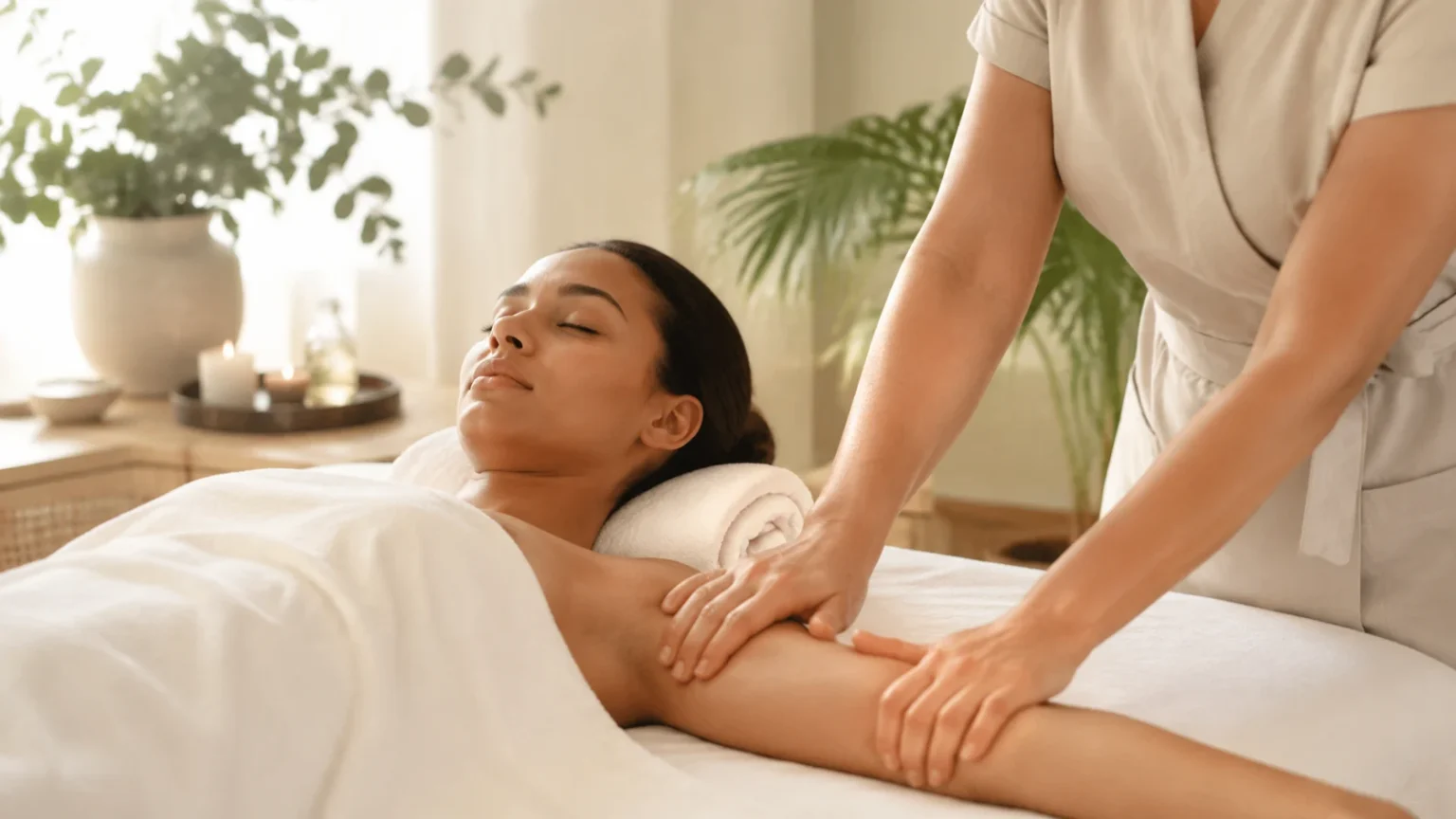
During the massage, the pressure is usually very light. The therapist may use flat hands, gentle circles, pumping motions, or soft sweeping strokes. The movements are often slow and repetitive because the goal is not to manipulate deep muscles. Some people are surprised by how subtle the massage feels. If the treatment is painful or leaves bruising, the pressure may be too strong for true lymphatic drainage.
You may feel relaxed, sleepy, or calm during and after the session. Some people notice they need to urinate more often afterward, although this can also be influenced by hydration and normal body rhythms. Others may see temporary reductions in mild puffiness. Responses vary based on the reason for treatment, your health, and the technique used. A single session may feel pleasant, but chronic swelling usually requires a longer-term medical management plan.
You do not need to drink extreme amounts of water before or after a massage. Staying normally hydrated is enough for most people unless a clinician has given you specific fluid instructions. Avoid alcohol before treatment because it can contribute to dehydration and make you feel unwell. Wear comfortable clothing and arrive ready to discuss your goals. If you are receiving post-surgical lymphatic massage, bring any recovery instructions from your surgeon.
After the session, your therapist may suggest gentle movement, compression, rest, or skincare depending on your needs. Do not assume that you need a daily session or an expensive package to receive benefits. The appropriate frequency depends on your condition and care plan. For medically diagnosed lymphedema, treatment should be guided by a clinician or certified lymphedema specialist. For relaxation, occasional sessions may be enough if they fit your budget and comfort.
Who Should Avoid Lymphatic Drainage Massage?
Lymphatic drainage massage is not appropriate for everyone. People with an active infection, fever, or untreated skin infection should avoid it until they have received medical care. Moving fluid through the body when infection is present may worsen symptoms or complicate treatment. Signs of infection can include redness, warmth, increasing pain, swelling, pus, or fever. Seek medical advice rather than booking a massage if these symptoms occur.
People with suspected or known blood clots should not receive lymphatic massage unless a medical professional specifically approves it. A blood clot can be dangerous if it moves to the lungs or other parts of the body. Sudden swelling, pain, warmth, redness, chest pain, or shortness of breath needs urgent medical evaluation. These symptoms should never be treated as ordinary water retention. Safety should always come before cosmetic or relaxation goals.
Heart failure and significant kidney disease can also require caution. These conditions affect how the body manages fluid, and additional fluid movement may not be appropriate. Anyone with serious circulation problems should ask their healthcare provider before scheduling treatment. A qualified therapist should be comfortable declining treatment when safety is uncertain. That is a sign of professional care, not a lack of skill.
People undergoing cancer treatment should speak with their oncology team before receiving lymphatic drainage massage. Massage may be helpful in some situations, especially when lymphedema is involved, but timing and technique matter. A therapist with oncology massage or lymphedema training may be the best option. Do not rely on a general spa provider for complex medical needs. Coordinated care gives you the safest experience.
Pregnancy is another situation where individualized advice is helpful. Gentle prenatal massage may be appropriate for many people, but symptoms such as sudden swelling, headache, visual changes, or high blood pressure need medical attention. Do not treat sudden pregnancy swelling as a routine cosmetic concern. Ask your prenatal care provider what is safe for your stage of pregnancy. Choose a therapist trained in prenatal care if you proceed.
How to Find a Qualified Lymphatic Drainage Therapist
Look for a therapist who has specific training in manual lymphatic drainage rather than relying only on general massage credentials. Training may include lymphedema therapy, post-operative care, oncology massage, or recognized lymphatic drainage methods. Ask directly about their education and experience with your reason for seeking treatment. A reputable provider will answer clearly and will not pressure you into unnecessary packages. They should also explain what the treatment can and cannot do.
If you have lymphedema or swelling related to cancer treatment, ask your doctor for a referral to a certified lymphedema therapist. These professionals understand compression, infection prevention, skin care, and the broader treatment needs associated with lymphatic conditions. They can work alongside your physician, surgeon, or physical therapist. This level of coordination is more important than a luxurious spa setting. Medical experience is especially valuable when your symptoms are complex.
For cosmetic or post-surgical massage, check whether the therapist has experience with your specific procedure. Ask when treatment is safe to begin and whether they will follow your surgeon’s recovery instructions. Avoid anyone who promises immediate sculpting, dramatic inch loss, or guaranteed outcomes. Swelling changes naturally during healing, and results cannot be promised by massage alone. A responsible provider will prioritize recovery and safety.
Read reviews carefully, but do not depend only on online testimonials. Look for comments about cleanliness, communication, professionalism, comfort, and whether the therapist explains the process. Reviews cannot confirm medical expertise, so also check credentials and licensing requirements in your area. Trust your instincts if a provider dismisses your questions or ignores your health history. You deserve informed, respectful care.
A good therapist will encourage you to contact a healthcare professional for unexplained swelling or concerning symptoms. They will not diagnose serious conditions or tell you to stop prescribed treatment. They should also use clean linens, clear consent practices, and appropriate draping. The best experience is one where you feel safe, heard, and physically comfortable. Choosing carefully helps you get realistic benefits without unnecessary risk.
Lymphatic Drainage Massage and Everyday Self-Care
Gentle daily movement can support circulation and overall fluid balance. Walking, stretching, light strength training, and regular changes of position can be helpful for many people. Long periods of sitting or standing may worsen the feeling of heaviness in the legs. Movement does not replace treatment for lymphedema, but it can be part of a clinician-approved care plan. Start slowly if you are recovering from surgery or managing a chronic condition.
Compression garments may be recommended for people with medically diagnosed lymphedema or certain post-surgical needs. These garments should be properly fitted and used according to professional advice. Compression is not necessary for everyone who feels bloated or puffy after a long day. Using the wrong type or pressure can be uncomfortable or unsafe. Ask a qualified clinician before purchasing compression garments for persistent swelling.
Skincare is another important part of lymphedema management. Keep the skin clean, moisturized, and protected from cuts, burns, or insect bites when possible. Even minor skin injuries can increase infection risk in areas affected by lymphedema. Report redness, warmth, fever, or sudden swelling promptly. These precautions are especially important after lymph node surgery or radiation therapy.
Balanced nutrition and normal hydration support overall health, but no specific juice, tea, or supplement can “cleanse” the lymphatic system. Be skeptical of expensive detox programs that rely on fear-based claims. Your body has highly effective systems for processing and removing waste. A varied diet, regular movement, sleep, and medical care are far more meaningful than extreme cleanses. Massage can complement healthy habits but should not replace them.
The most useful way to think about lymphatic drainage massage is as targeted support. For some people, it is part of medical lymphedema care. For others, it is a relaxing treatment that may temporarily reduce mild puffiness and promote comfort. Its value depends on your reason for using it and the qualifications of the provider. Set realistic expectations, prioritize safety, and involve your healthcare team when symptoms are persistent or medically complex.
Frequently Asked Questions
Does lymphatic drainage massage really work?
It can help manage lymphedema and certain types of medically supervised swelling when used as part of a full care plan. For wellness purposes, it may offer temporary relief from mild puffiness and promote relaxation.
Is lymphatic drainage massage painful?
No. Proper manual lymphatic drainage uses very gentle pressure and should not hurt. Pain, bruising, or aggressive kneading are not typical of this technique.
How often should you get lymphatic drainage massage?
Frequency depends on why you need it. Medical lymphedema treatment should follow a clinician’s plan, while occasional sessions may be enough for relaxation or mild temporary puffiness.
Can lymphatic massage help with weight loss?
It does not cause meaningful fat loss or replace nutrition and exercise habits. Any immediate reduction in measurements is usually related to temporary fluid changes, not lost body fat.
Who should not get lymphatic drainage massage?
Avoid it with active infection, suspected blood clots, uncontrolled heart or kidney issues, or unexplained swelling unless a healthcare professional approves it.