
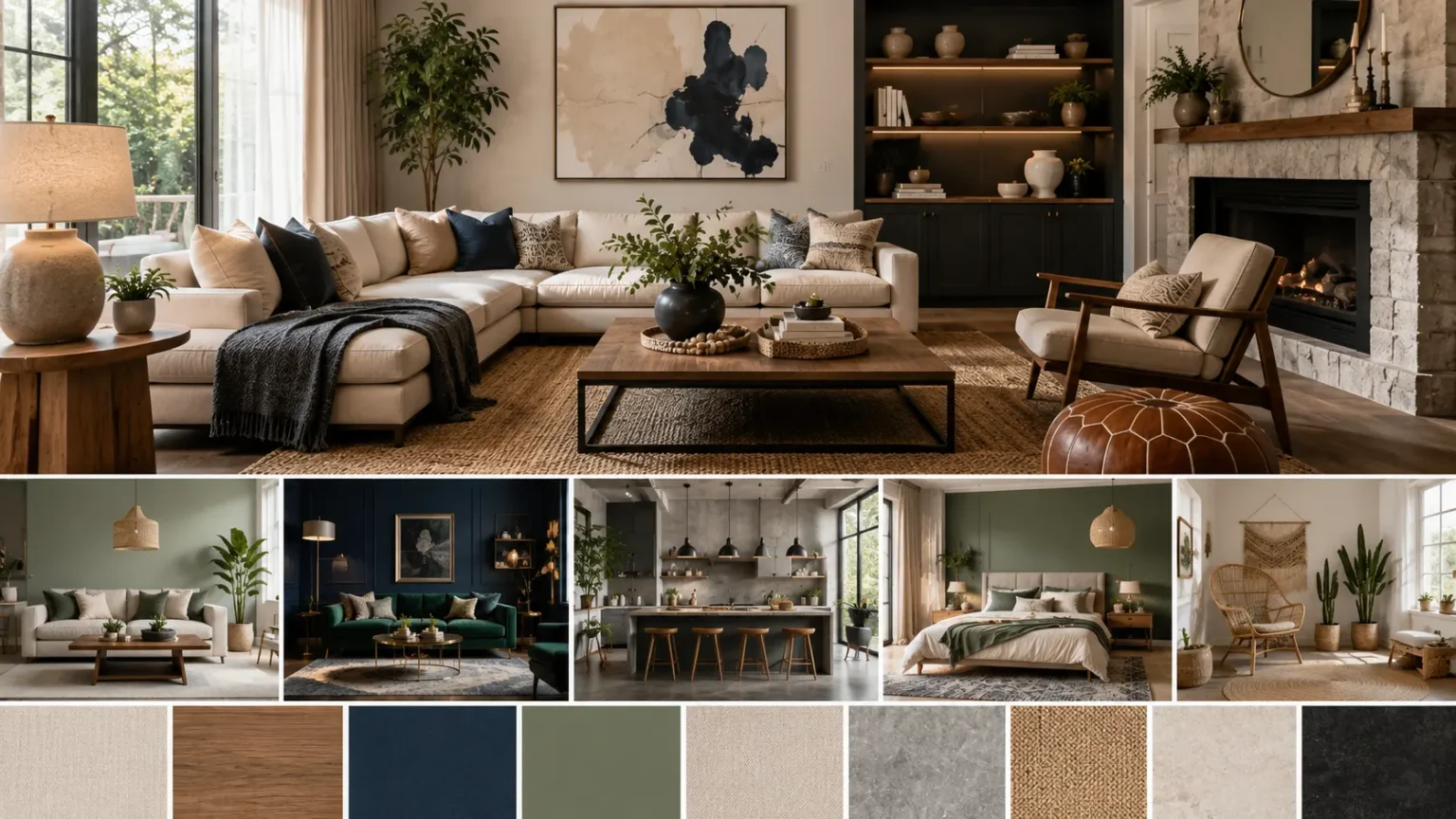

Interior Design Ideas: Styles, Tips & Expert Inspiration
The best interior design ideas do more than make a home look attractive. They create rooms that feel comfortable, practical, personal, and visually connected to the people who live there. Whether you are decorating a new home, refreshing a tired living room, or planning a complete renovation, thoughtful design choices can transform both the appearance and everyday function of your space.
Modern interiors are becoming increasingly personal rather than being designed around one rigid trend. Homeowners are mixing natural materials, warm colors, meaningful artwork, vintage pieces, practical storage, and modern furniture to create spaces with character. The goal is no longer to make every home look identical but to build an environment that feels intentionally designed around real daily life.
Good interior design also considers how a room works before focusing on decorative details. Furniture placement, lighting, storage, circulation, scale, color, and texture all influence how comfortable a space feels. Even expensive furniture can look awkward when proportions are wrong, while relatively simple pieces can feel sophisticated when they are arranged carefully within a well-balanced room.
This guide explores inspiring interior styles, practical decorating techniques, room-by-room ideas, and professional design principles that can help you make better decisions. Instead of encouraging you to copy a showroom, these home interior design ideas will help you create spaces that reflect your lifestyle while remaining functional, welcoming, and visually appealing for years.
Start With How You Want Your Home to Feel
Before choosing furniture or paint colors, think about the atmosphere you want your home to create. Some people prefer calm and relaxing interiors, while others enjoy energetic colors, dramatic contrasts, or artistic details. Identifying the emotional feeling you want from a space provides a clearer direction than simply collecting random photographs of attractive rooms.
Consider how different areas of your home need to function throughout the day. A living room may need to support conversation, television, reading, entertaining, and children’s activities, while a bedroom should encourage rest. When design decisions are connected to actual routines, rooms become easier to use rather than simply looking attractive in photographs.
Creating a simple inspiration collection can help clarify your preferences. Save images of rooms, furniture, lighting, materials, colors, and architectural details that repeatedly attract your attention. After collecting several examples, look for patterns such as warm wood, soft neutral colors, curved furniture, minimalist spaces, decorative molding, or bold artwork that reveal your natural style.
You do not need to fit your home perfectly into one interior category. Many successful interiors combine several influences, such as modern furniture with traditional architecture or Scandinavian simplicity with rustic textures. The objective is to develop a consistent visual language that reflects your personality rather than following an interior design label too strictly.
Explore Modern Interior Design Ideas
Modern interior design emphasizes clean lines, practical layouts, uncluttered spaces, and purposeful decoration. Furniture usually features simple shapes, while colors often remain neutral with carefully chosen accents. The style can work especially well in smaller homes because eliminating unnecessary visual clutter helps rooms appear calmer, brighter, and more spacious.
Natural materials can prevent modern spaces from feeling cold or impersonal. Wood furniture, stone surfaces, woven fabrics, linen curtains, wool rugs, and indoor greenery introduce texture and warmth. Combining these materials with streamlined furniture creates an environment that feels contemporary without becoming overly polished or uncomfortable.
Lighting plays an important role in modern interior design because simple spaces leave fewer decorative elements competing for attention. Sculptural pendant lights, wall sconces, floor lamps, and discreet recessed lighting can become part of the design itself. Layering several light sources also creates more flexibility than relying on one bright ceiling fixture.
Keep accessories intentional rather than filling every shelf and surface. A large artwork, beautiful ceramic piece, interesting vase, or carefully selected collection can create more impact than dozens of unrelated decorative objects. Modern design succeeds when every element appears to have enough visual space around it to be properly appreciated.
Add Warmth With Contemporary Interior Style
Contemporary interiors reflect current design preferences while remaining flexible enough to change over time. Today, many contemporary homes use warmer neutrals, curved furniture, textured fabrics, natural stone, wood finishes, and sculptural lighting. These features create sophisticated rooms that feel comfortable rather than overly formal or minimalist.
Curved shapes are particularly effective for softening rooms dominated by straight architectural lines. Rounded sofas, circular tables, arched mirrors, curved chairs, and organically shaped accessories can introduce movement. You do not need to replace every piece of furniture; even one or two rounded elements can make a rectangular room feel noticeably softer.
Texture is another essential component of contemporary decorating. Bouclé upholstery, woven rugs, linen curtains, brushed metal, stone surfaces, textured plaster, and natural wood can create visual richness without requiring strong colors. Layering different finishes allows a neutral room to remain interesting even when the overall palette is relatively restrained.
Contemporary interior decorating ideas work best when trends are balanced with timeless foundations. Major investments such as flooring, cabinetry, sofas, and dining tables should generally be selected for durability and long-term appeal. More experimental trends can be introduced through cushions, artwork, lamps, accessories, or paint that can be changed relatively easily.
Create a Calm Scandinavian-Inspired Interior
Scandinavian design is known for simplicity, comfort, light colors, natural materials, and functional furniture. It is particularly effective for homeowners who want a clean home without making it feel empty or overly minimalist. White, cream, beige, pale gray, and soft earthy tones commonly form the foundation of Scandinavian-inspired rooms.
Wood is one of the defining materials within this style. Light oak, ash, pine, and similar finishes introduce warmth while maintaining an airy appearance. Wooden floors, dining tables, shelving, sideboards, or chairs can be combined with simple fabrics and understated decoration to create an environment that feels naturally relaxed.
Comfort is just as important as visual simplicity. Soft throws, textured cushions, wool rugs, linen bedding, candles, and comfortable seating prevent minimalist layouts from becoming sterile. Scandinavian homes often demonstrate that coziness does not require excessive decoration when materials, lighting, and furniture have been carefully selected.
Keep storage practical so everyday objects do not overwhelm the space. Closed cabinets can hide clutter while open shelves display a smaller selection of useful or meaningful pieces. These minimalist interior design ideas encourage intentional organization without requiring homeowners to remove every personal object from their surroundings.
Blend Classic and Modern With Transitional Design
Transitional interior design combines traditional character with modern simplicity, making it suitable for homeowners who appreciate classic elegance but do not want an overly formal home. Traditional elements such as molding, paneling, wooden furniture, or elegant fabrics can be paired with streamlined sofas, modern lighting, and cleaner accessories.
The color palette is often neutral, allowing architectural details and furniture shapes to provide visual interest. Warm white, cream, beige, taupe, soft gray, and muted earthy tones create a flexible foundation. Deeper colors can then appear through artwork, occasional furniture, cushions, or rugs without dominating the entire room.
Mixing old and new pieces gives transitional rooms greater depth. A traditional wooden console can work beautifully beneath a contemporary mirror, while a classic dining table can be surrounded by modern chairs. These contrasts feel intentional when materials, proportions, or colors create some visual connection between the different elements.
The key is balance rather than creating an exact 50-50 mix of traditional and contemporary design. Too many decorative details can make the room feel dated, while excessive minimalism may remove its character. Thoughtful classic interior design ideas preserve architectural warmth while introducing the comfort and simplicity associated with modern living.
Bring Nature Indoors With Biophilic Design
Biophilic interior design focuses on strengthening the connection between indoor environments and nature. This can be achieved through plants, natural materials, daylight, organic shapes, earthy colors, and views of outdoor spaces. Even relatively small changes can make a room feel calmer, warmer, and more connected to its surroundings.
Indoor plants are one of the easiest ways to introduce natural character. Large floor plants can create dramatic focal points, while smaller plants work well on shelves, side tables, and kitchen counters. Choose varieties appropriate for the available light and maintenance level rather than purchasing plants based on appearance alone.
Natural materials can reinforce the same effect throughout the room. Wood, stone, rattan, bamboo, linen, cotton, clay, and wool provide tactile qualities that synthetic surfaces may lack. Combining several natural textures usually creates more visual depth than relying entirely on one material across every piece of furniture.
Maximize natural light whenever practical by avoiding unnecessarily heavy window treatments or furniture that blocks windows. Mirrors can also help reflect daylight deeper into darker rooms. These nature-inspired interior design ideas can be incorporated into almost any decorating style without requiring homeowners to completely redesign their existing spaces.
Choose an Interior Color Palette That Feels Connected
Color has a major influence on how a room feels, so selecting a clear palette before purchasing furniture and accessories can prevent mismatched decisions. Begin with the largest fixed surfaces, including flooring, cabinetry, countertops, and major furniture, because these elements are generally more expensive and difficult to change.
A simple approach is to choose one dominant neutral, one supporting color, and one or two accent tones. This does not mean every room must contain exactly the same colors. Instead, repeating related shades throughout the home creates visual continuity while still allowing individual spaces to develop their own personality.
Warm colors such as terracotta, caramel, ochre, rust, and muted red can make rooms feel cozy and inviting. Cooler shades such as blue, green, and soft gray can create a calmer atmosphere. Neutral palettes become more interesting when several tones, materials, and textures are layered rather than relying on one flat shade.
Always test paint colors in the actual room before committing to them. Natural light, artificial lighting, flooring, furniture, and surrounding colors can dramatically change how paint appears throughout the day. Thoughtful interior color schemes should respond to the specific environment instead of relying entirely on photographs or small sample cards.
Use Lighting to Transform Every Room
Lighting can completely change the atmosphere of an interior, yet it is often considered only after furniture and decoration have already been selected. A well-designed lighting plan usually includes ambient lighting for general illumination, task lighting for specific activities, and accent lighting to highlight artwork or architectural features.
Ceiling lights should not be expected to perform every function. Floor lamps beside sofas, table lamps on consoles, wall sconces near artwork, and pendant lights above dining tables can create more comfortable pools of light. Multiple sources allow homeowners to adjust the room according to different activities and times of day.
Pay attention to the shape and scale of light fixtures because they contribute significantly to the room’s visual identity. An oversized pendant can become a dramatic focal point above a dining table, while subtle wall lights may support a calmer bedroom. Fixtures should relate proportionally to both the furniture and surrounding architecture.
Natural light should also be treated as an important part of home lighting design. Position furniture to take advantage of windows and use window coverings that provide privacy without unnecessarily blocking daylight. Mirrors and lighter surfaces can help distribute available light, particularly in narrow rooms or interiors with limited windows.
Arrange Furniture Around Function and Movement
Furniture placement should begin with how people need to move through the room. Walkways should remain reasonably clear, doors should open comfortably, and major furniture pieces should not create unnecessary obstacles. This simple principle can make a room feel more spacious even without changing its actual dimensions.
Identify the room’s natural focal point before positioning the main furniture. This might be a fireplace, television, large window, artwork, architectural feature, or conversation area. Orienting furniture around a clear focal point creates stronger visual organization than pushing every piece against the walls without considering how they relate to one another.
Scale is equally important. Large furniture can overwhelm a small room, but choosing everything too small can make a spacious room feel fragmented. Measure the space before purchasing pieces and use painter’s tape on the floor to visualize furniture dimensions when necessary before committing to expensive purchases.
Leave enough breathing space between objects so the room does not feel crowded. At the same time, avoid separating seating so widely that conversation becomes uncomfortable. Effective furniture layout ideas balance circulation, proportion, functionality, and visual relationships rather than following strict decorating rules that may not suit every floor plan.
Make Small Rooms Feel More Spacious
Small spaces benefit from careful editing rather than simply using miniature furniture everywhere. Begin by identifying which pieces genuinely support the room’s function and removing unnecessary items. Fewer well-proportioned pieces often make a small room feel larger and more intentional than several compact pieces competing for limited space.
Furniture with visible legs can create a greater sense of openness because more flooring remains visible underneath. Glass or visually lightweight tables can produce a similar effect. Multifunctional furniture such as storage ottomans, sofa beds, nesting tables, and extendable dining tables can also make limited floor space work harder.
Vertical space is particularly valuable in compact interiors. Tall bookcases, floor-to-ceiling curtains, wall-mounted storage, and vertically arranged artwork draw attention upward. Installing curtains slightly higher than the window frame can also create the impression of taller ceilings when the proportions of the room allow it.
Mirrors can reflect light and extend sightlines, although they should be positioned thoughtfully rather than scattered throughout every room. Light colors may help create openness, but darker shades can also work beautifully when used intentionally. Successful small space interior design depends more on organization and proportion than one particular color.
Create a Comfortable and Stylish Living Room
The living room is often one of the most frequently used spaces in a home, so comfort should guide its design. Start with the main seating arrangement and consider how people will interact, watch television, entertain guests, or relax. The layout should support real activities rather than being designed exclusively around appearance.
A large rug can visually connect sofas, chairs, and tables while helping define the seating area. Rugs that are too small may make furniture appear disconnected, so choose dimensions appropriate to the arrangement. Texture and pattern can also introduce warmth, particularly in living rooms with neutral furniture or hard flooring.
Layer decorative elements gradually instead of purchasing everything at once. Cushions, throws, artwork, books, plants, lamps, ceramics, and personal objects can make the room feel lived-in without becoming cluttered. Repeating selected colors or materials across several items creates a stronger sense of visual connection.
One of the most useful living room interior design ideas is creating a balance between open surfaces and decorated areas. Not every wall requires artwork, and not every table needs several accessories. Allowing some negative space gives important furniture and decorative pieces greater impact while keeping the environment comfortable.
Design a Bedroom That Encourages Relaxation
Bedroom design should prioritize comfort because the space primarily supports rest and recovery. Begin with a comfortable bed and position it where it feels visually stable within the room. When possible, leaving access on both sides of the bed can improve movement and make the layout feel more balanced.
Bedding creates one of the largest visual surfaces in most bedrooms. Layer sheets, pillows, blankets, and throws in complementary textures rather than relying entirely on strong patterns. Soft neutrals can create a peaceful foundation, while richer colors may be introduced through cushions, headboards, artwork, or upholstered furniture.
Lighting should allow different levels of brightness throughout the evening. Bedside lamps or wall-mounted reading lights provide functional illumination without requiring harsh overhead lighting. Consider dimmable fixtures where practical so the room can transition naturally from daytime activities toward a calmer evening atmosphere.
Storage has a significant influence on whether a bedroom feels restful. Clothes, shoes, charging cables, paperwork, and other everyday objects can quickly create visual clutter without designated storage. Practical bedroom interior design ideas combine wardrobes, drawers, bedside storage, and decorative organization to keep necessary items accessible but visually controlled.
Give Your Kitchen Both Style and Function
Kitchen design should begin with functionality because attractive finishes cannot compensate for an inefficient workspace. Consider the relationship between cooking, preparation, cleaning, refrigeration, and storage areas. Frequently used tools and ingredients should remain accessible while less common items can occupy higher cabinets or deeper storage areas.
Cabinetry has a major visual impact because it covers a large portion of the room. Warm wood, painted cabinetry, textured finishes, or combinations of materials can create different moods. Instead of following temporary trends, select cabinet finishes that work with the home’s broader architecture and are durable enough for regular use.
Lighting requires particular attention in kitchens because food preparation needs strong task illumination. Under-cabinet lights can brighten work surfaces, while pendant lights over islands add both function and personality. Ambient lighting should complement these sources so the kitchen remains inviting when active cooking has finished.
Open shelves can add personality, but they work best when used selectively. Everyday dishes, glassware, cookbooks, and attractive cookware are easier to maintain than shelves filled with purely decorative objects. Effective kitchen interior design ideas balance visual openness with enough closed storage to keep practical clutter under control.
Refresh Your Bathroom Without Overdecorating
Bathrooms benefit from simple, durable materials because the environment needs to handle moisture and frequent cleaning. Begin with major surfaces such as flooring, wall finishes, vanity materials, and shower areas. Keeping these foundations relatively cohesive allows smaller decorative features to create personality without making the room visually crowded.
Mirrors and lighting can significantly improve both appearance and functionality. A well-proportioned mirror can make the vanity feel larger, while lighting positioned around or above it improves everyday grooming. Decorative wall sconces can also introduce a more finished appearance without consuming valuable counter space in smaller bathrooms.
Storage should be planned around the items actually used in the room. Drawers, medicine cabinets, baskets, shelves, niches, and vanity storage can keep toiletries organized while reducing clutter. Frequently used products should remain accessible, whereas backups and cleaning supplies can be stored less visibly.
Small decorative details can provide enough warmth without requiring extensive renovation. Towels, plants suitable for humid spaces, soap dispensers, artwork, trays, and natural textures can quickly update the atmosphere. These bathroom interior design ideas demonstrate that thoughtful styling can make even practical spaces feel intentionally designed.
Add Character Through Walls and Artwork
Walls provide some of the largest surfaces in any interior, making them valuable opportunities for introducing color, texture, artwork, or architectural detail. Paint remains one of the simplest options, but wallpaper, wood paneling, decorative molding, limewash-style finishes, and textured surfaces can create additional depth when appropriate.
Artwork should relate to the scale of the furniture beneath or around it. A tiny piece positioned above a large sofa may look disconnected, while appropriately sized art can anchor the entire seating area. Gallery walls can work well when different pieces share a common theme, color relationship, frame style, or visual rhythm.
You can also create architectural interest through panel molding or decorative trim. These features are particularly effective in otherwise simple rooms because they add dimension without requiring additional furniture. Painting molding the same color as the walls creates subtle texture, while contrasting finishes produce a more traditional or dramatic effect.
Personal artwork, photography, travel memories, children’s drawings, and meaningful objects often make homes more memorable than generic decorations. The best wall decor ideas should reveal something about the people who live in the home rather than simply filling empty surfaces because designers believe every wall needs decoration.
Mix Textures for a More Layered Interior
Texture prevents a room from feeling flat, particularly when the color palette is neutral. Smooth stone, rough wood, soft upholstery, woven baskets, linen curtains, glossy ceramics, brushed metals, and wool rugs all reflect light differently. Combining several finishes creates visual depth without requiring excessive patterns or bright colors.
Soft furnishings are one of the easiest ways to add texture. Cushions can combine velvet, linen, cotton, wool, or woven fabrics while rugs and throws introduce additional softness. Instead of choosing every textile in exactly the same material, use subtle variations that maintain the color palette while enriching the room.
Hard materials should also be balanced. A room dominated by glass, metal, stone, and polished surfaces may feel visually cold unless warmer textures are introduced. Wood, fabrics, plants, and handmade ceramics can provide enough contrast to make highly contemporary interiors feel more welcoming and comfortable.
When applying these interior styling tips, avoid introducing every texture available within one room. Repetition helps maintain cohesion, so select a few materials and repeat them thoughtfully. For example, a wood tone used in furniture can reappear in frames or accessories, while a woven texture can connect rugs, baskets, and cushions.
Use Rugs to Define and Connect Spaces
Rugs provide comfort, texture, color, and visual structure, making them especially useful in open-plan homes. In a living room, a properly sized rug can group seating into one unified area. In dining rooms, rugs can visually separate the table from neighboring living or kitchen zones without adding physical walls.
Size is usually more important than pattern when selecting a rug. A rug that is too small can make furniture appear as though it is floating independently. Ideally, living room rugs should relate clearly to the main seating pieces, while dining room rugs need enough space for chairs to remain comfortably positioned when pulled outward.
Pattern can help disguise everyday wear while introducing personality. Traditional designs may bring warmth to modern rooms, while geometric or abstract patterns can energize simpler furniture. If the room already contains strong patterns on upholstery or wallpaper, a quieter rug may provide a better visual balance.
Layering rugs can also work effectively when done intentionally. A smaller patterned rug placed over a larger natural-fiber rug can add color while maintaining a broad visual foundation. These home decorating ideas work particularly well when homeowners want to refresh a room without replacing major furniture pieces.
Decorate Shelves Without Making Them Look Cluttered
Shelf styling works best when practical objects and decorative pieces are combined rather than treating shelving purely as display space. Books, ceramics, framed photographs, plants, boxes, and personal collections can create an interesting composition. Leaving some empty areas prevents the arrangement from becoming visually overwhelming.
Vary the height and shape of objects instead of arranging everything in identical rows. Taller artwork or vases can create visual anchors, while smaller objects fill surrounding areas. Horizontal stacks of books can provide platforms for decorative pieces and help break up rows of vertically arranged items.
Use repetition to create cohesion. Similar colors, materials, shapes, or frame finishes can appear across different shelf sections without making every arrangement identical. For example, several black accents placed at different heights can visually connect a large shelving unit even when the objects themselves are completely different.
Most importantly, include pieces that genuinely mean something to you. Travel finds, inherited objects, handmade ceramics, favorite books, and family photographs provide character that mass-produced accessories may not. Thoughtful shelf decor ideas create visual interest while ensuring the room still feels personal rather than professionally staged but emotionally empty.
Use Mirrors Strategically Throughout the Home
Mirrors can improve light, create visual depth, and provide decorative impact when positioned carefully. A large mirror opposite or near a window can reflect daylight into darker areas, while oversized mirrors may make smaller rooms feel more expansive. Their frames also provide another opportunity to introduce color, texture, or architectural character.
Entryways are particularly suitable for mirrors because they provide practical functionality before people leave the house. A mirror above a console table can also create a natural focal point. Pairing it with a lamp, decorative bowl, small plant, or artwork creates a simple composition without overcrowding a narrow hallway.
Bedrooms and dressing spaces benefit from full-length mirrors, although placement should account for circulation and privacy. Leaning mirrors can create a relaxed appearance, while wall-mounted versions save floor space. Always secure heavy mirrors appropriately, particularly in homes with children or pets where stability is essential.
Avoid using mirrors only because conventional design advice says they make every room look bigger. Placement matters considerably more than quantity. A mirror reflecting clutter or an unattractive view may simply duplicate something you would rather minimize, so successful interior decoration ideas always consider what the mirror will actually reflect.
Make Your Entryway Feel Welcoming
The entryway creates the first impression of a home, but it also needs to handle shoes, bags, keys, coats, deliveries, and other everyday items. Even a small entrance can become more functional with a compact console, wall hooks, shoe storage, or a narrow bench selected according to available space.
Lighting should make the entrance feel welcoming without being unnecessarily bright. A pendant fixture can establish visual character, while a table lamp creates softer illumination during the evening. If the space lacks natural light, lighter wall colors and strategically placed mirrors can help prevent the area from feeling enclosed.
Choose one or two decorative elements that establish the personality of the home. Artwork, a patterned rug, decorative mirror, vase, or distinctive console table can immediately communicate your preferred style. Avoid filling narrow walkways with unnecessary pieces simply because the entryway appears empty when first decorated.
Practical organization should remain discreet but accessible. Baskets, drawers, trays, cabinets, and wall-mounted storage can provide designated places for everyday items. Strong entryway design ideas create a smooth transition between the outdoors and the rest of the home while preventing clutter from spreading into adjoining rooms.
Create a Home Office That Supports Productivity
A functional home office should support concentration without feeling disconnected from the rest of your interior. Begin with an appropriately sized desk and a comfortable chair that supports the way you work. Positioning the desk near natural light can create a pleasant environment, provided screen glare and distractions remain manageable.
Storage should reflect the type of work performed in the space. Some people need extensive filing and shelving, while others work almost entirely digitally and require only a few drawers. Designing around actual requirements prevents unnecessary furniture from consuming valuable floor area, particularly in small or shared rooms.
The background behind your desk can also influence how the workspace feels. Artwork, shelves, plants, textured walls, or simple cabinetry can introduce personality without becoming distracting. If video meetings are common, consider what appears behind you as part of the overall design rather than treating it as an accidental backdrop.
Good home office interior design should also include comfortable lighting for different times of day. Combine general room lighting with an adjustable desk lamp or nearby task light. Keeping cables controlled, supplies organized, and frequently used items within reach makes the workspace more efficient while maintaining a cleaner visual appearance.
Bring Personality Into Your Interior Without Following Every Trend
Trends can provide useful inspiration, but a home built entirely around temporary styles may quickly feel dated. Before adopting a trend, consider whether you genuinely enjoy it or simply see it repeatedly online. Elements you naturally appreciate are more likely to remain satisfying after their popularity begins to decline.
Invest in durable, relatively timeless foundations such as quality flooring, well-made furniture, functional storage, and effective lighting. These elements are expensive to replace, so their design should support long-term use. Trends can then be introduced through paint, accessories, artwork, cushions, smaller furniture pieces, or decorative objects.
Personal possessions are among the most effective ways to make a room feel unique. Books, artwork, family photographs, inherited furniture, collections, handmade pieces, and objects gathered through travel bring stories into the home. These items cannot be replicated simply by purchasing an identical furniture package from a showroom.
The strongest personalized interior design ideas combine professional principles with individual expression. Good proportion, lighting, balance, and functionality provide the structure, while personal objects create character. Your home does not need to look perfect according to social media standards; it should primarily feel comfortable, useful, and recognizably yours.
Avoid Common Interior Design Mistakes
One of the most frequent mistakes is purchasing furniture before measuring the room. A sofa may look appropriately sized in a large showroom but completely overwhelm a smaller living space. Always measure major pieces and compare them with doorways, windows, circulation paths, and surrounding furniture before making expensive purchases.
Another common mistake is relying on one lighting source. A bright central ceiling fixture may illuminate the room, but it rarely creates a comfortable atmosphere on its own. Adding lamps, sconces, pendants, and task lighting creates flexibility while helping different areas of the room feel more intentional.
Avoid matching everything too perfectly. Furniture sets, identical finishes, and overly coordinated accessories can make a room feel artificial. Mixing compatible materials, styles, and periods creates greater depth when there is enough repetition in color, scale, or texture to keep the overall design connected.
Finally, do not decorate simply to fill empty space. Blank walls, open corners, and uncluttered surfaces can provide valuable visual breathing room. Many interior design mistakes happen because homeowners continue adding items after the room is already complete, eventually reducing the impact of the pieces they originally loved.
Expert Interior Design Tips for a Polished Home
Professional-looking interiors usually begin with proportion and scale rather than expensive furnishings. Designers consider how furniture relates to room dimensions, ceiling height, architectural features, and surrounding objects. Measuring carefully before purchasing major pieces is one of the simplest ways to avoid awkward layouts and expensive mistakes.
Another useful technique is repetition. Repeating a color, material, shape, or finish throughout a space creates subtle visual connections. A brass lighting fixture might relate to smaller brass hardware, while a wood finish could reappear in furniture, frames, or decorative objects without every element being an exact match.
Designers also create contrast intentionally. Light and dark, smooth and textured, old and new, straight and curved, or matte and glossy surfaces can make interiors feel more layered. Without contrast, even beautiful furniture may visually disappear when every item has approximately the same color, shape, and finish.
Perhaps the most valuable professional interior design tip is to edit before considering the room finished. Remove one or two unnecessary objects and look at the space again. A polished interior often depends as much on what has been left out as on what has been added, allowing important elements to stand out.
How to Refresh Your Interior on a Smaller Budget
Updating your home does not always require replacing expensive furniture. Rearranging existing pieces can create better circulation and completely change how a room feels. Moving artwork, swapping furniture between rooms, restyling shelves, or changing the orientation of a rug can provide noticeable improvement without purchasing anything new.
Paint remains one of the most cost-effective ways to transform an interior. A different wall color can make existing furniture appear completely different and establish a stronger atmosphere. Smaller projects such as painting a door, cabinet, shelving unit, or accent area can also create visual interest without requiring a complete room makeover.
Textiles offer another relatively affordable opportunity. Curtains, cushion covers, bedding, rugs, and throws can introduce new colors and textures quickly. Instead of replacing every textile simultaneously, select one or two areas where changes will have the greatest visual impact and gradually update the remaining pieces.
Secondhand furniture and vintage accessories can also add distinctive character while reducing costs. Well-made wooden furniture can sometimes be refinished, painted, or reupholstered instead of replaced. Budget-friendly interior makeover ideas succeed when money is directed toward changes that genuinely improve function or visual balance rather than unnecessary decorative purchases.
Create a Cohesive Look Throughout Your Home
A cohesive home does not require every room to look identical. Instead, there should be subtle visual connections that make the transition between spaces feel intentional. Repeating certain colors, materials, flooring, hardware finishes, or architectural details can create continuity while allowing each room to retain its own character.
Start with a broader color family that can evolve from room to room. A warm neutral used in the living room might become a lighter version in the hallway and appear again through textiles in the bedroom. This type of repetition creates connection without forcing one exact paint color throughout the entire house.
Flooring can also strongly influence continuity, particularly in open-plan or connected spaces. Using too many unrelated floor finishes can visually fragment a home. When different materials are necessary, choose options with complementary tones so transitions appear deliberate rather than resulting from unrelated decisions made at different times.
The same principle applies to furniture and decoration. You can mix styles while repeating selected shapes, materials, or finishes that connect them visually. Effective whole house interior design establishes a recognizable personality throughout the home while allowing individual spaces to respond to their specific functions and occupants.
Final Thoughts on Interior Design Ideas
The most successful interior design ideas begin with understanding how you want your home to function and feel. Trends, furniture, colors, and accessories become much easier to select when you have a clear vision for the atmosphere and practical requirements of each room. Design should ultimately improve everyday living rather than simply create attractive photographs.
Focus first on the foundational elements that are difficult or expensive to change. Layout, storage, lighting, major furniture, flooring, and architectural features deserve careful consideration before smaller decorative details. Once these essentials work well, accessories and styling can be introduced gradually to bring greater personality into the space.
Remember that a beautiful interior develops over time. You do not need to purchase every piece at once or follow one specific decorating style perfectly. Homes often become more interesting as carefully chosen furniture, artwork, books, textiles, memories, and personal objects are collected naturally over several years.
Whether you prefer modern minimalism, Scandinavian simplicity, classic elegance, contemporary comfort, or an eclectic mixture, the principles remain similar. Balance function with beauty, choose materials thoughtfully, respect proportion, layer lighting, and make room for personality. The result will be a home that feels intentionally designed while still being comfortable enough for everyday life.
Frequently Asked Questions
What interior design style is most timeless?
Transitional, Scandinavian, and warm modern interiors often age well because they use simple forms, natural materials, neutral foundations, and functional furniture. Personal details can then be updated without redesigning the entire room.
How can I make my home look professionally designed?
Focus on furniture scale, layered lighting, consistent colors, varied textures, proper rug sizes, and thoughtful artwork placement. Editing unnecessary decoration can also make rooms look more polished and intentional.
What colors make a home feel warm and inviting?
Warm whites, beige, taupe, terracotta, muted green, caramel, soft brown, and earthy neutrals can create a welcoming atmosphere. Natural wood and textured fabrics further increase the sense of warmth.
How can I improve my interior without spending much money?
Rearrange furniture, repaint walls, update cushions, restyle shelves, improve lighting, and introduce secondhand or vintage pieces. Small changes can significantly improve a room when they address layout and visual balance.
How do I choose the right interior design style for my home?
Collect images of spaces you naturally like and identify repeated colors, materials, furniture shapes, and details. Use these patterns as guidance rather than forcing your home into one strict design category.