
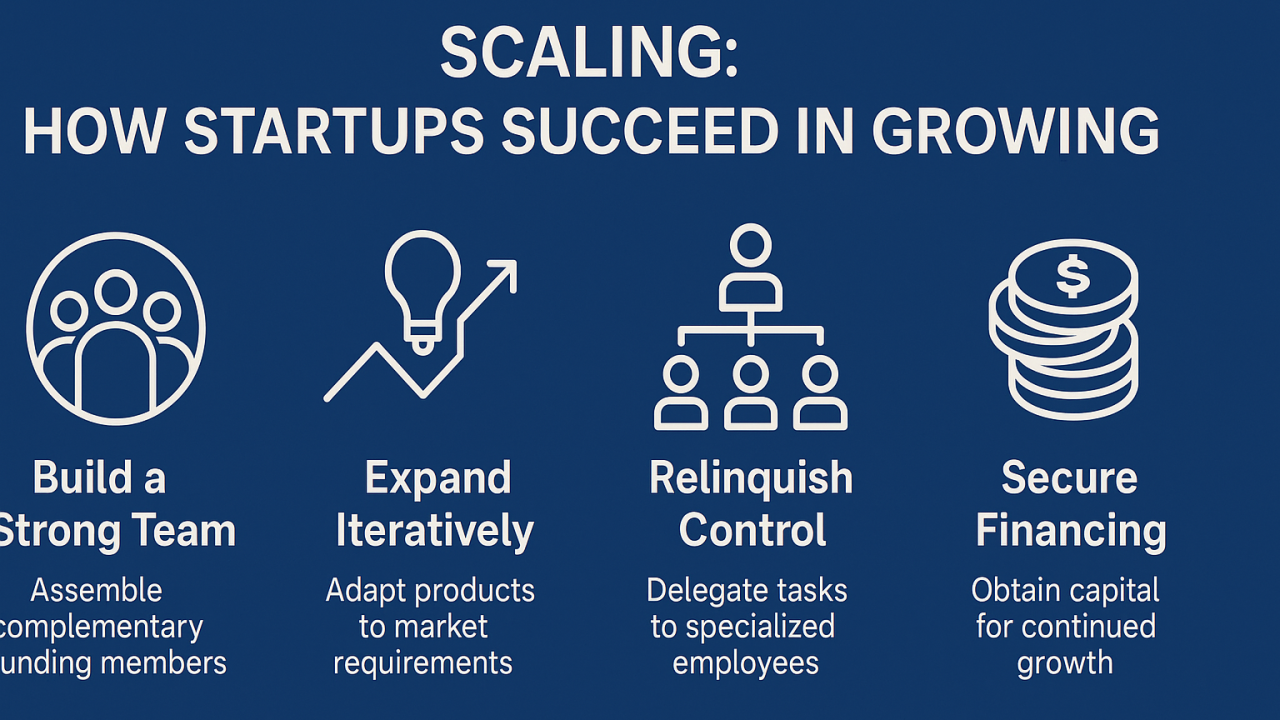

Understanding Scale: What It Means for Startups
In the context of startups, scaling refers to the ability of a company to grow its revenue and operations without a corresponding increase in expenses. This concept is crucial as it distinguishes between mere growth and the more sustainable process of scaling. Growth generally implies an increase in revenue, often accompanied by proportional increases in costs, workforce, and resources. In contrast, scaling suggests that a startup can expand rapidly while improving its profit margins, thus ensuring long-term viability.
Scalability is fundamental to a startup’s business model, as it defines the potential for growth with minimal incremental cost. A scalable business can maintain or improve its margins while acquiring new customers or entering new markets. Therefore, understanding scalability is essential for entrepreneurs seeking to build a successful enterprise. It allows them to address critical questions: Can this business model adapt to increased demand? Are there mechanisms in place to optimize efficiency without diminishing quality?
Several misconceptions about scaling can mislead entrepreneurs. For instance, some might equate initial popularity with scalability, mistakenly assuming that early success guarantees long-term viability. In reality, many startups encounter significant challenges—such as market saturation, the need for new customer acquisition strategies, or the complexities of managing larger operations—that can inhibit their ability to scale effectively. As a result, despite a promising start, these companies often struggle to sustain their momentum.
In summary, understanding the concept of scaling is paramount for startups. It involves grasping the differences between growth and scaling, recognizing the importance of scalability in business models, and addressing misconceptions that can lead to failure in achieving long-term success.
Signs Your Startup is Ready to Scale
Determining when a startup is ready to scale is critical for its sustained success. Several key indicators can signal that the company has reached a stage where it can expand operations without compromising quality or performance. One of the primary signs of readiness is positive financial metrics. If a startup consistently demonstrates strong revenue growth and manages expenses effectively, it indicates a healthy financial posture conducive to scaling. For example, a tech startup that achieves a month-over-month revenue increase while maintaining a low customer acquisition cost is well-positioned to consider expansion.
Another critical indicator of readiness is significant customer growth. When a startup experiences a sustained increase in customer numbers, this often reflects a product-market fit that can be leveraged to reach a larger audience. Consider the case of a subscription-based SaaS platform that doubles its user base quarterly; this growth trend suggests that scaling operations to meet demand should be prioritized.
Market demand plays a pivotal role in assessing whether a startup can successfully scale. A robust market demand showcases that the startup not only has a viable product or service but also the potential for larger market penetration. A practical example can be observed in the e-commerce sector, where a startup experiencing an uptick in online sales often capitalizes on this momentum by expanding its product range or geographical reach.
Finally, operational capabilities must be evaluated when considering scaling. A startup must possess the necessary infrastructure, human resources, and technology to support increased production or service delivery. For instance, a manufacturing startup that invests in automation to streamline processes demonstrates its capability to handle larger volumes efficiently. In summary, monitoring financial health, customer growth, market demand, and operational readiness are essential to determine whether a startup is positioned for successful scaling.
Developing a Solid Growth Strategy
For startups seeking to scale successfully, the formulation of a comprehensive growth strategy is paramount. This strategy serves as a roadmap that guides the startup through various phases of development, ensuring alignment between the company’s long-term vision and its immediate growth objectives. In essence, a well-defined growth strategy helps to maintain focus, prioritize initiatives, and allocate resources effectively.
One of the fundamental approaches to scaling is market penetration, which involves increasing market share within existing markets. Startups often achieve this by enhancing marketing efforts, improving customer service, or adjusting pricing strategies to attract more customers. Market penetration is typically seen as a less risky approach, allowing startups to capitalize on their established customer base.
Another critical element in a growth strategy is product expansion. This approach entails introducing new products or services to the existing market. The rationale behind product expansion is twofold: it diversifies revenue streams and can bolster customer loyalty by meeting broader needs. Startups must invest in research and development, customer feedback, and market trends to successfully innovate and customize their offerings.
Geographic expansion represents yet another avenue for growth. By entering new markets, startups can tap into wider customer bases. However, this approach often necessitates extensive market research and analysis to comprehend local regulations, cultural nuances, and competitive landscapes. A successful geographic expansion strategy often requires careful planning and localized marketing strategies to ensure resonation with the target audience.
Ultimately, aligning a startup’s vision with its growth objectives is crucial in all these approaches. Growth should not come at the expense of the core values or mission of the startup; rather, it should enhance and augment the foundational principles upon which the business was built. Strategically developed growth pathways are integral to navigating the complexities of scaling effectively.
Building the Right Team for Scale
One of the fundamental aspects of scaling a startup effectively is the formation of a high-performing team. The dynamics of team collaboration and synergy significantly influence the trajectory of growth and innovation within the organization. Therefore, identifying, recruiting, and retaining the right talent becomes paramount. Startups must take proactive steps to curate a team that not only possesses the requisite skills but also aligns with the company’s vision and culture.
To begin with, identifying talent requires a thorough understanding of the business goals and the skills necessary to achieve them. As the startup transitions from a nascent stage to one that aims for rapid expansion, it is essential to recruit individuals who are adaptable, resourceful, and possess a growth mindset. These characteristics enable team members to tackle the uncertainties that often accompany scaling. It is advisable to leverage a variety of sourcing strategies such as networking, partnerships, and social media recruitment to widen the search for potential candidates.
Once the talent is onboarded, retention becomes increasingly important. Effective leadership plays a crucial role in maintaining morale and fostering an environment of trust and collaboration. Leaders should emphasize open communication and continuous feedback, enabling team members to contribute ideas and express concerns. Additionally, cultivating a strong organizational culture that reflects the company’s core values can significantly enhance employee satisfaction and loyalty.
Moreover, as the startup grows, existing team members must develop new skills to adapt to evolving demands. Implementing training programs and encouraging professional development not only equips employees with necessary tools but also strengthens their commitment to the company. Thus, investing in your team and ensuring their growth is fundamental to scaling successfully, creating a solid foundation that can support the startup through its growth journey.
Leveraging Technology for Efficient Scaling
In today’s rapidly evolving business landscape, startups must harness technology to scale efficiently and remain competitive. Utilizing automation tools can dramatically streamline operations, allowing teams to focus on value-added activities. For instance, startups can implement robotic process automation (RPA) to handle repetitive tasks such as data entry or invoicing, which decreases the likelihood of errors and increases productivity.
Furthermore, data analytics has become an essential component in strategic decision-making. By employing data analytics platforms, startups can collect and analyze customer data, gaining valuable insights into consumer behavior and preferences. For example, a startup specializing in e-commerce might utilize tools like Google Analytics or Tableau to track user interactions on their website. This data can inform marketing strategies and product development, ensuring that offerings align with customer needs and trends.
Customer relationship management (CRM) systems also play a pivotal role in successful scaling. Startups can leverage CRM software to manage customer interactions, sales leads, and marketing campaigns effectively. Solutions such as Salesforce and HubSpot allow founders to nurture customer relationships and improve engagement significantly. Successful adoption of these technologies enables startups to scale their customer base while maintaining personalized service, ultimately fostering loyalty and driving growth.
Certain startups have showcased remarkable results by integrating these technologies. For instance, a software as a service (SaaS) startup adopted automation for customer onboarding, resulting in a 50% reduction in onboarding time. Similarly, a health-tech startup utilized data analytics to optimize its product offering, leading to a substantial increase in customer satisfaction ratings. These examples underscore the importance of leveraging technology in scaling operations effectively.
Financial Strategies for Scaling Up
As startups embark on their scaling journey, the financial aspect becomes paramount, as inadequate funding can derail growth efforts. To thrive in the competitive landscape, startups must adopt comprehensive financial strategies that not only attract potential investors but also ensure effective budgeting and sound cash flow management.
Attracting investors is a critical step for startups seeking to scale. Startups should focus on creating a compelling pitch that highlights their unique value proposition, growth trajectory, and market potential. Establishing a strong business plan detailed with growth forecasts, financial projections, and strategic milestones can enhance the attractiveness of the startup. Networking within industry circles and participating in startup incubators can also connect entrepreneurs with venture capitalists and angel investors who are essential for securing funding.
Effective budgeting during scaling periods is crucial. Startups should implement rigorous budgeting practices that allocate resources wisely. A conscientious financial plan should include both operational and strategic expenditures, ensuring that funds are available for initiatives crucial for scaling. Utilizing financial software tools can aid in tracking expenses, forecasting revenues, and generating real-time reports that guide decision-making.
Managing cash flow is another vital element of a financial strategy. Startups must anticipate fluctuations in revenue during different growth phases and maintain a sufficient cash reserve to cover operational expenses. Implementing cash flow forecasting techniques can help businesses gauge their liquidity needs and avoid potential pitfalls such as overextending credit or incurring unnecessary debt.
Despite the strategies in place, startups should remain vigilant against common financial pitfalls. Factors such as over-reliance on debt financing, neglecting operational cash flow, or underestimating expenses can jeopardize growth. By maintaining financial discipline and continuously monitoring their financial performance, startups can navigate the scaling process more effectively.
Marketing and Customer Acquisition Strategies
In the scaling phase of a startup, effective marketing and customer acquisition strategies play a critical role in facilitating sustainable growth. A multifaceted digital marketing approach, including Search Engine Optimization (SEO), social media marketing, and pay-per-click advertising, is essential for increasing brand visibility and attracting potential customers. Leveraging online platforms not only broadens reach but also enhances engagement with target audiences, creating opportunities for conversion.
Furthermore, utilizing social proof—such as testimonials, case studies, and user reviews—serves as a powerful marketing tool. It builds trust and credibility, which are paramount for startups seeking to establish their brand in competitive markets. By showcasing positive feedback and successful customer experiences, startups can effectively influence the decision-making process of potential clients.
While acquiring new customers is crucial, retaining existing ones should not be overlooked. Implementing customer loyalty programs, regular engagement through newsletters, and personalized communication can enhance customer satisfaction and foster long-term loyalty. Moreover, satisfied customers can become advocates for the brand, amplifying marketing efforts through word-of-mouth referrals.
Additionally, it is important for startups to analyze their marketing strategies continuously. Metrics such as customer acquisition cost (CAC) and customer lifetime value (CLV) can provide insights into the effectiveness of marketing campaigns. This analytical approach allows startups to adapt their strategies based on real data, ensuring that resources are allocated efficiently and key performance indicators are met.
Effective marketing during the scaling phase is not merely about acquiring new customers; it also hinges on creating lasting relationships that are mutually beneficial. By combining digital marketing techniques, harnessing the power of social proof, and emphasizing customer retention, startups can significantly enhance their market presence and drive sustainable growth.
Measuring Success: Key Performance Indicators (KPIs) for Startups
As startups embark on their scaling journey, measuring success through critical Key Performance Indicators (KPIs) becomes paramount. These metrics offer insights into the overall health of the business and the effectiveness of growth strategies. Startups should select KPIs that align closely with their specific growth goals, taking into consideration both industry standards and internal objectives. Common KPIs include Customer Acquisition Cost (CAC), Lifetime Value (LTV), and Monthly Recurring Revenue (MRR).
When determining which KPIs to monitor, startups should first identify their primary objectives. For example, a startup focused on rapid customer acquisition may prioritize CAC and the number of new customers gained over a defined period. Alternatively, a company emphasizing customer retention might focus on metrics such as churn rate and customer satisfaction scores. This alignment ensures that the selected KPIs serve as effective measures of progress toward their established goals.
Gathering accurate data is another crucial aspect of measuring KPIs. Startups should implement various data collection methods, such as customer surveys, analytics tools, and financial reports. This data not only aids in tracking performance but also provides a foundation for making informed decisions. By analyzing collected data, startups can identify trends and patterns, enabling them to adjust their strategies based on performance insights.
Regularly reviewing KPIs is essential for maintaining agility in a startup’s growth strategy. By continuously assessing progress against these metrics, startups can optimize their operations and allocate resources more effectively. For instance, if MRR is stagnating, it may indicate a need to refine marketing efforts or enhance product offerings. In summary, consistently measuring and analyzing relevant KPIs play a significant role in a startup’s ability to scale successfully and achieve long-term growth.
Case Studies of Successful Scaling Startups
Successful scaling in the startup ecosystem can often be attributed to a blend of strategic planning, adaptive execution, and a keen understanding of market dynamics. A few notable examples illustrate these principles effectively.
One prominent case study is that of Airbnb. Founded in 2008, Airbnb revolutionized the hospitality industry by creating a peer-to-peer platform for lodging. Initially operating on a small scale, they faced significant logistics issues and regulatory hurdles in various markets. To navigate these challenges, Airbnb invested heavily in localized marketing strategies and formed partnerships with regulatory bodies to enhance compliance. Their scalability hinged on a robust technological infrastructure, enabling seamless transactions and a standout user experience. By continuously gathering feedback and iterating on their services, they managed to grow to a valuation exceeding $30 billion within just a few years.
Another compelling case is that of Slack, an enterprise collaboration tool launched in 2013. Slack’s early user acquisition strategies relied on a freemium model that enables users to access basic features for free while offering premium services for organizations requiring more advanced functionalities. Their success hinged on fostering a community of loyal users who would advocate for the service, which led to exponential growth. Moreover, by prioritizing user engagement and working closely with customer feedback, Slack managed to refine its offerings continuously. The company reached over 10 million daily active users within five years of its launch, underscoring the effectiveness of their scaling approach.
Both Airbnb and Slack exemplify how strategic partnerships, customer-centric models, and technology optimization can fuel successful scaling. These case studies highlight the importance of adapting to market needs and leveraging user insights, serving as valuable references for startups looking to replicate their success.