
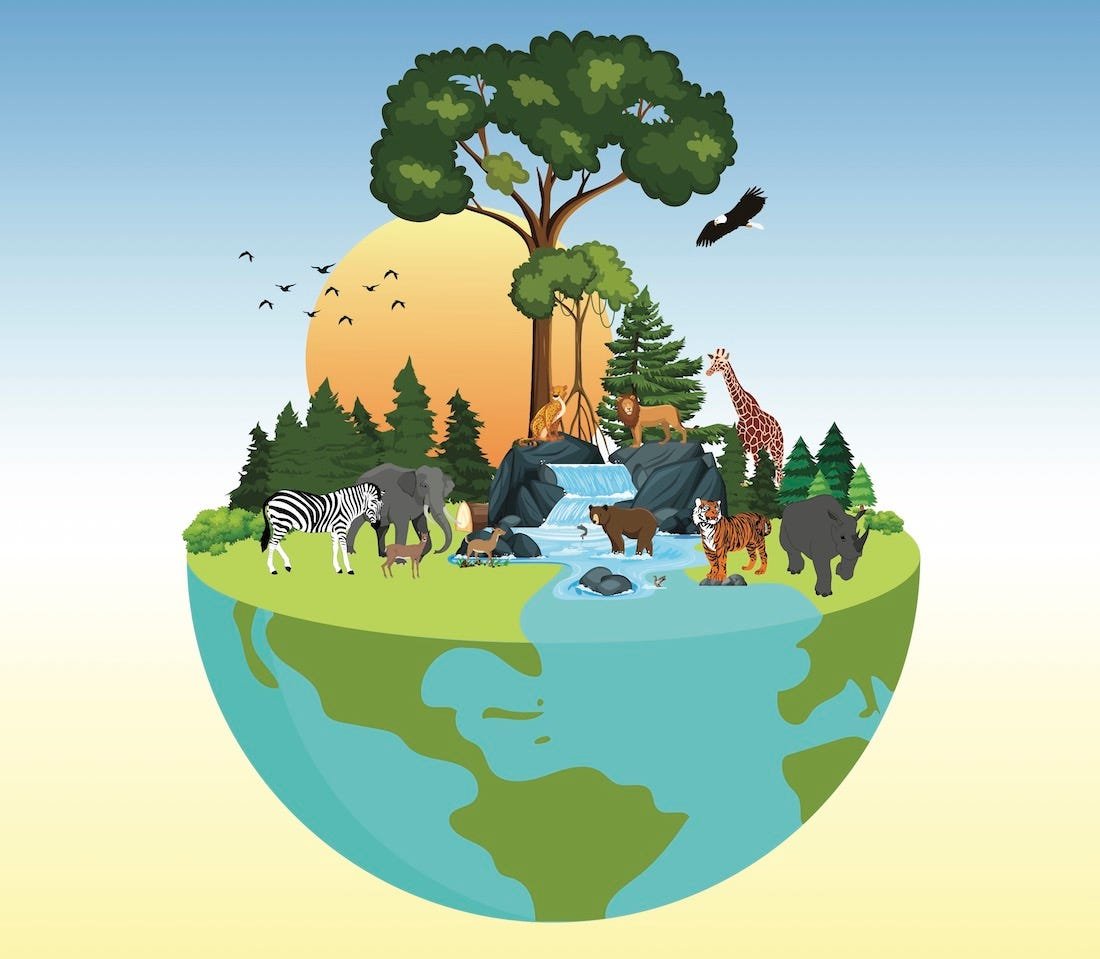

Introduction to Biodiversity
Biodiversity, often defined as the variety of life on Earth, plays a fundamental role in sustaining ecosystems and ensuring the resilience of our planet. This term encompasses the diversity of species, genetic variations, and the variety of ecosystems found in different geographical areas. Species diversity refers to the number of different species within a given habitat or region, while genetic diversity highlights the variation in genes within a species. Ecosystem diversity, on the other hand, encompasses the variety of habitats, communities, and ecological processes that occur in a particular area.
The significance of biodiversity cannot be understated; it is essential for maintaining ecological balance and supporting life. Each component of biodiversity contributes to the functioning of ecosystems, influencing processes such as nutrient cycling, pollination, and climate regulation. For instance, a diverse array of plant species can enhance ecosystem productivity and fertility by providing different resources and habitats for various organisms. In contrast, a loss of species can disrupt these processes, leading to diminished ecosystem health and functionality.
Moreover, biodiversity fosters resilience within ecosystems, allowing them to withstand and recover from environmental changes and disturbances. This resilience is crucial in the face of challenges such as climate change, habitat destruction, and pollution, which threaten numerous species and ecosystems worldwide. Therefore, understanding biodiversity and its components is vital for conservation efforts and sustainable management of natural resources.
In essence, biodiversity enriches our planet, supporting the complex web of life that sustains not only wildlife but also human beings. A thriving biodiversity serves as a foundation for food security, clean water, and the overall well-being of communities around the globe.
The Benefits of Biodiversity
Biodiversity, which encompasses the variety of all living organisms within ecosystems, is crucial for maintaining ecological balance and providing essential services that benefit humanity. One primary advantage of biodiversity is its contribution to ecosystem services such as pollination, nutrient cycling, soil health, and water purification. For instance, over 75% of global food crops depend on animal pollination, with bees playing a key role. The decline in bee populations could severely impact food production and availability, demonstrating how vital biodiversity is for agriculture.
Beyond ecological services, biodiversity also has significant economic benefits. Industries such as agriculture, forestry, and tourism rely heavily on a rich variety of species. The diverse genetic resources within crops can lead to increased yields and resilience against pests and diseases, ultimately boosting food security. Furthermore, regions with high biodiversity often attract tourists, which generates income and supports local economies. According to the World Travel and Tourism Council, biodiversity-rich areas contribute billions to global tourism revenues annually.
Additionally, biodiversity plays an integral role in human health and well-being. A plethora of medicinal resources derived from various plants and animals is essential for the development of pharmaceuticals. For instance, the Pacific yew tree, which contains the compound Taxol used in cancer treatment, highlights the importance of preserving diverse ecosystems. Moreover, traditional medicine systems that utilize local flora contribute to holistic health practices, further emphasizing biodiversity’s significance.
The interconnection among these benefits demonstrates how biodiversity underpins not only ecological stability but also economic prosperity and health advancements. Protecting biodiversity must be a priority, as its loss would not only diminish the natural beauty of our planet but also threaten the very foundations of human survival.
Threats to Biodiversity
Biodiversity, defined as the variety of life on Earth, is currently under significant threat due to various factors primarily driven by human activities. One of the principal threats is habitat loss, which occurs when natural environments are altered or destroyed to make way for urban development, agriculture, and infrastructure projects. This not only reduces the living spaces available for countless species but also fragments ecosystems, making it difficult for species to thrive and reproduce.
Another substantial threat is climate change, which is reshaping habitats and geographic ranges for many species. Rising temperatures, altered precipitation patterns, and extreme weather events contribute to stresses on wildlife. As climates shift, many species are unable to adapt quickly enough or migrate to safer areas, leading to increased vulnerability and potential extinction.
Pollution represents another major challenge, as contaminants in soil, air, and water can be lethal to numerous organisms. Chemicals, plastics, and heavy metals not only directly harm individual species but also disrupt the delicate balance of ecosystems. The accumulation of toxins can lead to bioaccumulation in food chains, exacerbating the impacts on biodiversity.
Overexploitation of natural resources, particularly through activities such as overfishing, hunting, and poaching, has severely depleted populations of many species. Unsustainable practices have reached critical levels, resulting in sharp declines in biodiversity. Furthermore, invasive species pose a significant risk as they can outcompete native species for resources, leading to declines or extinctions.
Collectively, these threats contribute to alarming rates of species extinction and ecosystem degradation. Research indicates that current extinction rates are estimated to be 100 to 1,000 times the natural background rate, highlighting the urgency of addressing these critical issues for preserving biodiversity and maintaining healthy ecosystems.
Biodiversity and Climate Change
The relationship between biodiversity and climate change is profound and multifaceted. Biodiversity, referring to the variety of life forms and ecosystems present on Earth, plays a critical role in regulating our climate and mitigating the effects of climate change. One of the most significant ways in which biodiversity contributes to climate stability is through carbon sequestration. Various ecosystems, such as forests, wetlands, and grasslands, act as carbon sinks, absorbing carbon dioxide from the atmosphere and storing it in biomass and soils. This process is essential in minimizing the greenhouse gas concentrations responsible for global warming.
Diverse biological communities enhance resilience against climate fluctuations. For instance, ecosystems with higher biodiversity tend to have greater functional redundancy; this means that if one species is affected by climatic stressors, others can perform similar ecological roles, thus maintaining the ecosystem’s functionality. Such redundancy is crucial in ensuring that ecosystems continue to provide essential services, such as water purification, soil fertility, and food production, despite changing climatic conditions.
Moreover, biodiversity contributes to the adaptation of ecosystems by providing a wider array of responses to climatic changes. Different species exhibit various traits that allow them to thrive under specific conditions. As climate conditions shift, having a diverse community enables ecosystems to adapt more effectively, increasing overall resilience. In contrast, ecosystems that lack biodiversity are often more vulnerable to disturbances, making them less capable of coping with the pressures brought on by climate change.
In summary, the preservation of biodiversity is paramount in our fight against climate change. By maintaining diverse ecosystems, we not only support the natural processes of carbon sequestration but also foster resilience that mitigates the impacts of climate fluctuations. Protecting biodiversity is, therefore, a critical component of sustainable climate strategies that align with environmental conservation efforts.
Conservation Efforts for Biodiversity
Conservation of biodiversity is critical to maintaining healthy ecosystems, and various strategies have been developed to protect the rich variety of life on our planet. One significant approach is the implementation of comprehensive legislative frameworks. Governments worldwide recognize the need for laws that regulate activities harmful to biodiversity, such as deforestation, overfishing, and pollution. These legal measures often aim to establish protected areas, which are designated regions that offer safe havens for wildlife and their habitats. Such protected areas can range from national parks to marine reserves, enabling ecosystems to thrive without the pressures of human intervention.
In addition to legislative efforts, numerous conservation organizations play a vital role in biodiversity protection. These organizations work on the ground to implement various projects designed to restore habitats, educate communities, and promote sustainable practices. By collaborating with local and indigenous populations, these organizations can foster a greater understanding of the intrinsic value of all species and the ecosystems they inhabit.
Community-based initiatives are another crucial component of conservation efforts. By engaging local communities in the management and protection of biodiversity, these initiatives enhance awareness and create sustainable livelihoods linked to conservation. For example, ecotourism can provide economic benefits while simultaneously encouraging the preservation of unique ecosystems and species.
However, challenges persist in the realm of biodiversity conservation. Limited funding and resources often hinder the implementation of effective strategies, and economic pressures may lead to conflicts between development and conservation goals. Ensuring that conservation efforts are adequately supported and that local communities benefit from biodiversity preservation is essential for long-term success.
Sustainable Practices to Enhance Biodiversity
Promoting biodiversity is not only essential for ecological balance but can also be achieved through various sustainable practices adopted by individuals and communities. One of the primary areas to focus on is sustainable agriculture. By employing methods such as crop rotation, organic farming, and reduced pesticide use, farmers can enhance soil health and support a diverse range of organisms. These practices help preserve vital ecosystems while producing healthier food, which ultimately benefits both consumers and the environment.
In addition to agricultural practices, responsible consumption plays a crucial role in enhancing biodiversity. Consumers can make a significant impact by choosing products that are sustainably sourced and environmentally friendly. This includes supporting local markets that offer organic and seasonal produce, as well as reducing waste through recycling and composting efforts. These actions contribute to lower carbon footprints and reduce the pressure on natural ecosystems.
Habitat restoration is another vital approach towards fostering biodiversity. Communities can engage in projects aimed at rehabilitating degraded ecosystems, such as wetlands, forests, and grasslands. This may involve replanting native species, removing invasive plants, and creating buffer zones to support wildlife. By restoring these habitats, we not only revitalize our environment but also create safe spaces for various species to thrive.
Lastly, fostering wildlife-friendly environments can significantly boost local biodiversity. This can be done by creating backyard habitats with native plants, installing birdhouses, and providing clean water sources. Communities can also advocate for green spaces and wildlife corridors that allow animals to travel safely between habitats. Such initiatives encourage interaction with nature and promote greater awareness of the importance of biodiversity in the ecosystem.
The Role of Education in Promoting Biodiversity
Education plays a crucial role in fostering an appreciation and understanding of biodiversity, which is essential for maintaining healthy ecosystems. Environmental education encourages individuals to engage with and appreciate the complexity of their surrounding ecosystems. By integrating biodiversity education into school curricula and community programs, we can create a culture of respect and conservation for all life forms.
Numerous educational programs have been developed that aim to raise awareness about biodiversity. For instance, school-based programs often involve hands-on experiences, such as field trips to local natural habitats. These experiences not only help students observe various species in their natural environments but also instill a sense of responsibility towards preserving these precious resources. Additionally, workshops and seminars targeting community members serve to bridge the gap between knowledge and action, empowering individuals to contribute to biodiversity conservation efforts.
Community outreach initiatives are another vital component in the campaign to promote biodiversity awareness. Many organizations focus on hosting local events, such as clean-up drives or species monitoring, which encourage community participation. These events often include educational components, where experts explain the importance of local biodiversity and provide information on how to protect it. Furthermore, the use of technology plays an increasingly significant role in spreading awareness about biodiversity. Social media platforms and dedicated websites serve as effective tools for disseminating information about ongoing conservation projects, success stories, and ways that individuals can get involved.
In conclusion, environmental education combined with community outreach and the strategic use of technology fosters a deeper understanding and appreciation of biodiversity. Such comprehensive approaches are vital for nurturing a collective effort toward conserving our planet’s biological wealth, essential for sustaining life on Earth.
Biodiversity in Urban Environments
Urban environments present a unique blend of challenges and opportunities for biodiversity. The rapid expansion of cities often results in habitat destruction and fragmentation, which adversely affects local flora and fauna. However, with strategic planning, urban areas can foster biodiversity, yielding significant ecological and social benefits. Integrating biodiversity into urban planning is not merely a luxury but a necessary component for sustaining healthy ecosystems amidst urbanization.
One effective strategy to enhance biodiversity is the creation of green spaces. Parks, gardens, and vertical greens offer essential habitats for numerous species, providing food, shelter, and breeding sites. Furthermore, these spaces facilitate ecological connectivity, enabling wildlife to thrive amid urban infrastructure. By incorporating features such as native plant species, cities can attract pollinators like bees and butterflies, which play a crucial role in maintaining ecological balance.
Urban forests also serve as invaluable resources for both biodiversity and residents. They help mitigate heat, improve air quality, and reduce stormwater runoff, which contributes to a healthier urban ecosystem. Additionally, urban forests enhance the aesthetic value of cities, fostering community engagement and promoting mental well-being among inhabitants. This connection to nature benefits residents and contributes to the overall ecological health of urban environments.
Wildlife corridors are another vital aspect of promoting biodiversity in cities. These designated pathways allow animals to traverse urban landscapes safely, reducing the risks of habitat fragmentation. Implementing wildlife corridors can effectively link green spaces, supporting species movement and genetic diversity. Cities adopting such strategies illustrate the potential to coexist with nature, demonstrating that urban development and biodiversity can indeed thrive hand in hand.
Conclusion: The Future of Biodiversity
Biodiversity serves as the foundation for the health and resilience of our ecosystems. It is essential for maintaining ecological balance, supporting food security, and providing the resources necessary for humans and wildlife alike. As discussed, the intricate web of life that biodiversity represents is facing unprecedented threats, including habitat loss, climate change, pollution, and over-exploitation of resources. Without urgent action to mitigate these pressures, the future of biodiversity is at grave risk.
Collective responsibility lies with individuals, communities, governments, and organizations to protect and conserve the delicate tapestry of life. By safeguarding various species and their habitats, not only do we ensure the survival of countless organisms, but we also secure essential ecosystem services crucial for human survival. Initiatives that promote sustainable practices, restore natural habitats, and advocate for conservation efforts are vital components in this endeavor.
The potential future outcomes of prioritizing biodiversity conservation are promising. Enhanced ecosystems can lead to improved carbon storage, better water quality, and increased resilience against climate fluctuations. Additionally, preserving biodiversity can enhance agricultural productivity by maintaining the genetic diversity necessary for breeding resilient crop varieties. As the interconnectedness of our world becomes increasingly evident, fostering biodiversity can also pave the way for healthier communities, enriched cultural heritage, and economic growth through ecotourism and sustainable resource management.
In conclusion, embracing a unified approach to biodiversity conservation is imperative. By acknowledging our shared responsibility and taking proactive steps, we can create a more sustainable future that honors and preserves the rich diversity of life on our planet. The time to act is now; every effort contributes to a more resilient and biodiverse world for generations to come.