

Introduction to Web3
Web3 signifies a transformative phase in the evolution of the internet, often referred to as the third generation of the World Wide Web. Unlike its predecessors, which were characterized by centralized control and information ecosystems dominated by major tech companies, Web3 embodies a paradigm shift towards decentralization. At its core, Web3 leverages blockchain technology to create a more open, transparent, and user-centric digital environment.
Decentralization is one of the fundamental principles that underpin Web3. This principle allows users to maintain control over their own data rather than relinquishing it to a central authority. In traditional web models, companies often manage user interactions and data, which can lead to privacy concerns and data exploitation. Web3 reimagines this setup by enabling peer-to-peer interactions, reducing the need for intermediaries and allowing individuals to engage directly within digital spaces.
Blockchain technology plays a critical role in the functionality of Web3. By employing decentralized ledgers, blockchain ensures that all transactions and data are verifiable and immutable. This not only enhances security but also fosters trust among users, as all participants have equal access to the same information. Consequently, this technology empowers users, granting them ownership of their digital assets and enhancing their agency in the digital ecosystem.
Moreover, Web3 elevates the concept of user empowerment, advocating for user rights and equitable participation in digital economies. Through innovations such as decentralized applications (dApps) and smart contracts, individuals can engage with one another without needing reliance on traditional structures. This shift redefines how web services operate, prioritizing user autonomy, community engagement, and collaborative experiences.
The Evolution of the Internet
The evolution of the internet is characterized by distinct phases that have deeply transformed how individuals interact, share information, and conduct business online. Initially, Web1 was the dominant model, offering static content that provided limited interactivity. This early version of the web allowed users to access information but lacked the dynamic features that facilitate user engagement. Websites were primarily read-only, restricting users to consume content without the ability to contribute or create.
As technological advancements progressed, Web2 emerged in the early 2000s, marking a significant shift towards dynamic content. This phase enabled users to generate content and engage with one another through social media platforms, blogs, and online forums. Web2 encouraged collaboration, allowing individuals to share experiences, opinions, and creativity, which ultimately led to an explosion in user-generated content. Nevertheless, this model presented significant challenges, including centralization of power in the hands of a few dominant companies that controlled user data and monetized it without adequate compensation for contributors.
The limitations of Web2’s centralization and its implications on user privacy paved the way for the need for Web3. This new phase of the internet aims to decentralize control, allowing users to own their data and engage with digital platforms in more secure and equitable ways. By leveraging blockchain technology, Web3 has the potential to revolutionize online interaction and create a more inclusive digital ecosystem. This evolution signals a crucial step towards empowering users and fostering innovation while addressing the shortcomings of previous models.
Decentralization and Ownership
Decentralization stands at the core of the Web3 paradigm, representing a significant shift from traditional centralized systems to a more distributed model. In conventional web architectures, data is typically controlled by a few centralized entities, which can limit user control over personal information and assets. Web3, however, empowers users by allowing them to own their data and digital identities directly through decentralized networks. This means individuals can engage with online platforms without relying on intermediaries who dictate terms and conditions, ultimately fostering a more equitable digital landscape.
The implications of decentralization on data ownership are profound. In a decentralized model, data is stored across a network of computers rather than in a single, central database. This distribution minimizes the risk of data breaches and enhances user privacy, as sensitive information isn’t stored in one vulnerable location. Users retain control of their data and can choose when and how it is shared, aligning with the growing demand for more transparent and secure digital interactions. Consequently, this approach promotes trust among users, leading to a healthier online ecosystem.
Moreover, ownership extends beyond data; it also encompasses digital assets and identities. Decentralized applications (dApps) and blockchain technologies enable individuals to have verifiable ownership of their digital assets, reducing the potential for fraud and manipulation. This self-sovereignty allows users to engage in economic activities, such as trading or investing, without the need for central authorities. As a result, the decentralized nature of Web3 not only enhances user privacy but also redefines individual rights and ownership in the digital realm, emphasizing the significance of autonomy and control in the evolving internet landscape.
Smart Contracts and Decentralized Applications (dApps)
Smart contracts have emerged as a pivotal element within the Web3 landscape. These self-executing contracts contain the terms of agreement directly written into code, ensuring that the contractual obligations are automatically enforced without the need for intermediaries. The decentralized nature of smart contracts significantly decreases the risk of manipulation and fosters trust among participants. By leveraging blockchain technology, these contracts can be executed in a verifiable and irreversible manner, thus enhancing transparency.
Decentralized applications, or dApps, utilize smart contracts as the backbone of their functionality. Unlike traditional applications that rely on centralized servers, dApps operate on a blockchain network, providing numerous advantages. One of the primary benefits is enhanced security, as data within a dApp is distributed across multiple nodes, making it less susceptible to attacks. Furthermore, dApps often have a lower operational cost due to the elimination of intermediaries and reduced reliance on centralized server maintenance.
The potential use cases for dApps are vast and span a multitude of sectors. In finance, decentralized finance (DeFi) applications enable users to lend, borrow, and trade without relying on traditional banks or financial institutions. In the supply chain sector, dApps can provide greater transparency by allowing all stakeholders to access real-time data regarding product provenance and movement. Additionally, in the realm of digital identity, decentralizing identity management could empower individuals to control their personal information secure from unauthorized access.
As we continue to explore the capabilities of smart contracts and dApps, it is clear that the transition from traditional applications to decentralized alternatives presents substantial opportunities for innovation and efficiency across various industries.
Enhanced Privacy and Security
The emergence of Web3 signifies a paradigm shift in how the internet caters to user needs, particularly concerning privacy and security. Unlike the traditional web where data is often stored on centralized servers owned by large corporations, Web3 harnesses decentralized networks and blockchain technology to return control of personal information to users. This is achieved through cryptographic methods that guarantee the integrity and confidentiality of data.
In the Web3 ecosystem, users conduct transactions and interact with applications without the need for intermediaries, which significantly mitigates the risk of data breaches. Decentralized identity solutions, for example, allow individuals to manage their digital identities securely, sharing only what is necessary while keeping other information private. This model not only enhances individual privacy but also builds trust among participants in the digital economy.
The implications of these advancements extend beyond individual users. Organizations can leverage Web3 technologies to bolster their data protection strategies, adopting more transparent methods for personal data handling. By using smart contracts, companies can ensure that user consent is obtained and respected throughout the data lifecycle. This transparency safeguards against unauthorized data collection and promotes accountability in how companies handle sensitive information.
Furthermore, the intrinsic resistance to censorship found in decentralized networks can significantly contribute to a more secure cyberspace, where users have greater autonomy over their online presence. The inherent transparency of blockchain technology also means that malicious activities can be traced and addressed more effectively, fostering a safer digital environment.
As Web3 continues to evolve, enhanced privacy and security will become hallmarks of internet use, encouraging individuals to engage more freely while knowing their information is protected. The shifts towards decentralization and cryptographic safeguards represent a significant step towards creating a more secure and privacy-conscious internet.
Tokenomics and the New Digital Economy
Tokenomics, a combination of the terms “token” and “economics,” plays a pivotal role in the Web3 ecosystem. It encapsulates the principles and mechanics surrounding the issuance, distribution, and management of tokens within blockchain networks. As cryptocurrencies and blockchain-based tokens gain traction, they foster innovative economic models that redefine traditional financial systems.
At the core of tokenomics is the concept of community governance. Unlike the centralized control seen in conventional business structures, tokens enable equitable participation from community members. Through governance tokens, holders can vote on protocol upgrades, funding allocations, and various operational decisions. This democratization of decision-making not only empowers users but also strengthens community engagement and commitment to the platform.
Incentives for participation are critical to encouraging user involvement in the network. Many decentralized applications (dApps) reward users with tokens for actions like providing liquidity, staking, or conducting transactions. This reward system promotes active participation, ultimately benefiting the entire ecosystem. Additionally, the user-driven incentive structures enhance value creation, as participants gain a vested interest in the success and growth of the network.
The rise of decentralized finance, or DeFi, illustrates tokenomics in action. DeFi platforms leverage blockchain technology to offer traditional financial services—such as lending, trading, and yield farming—without intermediaries. Through tokenization, assets can be traded and used within an array of financial applications, reducing costs and increasing accessibility. This new digital economy empowers users to manage their finances independently while contributing to the development of these unique financial services.
As Web3 continues to evolve, tokenomics will remain a cornerstone of its growth trajectory, revolutionizing how value is created and exchanged in the digital realm.
Challenges and Limitations of Web3
As the concept of Web3 continues to evolve, it becomes increasingly clear that there are significant challenges and limitations that must be addressed. One of the foremost issues is scalability. Current decentralized systems often struggle to process transactions at speeds comparable to their centralized counterparts. High latency and limited throughput can hinder user adoption and impede the smooth operation of decentralized applications (dApps), as users may be reluctant to engage with a system that does not offer the immediate responsiveness they expect.
Another critical barrier is user experience. The transition from Web2 to Web3 requires users to navigate complex interfaces and understand concepts such as wallets, private keys, and smart contracts. This steep learning curve can deter non-technical users from embracing Web3 technologies, resulting in a limited user base. Moreover, ensuring that decentralized applications are intuitive and user-friendly is imperative for widespread adoption. Without simplifying the onboarding process, Web3 may primarily appeal to tech-savvy individuals, leaving a significant segment of the population behind.
Regulatory uncertainties present another obstacle to the advancement of Web3. Governments around the world are still grappling with how to regulate blockchain technology, cryptocurrencies, and decentralized finance (DeFi). The lack of a clear regulatory framework can lead to hesitance among businesses and investors, as they may fear compliance issues or legal repercussions. This uncertain environment could stifle innovation, limiting the potential of Web3 to revolutionize industries.
Finally, the potential for misinformation in decentralized systems poses a considerable concern. While decentralization aims to empower users, it can also lead to the dissemination of false information without the checks and balances present in traditional media channels. As individuals have greater control over content creation and sharing, ensuring accuracy and accountability can become increasingly challenging, impacting the overall integrity of decentralized platforms.
The Future of Social Interactions in Web3
The emergence of Web3 represents a significant shift in the way social interactions can occur online. By decentralizing the internet and shifting power dynamics toward users, Web3 opens the door for new, innovative social experiences that prioritize user-generated content and community-driven platforms. Traditional social media environments often limit user agency and control; however, in a Web3 framework, individuals can exercise greater influence over the platforms they use.
At the core of Web3 is the concept of ownership, where users possess their data, content, and even economic rewards generated from their participation. This reflects a trend towards the empowerment of users, which can alter social interactions by fostering a stronger sense of community and collaboration. In this decentralized ecosystem, platforms can be led by their users rather than monopolized by a few corporations, which ensures that social interactions are more meaningful and equitable.
The advent of community-led platforms emphasizes the role of collaboration and collective decision-making. Users are incentivized to contribute positively to these platforms, as their stake in the ecosystem translates to a more vibrant and engaged community. This model encourages the sharing of diverse perspectives and promotes authentic connections between users, marking a stark departure from the often polarizing nature of traditional social media platforms.
In conclusion, the future of social interactions in a Web3 environment presents an exciting opportunity to reshape the online social landscape. By empowering individuals, prioritizing user-generated content, and fostering community-led platforms, Web3 could fundamentally change how people connect, collaborate, and engage with one another in the digital world.
Conclusion and Call to Action
As we navigate through the complexities and possibilities of Web3 technologies, it becomes evident that they possess the potential to fundamentally change the internet landscape. This decentralized approach shifts the control from centralized entities to individual users, fostering an environment of transparency, security, and freedom of expression. Key aspects such as ownership of data, enhanced privacy, and the facilitation of peer-to-peer interactions are just the beginning of what this technological advancement can achieve.
Furthermore, the impact of blockchain technology, decentralized applications (dApps), and smart contracts cannot be understated. These innovations not only challenge traditional business models but also encourage new forms of collaboration and innovation. Users are not merely passive consumers; they are active participants in shaping their digital environments and the economies that arise from them.
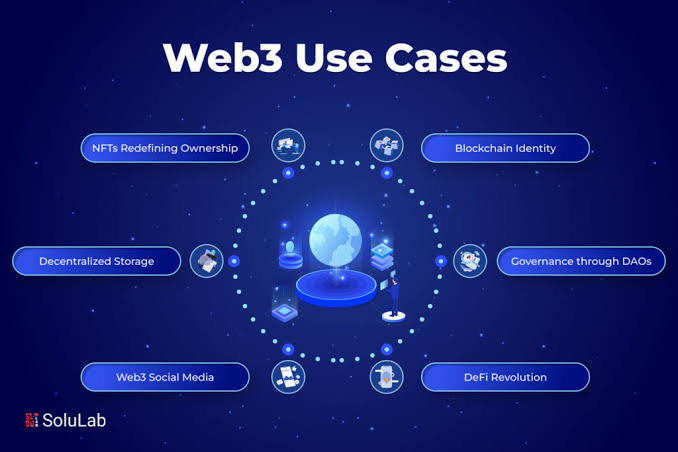
However, with this emerging paradigm, the responsibility also lies with each individual to embrace and adapt to these changes. Engaging with Web3 technologies can be as simple as exploring decentralized finance (DeFi) applications, utilizing non-fungible tokens (NFTs), or participating in governance through decentralized autonomous organizations (DAOs). Such actions not only empower individuals but also contribute to the development of a more equitable internet.
In conclusion, as Web3 continues to unfold, it is imperative for everyone to assess their place within this evolution. By understanding and participating in these new systems, we can collectively influence the trajectory of the internet, ensuring that it better serves the needs and values of our diverse global community. We encourage readers to delve into the world of Web3, educate themselves, and consider how they can contribute to this transformative movement.