

Introduction to Autonomous Vehicles
Autonomous vehicles, commonly referred to as self-driving cars, encapsulate a transformative advancement in transportation technology. These vehicles utilize a combination of sensors, cameras, artificial intelligence, and machine learning algorithms to navigate roadways with minimal to no human intervention. The core idea behind autonomous vehicles is to create a safer, more efficient method of transportation, reducing human error, which is a significant contributor to road accidents.
The functionality of autonomous vehicles is categorized into various levels of automation as defined by the SAE International, ranging from Level 0, where a driver has full control with no automation, to Level 5, where the vehicle is completely autonomous and requires no driver input. Each level represents different degrees of control and assistance, providing an evolving landscape of capabilities. For instance, Level 1 vehicles might offer basic driver assistance features like adaptive cruise control, while Level 4 vehicles can operate autonomously within predefined environments, such as urban areas without human oversight.
The rising popularity of autonomous vehicles can be attributed to several factors. First, technological advancements have made the development of complex algorithms and high-resolution sensors more feasible and cost-effective. Second, growing concerns about road safety have prompted both regulators and consumers to explore alternatives that can mitigate risks associated with human-driven vehicles. Lastly, as urbanization continues to increase, autonomous vehicles present viable solutions for reducing traffic congestion and enhancing mobility in cities. With significant investments from automakers and tech companies, the path towards more widespread adoption of autonomous vehicles seems promising, paving the way for a future where transportation is safer and more efficient.
The Technology Behind Autonomous Vehicles
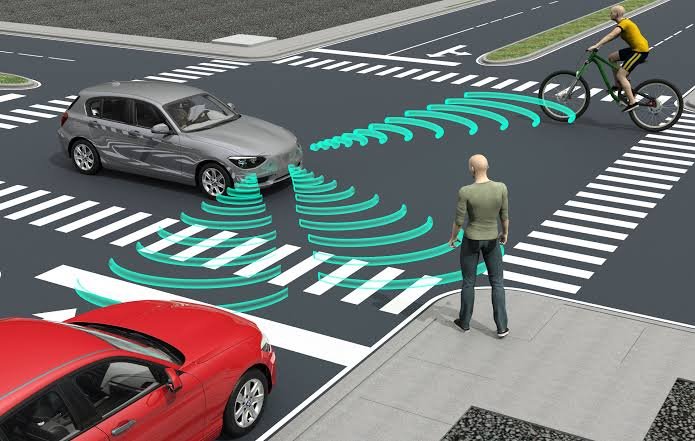
The development of autonomous vehicles is primarily driven by a combination of sophisticated technologies, which work in concert to facilitate the functionality and safety of self-driving cars. One of the most crucial components of this technology ecosystem is the array of sensors deployed in autonomous vehicles. Among these sensors, Light Detection and Ranging (LiDAR) stands out for its ability to create high-resolution, three-dimensional maps of the vehicle’s surroundings using laser light. This enables the vehicle to detect obstacles and navigate complex environments with precision.
Complementing LiDAR are radar systems and cameras, which provide additional layers of perception. Radar is particularly effective in measuring the distance and speed of nearby objects, even under challenging weather conditions. Meanwhile, cameras offer visual data that helps in recognizing road signs, lane markings, pedestrians, and other critical visual cues necessary for safe driving. The synergistic use of these sensors ensures a comprehensive understanding of the environment, thereby enhancing the vehicle’s autonomy.
Equally important in this technological framework is artificial intelligence (AI) and machine learning (ML). These paradigms enable autonomous vehicles to interpret the vast amounts of data generated by their sensors. Machine learning algorithms process historical data to identify patterns and improve decision-making capabilities over time, while AI systems help in planning and executing driving strategies. Through continual learning, the vehicle becomes adept at handling a variety of driving scenarios, improving reliability and performance.
Advanced software systems also play a pivotal role. They integrate data from sensors and AI, allowing for real-time processing and response to dynamic driving conditions. Software updates are regularly deployed to enhance capabilities and safety measures, ensuring that the vehicle remains at the forefront of technology. Collectively, these technologies form the backbone of autonomous vehicles, paving the way for a future where driving is safer and more efficient.
The Benefits of Autonomous Vehicles
Autonomous vehicles (AVs) present a variety of significant advantages that could transform transportation as we know it. One of the primary benefits is enhanced safety. According to studies, the majority of traffic accidents result from human errors, including distraction and impaired judgment. AVs, equipped with advanced sensors and artificial intelligence, have the potential to significantly reduce these errors, leading to safer roadways. The technology is designed to anticipate and respond to various driving conditions, ultimately decreasing the incidence of accidents.
In addition to improving safety, autonomous vehicles are poised to alleviate traffic congestion. With the ability to communicate with each other and optimize driving patterns, AVs can manage traffic flow more efficiently than human drivers. This synchronization can reduce the stop-and-go nature of traffic, leading to less time spent on the road and decreased fuel consumption.
Another significant advantage of autonomous vehicles is their positive impact on the environment. By optimizing routes and maintaining consistent speeds, AVs can reduce greenhouse gas emissions compared to traditional vehicles. Additionally, many companies are exploring electric autonomous vehicles, which may further lessen the carbon footprint associated with transportation.
Importantly, AVs also provide enhanced mobility for individuals with disabilities and the elderly who may have difficulty driving. The independence gained through autonomous technology enables these individuals to access transportation services without reliance on others, thereby improving their quality of life.
Cost-effectiveness is yet another benefit associated with autonomous vehicles. While the initial investment may be substantial, the long-term savings in fuel, insurance, and maintenance can prove beneficial. As the technology matures, it is expected that operating an autonomous vehicle will become more affordable, paving the way for greater acceptance among consumers.
Challenges and Concerns Surrounding Autonomous Vehicles
The rise of autonomous vehicles (AVs) presents a myriad of challenges and concerns that merit thorough examination. One primary concern centers on safety. While many proponents argue that AVs have the potential to significantly reduce traffic accidents caused by human error, technology-related malfunctions or software failures pose a serious risk. Instances of AVs involved in accidents, even while operating under ideal conditions, raise crucial questions about the reliability of the technology.
Moreover, ethical considerations add another layer of complexity to the discussion surrounding autonomous vehicles. Situations may arise where an AV must make a split-second decision in an emergency, for example, choosing between the lesser of two harms. The ethical frameworks guiding these decisions remain deeply contentious, bringing forth debates over programming protocols and how to prioritize the value of different lives.
Legal and regulatory obstacles are yet another significant barrier to the widespread implementation of AVs. Existing traffic laws, liability issues, and insurance frameworks are often ill-suited for vehicles that operate without human input. Policymakers are tasked with developing new regulations that can effectively address these challenges, which is no small feat, given the rapid pace of technological evolution.
Furthermore, the rise of autonomous vehicles is likely to have profound implications on employment within the transportation sector. Many jobs currently held by drivers may be at risk as AV technology becomes more widespread. The potential for job displacement raises concerns not only for individual livelihoods but also for broader economic stability. Addressing these workforce-related challenges is essential as society transitions towards more automated forms of transportation.
Public Perception and Acceptance
The advent of autonomous vehicles (AVs) has catalyzed a significant transformation in the transportation industry, prompting widespread interest and discussion among the general populace. Recent surveys and studies have highlighted a gradual evolution in public perception, suggesting an increasing acceptance of self-driving technology. According to a report by the American Automobile Association (AAA), public acceptance has shown a notable uptick, with a growing number of consumers expressing a willingness to use AVs for personal travel.
A key factor influencing public attitudes towards autonomous vehicles is the level of trust in technology. Many potential users remain hesitant, often citing concerns over safety, reliability, and the ethical implications of machine decision-making. Research indicates that individuals who have a higher trust in technological advancements are more likely to embrace the concept of AVs. This trust is often fostered through educational initiatives that aim to demystify the technology behind autonomous vehicles as well as real-world demonstrations showcasing their capabilities.
Furthermore, media portrayal plays a crucial role in shaping public perception. Coverage of AVs in news platforms can significantly impact how consumers view this technology. Positive stories highlighting successful implementations and safety statistics tend to encourage acceptance, whereas negative reports focusing on accidents or technical failures can revive skepticism. The balance between these portrayals affects general consumer sentiment, highlighting the importance of responsible journalism in informing the public about the potential benefits and risks associated with AV deployment.
Societal changes, such as a rising awareness of the environment and the push for sustainable mobility solutions, also contribute to increasing acceptance of autonomous vehicles. As many individuals become more environmentally conscious, the prospect of efficient, electric self-driving cars may resonate positively, encouraging broader public support. Therefore, the interplay of trust, media representation, and societal values shapes the ongoing narrative surrounding public perception of autonomous vehicles.
Government Regulations and Policies
The evolution of autonomous vehicles has been significantly influenced by various government regulations and policies implemented across the globe. These regulations play a vital role in ensuring the safe integration of self-driving technology into the transportation infrastructure. For instance, in the United States, the National Highway Traffic Safety Administration (NHTSA) has provided guidelines for testing autonomous vehicles, focusing on safety standards and performance metrics that manufacturers must meet before launching their products.
In addition to the guidance from the NHTSA, several states have enacted their own legislation to facilitate the testing and deployment of autonomous vehicles. For example, California is known for its proactive stance, allowing companies to conduct extensive road tests with strict oversight. Here, manufacturers are required to report disengagements, which are incidents where the human driver has to take control from the autonomous system. This data is crucial for assessing the performance and reliability of these vehicles in real-world conditions.
Countries outside of the U.S. also have diverse approaches to regulating autonomous vehicles. In Europe, the European Union has been working on a comprehensive framework that aims to harmonize regulations across member states, promoting interoperability and safety standards. The EU’s efforts include creating an overarching regulatory environment that addresses not only the technology itself but also the ethical considerations surrounding data privacy and liability in cases of accidents involving autonomous vehicles.
Furthermore, countries like China are expediting their approval processes for autonomous vehicle testing, reflecting a keen interest in promoting innovation and maintaining competitiveness in the global automotive industry. This landscape is continuously evolving, with numerous stakeholders, including manufacturers, policymakers, and the public, contributing to the dialogue on how best to balance innovation with safety and regulation.
Case Studies: Companies Leading the Charge
The autonomous vehicle industry is witnessing significant advancements, propelled by key companies adopting innovative technologies and strategies. Among these leaders, Tesla, Waymo, and several traditional automakers stand out, each contributing to the transformation of transportation.
Tesla, often synonymous with electric vehicles, is reimagining the future of driving through its Autopilot system. This advanced driver-assistance technology enables vehicles to navigate highways with minimal driver input. However, Tesla faces challenges regarding regulatory approvals and safety concerns, particularly as incidents involving its autonomous features are scrutinized. Despite these hurdles, Tesla’s commitment to innovation is evident, with its ongoing development of Full Self-Driving (FSD) capabilities. The company aims to achieve full autonomy, revolutionizing not just individual transportation but also the concept of ride-sharing.
Waymo, a subsidiary of Alphabet Inc., represents another compelling case in autonomous vehicle development. Originally established as the Google self-driving car project, Waymo has tested its technology extensively in urban environments. The company’s Waymo One service, a commercial autonomous taxi platform, has gained traction in select markets. However, the complexities of urban driving present unique challenges, including unpredictable behaviors from pedestrians and varying traffic regulations. Waymo’s vision encompasses a safer, more efficient world through extensive data collection and algorithm enhancements that enable better decision-making on the road.
Traditional automakers are also adapting to the autonomous vehicle landscape. Companies like Ford and General Motors are investing heavily in research and development, partnering with technology firms to integrate advanced robotics and artificial intelligence into their vehicles. These automakers aim to balance innovation with essential aspects such as consumer trust and regulatory compliance. As the industry evolves, the collaboration between traditional auto manufacturers and tech firms will be vital in overcoming barriers, creating a more promising future for autonomous transportation.
Future Trends in Autonomous Vehicle Development
As the landscape of transportation continues to evolve, the development of autonomous vehicles stands at the forefront of innovation. Various trends are emerging that suggest a transformative future for self-driving technology. One significant trend is the rapid advancement in artificial intelligence (AI) and machine learning systems. These systems are becoming increasingly proficient in processing vast amounts of data from sensors and cameras, thereby enhancing the ability of vehicles to navigate complex environments safely.
Another key trend is the collaboration between technology firms and traditional automotive manufacturers. Partnerships are becoming more common as established car makers seek to leverage the cutting-edge technologies developed by tech companies. Such collaborations can lead to accelerated research and development efforts, enhancing the efficiency and safety of autonomous systems. For example, joint ventures may focus on creating shared platforms for data collection and analysis, which is critical for improving the algorithms used in self-driving cars.
The potential for widespread adoption of autonomous vehicles is also influenced by regulatory developments. Governments around the world are beginning to formulate policies that not only support but also regulate the deployment of these vehicles. By ensuring safety standards and addressing public concerns, policymakers can create a conducive environment for the integration of autonomous vehicles into everyday transportation systems. Furthermore, the rollout of 5G communication networks will facilitate faster data exchange, which is crucial for the operation of autonomous vehicles in real-time.
In addition to technology and regulation, social acceptance is paramount. As consumers become more familiar with self-driving technology, their willingness to embrace this innovation will play a critical role in its success. Public awareness campaigns and pilot programs can help alleviate apprehensions and demonstrate the benefits of autonomous vehicle technology, such as decreased traffic accidents, reduced congestion, and improved fuel efficiency.
Conclusion: The Road Ahead for Autonomous Vehicles
The landscape of transportation is being dramatically transformed by the rise of autonomous vehicles. As we have explored, various aspects of this technological evolution, such as advancements in artificial intelligence, sensor technology, and regulatory frameworks, contribute to the increasing viability of self-driving cars. These innovations pave the way for a future where autonomous vehicles could significantly reduce traffic congestion, enhance road safety, and offer mobility solutions for those unable to drive.
However, as we look ahead, it is crucial to consider the balance between innovation and safety. While the potential benefits of autonomous vehicles are substantial, the trajectory toward widespread adoption hinges on addressing safety concerns and public perception. Stakeholders, including manufacturers, regulators, and consumers, must work collaboratively to establish robust standards that ensure the reliability of these technologies. Public trust is paramount; hence ongoing education and transparency surrounding the capabilities and limits of autonomous vehicles are essential.
In envisioning the transportation landscape a decade from now, we may see a world where autonomous vehicles are a common sight, seamlessly integrating with existing transportation systems. This could lead to a shift in urban planning, with diminished need for extensive parking spaces and a redefined focus on pedestrian-friendly infrastructures. Furthermore, as autonomous vehicle technology continues to evolve, the potential for increased accessibility cannot be overlooked. Enhanced mobility solutions could drastically improve the quality of life for vulnerable populations.
Ultimately, the future of autonomous vehicles represents a convergence of technological progress and societal challenges. By navigating these complexities thoughtfully, we can look forward to a transportation ecosystem that prioritizes safety, efficiency, and inclusivity in the years to come.