
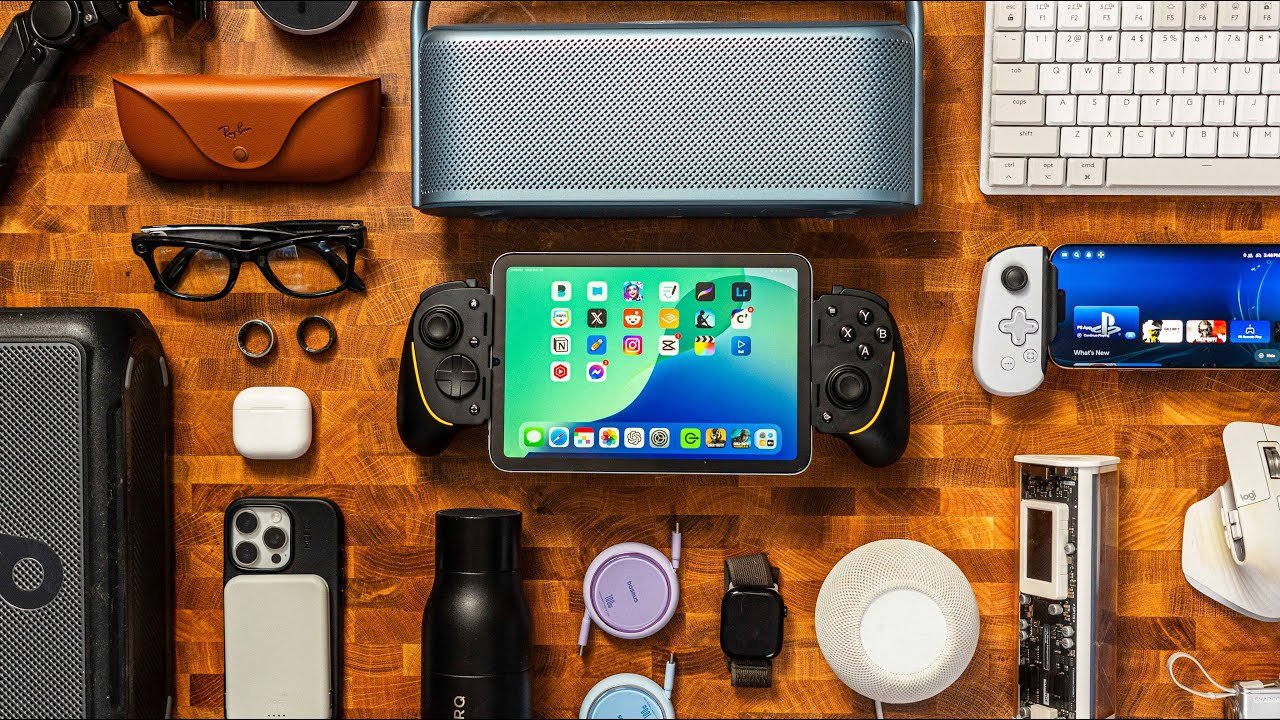

Introduction to Smart Gadgets
Smart gadgets represent a transformative evolution in technology, intertwining seamless connectivity with everyday living. These innovative devices, equipped with internet connectivity and advanced software, allow users to manage and control various aspects of their home and personal environment from virtually anywhere. From smart thermostats to intelligent lighting systems, these gadgets enhance convenience and efficiency, fundamentally changing how individuals interact with technology.
The rise of smart gadgets can be attributed to the rapid advancement of the Internet of Things (IoT), a network allowing communication between devices. This interconnected infrastructure has enabled a broad range of devices, encompassing everything from smartphones and tablets to home appliances, to function intelligently. The capacity to collect, analyze, and act on data empowers users to make informed decisions about their home environments, potentially leading to improved energy efficiency and security.
Embracing smart technology in one’s daily life offers numerous advantages. For instance, smart home devices enhance safety, enabling users to monitor their residences remotely or receive alerts about unusual activities. Furthermore, automation features allow for routines that can simplify mundane tasks, such as adjusting the lighting based on the time of day or regulating the thermostat to optimize energy usage.
Smart gadgets also foster an eco-friendly approach to living, as many of these devices are designed with energy conservation in mind. Consumers looking to reduce their carbon footprint can leverage these technologies to not only save on utility bills but also contribute to a more sustainable future. As society becomes increasingly reliant on technology, smart gadgets will continue to play a pivotal role in modern living, offering solutions that enhance comfort, security, and overall quality of life.
Trends in Smart Technology for 2023
As we navigate through 2023, the landscape of smart technology continues to evolve at a remarkable pace, reflecting advancements and shifting consumer preferences. One notable trend is the growing integration of artificial intelligence (AI) in various smart gadgets. From smart speakers that learn user preferences to home automation systems that optimize energy usage, AI enhances functionality and personalizes user experience.
In addition, health and wellness devices have gained tremendous popularity. Wearables such as fitness trackers and smartwatches not only monitor physical activities but also track vital health metrics, offering insights that can lead to healthier lifestyles. As consumers increasingly prioritize their well-being, brands are responding with innovations that focus on holistic health management.
Another category witnessing significant developments is the smart home sector. Devices such as smart thermostats, lighting systems, and security cameras utilize IoT (Internet of Things) technology to create interconnected environments. This interconnectivity allows users to control their home settings through mobile applications, enabling greater convenience and energy efficiency. Moreover, consumers are gravitating towards products that enhance security and safety at home, which has spurred innovations in smart locks and surveillance systems.
Furthermore, sustainability has emerged as a key consideration for consumers, guiding their purchasing decisions. Many companies are now developing smart gadgets that not only meet performance expectations but also emphasize energy efficiency and eco-friendliness. This trend signifies a shift towards more responsible consumption, wherein consumers seek products that contribute positively to the environment.
In summary, the trends in smart technology for 2023 showcase a blend of innovation, consumer-centric designs, and a strong focus on health and sustainability. These advancements are not only shaping the gadgets available in the market but also influencing how consumers interact with technology in their daily lives.
Top Smart Home Gadgets
As advancements in technology continue to evolve, smart home gadgets have become essential tools for enhancing convenience, security, and overall home automation. This year, several devices stand out as particularly worthy investments for those looking to upgrade their living spaces.
The Amazon Echo (4th Gen) remains a top option for anyone seeking a versatile smart speaker. Equipped with the Alexa voice assistant, it not only streams music and provides weather updates but also manages smart home devices through intuitive voice commands, enhancing the overall connected experience. Its sleek design complements any room, making it both a practical and aesthetic addition.
Wyze Cam v3 is another highly recommended smart gadget, known for its budget-friendly pricing without compromising quality. This indoor/outdoor security camera offers HD video, night vision, and motion detection, ensuring that homeowners can monitor their property effectively. With affordable cloud storage options and easy integration with other smart devices, it is a significant tool for enhancing home security.
For those looking to streamline home lighting, the Philips Hue Smart Bulbs are an excellent choice. These bulbs allow users to customize lighting settings via a smartphone app or voice controls. With a vast range of colors and the ability to set schedules or routines, Philips Hue bulbs not only contribute to energy efficiency but also create ambiance tailored to any occasion.
Another gadget to consider is the August Smart Lock Pro, which provides keyless entry for added security and convenience. It allows users to grant temporary access to guests while maintaining complete control over their home’s entry points. This smart lock is compatible with various smart home systems, making it an essential component of modern security solutions.
These smart home devices exemplify the significant benefits of upgrading to a connected living environment, promoting safety, efficiency, and enhanced comfort throughout the home.
Smart Wearables That Stand Out
The increasing adoption of smart wearables has revolutionized the way individuals manage their health and fitness. This category of gadgets includes smartwatches, fitness trackers, and advanced health monitoring devices, each offering unique features that cater to a diverse range of user needs. One of the primary reasons for the popularity of these devices is their ability to provide real-time data, aiding users in making informed decisions about their health.
Smartwatches, for instance, have evolved beyond simple notification systems to become comprehensive health monitoring tools. They can track heart rates, monitor sleep patterns, and even analyze stress levels. Devices from leading brands now offer functions like ECG capabilities and blood oxygen saturation measurements, thus enabling users to gain insights into their cardiovascular health. The convenience of having this data available at one’s wrist cannot be overstated, as it encourages proactive health management.
Fitness trackers, on the other hand, specialize in tracking physical activity and have become essential for fitness enthusiasts. They can monitor steps taken, calories burned, and distance traveled, while also offering various workout modes for activities such as running, cycling, and swimming. Many models include personalized coaching features that guide users through workouts, thereby enhancing their exercise experience. The gamification aspect of competing with friends or achieving set goals also motivates users to stick with their fitness regimes.
Moreover, health monitoring devices specifically designed for chronic conditions offer invaluable support for management. For example, continuous glucose monitors and blood pressure monitors are capable of tracking conditions in real time, facilitating timely medical interventions. As such, the integration of technology in managing health has made these gadgets indispensable in today’s society.
Smart Devices for Entertainment
In today’s digital age, smart devices have transformed the entertainment landscape, making streaming, viewing, and listening experiences more dynamic and user-friendly. Among the most popular smart gadgets released this year, streaming devices remain a staple, allowing seamless access to various content platforms. Devices such as the Amazon Fire TV Stick and Roku Ultra enable users to stream videos from Netflix, Hulu, and other services in high definition, all from the convenience of a single remote.
Additionally, the surge in popularity of smart TVs continues to redefine home entertainment setups. Modern smart TVs come integrated with popular streaming services, eliminating the need for external devices. Brands like LG and Samsung are pioneering this technology, offering features such as voice control, personalized recommendations, and enhanced picture quality with 4K and OLED displays. These functionalities not only enhance viewing but also simplify the way users interact with their favorite shows and movies.
Audio systems have also markedly evolved, with smart speakers and soundbars leading the charge. Devices like the Sonos One and Amazon Echo Studio provide users with high-fidelity sound and the option to control their music with voice commands. These audio solutions often support multi-room capabilities, allowing for tailored sound experiences throughout the home. Moreover, many of these systems integrate seamlessly with other smart home devices, contributing to a unified entertainment setup.
When considering the best smart gadgets for entertainment this year, it’s essential to evaluate their compatibility with existing systems, audio quality, and user-friendly features. With a plethora of options available, investing in these technologies will undoubtedly enhance your overall entertainment experience, providing more fun, flexibility, and enjoyment during at-home viewing or listening sessions.
Smart Gadgets for Work and Productivity
In the contemporary work environment, smart gadgets have increasingly become essential tools for enhancing productivity and efficiency. One such gadget is the smart desk, designed to foster better ergonomics while facilitating a seamless workflow. These desks often include features like adjustable heights, integrated charging ports, and connectivity options that make transitioning between sitting and standing positions effortless, ultimately fostering a healthier workplace.
Digital assistants are another aspect of smart technology that can significantly boost productivity. Devices like Amazon Echo or Google Nest allow users to integrate various tasks through voice commands. From setting reminders to controlling smart home features, these digital assistants can streamline day-to-day operations, freeing up time for more critical tasks. By simply announcing a command, employees can manage their schedules more effectively and ensure they stay on top of deadlines without the distraction of manual input.
Furthermore, organizational tools exemplifying smart technology, such as smart planners and task management apps, play a pivotal role in optimizing workflow. Applications like Trello or Asana leverage smart functionalities to help users organize activities, prioritize tasks, and collaborate efficiently with team members. These platforms are essential for both remote and in-office environments, enabling teams to track progress in real-time and maintain cohesive communication throughout projects.
Additionally, smart gadgets like noise-canceling headphones foster an environment conducive to focused work, particularly in shared spaces. These devices not only help in minimizing distractions but also cater to various auditory preferences, allowing employees to cultivate a personalized working atmosphere. Together, these smart gadgets facilitate a structured approach to productivity, simplifying complex tasks and improving overall workplace efficiency.
Considerations When Buying Smart Gadgets
As consumers increasingly explore the world of smart gadgets, there are several key considerations to keep in mind before making a purchase. Firstly, compatibility is paramount. It is crucial to ensure that the smart gadget seamlessly integrates with existing devices and platforms, such as smartphones, smart home ecosystems, or operating systems. A gadget that lacks compatibility can lead to frustration and an underwhelming experience.
Next, pricing should be evaluated. Smart gadgets can vary significantly in price, and it is important to find a balance between features and budget. High-end devices often come with advanced functionalities, but there may be more economical options that meet essential requirements. Conducting thorough research can help consumers identify gadgets that provide good value for money without compromising on necessary capabilities.
User reviews play a vital role in the decision-making process. Reading feedback from current users can provide insights into the performance, reliability, and quality of a gadget. Evaluating both positive and negative reviews can help prospective buyers make informed choices, tailoring selections to their specific preferences and requirements. It is advisable to check reviews across multiple platforms to gather a well-rounded understanding of a product’s strengths and weaknesses.
Lastly, long-term usability is a significant factor. Consumers should consider the longevity of their investment. This includes looking into product durability, software updates, and the availability of customer support. A smart gadget that requires frequent updates or lacks adequate support may become obsolete or underperforming sooner than expected. Therefore, taking the time to assess these considerations can lead to a more satisfying and worthwhile purchase, ultimately enhancing the smart living experience.
Future Outlook for Smart Gadgets
The smart gadget landscape is continuously evolving, with innovations reshaping how consumers interact with technology. Looking beyond 2023, the anticipated advancements in smart gadgets suggest a more integrated and intuitive approach to home automation and personal devices. As artificial intelligence (AI) becomes more sophisticated, smart gadgets will likely exhibit improved learning capabilities, enabling them to adapt to user preferences and behavioral patterns seamlessly.
One notable trend we can expect is the proliferation of smart home ecosystems. These systems will increasingly allow various devices—from smart speakers and thermostats to security cameras and kitchen appliances—to communicate and function cohesively. A primary goal will be to enhance user experience through automation; for instance, a person arriving home could trigger a series of actions such as unlocking the door, adjusting the temperature, and turning on lights, all orchestrated by a central smart assistant.
Furthermore, with the impending rollout of 5G networks, the connectivity and performance of smart gadgets will dramatically improve. Enhanced data speeds and lower latency will allow for real-time interaction between devices, leading to more responsive smart environments and the ability to control gadgets remotely without lag. This connectivity is essential for emerging categories of devices, such as wearables that monitor health metrics in real-time, ensuring that users can access critical information instantaneously.
As we gaze into the future, sustainability will likely play a pivotal role in the development of smart gadgets. Manufacturers are expected to prioritize energy efficiency and environmentally friendly materials, addressing growing consumer demand for ethical technology. Smart gadgets that reduce energy consumption and utilize renewable resources will become increasingly prevalent, reflecting a broader commitment to sustainability.
In conclusion, the future of smart gadgets appears promising, driven by innovations that emphasize integration, connectivity, and sustainability. These advancements will not only improve user experiences but will also redefine our interactions with technology in everyday life.
Conclusion: Embracing Smart Technology
In the rapidly evolving world of technology, smart gadgets have become integral to modern life, providing users with enhanced convenience, efficiency, and enjoyment. As we have explored, these devices span various categories, from home automation systems to wearable technology, fundamentally altering how we interact with our surroundings. The adoption of smart gadgets is not merely a trend; it represents a significant shift towards a more connected and intelligent lifestyle that simplifies daily routines and tasks.
By integrating smart technology into everyday life, individuals can unlock numerous advantages, such as greater control over home environments, improved energy efficiency, and seamless management of personal tasks. For example, smart thermostats can optimize heating and cooling, leading to energy conservation and cost savings. Similarly, smart home assistants can facilitate scheduling and reminders, streamlining day-to-day responsibilities.
Moreover, the implementation of smart gadgets promotes a more enjoyable experience, transforming mundane tasks into engaging activities. Whether it is through interactive home entertainment systems or fitness trackers that motivate users to achieve their health goals, the presence of these devices enriches life significantly. Thus, it is essential for consumers to consider the potential benefits of incorporating smart technology into their lives.
As the landscape of technology continues to evolve, now is the opportune time for individuals to embrace smart gadgets. By adopting these innovations, one not only stays ahead in the technological curve but also enhances overall quality of life. Therefore, whether one is considering personal devices, home automation systems, or interconnected ecosystems, investing in smart gadgets this year can pave the way for a more efficient, enjoyable, and convenient living experience.