
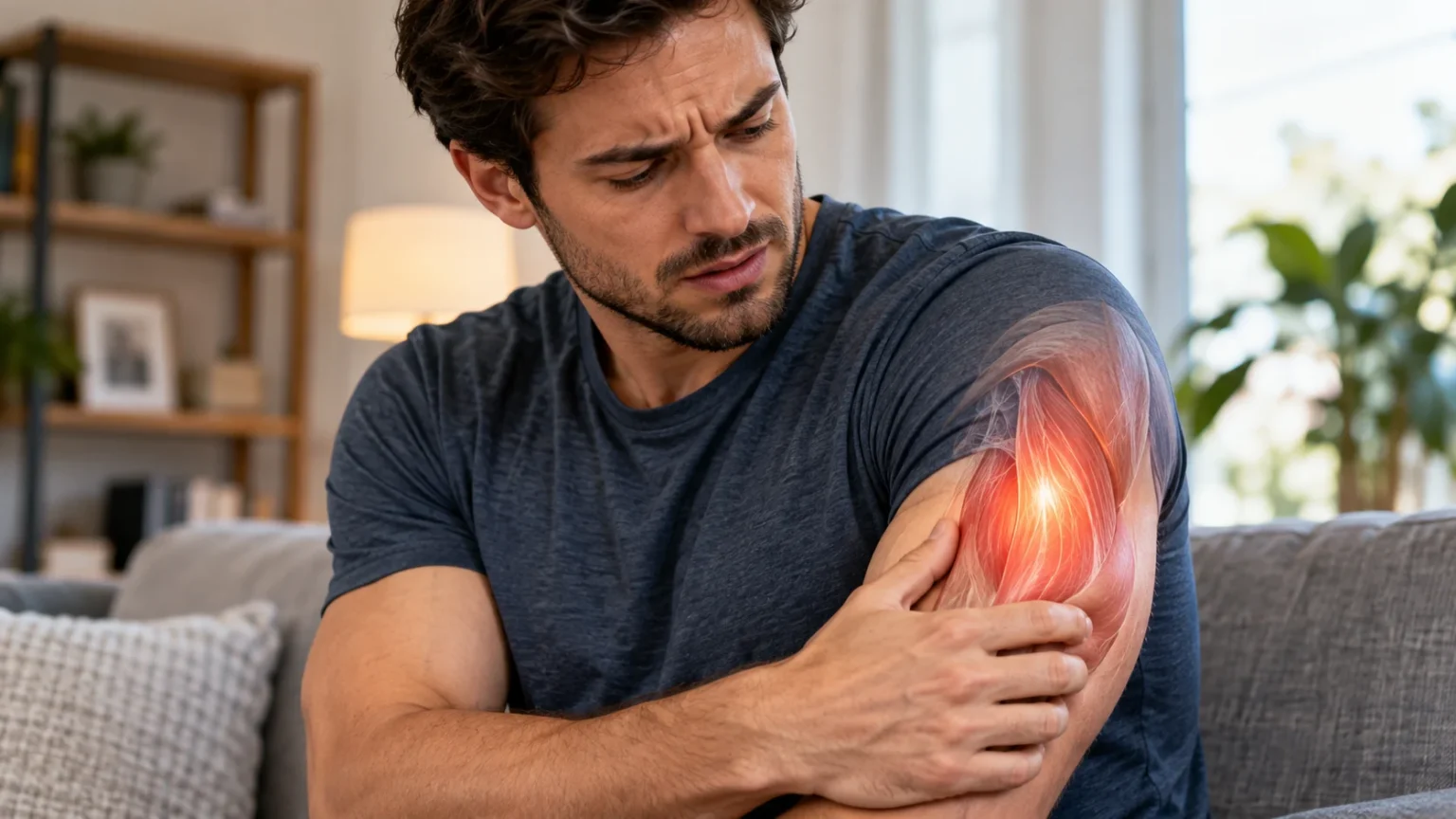

What Does Muscle Twitching in the Upper Arm Mean?
Muscle twitching in the upper arm usually feels like a small, involuntary movement under the skin. It may happen in the biceps, triceps, shoulder area, or nearby muscles and can last for a few seconds or return repeatedly throughout the day. In many cases, these brief muscle contractions are harmless and settle once the underlying trigger improves.
The medical term often used for small involuntary muscle twitches is fasciculation. A fasciculation happens when a group of muscle fibers contracts without you intentionally moving the muscle. You may notice visible rippling beneath the skin, a fluttering sensation, or a quick pulse that seems to occur randomly while your arm is resting.
Occasional upper arm twitching can occur after exercise, stress, poor sleep, dehydration, or excessive caffeine intake. More persistent twitching may have other causes, especially when it appears with weakness, numbness, muscle loss, or significant pain. Looking at when the twitching started and what other symptoms are present can provide useful clues about what may be happening.
Common Causes of Upper Arm Muscle Twitching
Fatigue is one of the most common reasons an upper arm muscle may begin twitching. Repetitive lifting, resistance training, manual work, or carrying heavy objects can temporarily irritate or exhaust muscle fibers. The twitching may become more noticeable when you finally rest because tired muscles can continue producing small contractions after the activity has ended.
Stress and anxiety can also contribute to muscle twitching because they affect the nervous system and increase muscle tension. When your body remains in a heightened state of alertness, small muscle movements may become more frequent or noticeable. People who are worried about the twitching may also pay closer attention to it, which can make every contraction feel more significant.
Other common triggers include dehydration, inadequate nutrition, stimulant use, and disrupted sleep. Certain medications may also contribute to muscle twitching in some people. Because multiple everyday factors can overlap, improving hydration, rest, nutrition, and recovery may help when the twitching is occasional and there are no concerning additional symptoms.
Can Exercise Cause the Muscle in Your Upper Arm to Twitch?
Exercise can definitely trigger temporary upper arm twitching, particularly after strength training or unfamiliar activity. Exercises involving the biceps, triceps, shoulders, chest, or upper back can fatigue the muscles and temporarily increase nerve activity. Twitching may develop shortly after training or later in the day once the muscles begin recovering from repeated contractions.
Muscles also use fluids, electrolytes, and energy during physical activity. Heavy sweating or exercising without adequate hydration can sometimes contribute to cramping, fatigue, or involuntary muscle movements. People who suddenly increase training volume or intensity may notice these sensations more often because their muscles have not yet adapted to the additional workload.
Recovery matters throughout the body, not only in the arm that is twitching. Balancing strength work with mobility and controlled movement can help reduce unnecessary strain, especially when several areas feel tight or overloaded. For example, incorporating appropriate SI joint exercises alongside broader mobility work may support more balanced movement when lower-body stiffness is affecting overall exercise mechanics.
Dehydration and Electrolyte Imbalances
Water plays an important role in normal muscle and nerve function. When you become dehydrated, changes in fluid balance can affect how nerves communicate with muscles, sometimes resulting in twitching, cramping, or unusual sensations. This is especially relevant after intense exercise, prolonged sweating, hot weather, illness, or any situation where the body loses significant amounts of fluid.
Electrolytes such as magnesium, potassium, calcium, and sodium also help muscles contract and relax normally. Significant imbalances can interfere with normal nerve signaling and muscle function. However, muscle twitching alone does not automatically mean you have an electrolyte deficiency, and taking supplements without knowing whether a deficiency exists is not always helpful or appropriate.
A balanced diet and regular fluid intake are usually reasonable starting points for everyday muscle health. If twitching repeatedly occurs alongside severe cramps, weakness, vomiting, prolonged diarrhea, or other symptoms that could affect fluid balance, medical evaluation may be appropriate. Blood testing can sometimes help determine whether an electrolyte or nutritional problem is contributing to ongoing symptoms.
Stress, Anxiety, and Lack of Sleep
Stress can influence muscles more than many people realize. When the nervous system remains activated for long periods, muscles may stay tense and become more sensitive to small involuntary contractions. Twitching may occur in the upper arm, eyelids, legs, or other areas and can become particularly noticeable when you are sitting quietly or trying to fall asleep.
Anxiety can create a cycle in which the twitch itself becomes another source of concern. You notice the muscle moving, worry about what it means, and then become more physically tense and alert. That heightened awareness can make you monitor your body more closely, causing normal or temporary muscle activity to feel unusually intense or persistent.
Poor sleep can add to this cycle because the nervous system and muscles need adequate recovery. Several nights of inadequate rest may contribute to fatigue, irritability, increased caffeine use, and greater muscle tension. Improving sleep consistency, reducing unnecessary stimulants, and allowing time for physical recovery may help when twitching appears during particularly stressful or exhausting periods.
Can Too Much Caffeine Cause Arm Twitching?
Caffeine stimulates the central nervous system and can increase alertness, energy, and nerve activity. For some people, high caffeine intake may also contribute to shakiness, restlessness, a faster heartbeat, or muscle twitching. Coffee, energy drinks, pre-workout products, tea, soft drinks, and certain supplements can all contribute to total daily caffeine intake.
The amount that causes symptoms varies considerably between individuals. Someone who regularly drinks several caffeinated beverages may tolerate more than someone who rarely uses caffeine, while stress and lack of sleep may increase sensitivity. Pre-workout supplements can be particularly relevant because they may contain caffeine along with other stimulants that increase nervous system activity.
If upper arm twitching started after increasing caffeine or stimulant intake, reducing consumption gradually may be worth considering. Sudden large reductions can sometimes cause headaches or fatigue in regular caffeine users, so a gradual approach may feel easier. If twitching continues despite adjusting caffeine, other possible causes should also be considered rather than assuming stimulants are responsible.
Nerve Irritation and Upper Arm Twitching
Muscles depend on nerves to tell them when to contract. Irritation or compression affecting nerves in the neck, shoulder, or arm may sometimes produce twitching along with tingling, numbness, burning, or pain. Symptoms can vary depending on which nerve is involved and where the irritation occurs along the pathway from the spine to the arm.
Neck problems can sometimes affect nerves that travel into the shoulder, arm, and hand. Poor posture, repetitive movements, injuries, or changes in spinal structures may contribute to nerve irritation in some people. When twitching consistently occurs on one side and is accompanied by radiating pain or sensory changes, it may be worth discussing these symptoms with a healthcare professional.
Not every nerve-related sensation indicates a serious problem. Mild irritation can sometimes improve with changes in posture, activity, and recovery. However, persistent numbness, increasing weakness, loss of coordination, severe neck pain, or difficulty using the arm should not be ignored because these symptoms may require a more detailed medical or neurological assessment.
Could a Vitamin Deficiency Cause Muscle Twitching?
Certain nutritional deficiencies can affect nerve and muscle function, but twitching alone is not enough to identify a specific deficiency. Low levels of nutrients involved in nerve signaling or muscle contraction may sometimes contribute to symptoms such as weakness, tingling, fatigue, cramps, or involuntary movements. The overall pattern of symptoms is usually more informative than twitching by itself.
Dietary restrictions, digestive problems, certain medical conditions, and some medications can increase the likelihood of specific nutritional deficiencies. People who have ongoing symptoms may benefit from discussing their diet and health history with a clinician. Laboratory testing can help confirm a deficiency instead of relying on symptoms that may have many unrelated explanations.
Taking large doses of vitamins or minerals without guidance is not necessarily a safe solution. Some nutrients can cause side effects or interact with medications when consumed excessively. A balanced diet containing varied sources of protein, vegetables, fruits, whole foods, and essential minerals generally supports muscle function, while suspected deficiencies are better addressed after proper evaluation.
Why Does the Upper Arm Twitch While Resting?
Twitching can sometimes become more noticeable during rest simply because there are fewer distractions. Small contractions that might go unnoticed while walking, working, or exercising may feel obvious when you are sitting on the sofa or lying in bed. This does not automatically mean the muscle problem becomes worse when you stop moving.
Muscle fatigue from earlier activity can also continue after exercise has finished. Nerves and muscle fibers may remain temporarily excitable as the body recovers, producing brief twitches during periods of relaxation. This can happen after weightlifting, repetitive work, sports, or even an unusually active day involving movements your body is not accustomed to performing.
Resting twitching becomes more important to evaluate when it is persistent, progressively worsening, or accompanied by other neurological symptoms. Weakness, difficulty gripping objects, noticeable muscle wasting, persistent numbness, or problems with coordination deserve medical attention. Isolated twitching without these symptoms is often less concerning, although persistent changes should still be discussed with a professional.
How to Reduce Upper Arm Muscle Twitching
The best way to reduce twitching depends on what is triggering it. If symptoms began after heavy exercise, allowing the muscle adequate recovery may help. Temporarily reducing training intensity, avoiding repeated strain, maintaining normal gentle movement, and getting adequate sleep can give fatigued muscle fibers and the surrounding nervous system time to settle.
Hydration and balanced nutrition are also important parts of normal muscle function. Drink fluids regularly, particularly around exercise or hot weather, and maintain meals that provide adequate energy and nutrients. If caffeine or pre-workout stimulants appear to trigger symptoms, reducing them may help determine whether nervous system stimulation is contributing to the twitching.
Gentle relaxation techniques may be beneficial when stress and muscle tension are involved. Slow breathing, light movement, comfortable stretching, and regular sleep routines can support recovery without aggressively manipulating the twitching muscle. Avoid repeatedly testing the arm with strenuous exercises, since constantly checking strength or provoking the muscle can add fatigue and make the sensation more noticeable.
When Should You Be Concerned About Arm Twitching?
Occasional muscle twitching that disappears on its own and occurs without other symptoms is often not an emergency. It may follow exercise, stress, caffeine intake, dehydration, or lack of sleep. Keeping track of when the twitching happens can help you identify patterns and determine whether simple lifestyle changes influence how frequently it occurs.
Medical evaluation becomes more important when twitching persists for weeks, spreads to multiple areas, or appears alongside progressive muscle weakness. Other concerning symptoms can include visible muscle wasting, persistent numbness, severe pain, significant loss of coordination, or difficulty performing normal tasks. These combinations provide more information than twitching alone and may justify neurological or musculoskeletal assessment.
Seek urgent medical care if sudden arm symptoms occur with signs such as facial weakness, difficulty speaking, severe chest discomfort, trouble breathing, or sudden loss of movement or sensation. These symptoms can have causes that require immediate attention. Do not wait for a persistent twitch to improve on its own when significant or rapidly developing neurological symptoms are present.
How Doctors May Evaluate Persistent Muscle Twitching
A healthcare professional will usually begin by asking when the twitching started, where it occurs, and whether anything makes it better or worse. Information about exercise, caffeine intake, sleep, stress, medications, supplements, injuries, and other symptoms can help narrow the possibilities. The clinician may also examine strength, reflexes, sensation, movement, and muscle appearance.
Depending on the symptoms and medical history, further testing may or may not be necessary. Blood tests can sometimes be used to investigate electrolyte levels, nutritional issues, thyroid function, or other possible contributors. When nerve or muscle problems are suspected, additional neurological testing may be considered based on the examination rather than automatically ordered for every case.
The purpose of evaluation is to look at the entire clinical picture instead of treating twitching as an isolated diagnosis. Most causes are identified through the combination of symptoms, history, examination, and appropriate testing when needed. Sharing details about weakness, pain, numbness, exercise habits, medication changes, or symptom progression can help make that evaluation more informative.
Conclusion
A muscle in the upper arm twitching can happen for many everyday reasons, including exercise fatigue, dehydration, stress, insufficient sleep, and excessive caffeine. Small involuntary contractions are often temporary and may disappear as the muscle and nervous system recover. Looking for patterns around activity, sleep, hydration, and stimulant use can help you better understand what may be contributing.
Persistent twitching deserves more attention when additional symptoms are present. Weakness, muscle loss, numbness, radiating pain, coordination problems, or worsening symptoms may indicate that a nerve, muscle, nutritional, or other health issue needs evaluation. The presence of these symptoms matters more clinically than the twitching sensation alone.
If the twitching is mild and occasional, adequate rest, hydration, balanced nutrition, and sensible exercise recovery may be reasonable first steps. If it continues, worsens, or begins interfering with normal arm function, speak with a healthcare professional. A proper assessment can help determine the cause and whether any specific treatment or testing is needed.
FAQs
Is upper arm muscle twitching usually serious?
Occasional upper arm twitching is commonly associated with fatigue, exercise, stress, caffeine, or dehydration and may resolve naturally. Persistent twitching combined with weakness, numbness, muscle loss, or worsening symptoms should be medically evaluated.
Why is my bicep twitching randomly?
Random bicep twitching may happen after exercise, insufficient sleep, dehydration, stress, stimulant use, or temporary muscle fatigue. If it continues for an extended period or appears with weakness or pain, consider seeking medical advice.
Can anxiety make your upper arm twitch?
Yes, stress and anxiety can increase nervous system activity and muscle tension, which may make involuntary contractions more noticeable. Improving sleep, managing stress, and reducing excessive stimulants may help when these factors contribute.
How long can muscle twitching last after exercise?
Exercise-related twitching may occur briefly after activity or intermittently during recovery. The duration depends on workout intensity, muscle fatigue, hydration, and individual recovery, but ongoing or worsening symptoms should not automatically be attributed to exercise.
When should I see a doctor about muscle twitching?
Consider medical evaluation if twitching persists, becomes more frequent, spreads, or occurs with weakness, numbness, muscle wasting, severe pain, or coordination changes. Sudden major neurological symptoms require urgent medical attention.