

Cock Rings: Safe Use, Risks & What to Know
Cock rings, sometimes called penis rings, erection rings, or constriction rings, are devices designed to fit around the penis or around the penis and testicles. People may use them to help maintain an erection, change sensation, or explore different experiences during consensual sexual activity. Although they are widely available, safe use matters because an overly tight ring or one worn too long can interfere with normal blood circulation. Understanding fit, materials, time limits, warning signs, and proper removal can greatly reduce the chance of injury. Beginners should especially choose products that are easy to adjust or remove rather than rigid designs. Knowing what is normal and what signals a problem makes cock ring use more comfortable and responsible.
Cock rings are not a substitute for professional evaluation when someone regularly experiences difficulty getting or maintaining an erection. Erectile dysfunction can sometimes be connected with circulation problems, medication effects, hormone changes, stress, diabetes, cardiovascular disease, or other health concerns. A ring may temporarily help some people maintain firmness by slowing the movement of blood out of the penis, but it does not address the underlying cause of persistent erectile problems. Safe sexual wellness involves paying attention to comfort rather than assuming tighter pressure will create better results. Pain, numbness, unusual swelling, cold skin, or significant discoloration should never be ignored. Learning how cock rings work is therefore an important first step before deciding whether one is appropriate.
What Are Cock Rings and How Do They Work?
A cock ring is a circular or adjustable device placed around the base of the penis, with some designs also surrounding the testicles. Its main physical effect comes from applying gentle pressure that can slow the return of blood from erectile tissue. During an erection, blood flows into the penis and normally begins leaving as stimulation decreases or natural circulation changes. A properly fitted erection ring may temporarily reduce that outward blood flow, allowing firmness to remain for a longer period. The device should never completely block circulation or create severe pressure around surrounding tissues. Comfortable constriction is very different from painful compression, which is why choosing the correct size and material matters significantly.
Many people assume that a tighter penis ring automatically creates a stronger or longer-lasting erection, but this approach can be dangerous. The goal is not to trap blood indefinitely or prevent all circulation through the area. Instead, a properly used constriction ring applies enough pressure to influence blood flow while still allowing normal sensation and tissue health. The penis should not become increasingly painful, severely swollen, unusually cold, or dramatically darker while the ring is being worn. These symptoms can indicate excessive restriction that requires immediate removal. Because individual anatomy varies considerably, a ring that feels comfortable for one person may be far too tight for another, making personal fit more important than general sizing assumptions.
Cock rings are sometimes used by people without erectile difficulties simply because they enjoy the feeling of gentle pressure or increased awareness. Others may use an erection ring as part of a broader approach to erectile support, particularly when recommended alongside a vacuum erection device. Medical-style constriction rings are designed differently from many products marketed primarily for recreational sexual use, so instructions can vary considerably. Whatever the reason for using one, the fundamental safety principles remain similar, including appropriate sizing, limited wear time, intact sensation, and easy removal. Users should familiarize themselves with the design before becoming erect rather than discovering the release mechanism afterward. Preparation can make removing the ring significantly easier if discomfort develops unexpectedly.
The effectiveness of an erection ring can depend on factors such as ring placement, material flexibility, erection quality, circulation, and individual anatomy. Some people notice a meaningful difference in firmness, while others experience little change or find the pressure uncomfortable. Expectations should therefore remain realistic rather than treating cock rings as guaranteed solutions for sexual performance concerns. Stress about maintaining an erection can itself affect sexual function, so focusing exclusively on firmness may sometimes create additional pressure. Comfort, communication, and overall sexual wellbeing are more important than achieving a specific level of hardness. If erectile difficulties happen repeatedly, discussing the issue with a healthcare professional can provide more useful information than repeatedly increasing constriction pressure.
Cock rings can appear simple, but they interact directly with blood vessels, nerves, skin, and sensitive genital tissues. That makes responsible use more important than it may initially seem when looking at a small silicone, rubber, or metal device. Flexible beginner-friendly rings generally provide more room for adjustment and easier removal than rigid alternatives. A person trying a ring for the first time should learn how to put it on, remove it, and release it quickly before actual use. Lubrication can also reduce uncomfortable pulling or pinching when appropriate for the material being used. Understanding these basics allows people to approach cock rings as devices requiring sensible precautions rather than assuming any size or technique is automatically safe.
Types of Cock Rings and How to Choose the Right Fit
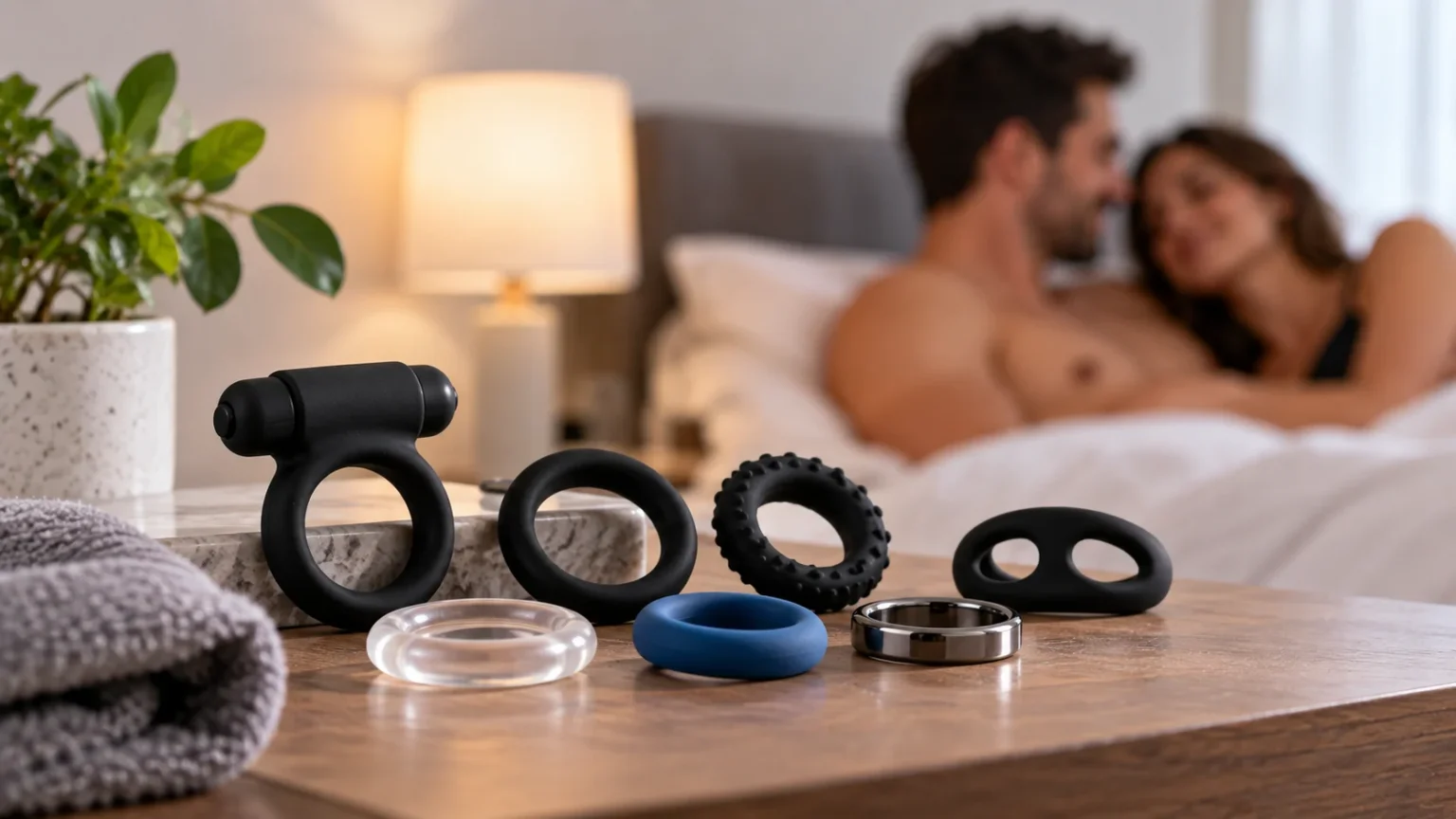
Cock rings are available in several designs, including stretchy silicone rings, adjustable straps, snap-style rings, rigid rings, and combination models. Flexible silicone options are often more forgiving because they can stretch during application and removal while adapting somewhat to different body shapes. Adjustable cock rings allow users to control the amount of pressure, which can make them especially practical for beginners learning what feels comfortable. Rigid rings made from metal or hard materials offer almost no flexibility once they are in place. Because rigid products can become difficult to remove if swelling develops, sizing needs to be particularly accurate. Beginners generally benefit from choosing a design with an obvious and quick release mechanism rather than prioritizing appearance.
Size is one of the most important factors affecting cock ring safety because both overly tight and overly loose products can create problems. A ring that is too loose may not remain securely positioned or provide the intended amount of gentle constriction. One that is too tight may cause pain, numbness, excessive swelling, discoloration, or difficulty removing the device. Manufacturers may provide sizing instructions based on circumference or diameter, and those instructions should be followed carefully because sizing systems differ. Measurements should not be guessed simply from appearance or comparisons with another person’s experience. Whenever someone is uncertain between sizes, an adjustable or flexible product usually offers greater control than choosing a rigid ring that cannot accommodate changes.
Material quality also affects comfort, hygiene, flexibility, and durability during cock ring use. Body-safe silicone is popular because it is generally smooth, flexible, nonporous, and relatively easy to clean when manufactured properly. Some inexpensive rubber-like products may contain materials that feel sticky, develop odors, deteriorate quickly, or irritate sensitive skin. People with known sensitivities should check product materials carefully rather than assuming every flexible ring contains the same ingredients. Metal cock rings are durable and easy to clean but require more precise sizing because they cannot expand when tissues become swollen. Choosing a reputable product made from clearly identified materials can reduce uncertainty and make regular cleaning and inspection much easier.
Some cock rings are designed to fit only around the base of the penis, while others are intended to surround both the penis and testicles. These two placements can feel significantly different and may require different sizing, technique, and levels of experience. Designs that include additional attachments or multiple loops can also create more pressure points than a simple single ring. New users should generally avoid complicated products until they understand how their body responds to basic genital constriction. Simpler designs make it easier to recognize whether pressure, pinching, numbness, or swelling is developing. Regardless of style, the product should sit securely without digging sharply into skin or creating an uncomfortable pulling sensation during movement.
Choosing the right cock ring should prioritize safety and comfort rather than claims about maximum firmness or extreme pressure. A suitable product allows a person to remain aware of normal sensation and should be removable without excessive force. People should also consider whether they can easily reach the release mechanism from the position in which the ring will be used. Flexible or adjustable designs can provide valuable peace of mind because pressure can be reduced quickly when necessary. Before using any new product, inspect it for sharp edges, cracks, damaged clasps, rough seams, or weakened material that could irritate skin. Taking a few minutes to evaluate fit and construction can prevent situations that become much more difficult once swelling or a firm erection develops.
How to Use a Cock Ring Safely
Safe cock ring use begins before the ring is actually placed on the body because preparation makes both application and removal easier. Read the manufacturer’s instructions carefully, particularly if the product uses snaps, adjustable closures, multiple loops, or another unfamiliar mechanism. Practice opening and closing the ring beforehand so the release method is easy to recognize without hesitation. Ensure the device is clean, undamaged, and compatible with any lubricant that may be used during application. A small amount of appropriate lubricant may reduce uncomfortable skin friction or hair pulling, depending on the design and placement. However, excessive lubrication can sometimes make certain products slide unexpectedly, so comfort and secure positioning should both be considered.
Placement depends on the specific design, and users should follow the instructions supplied with their particular erection ring. Some rings are intended to sit around the penis only, while others are specifically designed to include the testicles. Trying to use a device in a position for which it was not designed can create unnecessary pressure and make removal more difficult. Once the ring is positioned, it should feel snug rather than painfully tight, and normal sensation should remain present. Check the skin periodically instead of ignoring changes because attention may be focused on other aspects of sexual activity. Any increasing pain, significant numbness, unusual coldness, severe swelling, or concerning color change means the device should be removed promptly.
Time is another important part of cock ring safety because prolonged constriction can increase the risk of tissue and circulation problems. Many sexual health professionals recommend keeping use relatively brief and avoiding extended wear, particularly for people who are inexperienced with constriction devices. A commonly used safety limit is around 20 to 30 minutes, although individual products may provide more specific instructions. The ring should always be removed sooner if discomfort or unusual symptoms occur, regardless of how little time has passed. Do not fall asleep while wearing a cock ring because circulation changes may continue unnoticed. Setting a timer can be useful for people who are concerned about losing track of how long the device has remained in place.
Removing the ring should be straightforward when it fits correctly, which is another reason quick-release or flexible products are useful for beginners. Stop stimulation first if increasing erection firmness is making removal difficult, and allow the erection to decrease when possible. Apply a compatible lubricant around the ring if additional slipperiness is needed to prevent painful skin pulling. Adjustable rings should be loosened gradually rather than pulled aggressively across swollen tissue. Flexible rings can often be gently stretched and moved away from the body while protecting the surrounding skin. If a rigid ring cannot be removed because of severe swelling or persistent erection, attempting dangerous cutting methods at home can worsen injury and emergency medical care may be necessary.
After removal, normal skin color and sensation should gradually return without significant pain or ongoing swelling. Mild temporary pressure marks can sometimes occur, but persistent numbness, bruising, strong pain, or unusual discoloration deserves greater attention. Allow the genital area to recover before putting the ring back on rather than repeatedly applying constriction during the same period. Reusing a ring immediately after discomfort occurred can make irritation or swelling worse. The device should also be washed according to its material instructions before storage, particularly when it has been exposed to bodily fluids or lubricant. Safe use is therefore a complete process involving preparation, careful monitoring, timely removal, hygiene, and recovery rather than simply putting a ring on correctly.
Cock Ring Risks, Side Effects, and Warning Signs
Most problems associated with cock rings occur when a device is too tight, worn for too long, difficult to remove, or used despite warning symptoms. Excessive pressure can interfere with blood circulation and cause increasing swelling in tissues beyond the point of constriction. Early warning signs may include discomfort, tingling, numbness, unusual pressure, or noticeable changes in skin color. Continuing to wear the ring after these symptoms appear may increase the chance of bruising, skin injury, nerve irritation, or more significant tissue damage. The safest response is to remove the device rather than waiting to see whether symptoms disappear while it remains in place. Sexual pleasure should never require ignoring pain or loss of sensation.
Numbness is particularly important because reduced sensation can make it harder to recognize worsening pressure or injury. Some people may interpret intense tightness as part of the intended effect, but complete or increasing numbness is not a desirable outcome. Skin becoming unusually cold can also suggest that circulation is being restricted more severely than intended. A degree of temporary color change can occur during an erection, yet dramatic darkening, bluish coloration, or rapidly worsening swelling should not be dismissed. Removing the ring early is usually much easier than dealing with a severely swollen penis later. People using a cock ring should therefore check both how the device feels and how the surrounding tissues look throughout use.
Skin irritation represents another possible side effect, particularly when a ring contains rough seams, irritating materials, trapped moisture, or residue from previous use. Friction can create redness or small abrasions, while hair may become caught beneath certain styles during placement or movement. Individuals with sensitive skin may react to latex, fragrances, cleaning products, or poorly identified materials used in lower-quality devices. Cleaning the ring carefully and choosing a smooth body-safe material can reduce many of these avoidable problems. The device should not be placed over existing sores, broken skin, active irritation, or unexplained genital lesions. Continuing friction on already damaged tissue can increase discomfort and potentially make healing slower.
A ring that becomes stuck is one of the more serious risks associated with improper sizing or rigid designs. As tissues swell, the same ring can become progressively tighter, which may create a cycle of worsening constriction and additional swelling. Trying to force a rigid ring over swollen tissue may cause cuts or other injuries, especially when panic leads to aggressive pulling. If gentle removal, relaxation, and appropriate lubrication do not work quickly, medical assistance may be safer than repeatedly attempting increasingly risky techniques. Emergency professionals have equipment and methods for managing difficult ring removal while protecting surrounding tissue. Severe pain, major discoloration, significant swelling, loss of sensation, or inability to remove the device should be treated seriously.
Persistent symptoms after cock ring removal also deserve attention because circulation and sensation should generally improve once pressure has been released. Ongoing numbness, severe tenderness, continued swelling, skin damage, or unusual coloration may indicate that tissue has been injured. A prolonged painful erection that does not resolve after removing the ring can also require urgent medical evaluation. People sometimes delay seeking help because they feel embarrassed about how an injury occurred, but healthcare professionals regularly treat sensitive and intimate problems. Early evaluation can be much more important than avoiding an uncomfortable conversation. Recognizing warning signs and responding promptly is one of the most important ways to reduce the likelihood that a temporary problem develops into a more serious injury.
Who Should Avoid Cock Rings or Use Extra Caution?
Cock rings are not equally suitable for everyone because certain medical conditions can affect circulation, sensation, bleeding, or tissue healing. People with diabetes may experience reduced genital sensation or vascular changes, making it harder to notice excessive pressure early. Individuals with peripheral neuropathy or other conditions that reduce sensation should also be particularly cautious about devices that depend on recognizing discomfort. Significant cardiovascular or circulation problems may make genital constriction inappropriate depending on a person’s medical situation. Anyone uncertain because of an existing health condition should consider discussing cock ring use with a qualified healthcare professional. The goal is not to create unnecessary fear but to recognize when individual medical factors could change what is considered reasonably safe.
People who take anticoagulants or have bleeding disorders may have a greater tendency to bruise or bleed after pressure, friction, or minor tissue injury. Even an abrasion that would normally be minor could potentially become more troublesome when clotting is affected. Those taking prescription medicines that influence blood pressure, erections, or circulation should also consider whether medical advice is appropriate before adding constriction devices. Medication-related erection changes can sometimes indicate that the underlying treatment plan needs review rather than simply adding a mechanical aid. Never alter a prescribed medication schedule solely to accommodate cock ring use without professional guidance. Providing a clinician with accurate information about symptoms and medications can help identify safer options for managing erectile concerns.
People with sickle cell disease or conditions associated with an increased risk of prolonged erections should be especially cautious with anything that intentionally restricts penile blood flow. Priapism is a prolonged erection that can damage erectile tissue if it is not treated promptly, making prevention and early recognition particularly important. Someone with a personal history of priapism should discuss erectile aids with a healthcare professional before using constriction devices. Similar caution may apply after certain genital surgeries, injuries, or procedures while tissues are still healing. A surgeon or treating clinician can advise when sexual activity and mechanical devices can safely be resumed. Generic product instructions cannot account for every individual’s surgical recovery or medical history.
A cock ring should not be used over genital skin that is already injured, infected, unusually swollen, or significantly irritated. Cuts, ulcers, active rashes, severe chafing, or unexplained lesions can become more painful when pressure and friction are added. People experiencing sudden genital swelling or unexplained pain should identify the cause rather than attempting to manage the problem with a constriction device. Recent piercing procedures may also require additional healing time before pressure-producing products are considered. Jewelry and rings can interact unpredictably, creating pinching or additional pressure points. Waiting until tissue has healed completely can prevent a temporary sexual wellness choice from interfering with recovery.
Persistent erectile dysfunction is another situation where relying solely on cock rings may overlook valuable health information. Erectile changes are common and may sometimes result from anxiety, fatigue, relationship stress, aging, medication, or temporary circumstances. However, repeated erection difficulty can also be associated with vascular disease, diabetes, hormonal issues, neurological conditions, or other medical factors. A healthcare professional can assess patterns, symptoms, medications, and risk factors more thoroughly than a sexual wellness product can. Cock rings may have a role for some individuals, including within clinician-guided erectile dysfunction management, but they should not become a reason to avoid evaluation. Understanding the cause of ongoing symptoms often provides more options and greater reassurance.
Cleaning, Materials, and Cock Ring Hygiene
Good hygiene is an important part of cock ring safety because these products regularly contact sensitive skin, bodily fluids, and lubricant. The ring should generally be cleaned before first use and after each session according to the manufacturer’s care instructions. Many nonporous silicone, metal, or hard plastic products can be cleaned with warm water and a mild unscented soap, although recommendations vary by material. Products containing electronics or specialized components may require different cleaning methods to prevent damage. Strong household cleaners, bleach solutions, or heavily fragranced products should not be used unless the manufacturer specifically states they are safe. Residue from aggressive cleaners can irritate genital skin even when the device appears clean.
Silicone cock rings are popular partly because high-quality silicone is smooth, flexible, and relatively easy to maintain. However, silicone products can vary greatly in quality, and products marketed with vague terms may not clearly identify their full material composition. Using the wrong lubricant can also affect certain materials, potentially creating tackiness, weakening the surface, or shortening the product’s lifespan. Water-based lubricant is compatible with many sexual wellness products, making it a common option when material compatibility is uncertain. Silicone-based lubricant may not be recommended with some silicone devices because it can interact with the surface. Checking the manufacturer’s compatibility guidance protects both the product and the sensitive skin contacting it.
Metal cock rings have different maintenance considerations because the material is rigid, durable, and often nonporous. A smooth stainless steel product can generally be cleaned effectively, but hinges, decorative areas, grooves, or connection points may trap residue. Every surface should be inspected during cleaning rather than focusing only on the visible outer section. Metal should also be checked for rough areas, corrosion, damage, or changes in finish that could irritate skin. Because rigid rings cannot stretch during removal, hygienic durability should never be treated as a reason to overlook precise sizing. The safest material is ultimately one that combines appropriate construction, comfortable fit, reliable cleaning, and easy removal for the individual user.
Sharing cock rings introduces additional hygiene considerations because genital products can carry bodily fluids and microorganisms between people. Products that cannot be fully cleaned or disinfected according to manufacturer instructions are better treated as personal items rather than shared devices. Porous or damaged materials may hold residue in tiny openings even when the surface appears clean. Condoms placed over certain products may sometimes create a barrier, but compatibility, fit, and product design still need consideration. Never share a device when there are active genital infections, sores, or unexplained symptoms. Maintaining personal sexual wellness equipment is similar to caring for other reusable body-contact products, where proper cleaning and storage help reduce unnecessary exposure.
Storage also affects cock ring hygiene because clean products can become contaminated when left exposed in bathrooms, drawers, or bags containing other items. Allow the ring to dry thoroughly before putting it away because trapped moisture may encourage odor or microbial growth in some materials. Store the product in a clean pouch, container, or designated space where it will not collect lint, dust, hair, or debris. Flexible rings should not be stored under sharp objects that could puncture, stretch, or weaken the material. Inspect the device periodically for cracks, tears, rough edges, failed clasps, or changes in texture. Replacing a damaged ring is usually far safer than continuing to use a product whose strength or surface condition has become unpredictable.
Comfort, Communication, and Practical Tips for First-Time Users
First-time cock ring users often have the best experience when they begin with a simple adjustable or flexible design rather than an extremely tight rigid model. The first goal should be understanding how mild constriction feels, not testing the maximum pressure the body can tolerate. Trying the ring in a relaxed setting can make it easier to notice whether the size, placement, or material creates discomfort. Users should keep the release mechanism accessible throughout use instead of covering it beneath clothing, harnesses, or other equipment. Keeping appropriate lubricant nearby can also make removal easier if the skin becomes difficult to move beneath the ring. Familiarity creates confidence without requiring unnecessary risk.
Communication is especially important when cock rings are used during partnered sexual activity because the wearer may experience sensations that are not obvious to another person. Partners should understand that pain, numbness, unusual swelling, or a request to stop means the ring should be removed without debate. Establishing this expectation beforehand prevents pressure to continue simply because the device was intended to enhance the experience. Consent can also change during sexual activity, and wearing a cock ring does not change anyone’s right to stop or adjust what is happening. Partners can periodically check whether the wearer still feels comfortable and has normal sensation. Sexual wellness products work best when communication remains more important than performance expectations.
Using a timer can be a practical way to avoid unintentionally wearing an erection ring longer than planned. Time can be easy to underestimate during sexual activity, particularly when attention is focused on sensations rather than the clock. Keeping sessions shorter during the first few uses also gives the wearer an opportunity to understand how their body responds. If pressure marks, temporary tenderness, or irritation appear afterward, allow adequate recovery before considering another session. Increasing frequency or wear duration simply because a previous session went well is not necessary. A cautious approach provides more information about personal tolerance while reducing the chance that mild irritation accumulates into a more significant problem.
It is also helpful to separate cock ring use from ideas about proving sexual performance or masculinity. Erection firmness naturally varies with age, stress, sleep, medications, alcohol use, relationship factors, health conditions, and levels of stimulation. A sexual wellness product should not become a requirement for feeling capable or successful during intimacy. If someone feels increasing anxiety about maintaining a particular erection level, discussing those concerns with a clinician or qualified therapist may be more helpful than continually increasing constriction. Sexual satisfaction depends on much more than erection hardness or duration. Approaching cock rings with curiosity rather than performance pressure can support better communication and safer decision-making.
Finally, every user should know what they would do if a cock ring became difficult to remove before putting one on. Adjustable products should have a release system that can be operated quickly, while flexible designs should provide enough stretch for safe removal. Users of rigid rings should be particularly conservative about sizing because swelling can make removal much harder than application. Keeping calm is useful if problems develop, but severe symptoms should not be ignored while repeatedly trying home solutions. Significant swelling, intense pain, loss of sensation, concerning discoloration, or an erection that remains prolonged requires prompt medical attention. A simple emergency plan makes cock ring use more responsible without reducing enjoyment or creating unnecessary anxiety.
Cock Rings and Erectile Dysfunction: What to Understand
Cock rings are sometimes discussed in relation to erectile dysfunction because limiting venous outflow can help some people maintain an erection temporarily. In medical settings, constriction rings may be used together with vacuum erection devices that draw blood into the penis before the ring helps maintain firmness. This approach differs from assuming that any recreational cock ring is automatically an appropriate treatment for ED. Medical devices usually include specific instructions regarding placement, sizing, pressure, and maximum wear duration. People interested primarily in improving erectile function may benefit from discussing their symptoms with a healthcare professional before experimenting independently. Proper evaluation can reveal whether mechanical support is suitable or whether another treatment approach would address the problem more effectively.
Erectile dysfunction is common and becomes more frequent with age, but aging alone does not explain every change in sexual function. Blood vessel health plays a major role in erections, which means conditions affecting circulation can influence the ability to become or remain firm. Diabetes, high blood pressure, cardiovascular disease, smoking, medication effects, hormonal problems, and neurological conditions can all contribute to erectile difficulties. Psychological factors such as anxiety, depression, stress, and relationship concerns may also affect sexual response. Because several factors can occur at the same time, self-diagnosing the cause based only on erection quality is difficult. A cock ring may change one part of the erection process without identifying why the difficulty developed.
Some individuals use constriction rings because they can achieve an erection but lose firmness sooner than they would like. In those situations, slowing blood from leaving erectile tissue may provide temporary support for certain users. However, a ring should never be tightened progressively in an attempt to overcome increasingly severe erectile problems. Excessive restriction can cause injury without improving the underlying condition responsible for reduced erectile function. If a properly fitted ring does not provide the desired effect, that does not mean the solution is simply choosing a smaller size. A professional assessment may identify treatments ranging from lifestyle changes and medication review to counseling, prescription therapies, vacuum devices, or other medically appropriate options.
People taking prescription ED medications should avoid assuming that combining treatments with a cock ring is always risk-free. Medications can affect erection response and blood flow, while constriction devices mechanically influence how blood leaves penile tissue. A clinician familiar with a person’s health history can provide more individualized advice when multiple erectile treatments are being considered. This is especially important for people who have previously experienced unusually prolonged erections or significant cardiovascular problems. Taking more medication than prescribed and adding increasingly tight constriction can create unnecessary risk. Treatment decisions should focus on effective and sustainable sexual health rather than trying to maximize erection firmness beyond what is comfortable or medically appropriate.
Erectile difficulties can sometimes feel embarrassing, causing people to experiment privately for months before asking for help. Yet erection changes are routine health concerns that clinicians discuss with patients of many ages and backgrounds. Seeking professional advice does not automatically mean someone requires medication or has a serious underlying illness. It simply creates an opportunity to review symptoms, health factors, medications, lifestyle patterns, and possible treatment options. Cock rings can be useful tools for some people, but they are only one option within a much broader range of erectile support strategies. Understanding that context helps users make decisions based on health and comfort instead of advertisements promising stronger or longer-lasting erections without discussing individual risks.
Frequently Asked Questions About Cock Rings
How long can you safely wear a cock ring?
A conservative approach is to limit continuous use to roughly 20 to 30 minutes and remove the ring sooner if pain, numbness, unusual swelling, cold skin, or concerning discoloration develops. Never fall asleep while wearing a cock ring or continue using it simply to reach a particular time limit.
Should a cock ring feel tight?
A cock ring should feel snug enough to stay in place and provide gentle constriction, but it should not create strong pain, complete numbness, or severe pressure. If the ring immediately feels excessively tight or becomes increasingly uncomfortable, remove it and consider a larger or adjustable option.
Can cock rings cause permanent damage?
Serious injury is uncommon with sensible, short-term use, but excessive pressure or prolonged constriction can damage skin, blood vessels, nerves, or erectile tissue. Promptly removing the ring when warning symptoms occur greatly reduces risk, while severe or persistent symptoms should receive medical evaluation.
Can a cock ring help with erectile dysfunction?
A constriction ring may help some people maintain an erection by slowing the movement of blood out of the penis, and medical versions are sometimes used with vacuum erection devices. Persistent erectile dysfunction should still be discussed with a healthcare professional because a ring does not treat every possible underlying cause.
When should you seek medical help after using a cock ring?
Seek urgent medical care if the ring cannot be removed, severe swelling or pain develops, sensation is significantly reduced, concerning discoloration persists, or an erection remains prolonged after the device is removed. Ongoing numbness, tissue injury, or symptoms that do not improve after removal also deserve professional evaluation.