
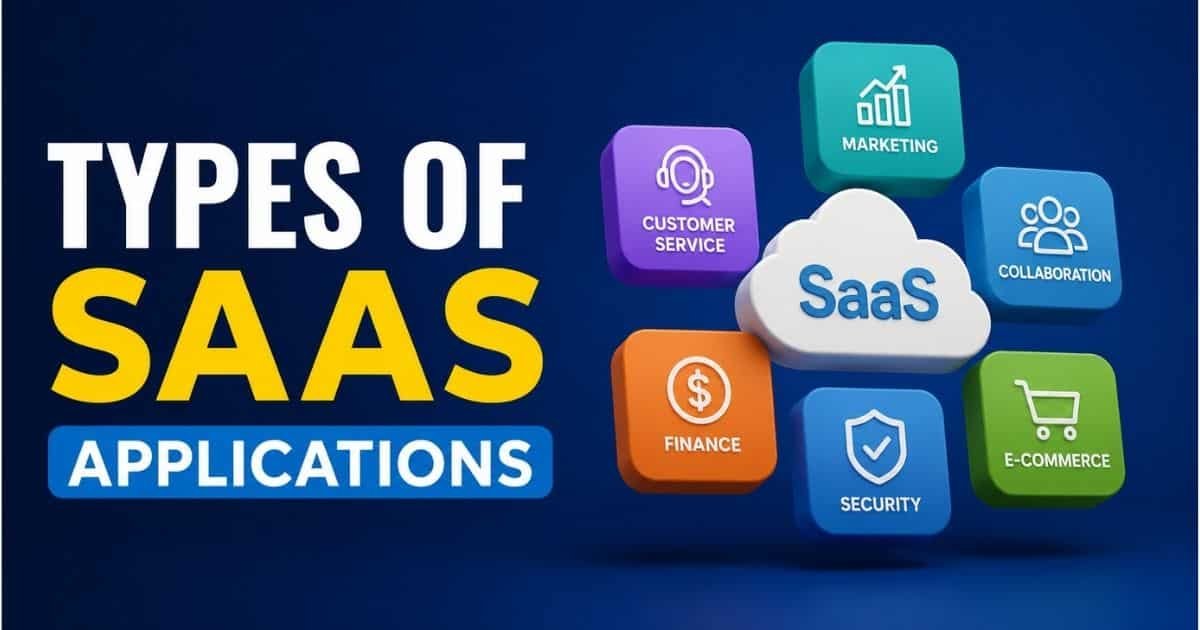

Understanding SaaS: Definition and Characteristics
Software as a Service (SaaS) represents a significant shift in the way software is delivered and consumed by businesses. Unlike traditional software models that require users to purchase licenses and install programs on their local machines, SaaS operates on a cloud-based infrastructure. This means that applications are hosted on the service provider’s servers and accessed via the internet, allowing for greater flexibility and accessibility.
One of the key characteristics of SaaS is its subscription pricing model. Rather than making a large upfront investment to buy software, businesses typically pay a monthly or annual fee. This not only helps in managing budgets more effectively but also allows organizations to scale their usage according to changing business needs. As companies grow or downsize, they can adjust their subscriptions accordingly, making SaaS a cost-effective solution.
Another notable feature of SaaS is the automatic updates provided by the service provider. In traditional software scenarios, users often face challenges related to maintaining up-to-date versions, which can lead to security vulnerabilities and compatibility issues. With SaaS, users benefit from regularly scheduled updates that include the latest features and security improvements, ensuring they always have access to the most current version of the software without the hassles of manual installation.
This model also promotes collaboration, as multiple users can access the same application simultaneously from different locations. This is particularly advantageous in today’s remote working environment, where teams may be distributed across various geographical locations. In summary, understanding SaaS, its definition, and associated characteristics is crucial for any business exploring modern software solutions.
Benefits of SaaS for Businesses
Software as a Service (SaaS) offers a wide array of benefits that transform how businesses operate and enhance their overall efficiency. One of the primary advantages of adopting SaaS solutions is cost-effectiveness. Businesses often find that SaaS eliminates the need for substantial upfront investments in hardware and software. Instead, organizations can opt for subscription-based pricing models, allowing for predictable budgeting and easier cash flow management. This financial flexibility is particularly beneficial for small and medium-sized enterprises (SMEs) that may not have extensive resources.
Scalability is another critical advantage of SaaS. As businesses grow or experience fluctuations in demand, SaaS solutions enable them to easily adjust their subscription plans, adding or removing features as necessary. This adaptability ensures that companies only pay for the services they utilize, making it a practical choice for various business models. For instance, a startup can start with basic features and subsequently scale up as their operational needs expand.
Ease of use is a significant factor in the increasing popularity of SaaS among businesses. Most SaaS applications are designed with user-friendly interfaces, which reduces the time and resources needed for training employees. This streamlined approach allows teams to be productive almost immediately after deployment. Additionally, many providers offer extensive customer support and documentation, further facilitating user adoption.
Enhanced collaboration is another fundamental benefit of SaaS solutions. They often provide real-time access to data, enabling teams to work together effectively, regardless of their physical locations. For example, a global company can have employees in different parts of the world accessing and collaborating on the same document simultaneously, thus improving workflows and accelerating project completion.
In conclusion, the adoption of SaaS solutions presents numerous advantages for businesses, including cost-effectiveness, scalability, ease of use, and enhanced collaboration, which together can significantly improve operational efficiency.
SaaS vs. Traditional Software: A Comparative Analysis
When evaluating the choice between Software as a Service (SaaS) and traditional software, businesses must consider several critical factors that impact overall operation and efficiency. One of the foremost distinctions lies in the upfront costs associated with each model. Traditional software typically necessitates a hefty initial investment for licenses and hardware setups, often placing a significant strain on capital resources. Conversely, SaaS usually operates on a subscription basis, allowing businesses to allocate resources more flexibly without the burden of large initial costs.
In terms of maintenance and support, SaaS solutions generally provide a more streamlined approach. The service provider handles updates, security, and technical support, ensuring that businesses can focus on their core activities without the need to manage these critical elements. Traditional software, however, requires in-house IT personnel to manage updates and troubleshooting, which can become costly and time-consuming.
The deployment time for each model also varies significantly. SaaS solutions can be implemented quickly and efficiently as they are typically accessible from any internet-connected device, minimizing downtime and allowing businesses to hit the ground running. In contrast, traditional software often involves lengthy installation processes and configurations, which can delay productivity and hinder business operations.
Finally, flexibility is a key consideration in this comparison. SaaS models allow for easy scalability according to a business’s evolving requirements, enabling quick adjustments to user numbers and service levels. Traditional software can be less adaptable due to its fixed nature and might necessitate additional infrastructure investments to scale. Overall, understanding these differences can significantly assist businesses in determining which software solution—SaaS or traditional—is more aligned with their operational needs and growth strategies.
Key Considerations When Choosing a SaaS Provider
When selecting a Software as a Service (SaaS) provider, businesses must consider several key factors to ensure they make a well-informed decision. These considerations greatly influence not only the efficiency of the operations but also the security of sensitive data.
First and foremost, security measures are paramount. A reputable SaaS provider should implement robust data protection protocols, including encryption, firewalls, and regular security audits. It is crucial to assess how the provider safeguards data against breaches and unauthorized access. Additionally, inquire about their incident response plan in the event of a security breach, as a timely and effective approach can mitigate potential damage.
Data compliance standards are another critical aspect. Businesses should ensure that the SaaS provider adheres to relevant regulations such as GDPR, HIPAA, or PCI-DSS, depending on the industry. Compliance not only demonstrates the provider’s commitment to data privacy but also helps businesses avoid legal penalties associated with non-compliance.
Customer support quality should also be evaluated. A reliable SaaS provider should offer comprehensive support services, including technical assistance, account management, and resources for onboarding. The availability of support channels such as phone, email, and live chat can significantly enhance user experience and mitigate issues that may arise during operation.
Finally, integration capabilities with existing systems cannot be overlooked. Businesses often utilize numerous software solutions, making it essential for the chosen SaaS application to seamlessly integrate with current platforms. Compatibility can improve workflow efficiency and data consistency, reducing manual inputs and errors.
In summary, evaluating security measures, data compliance standards, customer support, and integration capabilities is vital when selecting a SaaS provider. Businesses should carefully consider these factors to ensure they choose a provider that aligns with their operational needs and security requirements.
Implementation Best Practices for SaaS Solutions
Implementing Software as a Service (SaaS) solutions effectively is crucial for leveraging their full potential in a business environment. Several best practices can guide organizations through a successful transition. First, user training plays a vital role. It is essential to familiarize employees with the new platform to maximize its utility. Providing comprehensive training sessions and easy-to-access resources ensures users feel confident in utilizing the SaaS application.
Another key aspect is change management. Introducing new technology can lead to resistance among staff members. To mitigate this, businesses should communicate openly about the changes being made and the benefits that come with them. Engaging with team members through discussions and feedback sessions can help address concerns and create a supportive atmosphere as they adjust to the new system.
Setting clear objectives before implementation is also crucial. Organizations must define what they aim to achieve with the new SaaS solution, whether that be improved efficiency, cost reduction, or enhanced collaboration. By establishing measurable goals, businesses can better assess the performance of the software against their expectations.
Moreover, seeking stakeholder feedback should not be overlooked. Involving key stakeholders early in the process allows businesses to gather diverse insights and expectations, fostering a sense of ownership among users. This collaborative approach can streamline the implementation process and elevate user satisfaction.
Through effective user training, robust change management, clear objectives, and inclusive stakeholder input, businesses can ensure a smoother transition to SaaS solutions. Implementing these best practices not only aids in adoption but also enhances overall operational efficiency and user engagement.
The Role of Security in SaaS Solutions
In today’s digital landscape, the significance of security in Software as a Service (SaaS) applications cannot be overstated. As businesses increasingly rely on SaaS solutions for various operational needs, understanding and addressing the security risks these applications pose becomes critical. Common vulnerabilities include data breaches, which can lead to sensitive information being exposed, and system downtime, which can disrupt access to vital services.
One of the primary concerns with SaaS security is the potential for unauthorized access to data stored in the cloud. This could arise due to weak authentication mechanisms or the lack of adequate encryption protocols during data transmission. Therefore, businesses must engage with reputable SaaS providers known for their robust security measures. Assessing a provider’s compliance with recognized standards, such as ISO 27001 or the General Data Protection Regulation (GDPR), is crucial in ensuring the data is handled appropriately and securely.
Implementing best practices is equally important for safeguarding sensitive information in the SaaS environment. Regular security audits serve as an essential tool in identifying vulnerabilities and ensuring compliance with security protocols. These audits can also help uncover areas where staff training may be necessary to prevent human errors that could lead to security breaches.
Moreover, businesses should consider creating an incident response plan to manage potential security threats effectively. This includes establishing clear roles and responsibilities, as well as communication strategies to mitigate the impact of data breaches or outages. Additionally, employing encryption for both data at rest and data in transit further fortifies security.
In conclusion, prioritizing security within SaaS applications through stringent selection of providers, continuous monitoring, and proactive measures is essential in protecting sensitive data and maintaining business continuity.
Common Misconceptions About SaaS
Software as a Service (SaaS) has gained significant traction over the years, yet several misconceptions continue to persist about its application and effectiveness. One prevalent myth is that SaaS solutions are predominantly suitable for startups or small businesses. In reality, many large enterprises are leveraging SaaS to benefit from its scalability, flexibility, and cost efficiency. These solutions allow organizations of all sizes to adapt quickly to market changes and user demands, demonstrating that SaaS can meet complex business requirements.
Another common belief is the notion that SaaS applications offer limited customization options. While traditional software often requires substantial investment for custom features, many SaaS providers have recognized the importance of flexibility and now offer robust options for customization. Organizations can tailor functionalities, integrate with existing systems, and even configure user interfaces to align with their specific needs. Thus, the ability to customize does not stand in stark contrast to the SaaS model.
Additionally, some businesses erroneously equate SaaS with poor security. On the contrary, reputable SaaS providers invest significantly in security measures, often surpassing what in-house solutions can offer. By employing advanced encryption, regular security updates, and compliance with industry standards, SaaS platforms can deliver secure environments for sensitive business data. Misunderstanding the security capabilities of SaaS can lead organizations to miss out on transformative cloud solutions.
It is important to address these misconceptions to foster a better understanding of SaaS and its capabilities. By clarifying these points, businesses can make informed decisions and maximize the benefits of adopting SaaS in their operations, driving efficiency and innovation in today’s fast-paced environment.
Future Trends in SaaS
The Software as a Service (SaaS) industry is continuously evolving, and several emerging trends are set to shape its future significantly. One of the primary trends is the integration of artificial intelligence (AI) into SaaS solutions. AI-driven features enhance functionality, automate workflows, and provide sophisticated analytics that can drive decision-making. Businesses are now seeking tools that leverage machine learning algorithms to offer predictive insights, enabling them to stay ahead of market trends and improve operational efficiency.
Another notable trend is the enhancement of user experience through personalized interfaces. As customer expectations evolve, SaaS companies are focusing on creating tailored experiences for their users. This focus on UX design includes intuitive dashboards, customizable settings, and adaptive learning capabilities that ensure the software aligns with individual user needs. By investing in user-centric designs, SaaS providers can improve user adoption rates and overall satisfaction, which, in turn, contributes to customer retention.
The rise of vertical SaaS solutions is also notable. Unlike traditional SaaS products that aim to serve a broad market, vertical SaaS solutions are tailored for specific industries such as healthcare, finance, or real estate. This specialization allows for deeper functionality and niche-focused features that address unique industry challenges. As companies look for more effective ways to meet their sector-specific needs, vertical SaaS will likely gain traction, providing robust competition to conventional solutions.
Looking forward, these trends indicate that the SaaS landscape is headed towards a future where personalization, industry-specific offerings, and advanced technologies such as AI will be paramount. Businesses that adapt and embrace these changes will not only enhance their operational capabilities but will also secure a competitive edge in the SaaS market.
Conclusion: Making the Most of SaaS for Business Growth
In the contemporary business landscape, adopting Software as a Service (SaaS) has emerged as a critical strategy for organizations aiming to achieve significant growth and efficiency. SaaS solutions offer businesses a flexible and scalable approach to software management, allowing them to respond to changing market demands while reducing overhead costs. This adaptability is particularly beneficial in today’s fast-paced environment where agility is paramount.
One of the major advantages of SaaS is its ability to facilitate collaboration across teams and locations. With cloud-based applications, employees can access tools and data from anywhere, enabling seamless communication and coordination. This increased connectivity not only enhances productivity but also supports a culture of innovation. Businesses that leverage cloud solutions often find themselves at the forefront of industry trends, benefiting from real-time updates and enhancements provided by their SaaS providers.
Moreover, the financial model of SaaS allows companies to shift from traditional capital expenditure to a more manageable operational expenditure. This shift can lead to significant cost savings, freeing up resources for investment in other critical areas such as research and development, marketing, and customer service. When organizations evaluate their software strategies, they should consider whether SaaS products can facilitate more efficient operations and ultimately drive revenue growth.
As we have discussed throughout this post, embracing SaaS is about more than just technology; it requires a thoughtful approach to integrate these solutions into the fabric of the business. Companies should assess their unique needs and objectives carefully and stay informed about various SaaS offerings that align with their goals. By strategically adopting SaaS technologies, businesses can not only improve their operational capabilities but also position themselves for long-term success in an increasingly competitive marketplace.